



Chinese Lacquered Storage Cabinet
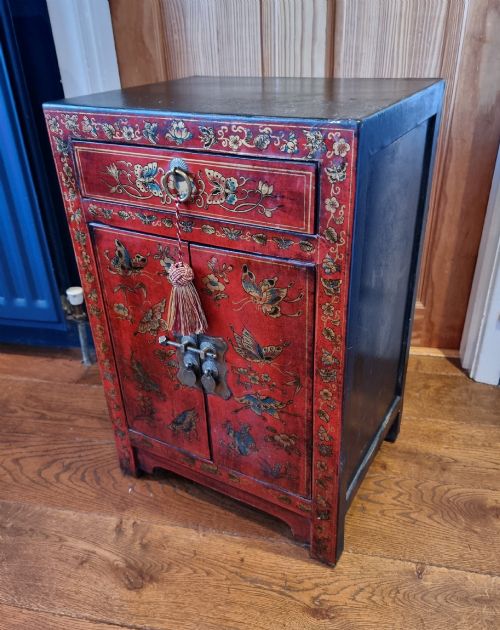
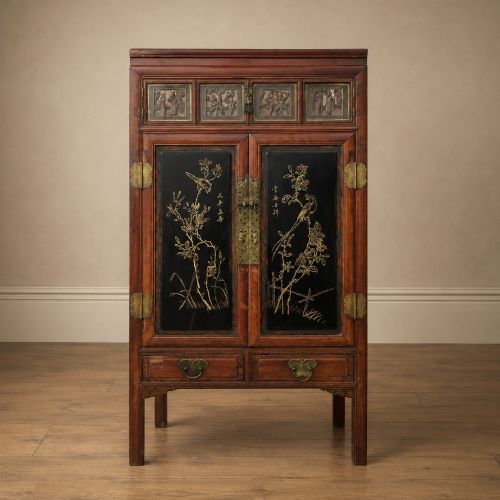
A Chinese lacquered storage cabinet brings deep red or black pigment, gilt detailing and substantial timber presence into a room.
Chinese Lacquered Storage Cabinet
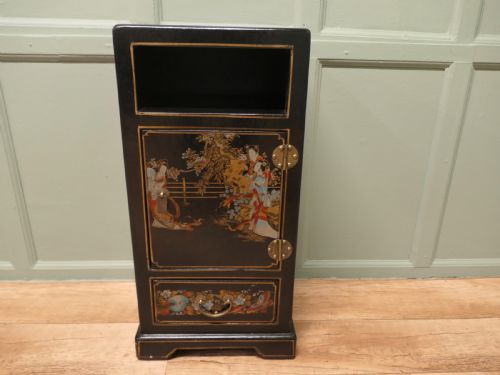
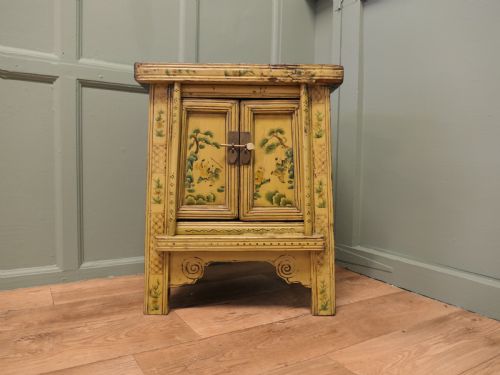
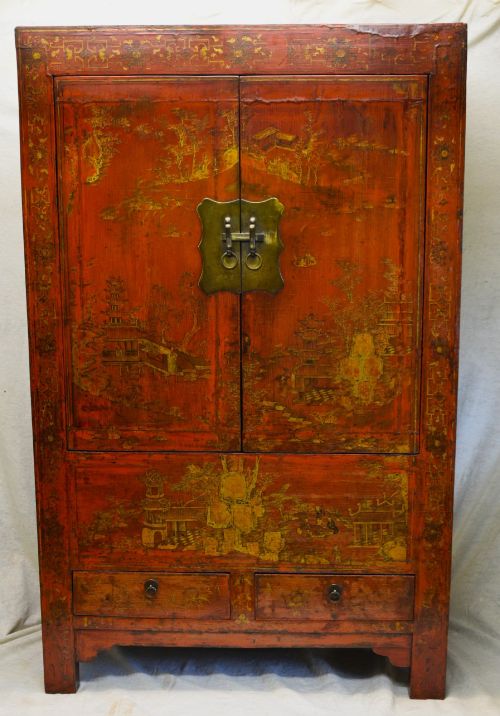
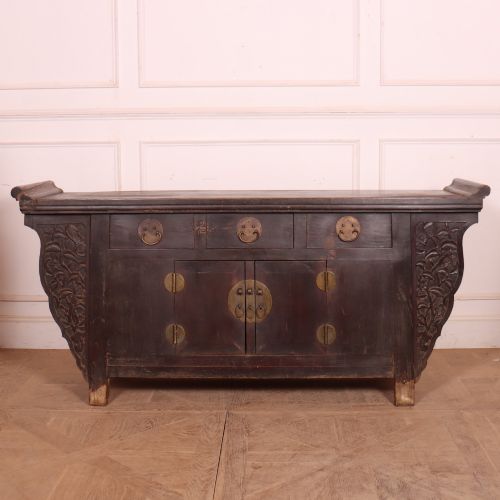
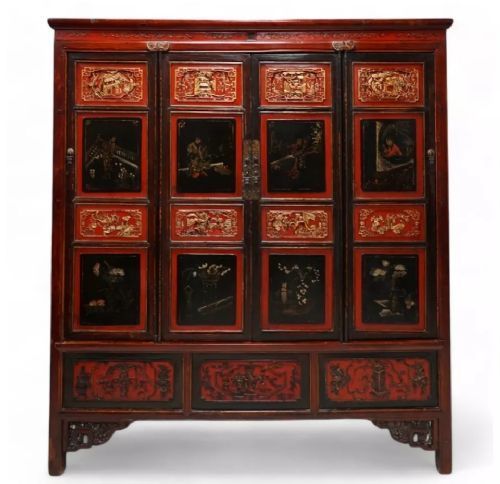
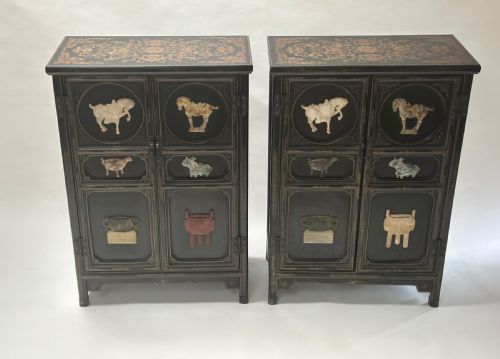
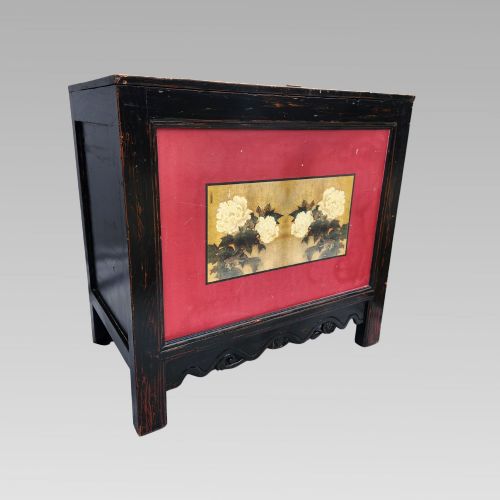
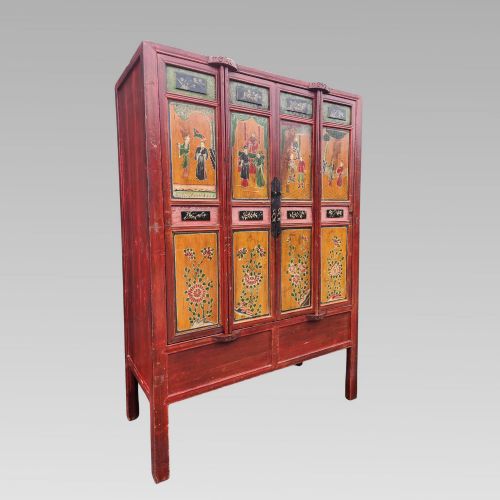
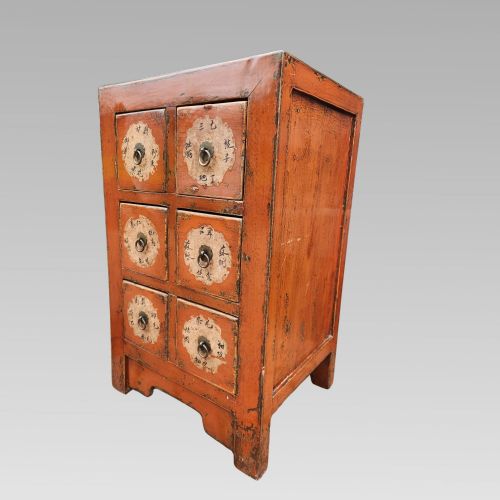
When you search for a Chinese lacquered storage cabinet, you encounter substantial case pieces designed for practical household storage and display. The selection ranges from large red marriage cupboards and wedding cabinets to smaller side cabinets, apothecary chests, and bedside lamp cabinets.
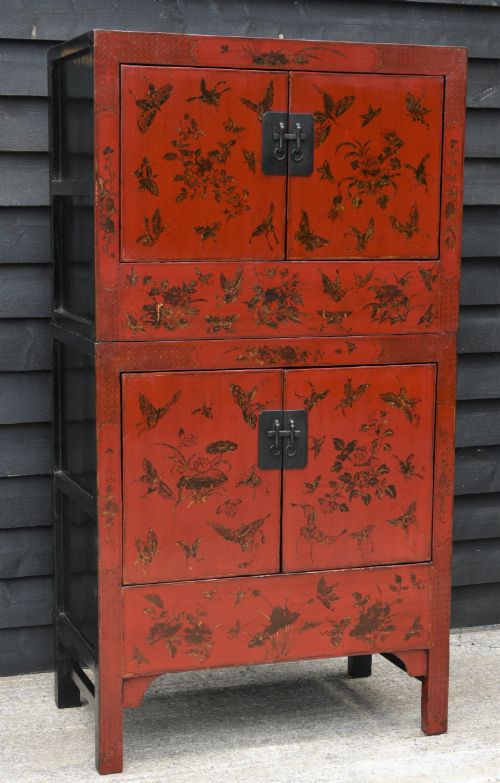
The pieces you meet most frequently on this page date from the nineteenth century through the early twentieth century, spanning Qing Dynasty traditions and Chinoiserie interpretations. Forms include sideboards, compound cabinets, and storage chests often elevated on carved stands.
How they were made
Construction relies primarily on elm and other native timbers, providing a sturdy carcase for lacquer application. Artisans built up multiple coats of lacquer in red, black, or cream pigments to seal and protect the wood.
Decoration incorporates carved elements, gold leaf highlights, and painted floral or bird motifs. Brass and iron hardware, including hinges, strapwork, and circular faceplates with pin locks, secure the doors and drawers.
Periods represented across the available pieces include the nineteenth century, the Edwardian era, and the decades around 1900, 1920, and 1930.
What varies in quality
The distinction between ordinary and superior pieces rests on the depth of the lacquer finish and the crispness of the carving and gilding. Pieces featuring intricate polychrome decoration, well-preserved gold leaf, and original brass or iron hardware command greater attention.
Structural integrity of the underlying elm timber and the retention of original pigment layers determine the enduring character of each cabinet. Finer examples maintain cohesive proportions and harmonious surface patination across panels and stands.
The Chinese Lacquered Storage Cabinet Glossary
- Lacquer
- A durable finish applied in successive coats to wood surfaces, derived from natural tree sap and pigmented in red, black, or other colours. It provides a smooth, protective shell that responds well to polishing.
- Chinoiserie
- European decorative style reflecting Chinese artistic influences, frequently seen on cabinets decorated with painted figures, landscapes, birds, and flowers.
- Elm
- A tough, fibrous wood utilised traditionally in Chinese furniture making for its resistance to splitting and its suitability for structural framing.
- Marriage cabinet
- A large storage piece traditionally given as a wedding gift to hold clothing and valuables, often finished in bright red lacquer with prominent metal hardware.
Chinese Lacquered Storage Cabinet: Frequently Asked Questions
Where were these cabinets placed in a traditional home?
Large marriage cupboards and compound cabinets stood against main walls in principal rooms to store textiles, bedding, and ceremonial garments. Smaller side cabinets and apothecary chests served in secondary spaces or reception areas for daily organisation.
Today, these proportions suit living rooms, hallways, and bedrooms as focal storage pieces that anchor modern interiors.
How do I care for a lacquered wooden surface?
Dust the surface regularly with a soft, dry cloth to prevent particulate accumulation on the delicate pigment and gilt layers. Avoid harsh chemical cleaners and direct sunlight, which can destabilize aged lacquer and cause fading.
Maintain stable indoor humidity levels to protect the underlying elm timber from expanding or contracting beneath the finish.
What is the difference between Qing Dynasty and Chinoiserie styles?
Qing Dynasty pieces reflect indigenous Chinese craftsmanship, construction methods, and regional aesthetics originating from workshops in provinces such as Fujian. They emphasise traditional forms like marriage cabinets and apothecary chests built from elm.
Chinoiserie pieces represent European interpretations of Chinese design, often featuring painted bird and floral motifs executed on side cupboards and stands tailored for Western interiors.
Why do many of these cabinets feature prominent metal hardware?
Brass and iron mounts, strapwork, and circular lock plates served both a structural and a decorative purpose on Chinese storage furniture. They reinforced the mitred joints of the elm carcase while securing the large cabinet doors.
Polished metalwork contrasts visually against red or black lacquered panels, framing the central opening mechanism of the piece.