




19th Century Cherub Carvings
These 19th century cherub carvings bring dynamic Italian and French Baroque movement into a room through spirited depictions of putti.
19th Century Cherub Carvings
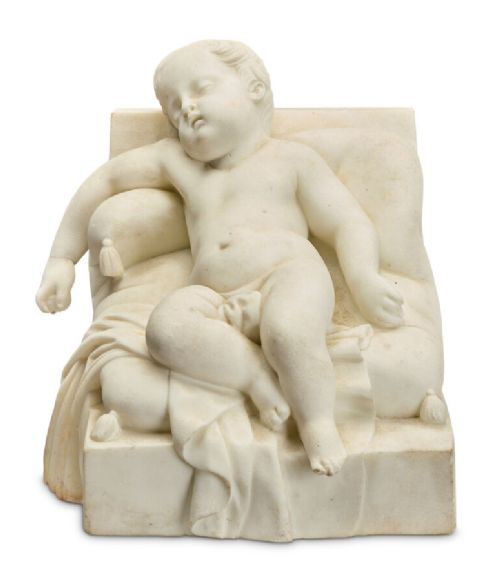
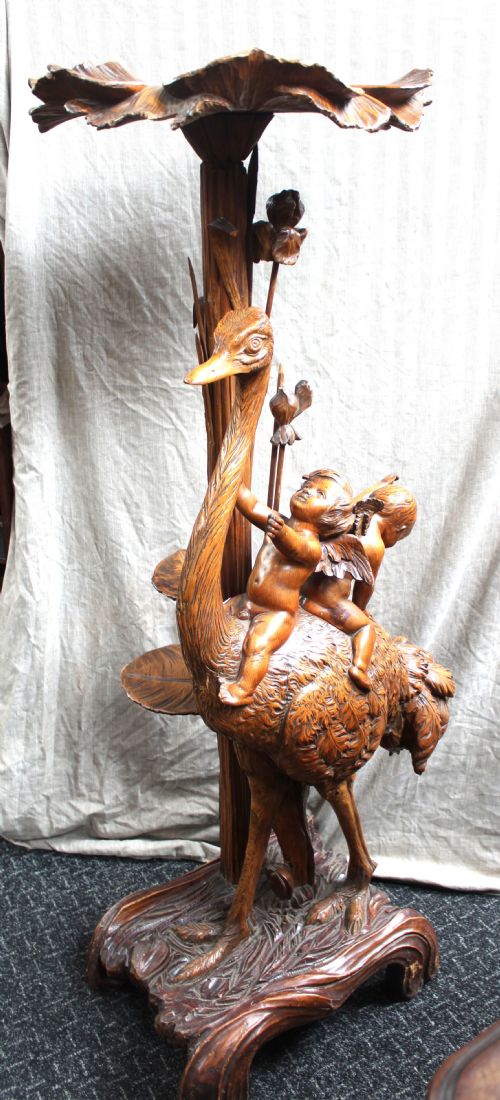
19th century cherub carvings encompass sculptural figures of putti, angels, and winged infants executed in various media during the eighteen hundreds. The objects on this page range from freestanding marble statues and architectural wall corbels to wooden wall sconces and decorative panels.
Originating predominantly from Italian and French workshops, these pieces draw heavily on Baroque, Neoclassical, and Renaissance revival styles. Buyers encounter both single figures and symmetrical pairs intended for domestic ornamentation or ecclesiastical settings.
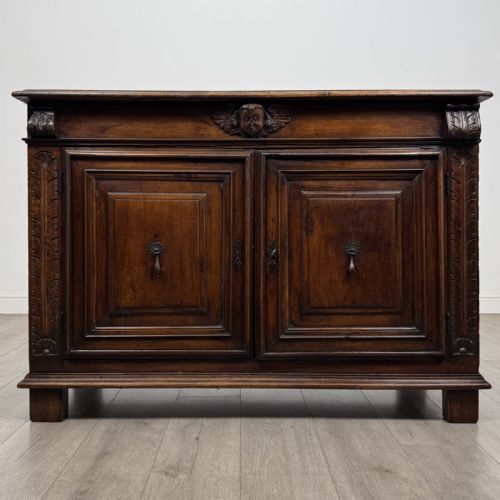
Forms span from walnut sideboard carvings and boxwood brooches to large Carrara marble sculptures and gilt wooden brackets. Each piece reflects the nineteenth-century revival of classical and continental decorative traditions.
How they were made
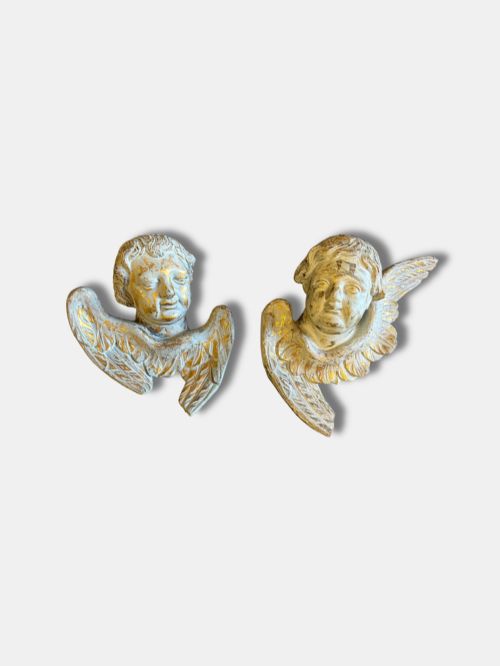
Carvers shaped these figures from walnut, boxwood, and soft woods, often applying gesso to create a smooth surface for finishing. Artisans then coated many of these wooden pieces in gold leaf or polychrome paint to achieve rich visual depth.
Stone workers carved alternative examples from Carrara marble and alabaster, utilising chisels to render soft flesh and flowing drapery. Plaster and cast elements also appear, reflecting diverse workshop practices across Italy, France, and Germany.
19th Century Cherub Carvings Retail Price Guide 2026
Typical asking prices for 19th century cherub carvings among the pieces listed under this phrase on Sellingantiques today, from the lower quarter to the upper quarter. They describe what is for sale here now, not the wider market.
One exceptional 1880 boxwood carving of two cherubs has been cleverly converted into a brooch.
What varies in quality
The preservation of original surface treatments, such as gold leaf, gesso, and polychrome pigment, heavily influences the character of a piece. Pieces retaining their early patina and untouched finishes demonstrate greater integrity than those with heavy later interventions.
Antonio Canova·Steiner
The 19th Century Cherub Carvings Glossary
- Putto
- A plump, naked male child figure frequently found in classical art. These figures often appear with wings in religious and secular 19th century sculpture.
- Gesso
- A plaster mixture applied to wood surfaces as a base for gilding or painting. It provides a smooth ground for gold leaf application.
- Corbel
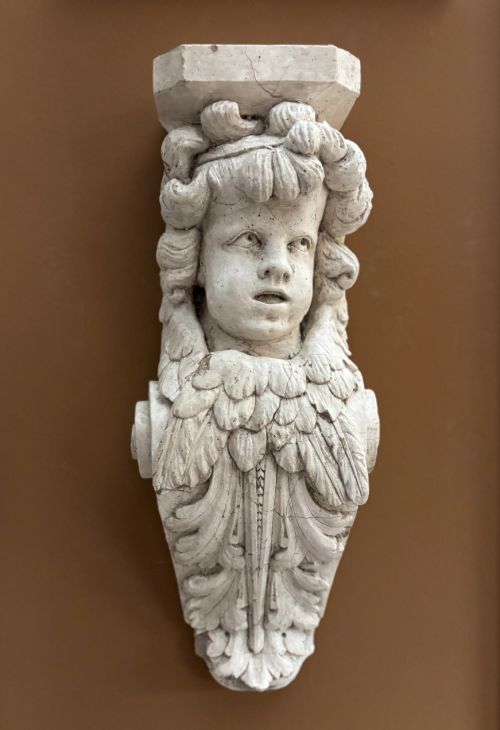
- A structural bracket projecting from a wall to support a weight. In these listings, carved cherubs frequently form the decorative body of such supports.
- Carrara marble
- A type of white or blue-grey marble quarried in the city of Carrara in Tuscany. It was favoured by sculptors for its fine grain.
- Polychrome
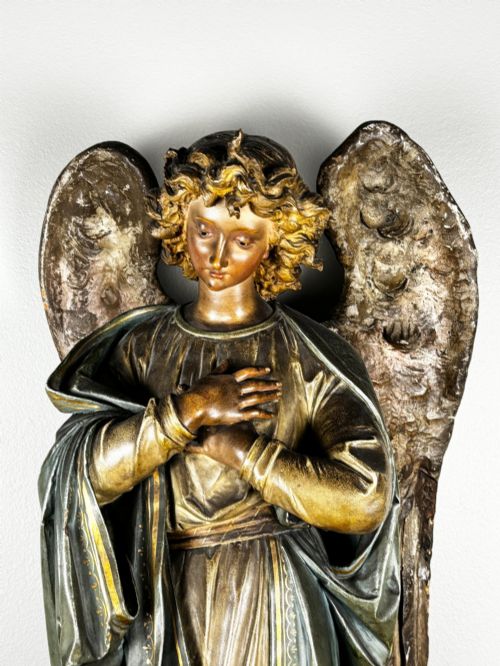
- Decorated in a variety of colours. Painted wooden angels often utilise this technique to heighten realism.
- Patina
- The surface appearance altered by age, use, and exposure. A desirable finish develops naturally over decades on wood and metal.
19th Century Cherub Carvings: Frequently Asked Questions
What is a putto?
A putto is a representation of a human infant, usually winged, derived from classical mythology and art. In nineteenth-century works, they serve decorative and symbolic roles.
These figures appear in various contexts, from wall sconces to freestanding marble groups. They are distinct from mature angels through their childlike proportions.
How do I identify Italian pieces?
Italian carvings from this period frequently employ Carrara marble, alabaster, or rich polychrome finishes. They often lean heavily on Baroque and Neoclassical revival idioms.
Signatures or attribution marks to Italian makers and regions also help distinguish these works from French or German equivalents.
Where were wall brackets placed?
Wall brackets and corbels were designed to mount securely onto vertical surfaces to display objects or simply provide architectural ornament. They integrated directly into the woodwork of grand rooms.
In domestic settings, pairs of cherub sconces flanked mirrors, doorways, or fireplaces to create symmetrical focal points.
How do I care for wooden gilt carvings?
Wooden gilt pieces require protection from direct sunlight and stable indoor humidity to prevent the gesso and gold leaf from cracking. Dusting should be done gently with a dry, soft brush.
Avoid liquid cleaners or polishes, as moisture damages delicate water-gilt and polychrome surfaces over time.