

Antique French Wall Bracket
An antique french wall bracket provides architectural support or illumination, combining decorative woodwork and metalwork to anchor interiors.
Antique French Wall Bracket
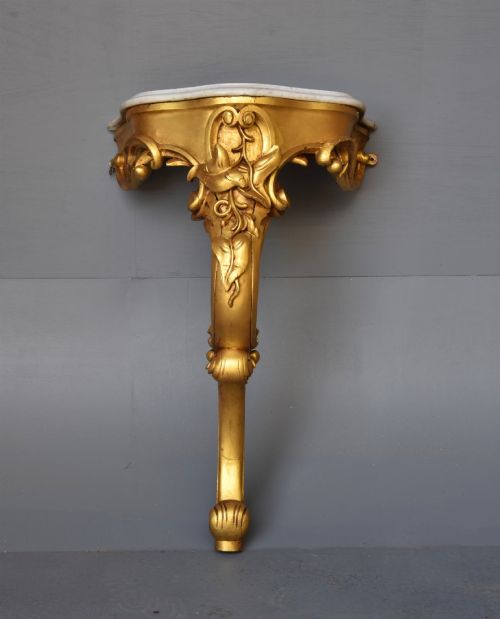
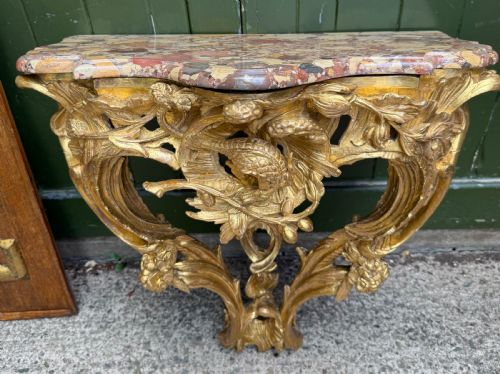
An antique french wall bracket encompasses carved wooden ledges, console tables, and lighting supports designed to mount directly onto interior walls. Buyers searching this phrase encounter nineteenth-century pieces alongside eighteenth-century architectural fragments and twentieth-century reproductions.
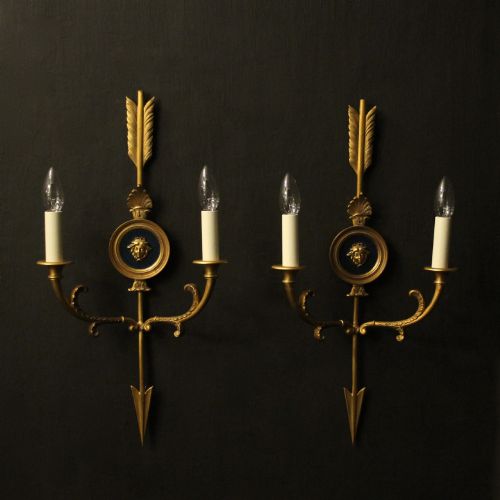
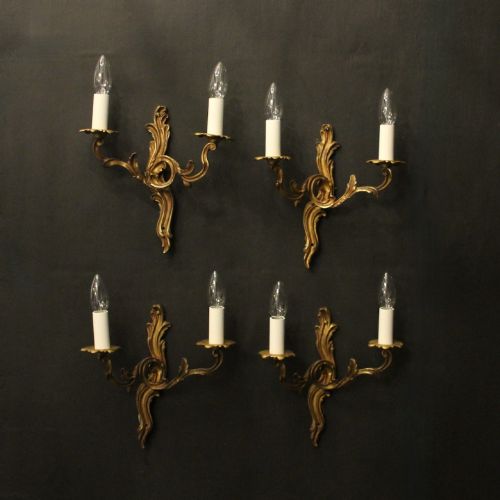
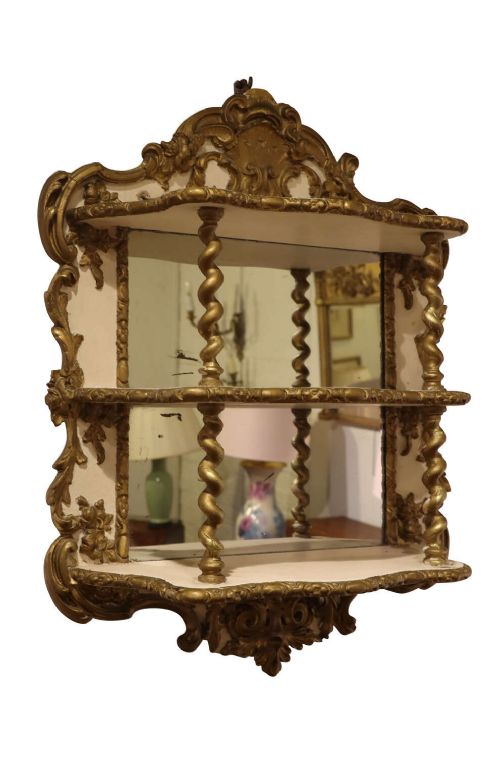
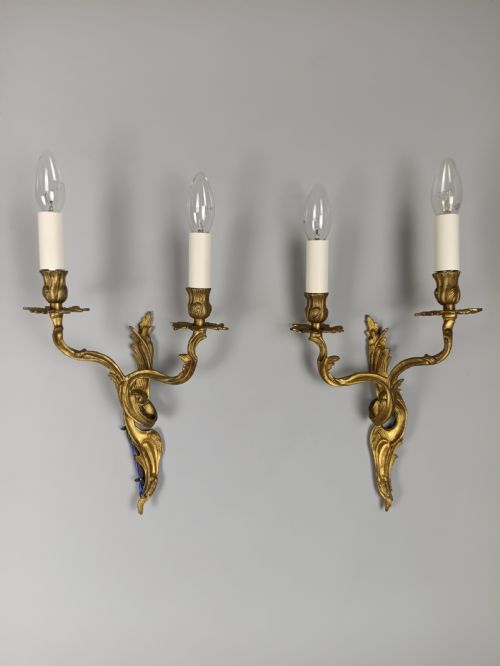
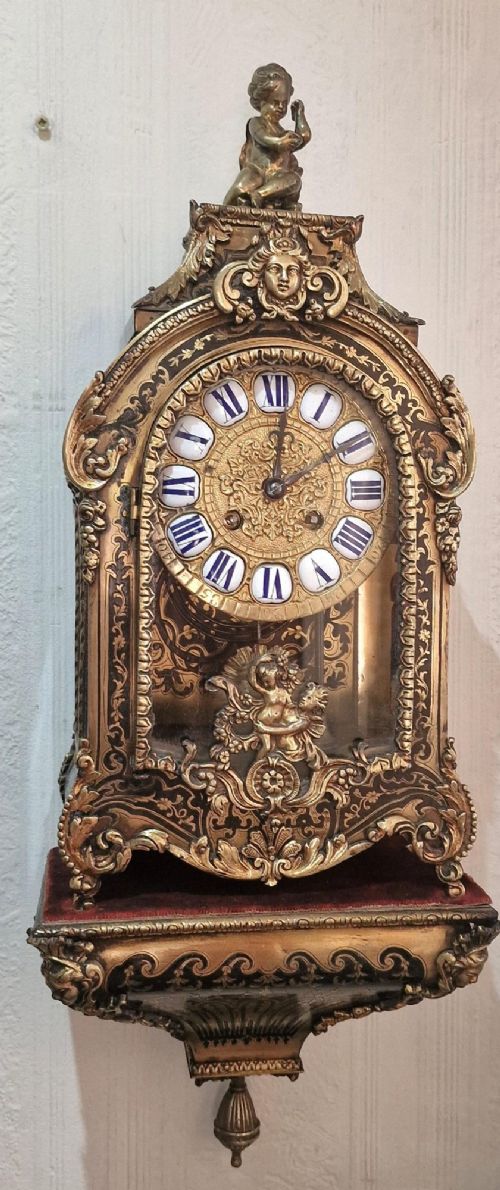
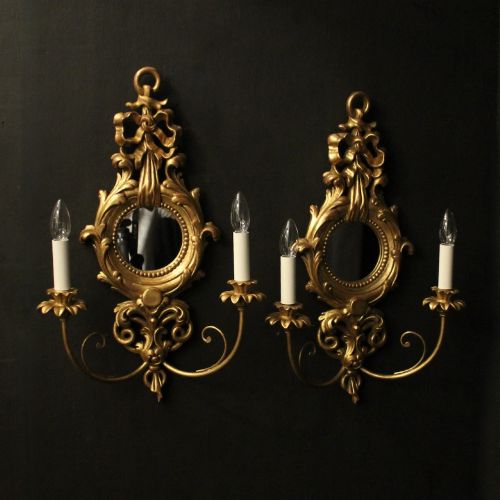
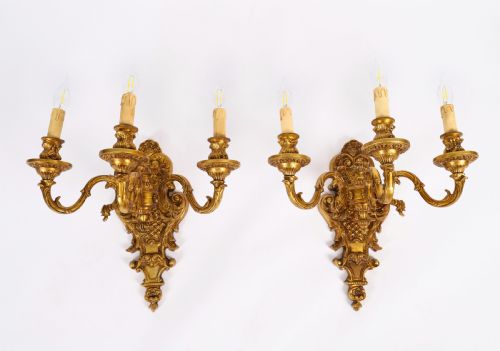
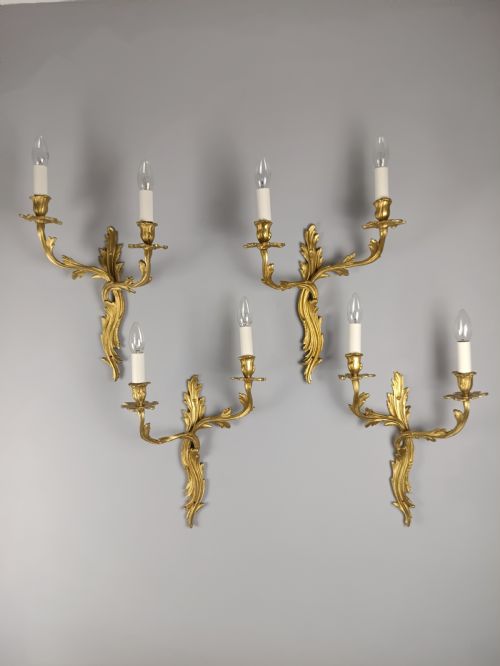
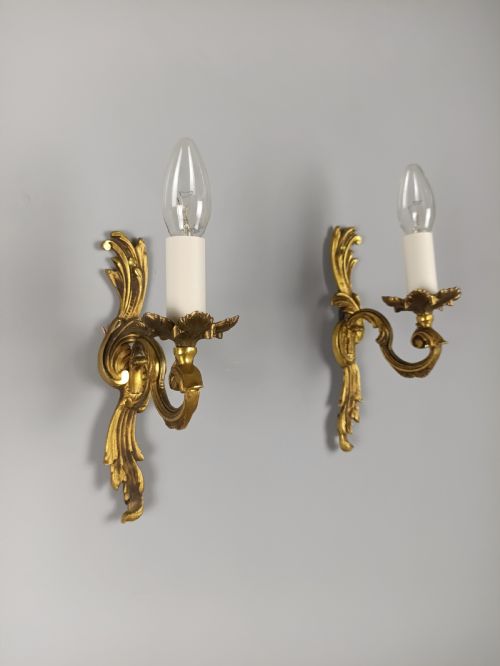
The selection ranges from structural timber corbels and small display shelves to gilt bronze wall lights and associated clock brackets. Giltwood and brass lighting configurations dominate the available items.
Originating in domestic and chateau interiors, these objects served both functional holding purposes and purely decorative display roles. The forms demonstrate clear regional styles connected to historic French design periods.
Materials and construction
Carvers shaped timber supports from wood such as giltwood, applying layers of gesso and gold leaf to create reflective surfaces. Metal pieces utilise cast brass, gilt bronze, and ormolu, often paired with crystal components or porcelain portraits.
Joinery methods on wooden brackets involve traditional hand carving and pegged joints, whilst metal items rely on foundry casting and chased surface finishing. Surviving examples frequently incorporate historic mirror glass or marble tops.
Listings feature items spanning the eighteenth, nineteenth, and early twentieth centuries, constructed in brass, giltwood, and gesso.
Factors of execution
Quality rests upon the crispness of the hand carving in wood and the depth of chiseled detail in ormolu castings. Finer examples display intricate asymmetry in rococo scrolls or precise botanical symmetry in neoclassical designs.
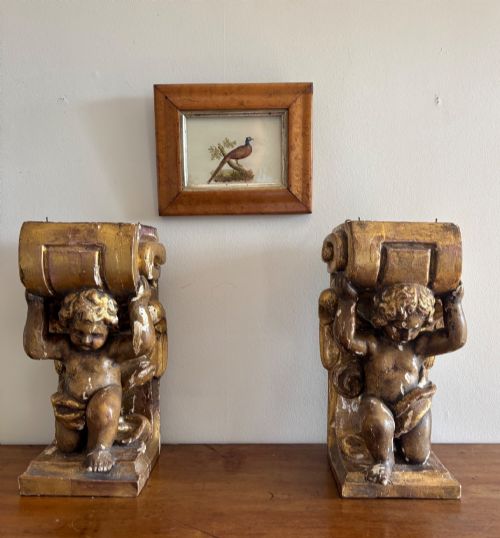
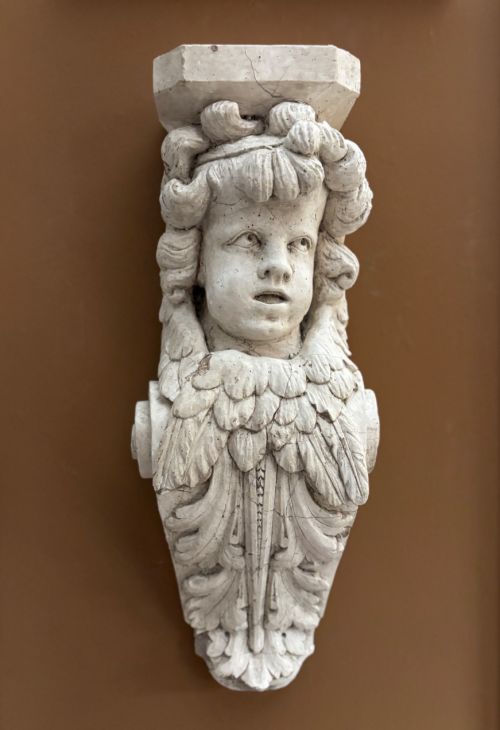
The integrity of the original surface gilding and the weight of the cast metal distinguish superior pieces from standard production. Execution is evident in the articulation of figures such as putti and cherubs.
The Antique French Wall Bracket Glossary
- Giltwood
- Wood that has been coated with gold leaf over a prepared gesso ground. This technique creates a luminous finish characteristic of formal French furniture.
- Ormolu
- Cast bronze that has been mercury gilded to impart a rich gold appearance. It provides durable ornamentation on nineteenth-century light fittings and mounts.
- Rococo
- An ornate design style marked by asymmetric C-scrolls, shell motifs, and naturalistic foliage. It defines many decorative wall brackets from the eighteenth century onwards.
- Neoclassical
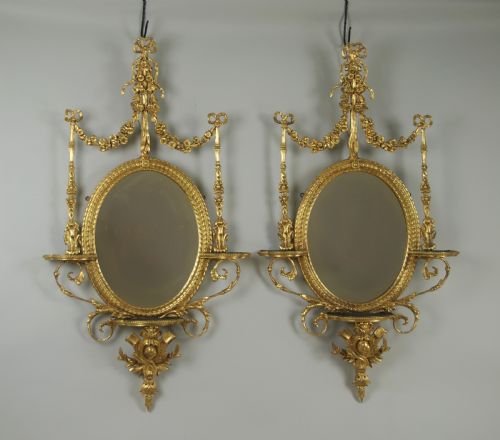
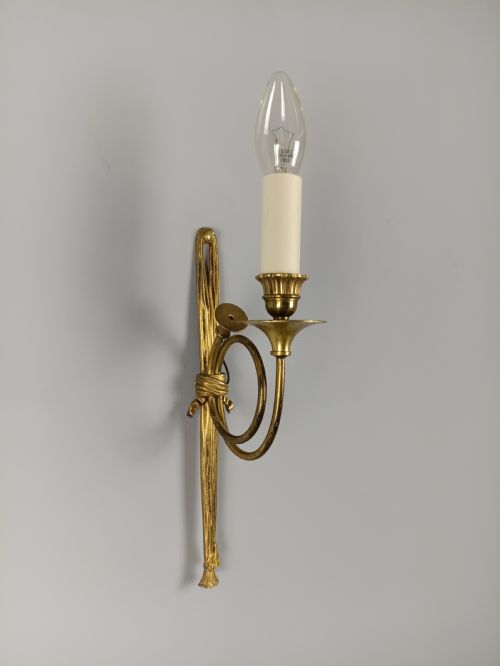
- A revival style drawing on classical Greek and Roman motifs such as urns, swags, and strict symmetry. Pieces in this idiom follow Louis XVI design canons.
- Corbel
- A structural bracket projecting from a wall to support a weight above. Wooden examples often feature carved figures or decorative foliage.
Antique French Wall Bracket: Frequently Asked Questions
How were antique wall brackets used?
These items functioned as structural ledges for displaying porcelain and clocks, or served as wall-mounted lighting fixtures holding candles and later electricity.
They added decorative emphasis to drawing rooms and hallways while elevating decorative objects away from floor level.
What periods do these pieces span?
The selection covers items from the eighteenth century through to the early twentieth century, encompassing various revival movements.
Nineteenth-century examples frequently adopt earlier Louis XVI or Rococo styles, reflecting historical revivals popular across Europe.
Are wall lights wired for modern use?
Many lighting brackets are rewired or prepared for standard electrical installation, though older fixtures require professional safety checks.
Buyers should examine the wiring status of specific wall lights before fitting them into modern domestic circuits.
How do I identify Louis XVI style?
Louis XVI pieces are characterised by straight lines, geometric symmetry, and classical motifs like urns and ribbons.
This aesthetic contrasts with the flowing, asymmetric curves typical of earlier Rococo designs.