




19th Century Caucasian Weaving
These pieces of 19th century caucasian weaving bring striking geometry, tribal heritage and rich natural dyes directly into modern interiors.
19th Century Caucasian Weaving
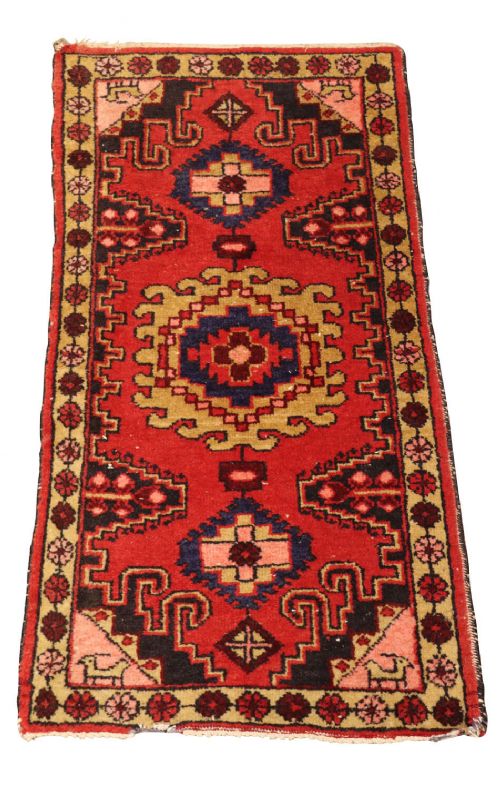
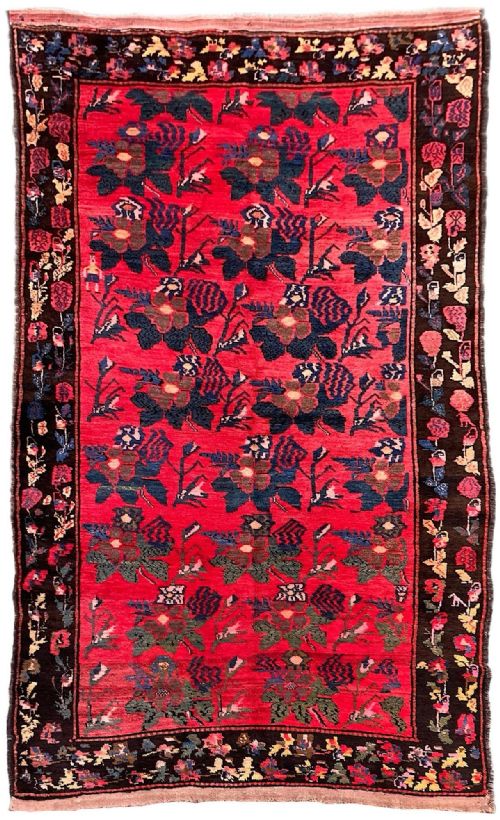
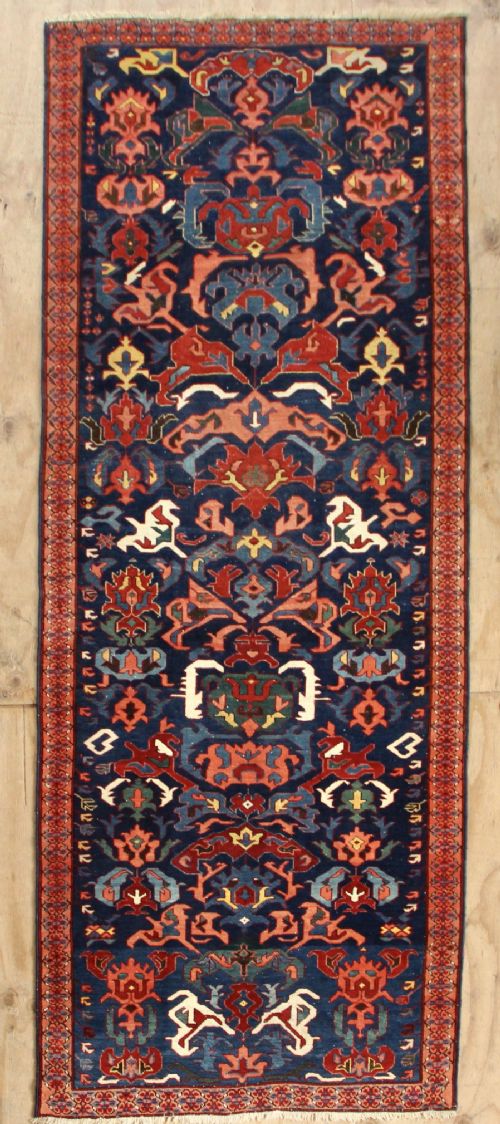
When you search for 19th century caucasian weaving, you examine knotted rugs, prayer rugs, long runners, flatweaves, kilims, and storage bags originating from the Caucasus region. The pieces most commonly met on this page date from the middle of the nineteenth century through to the early decades of the twentieth century, reflecting vibrant regional traditions like Kazak, Kuba, Shirvan, and Gendje.
The forms range from utilitarian saddle bags and mafrash storage panels to expansive carpets and ceremonial horse items. Tribal and nomadic weavers produced these textiles using distinct geometric motifs, animal representations, and hooked medallions that communicate specific regional identities.
Distinctions in quality and execution
Quality in these textiles depends heavily on the fineness of the weave, the clarity of the geometric drawing, and the integrity of the natural dye palette. Tightly packed knots and precise execution distinguish superior examples from standard regional production.
Listings feature structural variety spanning pile rugs, flatwoven kilims, brocaded soumaks, and utilitarian storage bags from the Caucasus.
The 19th Century Caucasian Weaving Glossary
- Soumak
- A brocaded flatweave technique involving wrapping supplementaryweft threads around the warp strands to create a durable, textured surface. This method produces crisp geometric patterns frequently seen on storage bags and panels.
- Mafrash
- A large rectangular storage box or chest panel woven by nomadic groups for household belongings. These complete pieces or panels typically feature intricate tribal designs.
- Prayer Rug
- A textile featuring a distinct mihrab or arch design indicating the direction of prayer. These rugs were woven in various Caucasian regions with specific regional borders and lattice patterns.
- Jajim
- A type of flatwoven textile or utility cloth often constructed in narrow strips and joined together. Silk variations appear in smaller mounted formats.
- Kilim
- A tapestry-woven flat textile without a pile. These pieces rely on slit-weave techniques to form sharp geometric patterns across runners and large formats.
19th Century Caucasian Weaving: Frequently Asked Questions
How do I identify a Kazak rug?
Kazak rugs are generally recognised by their bold geometric medallions, primary colour palettes, and relatively coarse, heavy wool construction. They frequently incorporate latch hooks, animal motifs, and striking tribal designs.
These pieces originate from the western region of the Caucasus and tend to display a spontaneous, robust artistic confidence compared to finer city-woven carpets.
What is a soumak bag?
A soumak bag, or khorjin, served as a functional saddle bag used by nomadic and tribal groups for transport and storage. The distinctive wrapping technique leaves long floats of yarn on the reverse side while presenting a clean, patterned face on the front.
Collectors prize these items for their intricate structure and the survival of complete pairs or decorative bag faces depicting birds, dragons, and geometric motifs.
How should I care for an antique rug?
Antique flatweaves and pile rugs require gentle maintenance, including regular vacuuming without a rotating brush and professional cleaning when necessary. Keeping them out of direct sunlight preserves the stability of natural dyes over time.
Using a quality underlay prevents slipping and cushions the wool fibres against hard flooring surfaces, extending the lifespan of the textile.
What distinguishes Shirvan from Kuba pieces?
Shirvan rugs typically originate from the eastern Caucasus and favour more finely detailed geometric lattice patterns, ivory grounds, and precise, balanced drawing. Kuba rugs, hailing from further north, often exhibit denser floral lattices, Perepedil motifs, and crisp rectilinear borders.
Both groups utilise natural dyes and fine hand-spun wool, but their distinct regional aesthetics guide attribution for collectors.