

19th Century Carved Urn
When you search for a 19th century carved urn, you seek a classical form realised in marble, stone, terracotta, and carved wood.
19th Century Carved Urn
A 19th century carved urn bridges classical revivalism and domestic utility, appearing as garden ornaments, lidded vessels, table lamps, and architectural tazze. These pieces reflect the nineteenth-century passion for antiquity, drawing heavily from Grand Tour souvenirs and Neoclassical design principles.
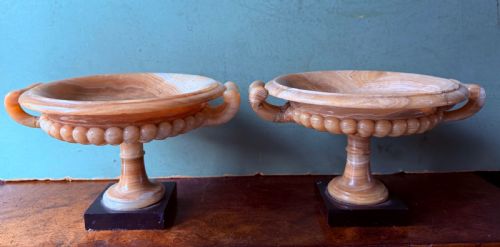
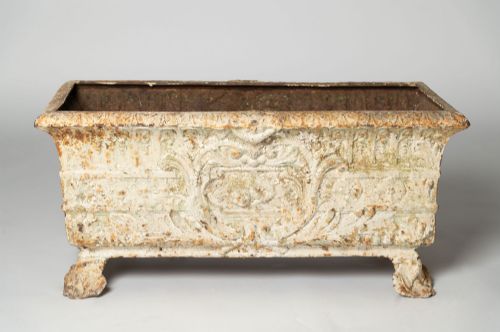
The selections on this page encompass various forms, from Italian marble and alabaster tazze to carved pine, walnut, and terracotta garden urns. Buyers frequently encounter objects adapted during the period into lamp bases or planter stands alongside traditional decorative vessels.
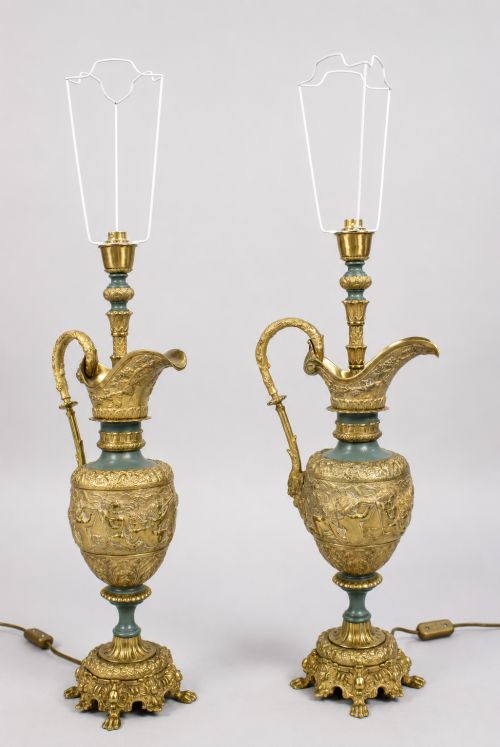
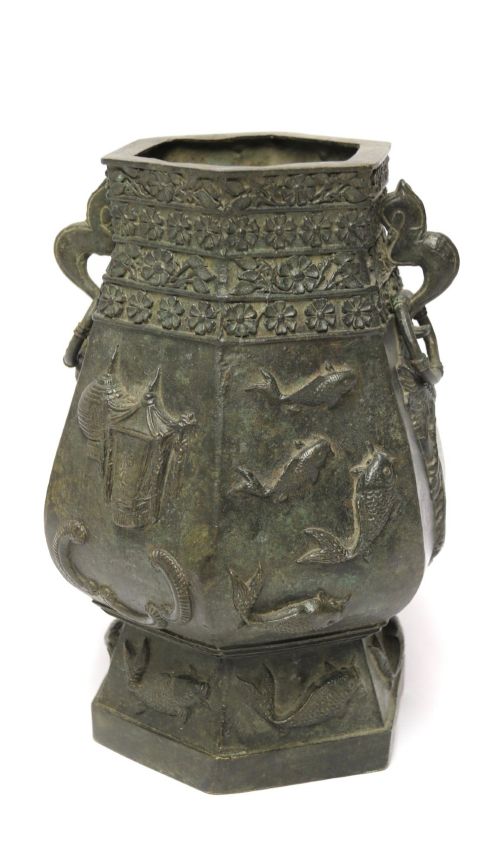
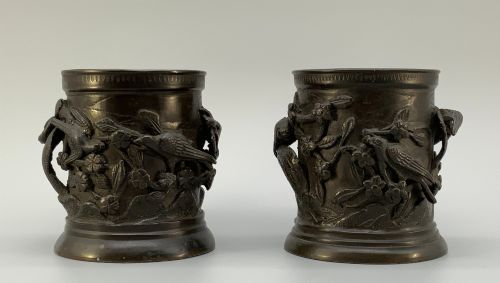
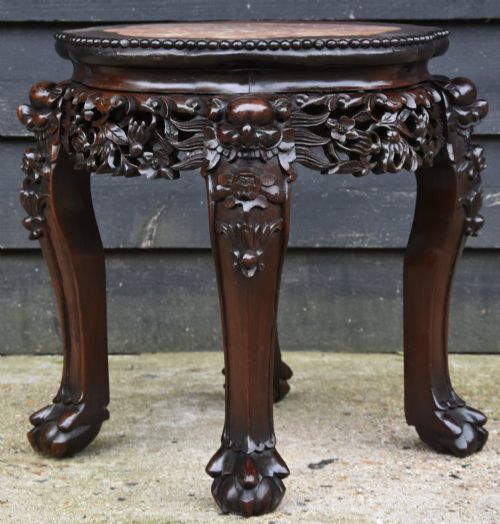
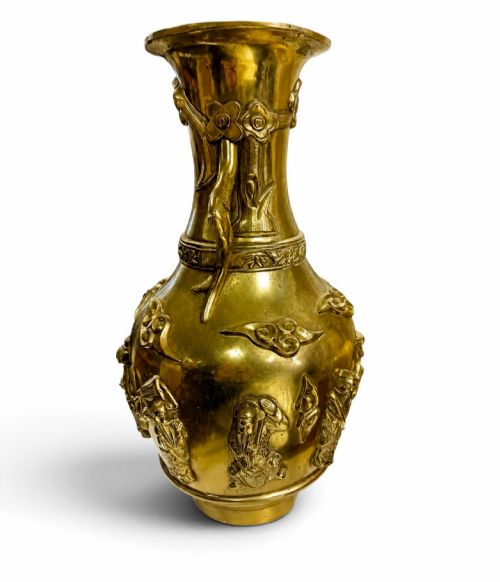
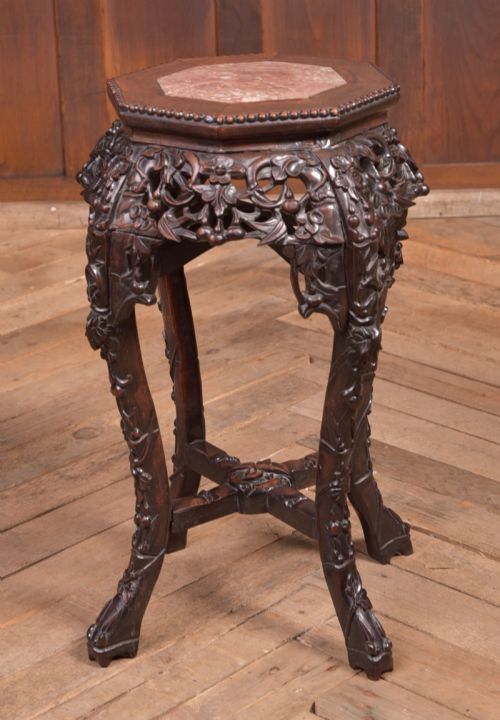
Origins span European workshops, British country houses, and East Asian production, incorporating Qing Dynasty hardwood stands and Japanese bronze vessels into a diverse decorative landscape. This variety allows collectors to integrate classical sculpture or carved wood into formal interiors and garden settings.
Materials and methods of construction
Carved stone examples rely on dense marbles, alabaster, and soft stone, shaped by hand to achieve smooth contours, fluted stems, and classical handles. Workshops in Italy and Britain utilised lathe turning and chiselling to replicate ancient models for the European market.
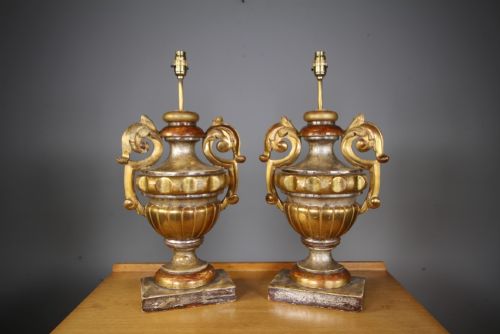
Wooden urns and associated stands employ hardwoods such as oak, elm, walnut, and rosewood, often enhanced with gesso and giltwood details. Artisans joined sections with traditional pegging and turned elements on a lathe before applying surface finishes like silvering, painting, or wax polish.
Materials span marble, hard woods, bronze, terracotta, and gesso, reflecting diverse international manufacturing traditions.
Distinctions in craftsmanship and survival
Quality rests in the crispness of the carving and the selection of the raw material, such as highly figured marble or dense, knot-free hardwood. Superior pieces display anatomical accuracy in handles and foliage, whereas lesser examples show softer, shallower relief work.
Condition and originality dictate standing among surviving items, noting whether marble bases, lidded components, and gilt surfaces remain intact or show modern restoration. Well-patinated terracottas and genuine Grand Tour fragments retain integrity through careful handling and stable environmental conditions.
Gillows Of Lancaster·Benedetto Boschetti
The 19th Century Carved Urn Glossary
- Tazza
- A shallow cup or vase on a pedestal foot, frequently carved from marble or alabaster during the nineteenth century. These items often served as decorative centrepieces or souvenir pieces for travellers on the Grand Tour.
- Campana urn
- A bell-shaped vessel with flared rims and looped handles, rooted in ancient Roman pottery and stone forms. Makers adapted this silhouette for garden planters and carved wooden decorative objects.
- Gesso
- A plaster-based mixture applied to wood surfaces to create a smooth layer for subsequent gilding or painting. It allows intricate low-relief ornamentation to be moulded onto frames and lamp bases.
- Grand Tour
- A traditional educational trip through Europe undertaken by upper-class young men, which generated a strong demand for classical sculpture, bronzes, and marble urns. Souvenirs acquired on these travels form a significant portion of nineteenth-century decorative antiques.
- Jardiniere
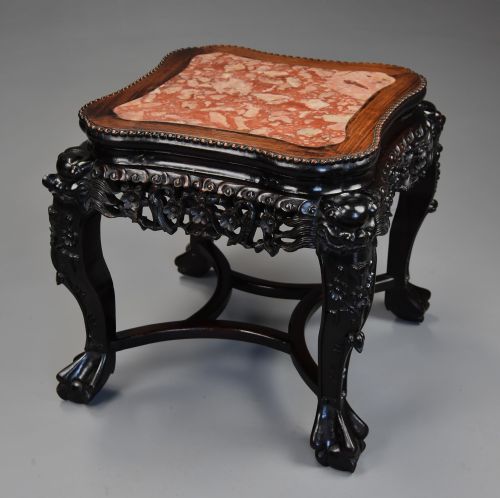
- A decorative stand or container designed to hold indoor plants or floral arrangements, often constructed from hardwood with marble inset tops. They complement contemporaneous urn forms in formal nineteenth-century interiors.
19th Century Carved Urn: Frequently Asked Questions
What is a Grand Tour urn?
A Grand Tour urn is a souvenir piece carved from marble, alabaster, or soft stone in Italy during the nineteenth century. These objects replicated famous classical antiquities for travellers returning to Britain and northern Europe.
Such pieces range from small-scale tazze on marble blocks to large labra, serving primarily as mantel ornaments or cabinet displays rather than functional vessels.
How were wooden urns used?
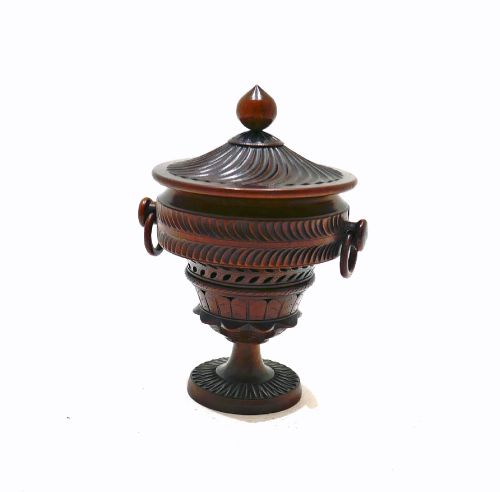
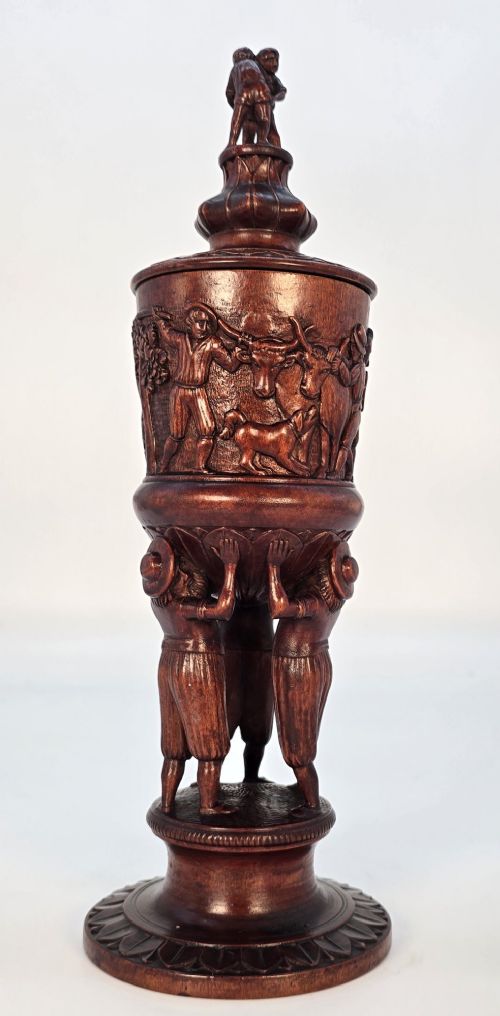
Wooden urns and lidded cups served as decorative objects, tea caddies, or specialised containers like pomanders during the nineteenth century. Artisans carved them from fruitwood, boxwood, oak, or walnut, sometimes combining them with turned bases.
Over time, many of these turned wooden vessels were adapted into table lamps or incorporated into larger furniture arrangements in period libraries and drawing rooms.
How do I care for a marble urn?
Marble and alabaster require gentle dusting with a dry, soft cloth to prevent abrasive particles from scratching the polished surface. Moisture and acidic substances must be kept away from the stone to avoid staining and etching.
Placement should avoid direct sunlight and rapid temperature fluctuations, which can stress historical adhesives or exacerbate existing hairline fractures in the material.
How do I distinguish Italian marble from British stone?
Italian marble and alabaster utilised in nineteenth-century decorative urns typically display high figurations, such as alabastro egiziano or rosso antico, reflecting classical quarry sources. British pieces more commonly employ local materials like terracotta, Derbyshire spar, or Ashford black marble.
Examining the weight, veining patterns, and base construction provides clues regarding the regional workshop origin of the stone.