
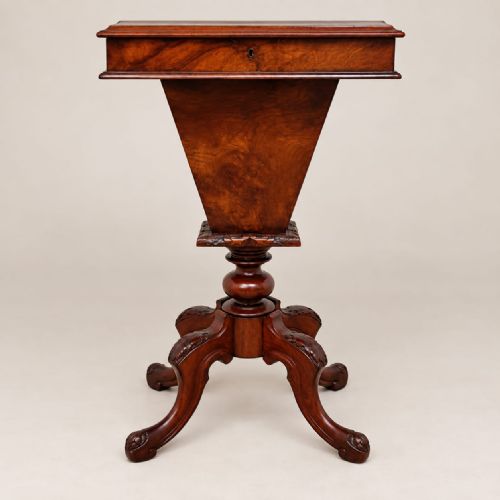
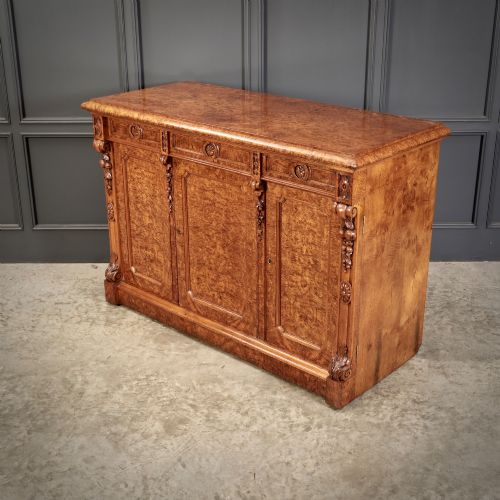
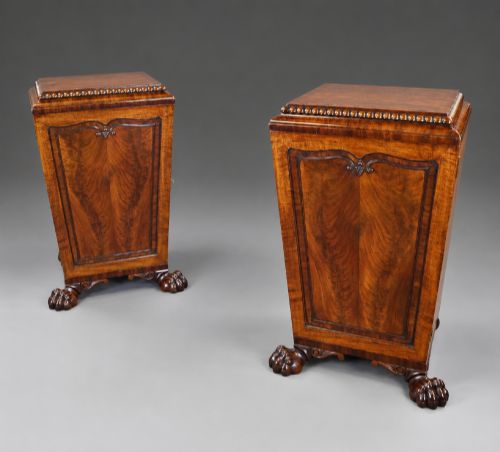
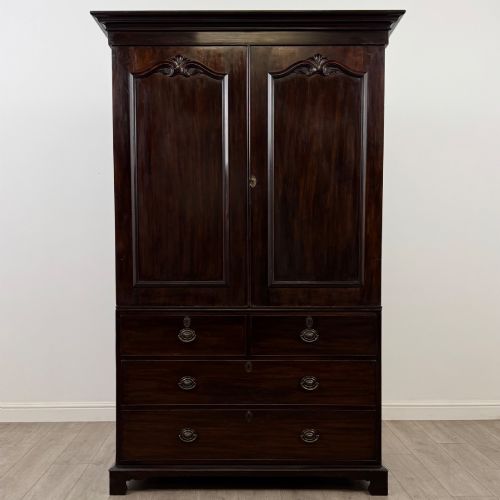
19th Century Carved Cabinet
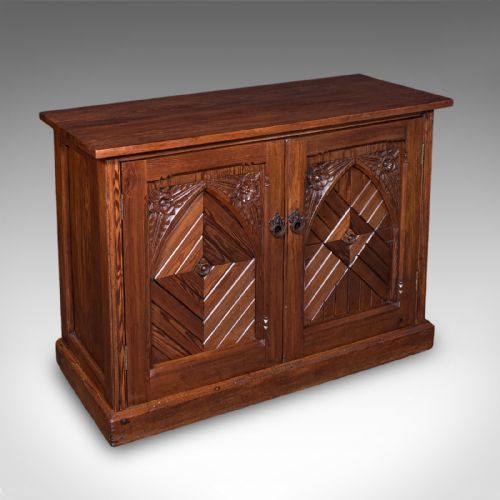
A 19th century carved cabinet brings rich timber and sculptural depth to a room, offering practical storage disguised as art.
19th Century Carved Cabinet
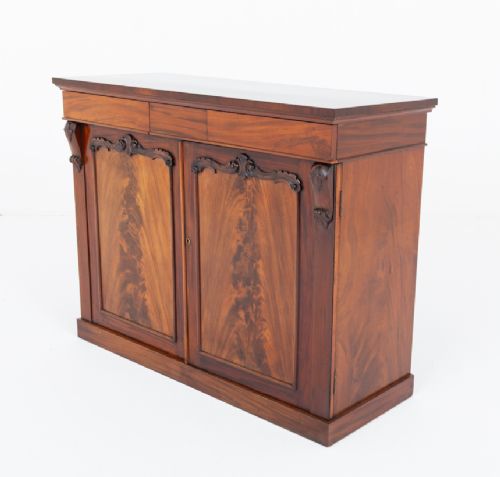
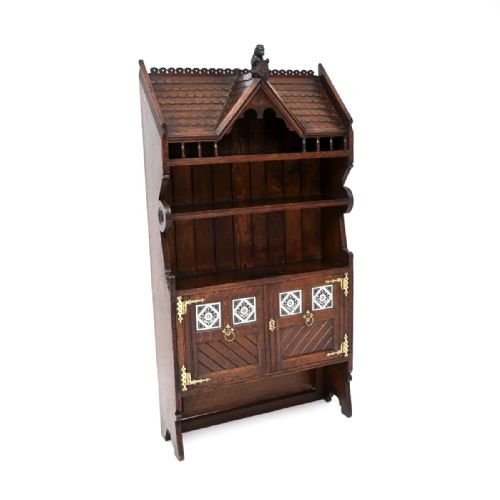
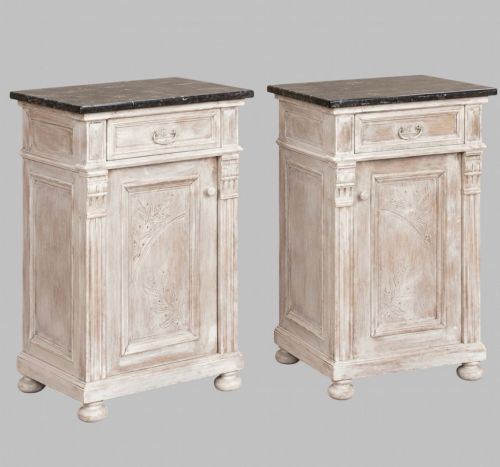
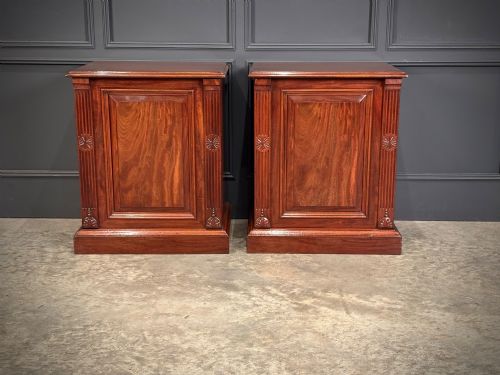
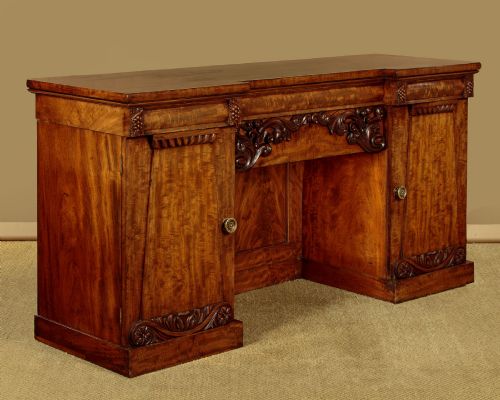
A 19th century carved cabinet encompasses a diverse range of functional storage forms, including sideboards, bookcases, display cabinets, and smaller bedside pieces. These items emerge from various stylistic movements such as Victorian, Regency, Gothic Revival, and French Provincial.
Mahogany, oak, and walnut dominate the offerings, frequently enhanced by decorative elements like brass inlay, glass panels, and marble tops. Buyers encounter everything from compact pier cabinets and chiffoniers to massive architectural sideboards and imported shodonas.
The aesthetic vocabulary spans domestic British workshops to continental French cabinetmakers and distant Anglo-Indian carvers. This breadth allows collectors to select pieces tailored to specific interior proportions and historical styles.
Materials and Techniques
Cabinetmakers utilised dense hardwoods like mahogany, oak, and walnut, often selecting figured grains such as flame mahogany, burr walnut, and pollard oak for prominent surfaces. These timbers provide the structural stability necessary for deep relief carving and complex architectural forms.
Joinery techniques combined traditional frame and panel construction with sophisticated dovetailing for drawers and mortise and tenon joints for frames. Decorative treatments ranged from crisp hand-carving and ebonising to delicate brass inlay and veneering.
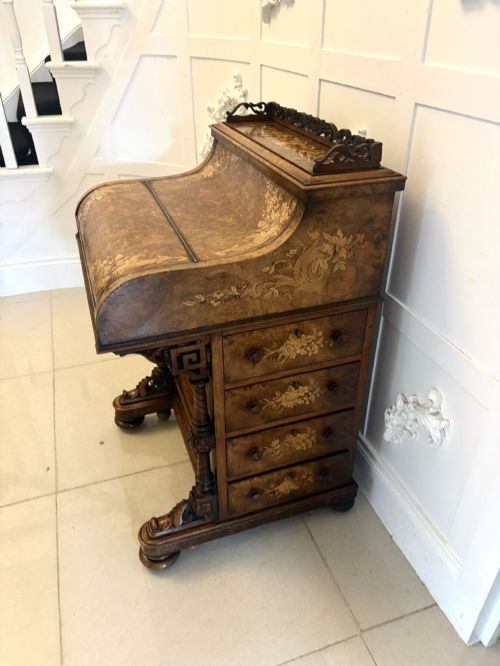
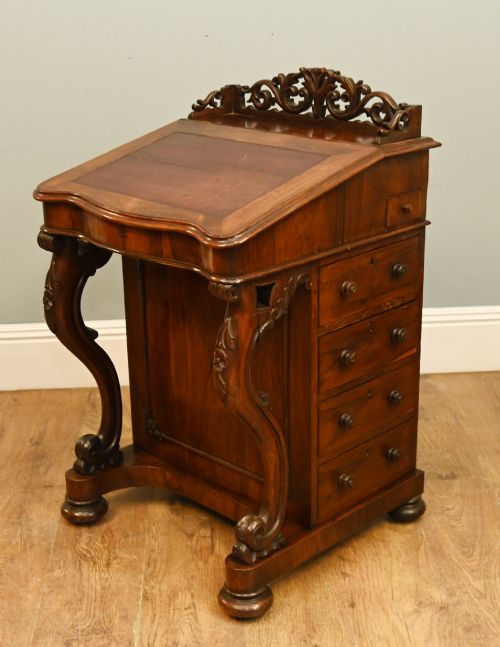
The selection includes specialised forms such as music cabinets, Davenport desks, and tabletop collectors cabinets.
Judging Quality
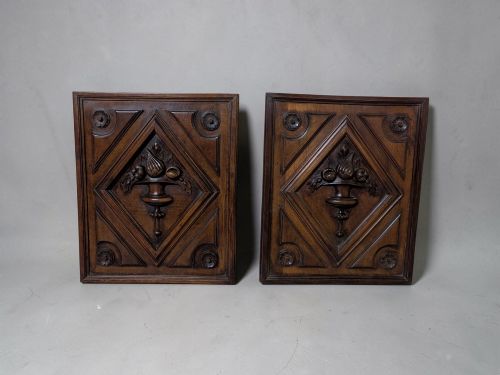
The division between standard production and superior craftsmanship rests in the crispness of the hand-carving and the selection of timber veneers. Master workshops employed carvers who achieved deep, undercut relief with crisp edges rather than soft, mechanical moulding.
Proportion and the integrity of secondary timbers inside drawers and carcases indicate the original maker's commitment. Superior examples retain their original glass, brass hardware, and polished surfaces without excessive timber shrinkage or later replacement parts.
Gillows·Gabriel Viardot
The 19th Century Carved Cabinet Glossary
- Chiffonier
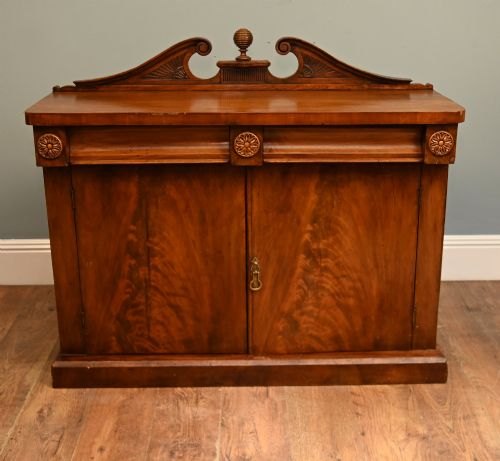
- A low sideboard or cabinet, typically fitted with shelves or drawers beneath and a raised mirror or shelf back. This form gained popularity during the Regency and Victorian periods.
- Shodona
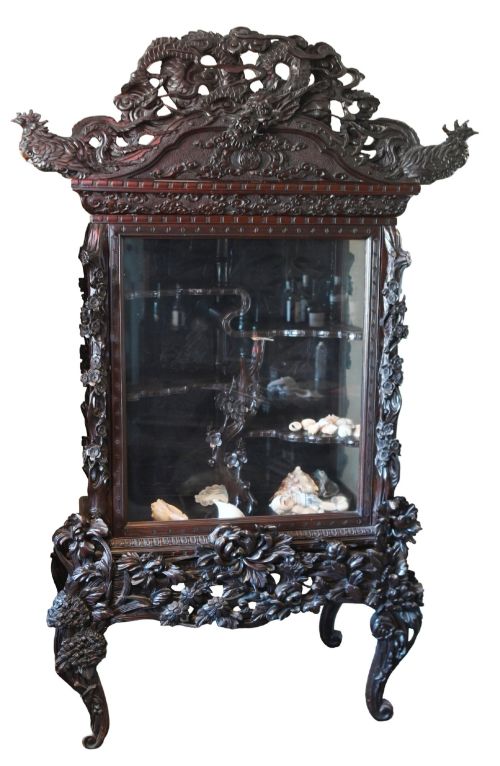
- A Japanese-inspired display cabinet featuring asymmetric shelving and compartments. These pieces reflect the nineteenth-century European fascination with imported Eastern aesthetics.
- Burr walnut
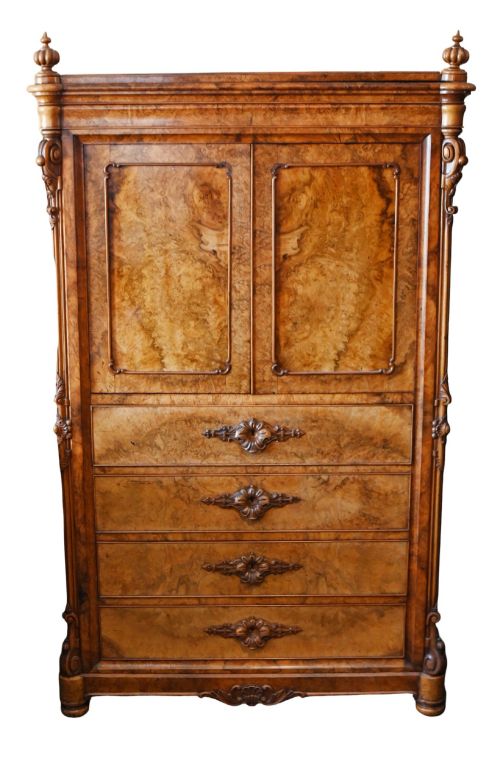
- Timber obtained from the gnarled growth on walnut trees, yielding complex swirling grain patterns. Cabinetmakers sliced this wood into thin veneers for decorative door panels.
- Pier cabinet
- A low, narrow cabinet designed to fit the wall space between windows. They often incorporate glass doors and adjustable interior shelves.
19th Century Carved Cabinet: Frequently Asked Questions
How do I style a large carved cabinet?
Balance the heavy visual weight of dark wood and deep relief carving by placing the piece against a neutral wall with adequate surrounding space. Allow the timber grain and carved details to serve as the primary focal point of the room.
Keep surrounding furniture restrained in scale and ornamentation to prevent the interior from feeling overcrowded. Use interior display spaces for select objects that complement the period of the woodwork.
Can I use a Victorian sideboard in a modern kitchen?
These robust timber sideboards provide substantial surface area and deep storage cupboards well suited to contemporary dining or living spaces. Their durable construction handles everyday use while adding historical contrast to clean architectural lines.
Ensure the room humidity remains stable to protect antique veneers and solid wood panels from splitting. Regular waxing maintains the moisture barrier on the polished surface.
What is the difference between a chiffonier and a bookcase?
A chiffonier typically combines enclosed cupboard storage below with a low profile and an upper shelf or mirror back, originating in the Regency era. Bookcases focus primarily on open or glazed shelving designed specifically for the vertical storage of volumes.
Chiffoniers served diverse domestic functions, sometimes incorporating secret drawers or fabric-backed door panels. Bookcases prioritized display and easy access to large personal libraries.
How should I care for antique walnut furniture?
Maintain a consistent indoor temperature and keep the timber away from direct heat sources and strong sunlight. Sudden environmental changes cause wood to expand, contract, and potentially crack vulnerable veneers.
Apply a traditional beeswax polish sparingly when the wood appears dry, buffing it gently with a soft cloth. Avoid modern silicone sprays that build up and damage the historic finish.