

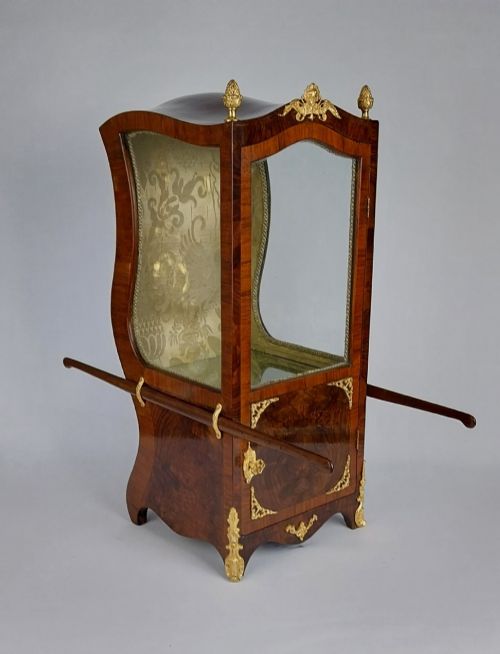


Tabletop Curio Cabinet
These tabletop curio cabinet pieces are compact display vessels designed to showcase small treasures on a surface, offering a clever way to house collections.
Tabletop Curio Cabinet
A tabletop curio cabinet serves to exhibit small collectables and curiosities within a glazed enclosure placed upon a desk, counter or table. Search results for a tabletop curio cabinet encompass miniature freestanding cases, vitrines and counter display boxes.
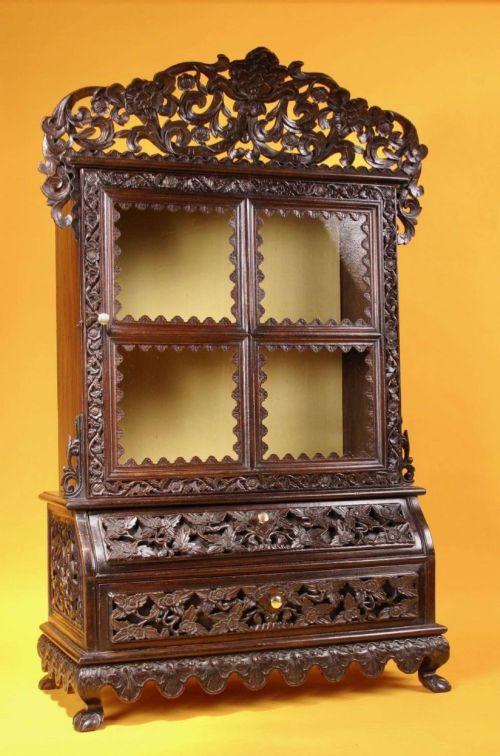
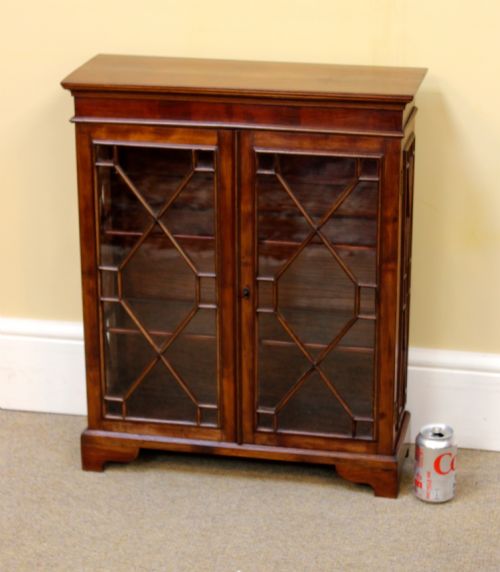
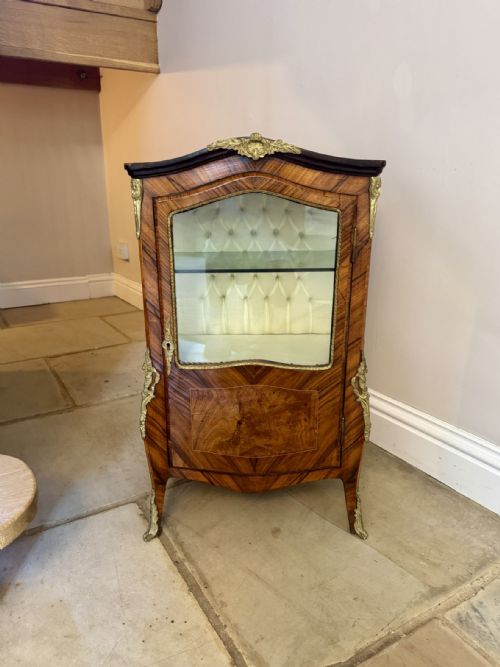
The pieces seen here span the Victorian, Edwardian and mid-century eras, utilising forms from French Louis XV style to Chinese Hongmu stands. Visitors encounter mahogany miniature cabinets and walnut vitrines most frequently when browsing this selection.
Makers and makers' marks are absent from the recorded evidence for these items, pointing instead toward workshop-built or regional cabinetmaking. The variety ranges from English mahogany cases to French kingwood pieces and apothecary display boxes.
How they were made
Construction relies primarily upon cabinet timbers such as mahogany, walnut, kingwood and satinwood, frequently paired with glazed panels to protect the interior. Brass hinges, handles and ormolu mounts provide structural reinforcement and decorative detail.
Surface finishes include polished wood, fabric-lined interiors and intricate brass work. Joinery techniques reflect the period of manufacture, from nineteenth-century Victorian standards to early twentieth-century production.
Periods represented span the Victorian and Edwardian eras alongside mid-century and nineteenth-century examples.
What varies in quality
Quality rests upon the choice of timber and veneer, such as burr walnut or kingwood, alongside the crispness of brass or ormolu mounts. Finer examples display balanced proportions and careful integration of glass panels.
The refinement of the interior lining and the precision of the door fit distinguish standard utility pieces from more ambitious cabinetmaking. Artisanal execution in the framing determines the overall visual presence of the display case.
The Tabletop Curio Cabinet Glossary
- Ormolu
- Gilded bronze mounts applied to furniture and decorative objects. This technique was widely utilised in French-influenced cabinetmaking during the nineteenth century.
- Kingwood
- A dense, richly figured wood valued for decorative veneers. It appears frequently in French cabinet pieces from the nineteenth and early twentieth centuries.
- Vitrines
- Glass-fronted display cabinets designed to exhibit small objects. They protect collections from dust while permitting all-round visibility.
- Hongmu
- A category of dense, dark Asian hardwoods used for fine furniture and display stands. It translates literally as red wood.
Tabletop Curio Cabinet: Frequently Asked Questions
What is a tabletop curio cabinet?
A tabletop curio cabinet is a miniature or counter-sized display case with glazed sides and a door, designed to sit on top of furniture rather than standing on the floor. These vessels were traditionally used to house small valuable collectables, medals or curiosities.
Today, they serve the same purpose in domestic interiors, offering a dust-free way to group small items together on a sideboard or desk. Their compact footprint allows collectors to display disparate objects without dedicating floor space to a large cabinet.
How do I date a display cabinet?
Dating a display cabinet involves examining the timber species, construction joints, glass types and decorative styles present in the piece. Victorian and Edwardian examples often employ solid mahogany or walnut with hand-cut joinery, while later pieces show twentieth-century manufacturing methods.
Stylistic cues such as Louis XV curves or Edwardian rectilinear framing also anchor the piece in a specific era. Comparing the hardware, such as brass hinges and locks, provides further clues to the period of manufacture.
Were these cabinets used in shops?
Counter-top display cabinets were frequently utilised in nineteenth and early twentieth-century retail environments to showcase small goods to customers. Apothecaries and merchants relied on glazed boxes and counter cases to protect merchandise while keeping it visible.
Domestic versions share similar forms but often feature finer decorative veneers like kingwood, burr walnut or satinwood. Both commercial and domestic varieties survive today as popular items for collectors.
How do I clean the glass and wood?
Cleaning a antique display cabinet requires gentle maintenance to protect aged timber finishes and delicate glass panels. A soft, dry cloth removes dust from the wood surfaces without disturbing the patina built up over decades.
Glass panels should be wiped with a mild cleaning solution applied to the cloth rather than sprayed directly onto the cabinet, preventing moisture from reaching the wood or fabric interior.