


Miniature Glazed Cabinet
A miniature glazed cabinet gives small collections a proper home, and you will find them in mahogany, oak, and burr walnut.
Miniature Glazed Cabinet
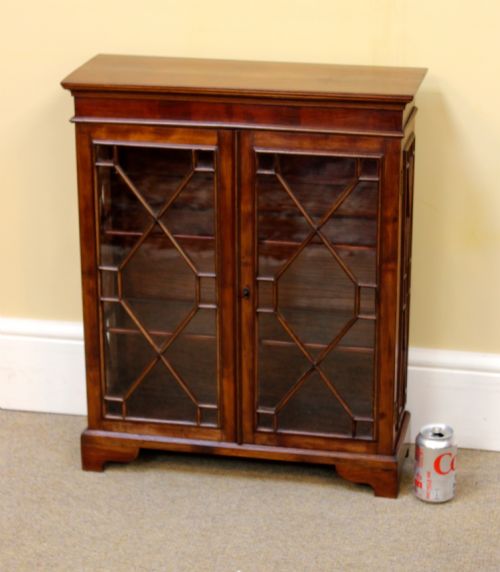
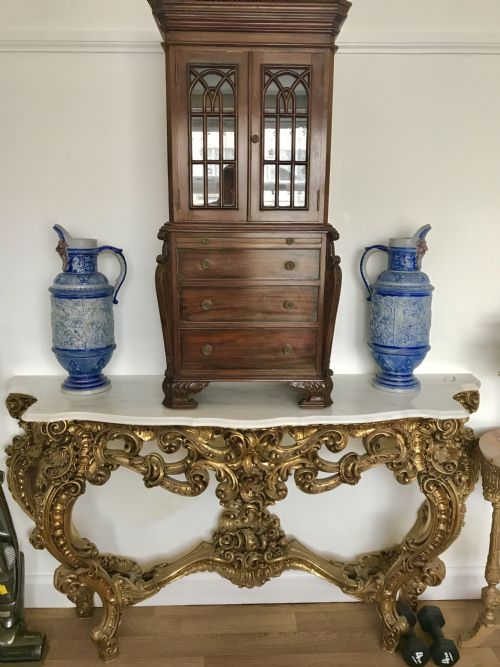
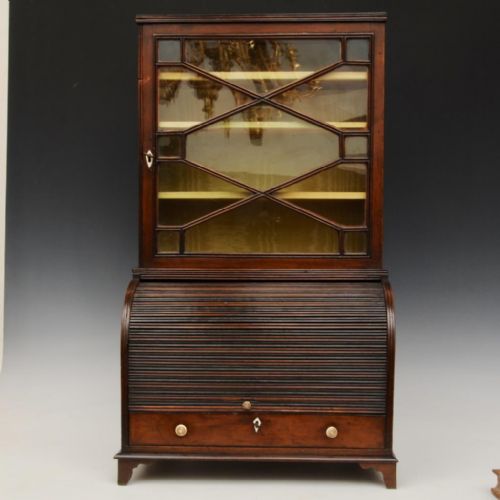
When you search for a miniature glazed cabinet, you look at small-scale display cases, table-top vitrines, and bureau bookcases designed to showcase curiosities. These pieces range from Victorian and Edwardian examples to earlier nineteenth-century forms.
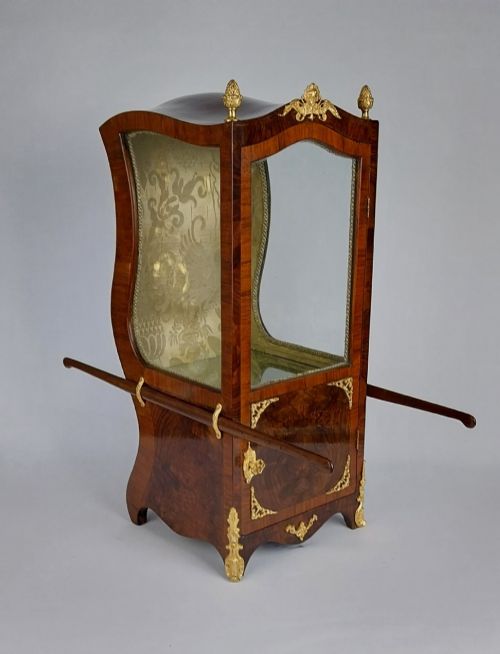
The versions you meet most often on this page are mahogany or walnut table cabinets with glass panels, alongside oak collectors' chests and satinwood vitrines. They span Georgian styles, Louis XV influences, and Arts and Crafts designs.
How they were made
Cabinetmakers constructed these pieces using dense timbers such as mahogany, oak, burr walnut, and satinwood, often applying French polish to highlight the grain. Glass forms the primary viewing panels for the doors and sides.
Metalwork played a structural and decorative role, with brass hinges, locks, and ormolu mounts fitted to secure and accent the miniature frames. Silk damask occasionally lined the interior compartments of these glazed display units.
Several cabinets come complete with tiny working keys, proving that miniatures require just as much security as full-sized furniture.
What varies in quality
The standard of timber selection and veneering sets finer pieces apart, particularly where burr walnut or satinwood is matched across small drawer fronts and doors. Crisp joinery in the miniature framing indicates skilled workmanship.
Hardware and interior detailing also distinguish the work, from original brass locks and keys to delicate silk damask linings and precise glazing bars. The retention of original surfaces without over-restoration marks a higher grade of preservation.
Chosei
The Miniature Glazed Cabinet Glossary
- Apprentice piece
- A fine miniature item made by a trainee craftsman to demonstrate mastery of joinery and proportions. These objects often duplicate full-scale furniture types.
- Vitrine
- A glass-fronted display cabinet designed specifically for showing porcelain, medals, or small valuables. The French styling frequently incorporates curved glass and ormolu mounts.
- Burr walnut
- A prized timber cut from the wart-like growths on walnut trees, yielding intricate, swirling grain patterns. Cabinetmakers used it for decorative veneer on high-end table cabinets.
- Ormolu
- Gilded bronze used for decorative mounts and feet on nineteenth-century French-influenced furniture. It adds bright metallic contrast to dark woods.
- Satinwood
- A pale, hard timber with a natural sheen, popular in Edwardian pieces for contrasting stringing and banding. It brightens small cabinet facades.
Miniature Glazed Cabinet: Frequently Asked Questions
What were miniature glazed cabinets used for?
These small cases served to protect and display delicate collections such as minerals, shells, coins, or small ivories. Owners placed them on tables or desks where curiosities could be examined closely.
They also functioned as salesman samples or demonstration pieces created by craftsmen to show clients various furniture styles on a reduced scale.
How do I date a miniature cabinet?
Dating relies on timber choices, construction methods, and prevailing decorative styles seen across the Victorian, Edwardian, and nineteenth-century periods. Mahogany and Georgian proportions point to earlier decades, while satinwood and specific brass fittings often indicate Edwardian work.
Secondary woods inside drawers and the style of the glass or hinges provide further clues to the exact manufacturing era.
Where should I place one at home?
Their compact size allows these cabinets to sit securely on top of sideboards, desks, or chest of drawers. Placing them near a light source helps illuminate the interior shelves and any objects displayed inside.
Keep them away from direct sunlight and strong heat sources to protect historic wood finishes and internal fabrics like silk damask.
Are keys usually included?
Some pieces retain their original working locks and keys, while others survive without them. A key adds utility if the cabinet door requires locking during use.
Replacement keys can sometimes be fitted by specialists if the original mechanism remains intact.