

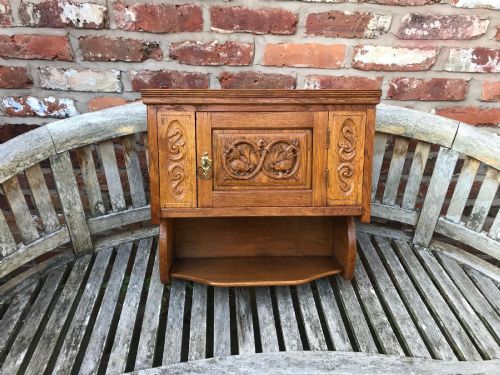

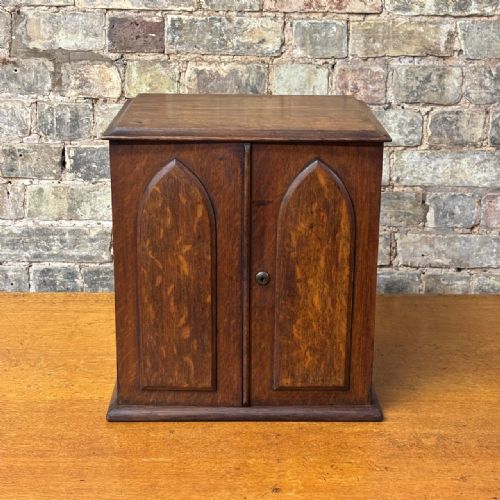


Small Carved Wall Cupboard
A small carved wall cupboard solves storage in tight spaces while adding historic character to a room.
Small Carved Wall Cupboard
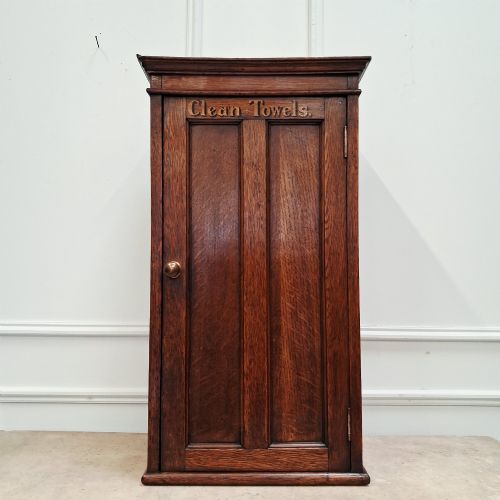
A small carved wall cupboard is a compact hanging storage piece designed to mount directly onto a wall, saving floor space in period homes. These cabinets appear primarily in solid oak, mahogany, and walnut across centuries ranging from the seventeenth through the early twentieth.
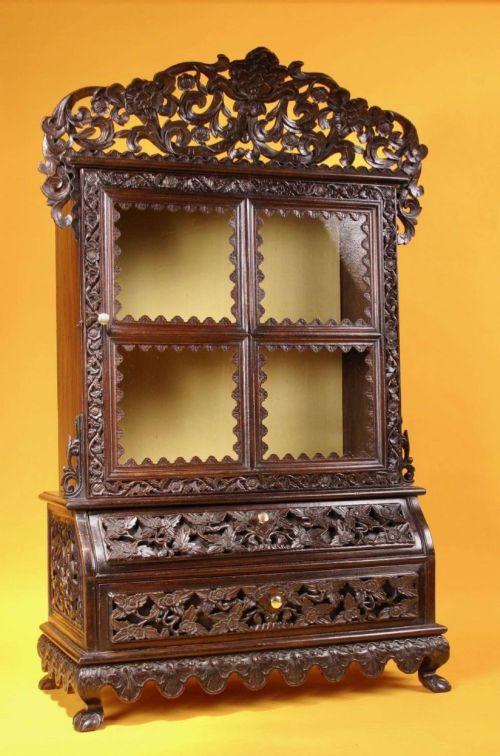
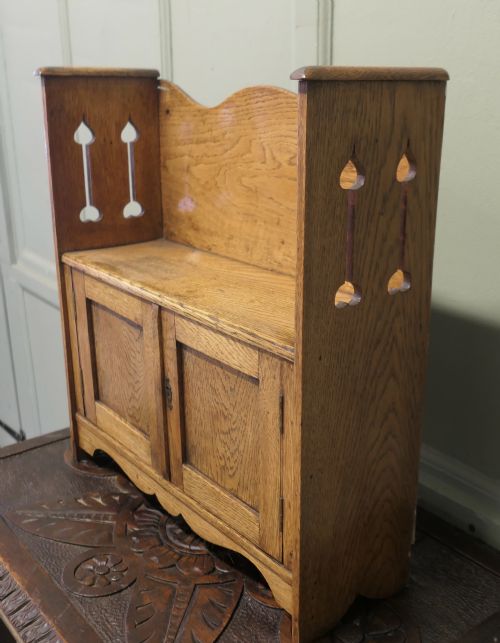
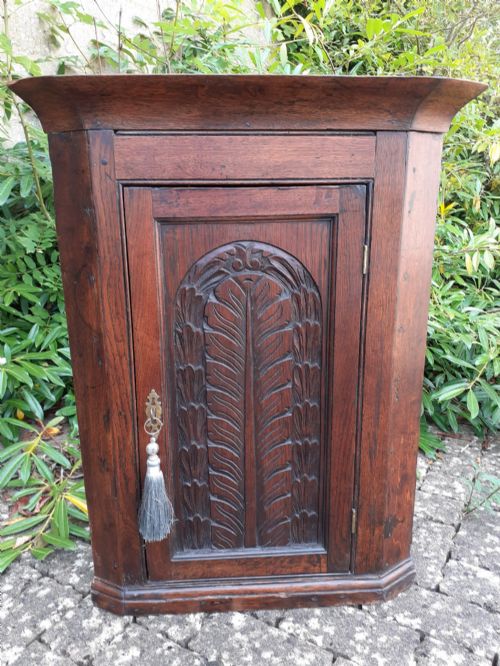
Most examples found here date from the Victorian and Edwardian eras, alongside earlier eighteenth-century styles and Arts and Crafts interpretations. Common regional variations include English oak corner cupboards, French provincial fruitwood designs, and carved hardwood Anglo-Indian cabinets.
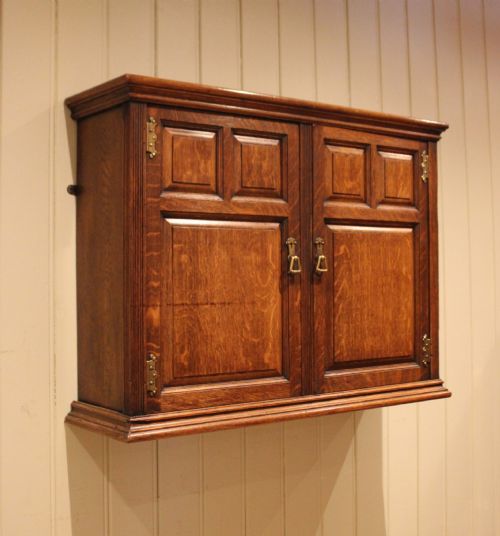
Forms span from simple single-door hanging cupboards to panelled spice cabinets, corner units, and display cabinets with glass doors. Buyers select these pieces for kitchens, hallways, and living spaces where surface area remains at a premium.
Materials and construction methods
Traditional makers built these wall cabinets using solid timbers like oak, mahogany, and walnut, often joining the carcase with dovetail corners or pegged mortise and tenon joints. Timber selection dictated the depth of carving possible, with dense hardwoods holding crisp floral, geometric, and Gothic relief details over generations.
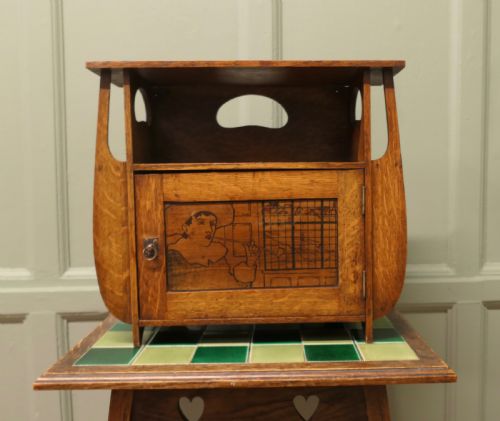
Surface decoration relies heavily on hand chiselling, pokerwork, and inlay, supplemented by brass hinges, escutcheons, and working iron locks. Glazed doors utilise wooden glazing bars, whilst simpler country pieces feature solid timber panel doors hung on iron butterfly hinges.
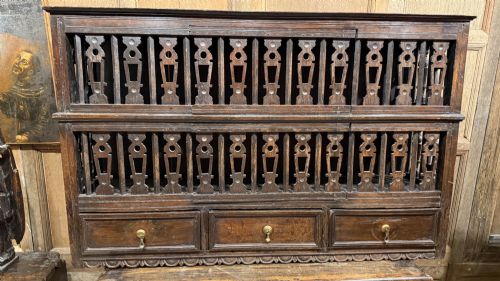
Several miniature food cupboards and spice cabinets include tiny internal drawers designed specifically for nutmeg graters and precious secret ingredients.
Measures of craftsmanship and preservation
Quality rests upon the crispness of the hand carving and the integrity of the timber selection, where dense grain and stable joints distinguish superior workshop production from simpler utility pieces. Cabinets retaining their original brass hardware, working locks, and uncompromised hanging brackets command greater attention.
The relationship between the decorative carving and the underlying structural proportion dictates overall success. Pieces where ornamentation complements rather than overpowers the architectural form demonstrate the maker's discipline.
The Small Carved Wall Cupboard Glossary
- Carcase
- The main structural body or shell of a cabinet without doors or fittings. This wooden framework supports internal shelves and hanging fixings.
- Escutcheon
- A protective metal plate surrounding a keyhole, usually fashioned from brass. It prevents the timber around the lock from splitting through repeated use.
- Pokerwork
- A decorative technique using heated metal tools to burn designs into the timber surface. This process creates dark, contrasting linear patterns popular during the Arts and Crafts movement.
- Cornice
- The ornamental moulding running around the top edge of a cabinet. It crowns the structure and provides a finished architectural transition to the ceiling.
- Dovetail
- A joint formed by interlocking wedge-shaped fingers of wood. Cabinetmakers utilise this method at drawer corners and carcase joints for high tensile strength.
Small Carved Wall Cupboard: Frequently Asked Questions
How do I hang a heavy oak wall cupboard safely?
These cabinets require secure fixing directly into wall studs or masonry using appropriate heavy-duty brackets rather than standard plasterboard fixings. Professional installation ensures the structure bears the weight of the timber safely.
Check that the internal backboards and hanging cleats remain completely sound before mounting any antique cabinet to the wall.
Are these cupboards suitable for modern kitchens?
A small carved wall cupboard provides practical storage for spices, glassware, or dry goods in compact kitchen spaces. Their shallow depth keeps walkways clear while adding period texture.
Keep antique timber away from direct heat sources and excessive moisture to prevent warping of the doors and panels.
How do I date an antique wooden wall cabinet?
Dating relies on examining the timber species, tool marks left by saws and chisels, and the style of the carving. Eighteenth-century pieces often display hand-sawn board marks and pegged joinery.
Later Victorian and Edwardian examples utilise machine-sawn timber, standardised hardware, and revival design motifs that reflect historical periods.