




19th Century Cachepot
When you search for a 19th century cachepot, you are looking at decorative plant containers designed to hold potted flowers inside the home.
19th Century Cachepot
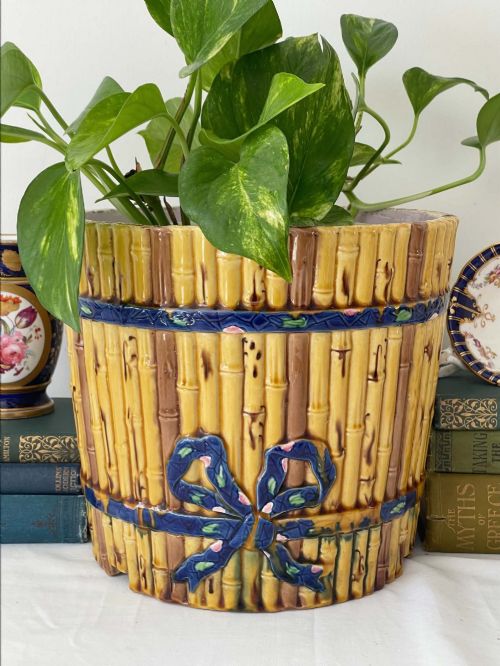
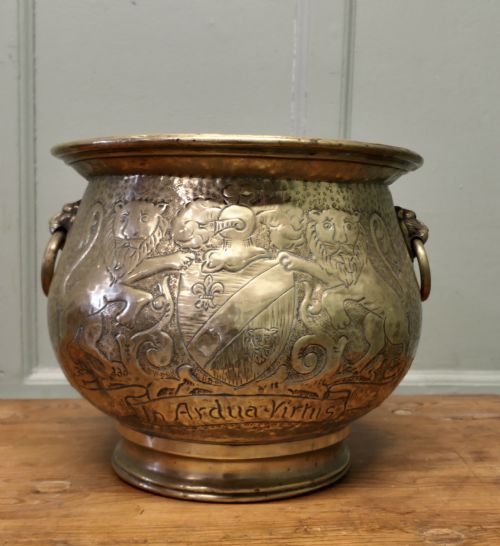
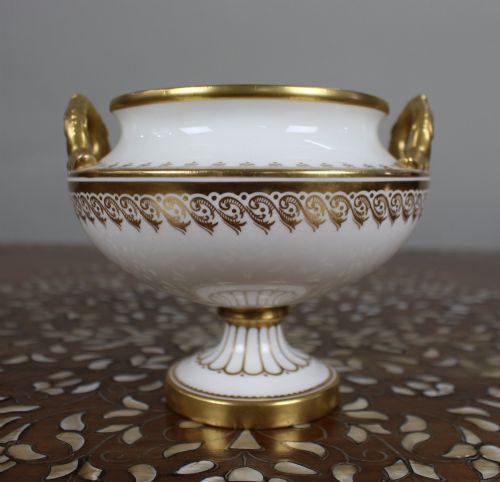
A 19th century cachepot serves primarily as a decorative outer vessel to conceal plain flower pots within domestic interiors. These pieces appear across various forms, including traditional planters, jardinieres, and two-handled porcelain urns.
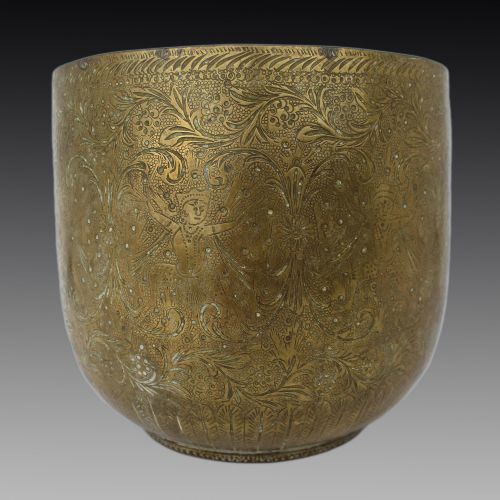
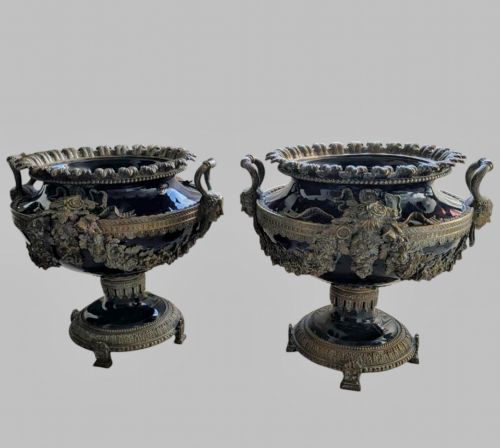
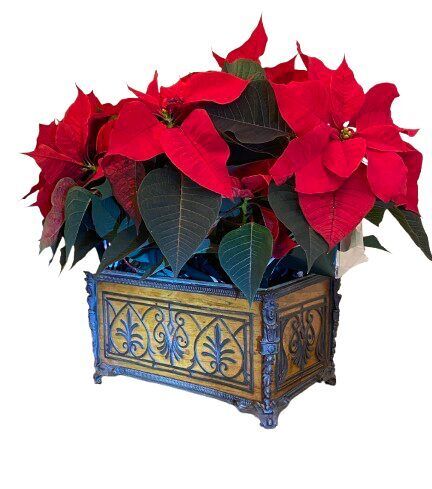
The materials span from heavy cast and hand-engraved brass to delicate painted porcelain, earthenware, and carved woods such as olive wood, kingwood, mahogany, and walnut. Many examples reflect the stylistic influences of the Victorian era, Gothic Revival, Rococo Revival, and Japanese Imari.
Originating from English, French, Dutch, Chinese, and Japanese workshops, these vessels range from modest desk pots to large floor-standing planters and bronze bowls.
Materials and construction
Metal vessels such as brass, copper, and bronze were shaped through casting, hammering, and hand-engraving, sometimes incorporating cloisonné enamel or bronze mounts. Wood examples utilised coopered construction in pine, mahogany, and walnut, frequently paired with metal liners or giltwood detailing.
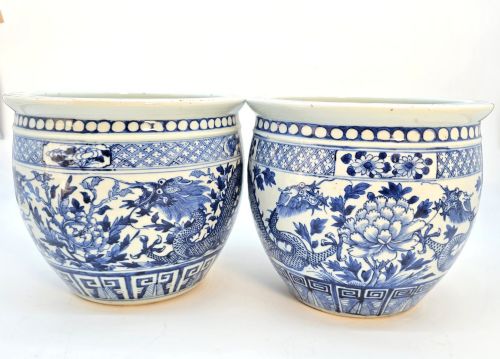
Ceramic pieces rely on earthenware, majolica, and porcelain bodies, decorated with hand-painting, white and gold glazes, or intricate blue and white patterns. Craftspeople applied gilding, gold leaf, and enamel finishes to heighten the decorative appeal of both metal and ceramic forms.
The selection includes regional styles spanning English, French, Dutch, Chinese, Japanese, and Anglo-Indian design traditions.
Distinguishing quality
The calibre of a piece rests heavily on the crispness of its hand-engraving, the depth of its bronze mounts, and the intricacy of its painted ceramic glazes. Superior items display careful attention to detail in their structural joinery, such as precise coopered wooden staves or cleanly cast metal seams.
Provenance and maker attribution elevate certain works, particularly those bearing factory marks from established porcelain works or documented regional styles. The integration of original components, such as matching stands or liners, further distinguishes finer examples from standard decorative wares.
Minton·Barr Flight And Barr·Kister Scheibe Alsbach·Royal Worcester·Samson
The 19th Century Cachepot Glossary
- Cachepot
- A decorative container designed to hold a flower pot and catch water runoff. The French term translates literally to hide pot.
- Jardiniere
- A large ornamental pot or stand for plants or flowers. These items often feature handles or decorative feet.
- Majolica
- A type of earthenware glazed with opaque tin oxide and painted with brightly coloured metallic oxide colours. It was widely utilised by 19th century makers.
- Cloisonne
- An ancient technique for decorating metalwork objects with coloured material held in place by thin metal strips. The method appears on various 19th century bronze and enamel vessels.
- Imari
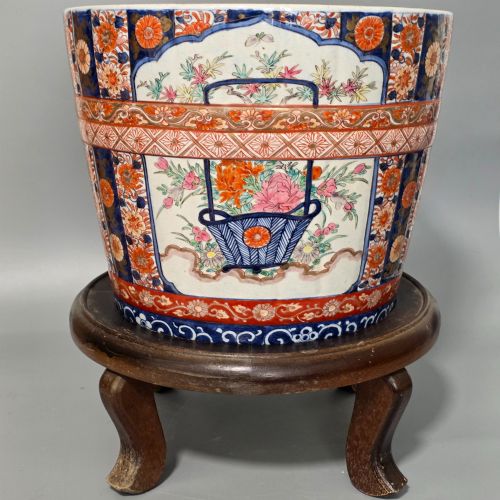
- A style of Japanese porcelain decorated in underglaze blue and overglaze red, gold, and green. European makers frequently copied these distinct aesthetic patterns.
19th Century Cachepot: Frequently Asked Questions
What is a 19th century cachepot used for?
These decorative vessels were primarily manufactured to hold potted indoor plants and flowers, concealing standard earthenware pots from view.
In period interiors, they sat upon tables, mantelpieces, or dedicated stands to bring botanical elements into formal living spaces.
How do I care for an antique cachepot?
Protect delicate surfaces by placing a waterproof liner inside the vessel before introducing any damp soil or live plants.
Dust wooden and gilt surfaces gently with a dry cloth, and avoid using harsh chemical polishes on aged brass and bronze patinas.
How can I tell different ceramic styles apart?
Examine the glaze and application of colour, noting whether the piece employs tin-glazed majolica earthenware or hard-paste porcelain.
Japanese Imari pieces display characteristic blue, red, and gold palettes, whereas European factories like Minton or Worcester often utilised distinct moulded floral and rockwork motifs.