





Floral Cloisonne Pot
These floral cloisonne pot pieces are vibrant works of metal and enamel craftsmanship that bring rich colour and texture to any interior.
Floral Cloisonne Pot
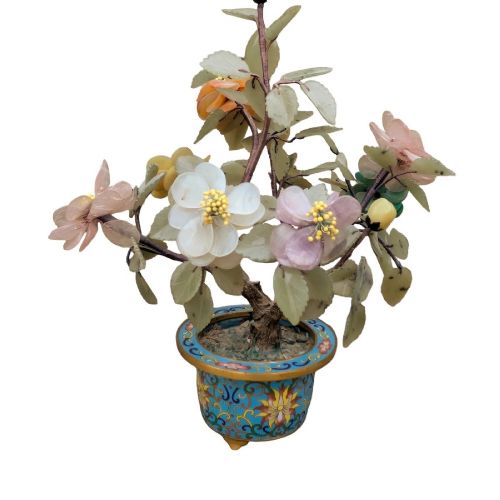
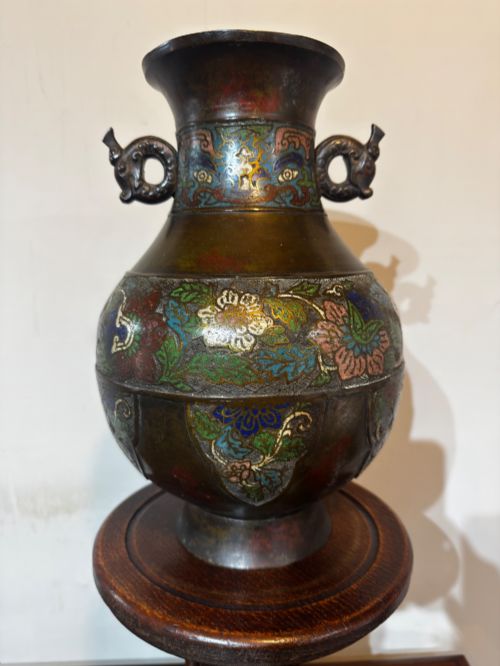
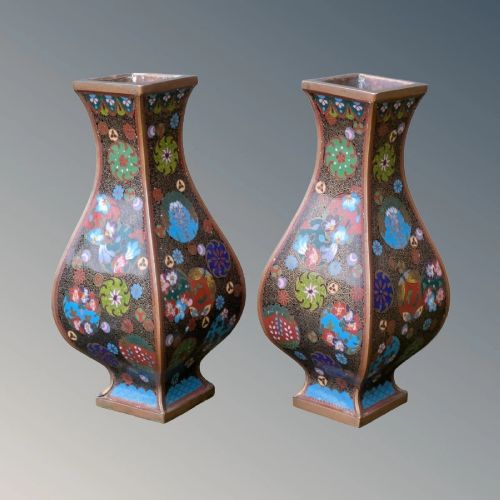
A floral cloisonne pot brings together fine metalwork and coloured enamel to create decorative jars, vases, and jardiniere vessels. When searching for a floral cloisonne pot, collectors encounter works originating from Chinese Qing and Japanese Meiji traditions.
How they were made
Makers formed the body of each vessel using copper, brass, or bronze as a sturdy foundation for the decorative surface. Thin metal wires were soldered onto the metal base to outline intricate floral and decorative cell patterns.
Craftspeople then filled these wire compartments, known as cloisons, with enamel paste before firing and polishing the surface to a smooth finish. Selected pieces incorporate carved hardstone, jade, or quartz elements to complement the vibrant enamel work.
Floral Cloisonne Pot Retail Price Guide 2026
Typical asking prices for floral cloisonne pot among the pieces listed under this phrase on Sellingantiques today, from the lower quarter to the upper quarter. They describe what is for sale here now, not the wider market.
Materials across the listings include copper, brass, bronze, hardstone, jade, quartz, and traditional enamel.
What varies in quality
The refinement of the wirework dictates much of the visual success, with finer lines creating sharper and more complex floral motifs. Precision in the enamel application and smoothness of the final polish distinguish the more accomplished vessels from simpler production.
The integration of supplementary materials, such as bronze mounts or carved hardstone additions, elevates the ambition of the piece. Consistency in the firing and the richness of the palette separate standard decorative wares from exceptional examples.
The Floral Cloisonne Pot Glossary
- Cloisonne
- An enamelling technique where metal wire is soldered to a metal base to create compartments for coloured paste. These filled cells are then fired and polished.
- Champleve
- A method where troughs or cells are carved directly into the metal surface to hold enamel before firing. This technique creates robust patterns distinct from soldered wire.
- Jardiniere
- A large decorative pot or stand designed to hold growing plants or floral arrangements. They frequently appear in bronze or enamel finishes.
- Meiji
- A Japanese historical period noted for exceptional metalwork and decorative arts produced for export. Works from this era display meticulous attention to detail.
Floral Cloisonne Pot: Frequently Asked Questions
How do I clean enamel vessels?
Dust gently with a soft, dry cloth to protect the polished metal and delicate enamel surface.
Avoid using water, chemical cleaners, or abrasive materials that can scratch the metal wires or dull the vitreous finish.
Are these items waterproof?
Many traditional vessels were created purely for display rather than holding water directly.
Utilise a small inner container if placing fresh flowers inside a jardiniere or vase to protect the historic metal base.
How do I date an enamel pot?
Examine the base metal, wire thickness, and overall design style for clues regarding origin.
Nineteenth-century pieces often display heavier copper foundations and more organic colour palettes compared to later twentieth-century manufacturing.
Where should I display my vessel?
Place the piece in a stable location away from direct sunlight to preserve the richness of the enamel colours.
Ensure it sits securely on a level surface where the intricate wirework and form can be appreciated close up.