
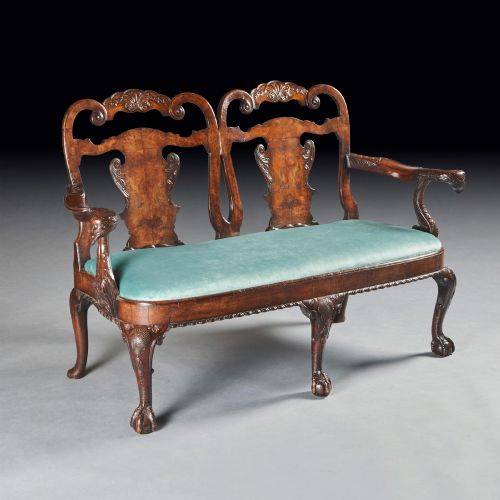
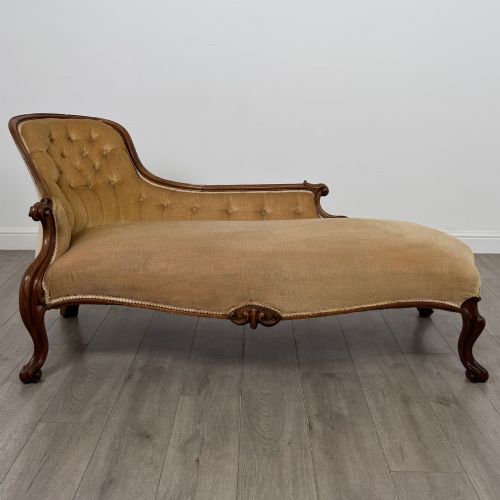
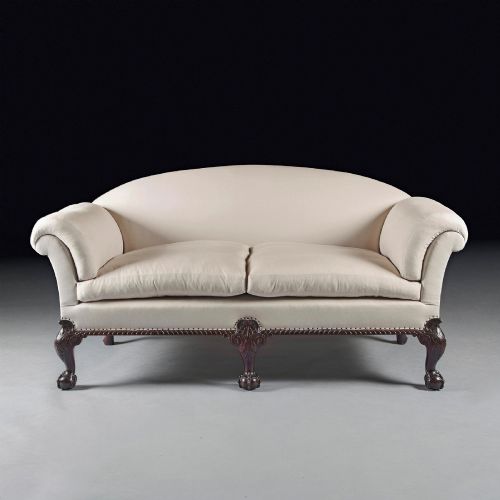
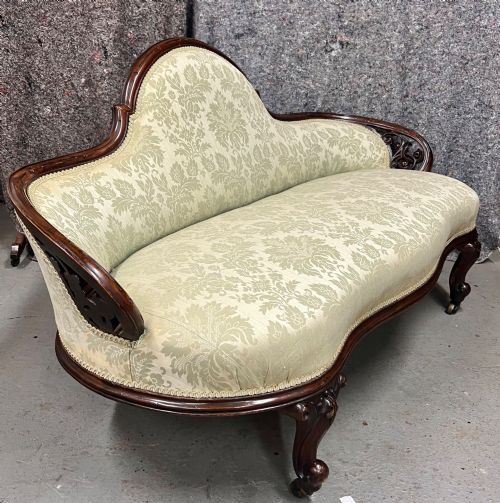
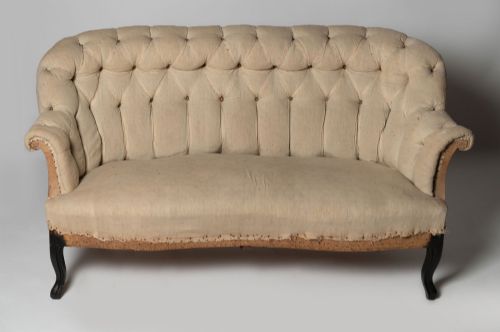
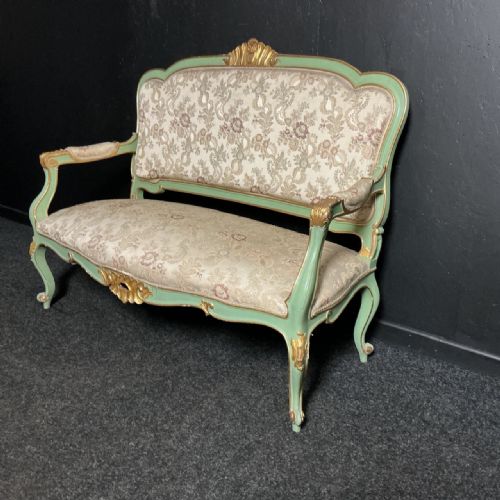


19th Century Cabriole Sofa
These 19th century cabriole sofa options bring period seating into a room, offering carved wooden frames and historic revival forms.
19th Century Cabriole Sofa
A 19th century cabriole sofa is a historic seating form defined by its characteristic curved legs and revival styles. When searching for a 19th century cabriole sofa, buyers encounter pieces spanning the Victorian era through the late nineteenth century, reflecting George II, Rococo, and Louis XV revivals.
The selections available here range from walnut twin chair back settees and mahogany chaise longues to upholstered country house models. Walnut and mahogany frame woods dominate the offerings alongside various revival aesthetics.
Buyers will also find related seating such as French canapés and brown leather settees matching the overarching 19th century cabriole sofa category.
How they were made
Makers of the period utilised solid hardwoods including mahogany, walnut, and rosewood for the structural frames, shaping them with hand-carved details. These timbers provided the strength required for the distinctive curved legs.
Upholstery methods relied on traditional stuffing covered in fabrics such as velvet, damask, calico, or hand-dyed leather. Frames were often finished with brass castors or left as polished wood depending on the regional workshop tradition.
Listings feature woods such as walnut, mahogany, rosewood, and burr walnut paired with velvet, damask, calico, and leather upholstery.
What varies in quality
The calibre of a piece depends heavily on the depth and crispness of the wood carving along the frame and legs. Superior examples display fluent hand-carved lines rather than mechanical uniformity.
Upholstery execution and the choice of covering material, from plain calico to patterned damask or hand-dyed leather, dictate the finish and historical integrity of the piece.
Howard and Sons·W. Turner Lord and Co·Butlers of Dublin·Morison and Co
The 19th Century Cabriole Sofa Glossary
- Cabriole leg
- A furniture leg that curves out and then in, mimicking an animal's limb. This form appears frequently on period seating and tables.
- Canapé
- An ornamental French upholstered sofa or settee. These pieces often feature exposed wooden frames and carved details.
- Chaise longue
- An upholstered sofa shaped like a chair with a long seat for reclining. Nineteenth-century versions frequently utilise mahogany or walnut frames.
- Rococo Revival
- A nineteenth-century design movement inspired by mid-eighteenth-century French styles. It is characterised by asymmetrical scrollwork and floral motifs.
19th Century Cabriole Sofa: Frequently Asked Questions
How do I identify a revival style?
Revival styles draw on decorative elements from earlier centuries such as the Georgian or Louis XV periods. Look at the specific curve of the woodwork and the floral or scroll motifs applied to the frame.
Comparing these details against known nineteenth-century design books helps clarify whether a piece follows a George II or Rococo pattern.
What is the difference between a sofa and a settee?
In historical listings, the terms sofa and settee often describe upholstered multi-seat furniture interchangeably. Settees sometimes indicate a more formal or twin-chair back design.
Both forms served as principal seating in nineteenth-century drawing rooms and country houses.
Are these seats suitable for daily use?
Nineteenth-century seating was built using robust hardwoods like mahogany and walnut to endure generations of use. Many pieces retain sturdy frames that support modern living when maintained properly.
Consider the condition of the internal webbing and upholstery stuffing before heavy daily sitting.
How do I care for leather upholstery?
Hand-dyed leather requires gentle cleaning and occasional conditioning to maintain its suppleness. Avoid placing leather pieces in direct sunlight to prevent drying.
Regular dusting keeps the surface clear of abrasive particles.