

19th Century Bronze Centerpiece
When you want a 19th century bronze centerpiece, you are looking at heavy cast metal vessels and stands designed to anchor a dining table or console.
19th Century Bronze Centerpiece
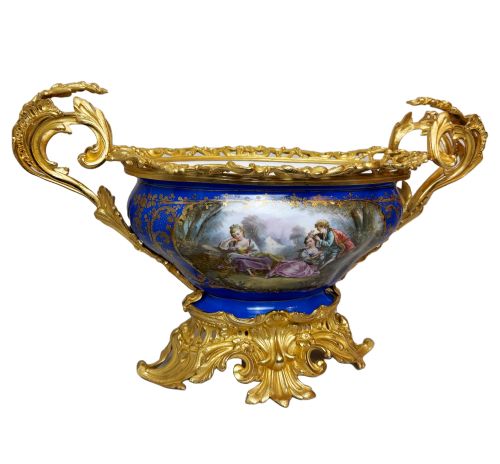
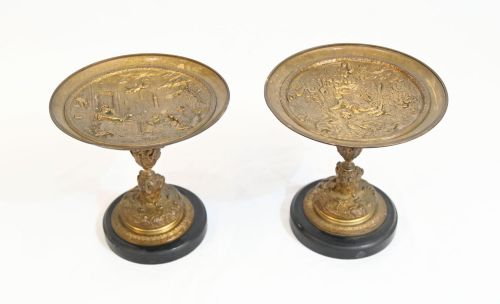
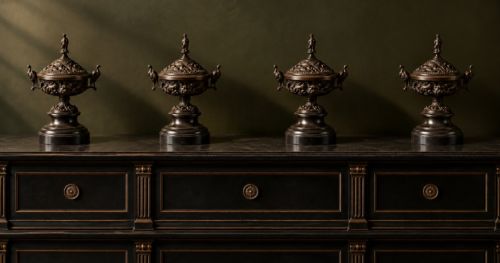
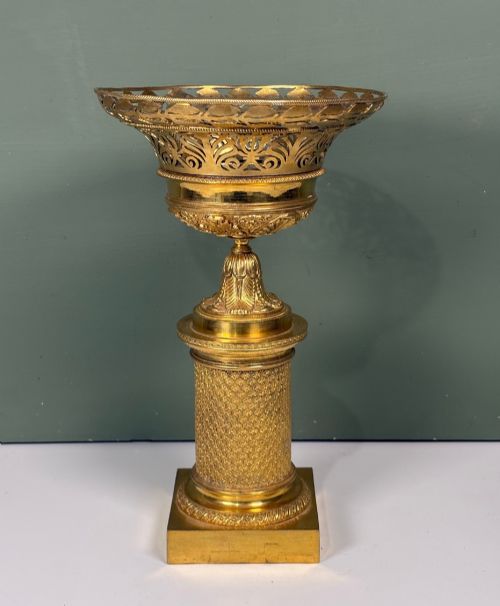
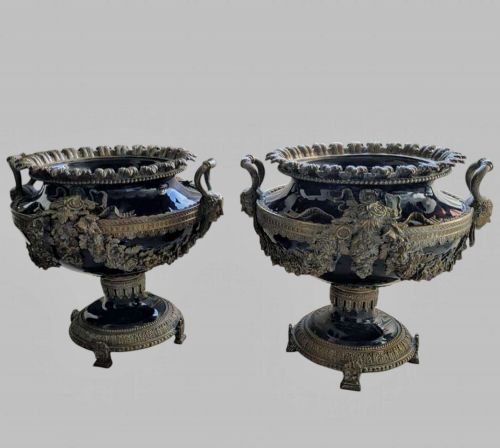
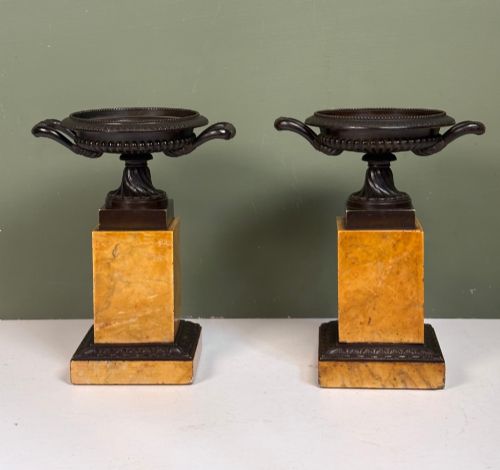
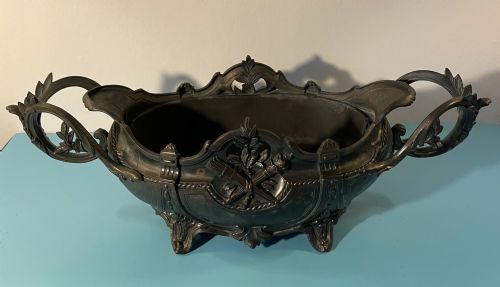
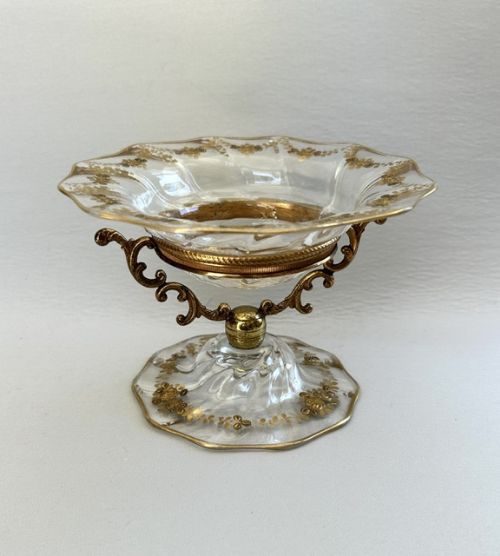
A 19th century bronze centerpiece typically takes the form of a tazza, a decorative bowl, an urn, or a jardinire designed to hold fruit or flowers in the middle of a room. On this page, you will frequently encounter French examples from periods spanning the 1850s to the turn of the century.
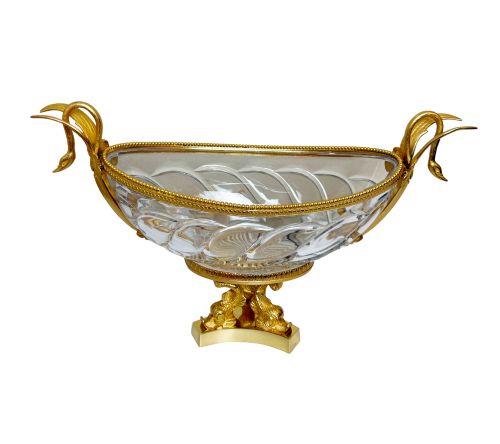
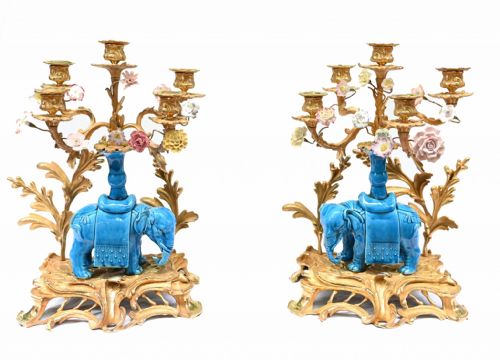
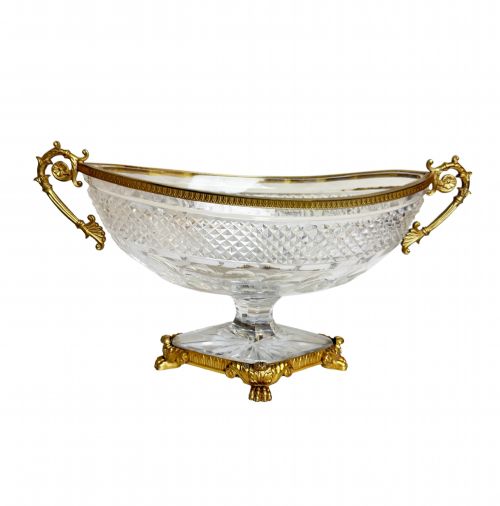
Makers and manufacturers of the era drew heavily on classical vocabularies, producing pieces styled in French Rococo Revival, Empire, and Neoclassical modes. Many incorporate secondary materials like marble bases, crystal bowls, and porcelain components.
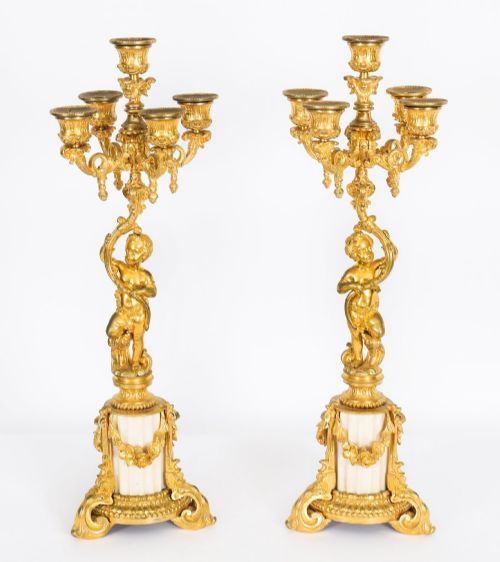
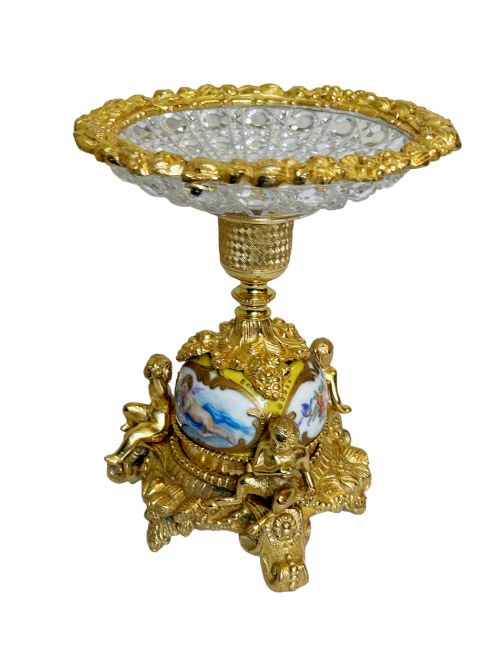
The objects serve primarily as decorative focal points rather than utilitarian tableware. Their forms often integrate sculptural figures such as cherubs or putti supporting the main vessel.
Materials and Working Methods
Foundries created the metal framework using traditional sand casting methods for bronze, patinated bronze, and ormolu. Artisans then chased the surfaces by hand to sharpen details before applying fire gilding or chemical patination.
Glasscutters and ceramicists supplied the inset bowls, comports, and vases that sit within the metal mounts. Stoneworkers shaped and polished the marble and onyx plinths that anchor the heavier designs.
19th Century Bronze Centerpiece Retail Price Guide 2026
Typical asking prices for 19th century bronze centerpiece among the pieces listed under this phrase on Sellingantiques today, from the lower quarter to the upper quarter. They describe what is for sale here now, not the wider market.
Listings feature items dated from 1800 to 1900, incorporating gilt bronze, patinated bronze, ormolu, marble, porcelain, enamel, and onyx.
The Indicators of Quality
The crispness of the chasing separates standard foundry work from exceptional production. Superior pieces retain sharp details in hair, drapery, and foliage without softer patches from worn moulds.
Weight and structural integration indicate grade. High-quality examples use thick gauge bronze and heavy marble or crystal components that fit precisely together without excessive solder or visible joins.
Jules Moigniez·Pierre Philippe Thomire
The 19th Century Bronze Centerpiece Glossary
- Ormolu
- Gilded bronze produced by applying a mercury and gold amalgam to the metal surface and heating it. This technique creates a durable golden finish common on French decorative arts.
- Tazza
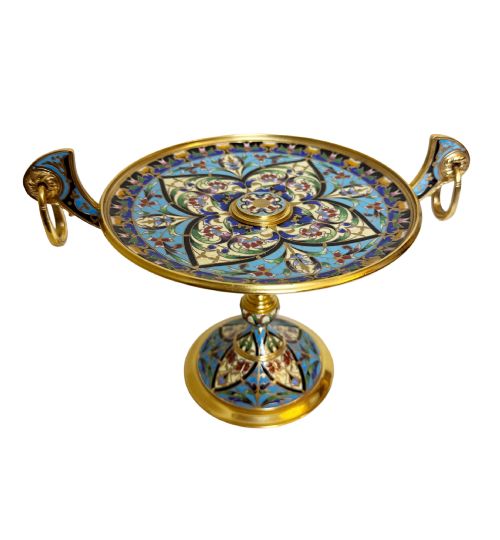
- A shallow saucer-shaped vessel raised on a stem and foot. These pieces often sit centrally on dining tables.
- Champlevé
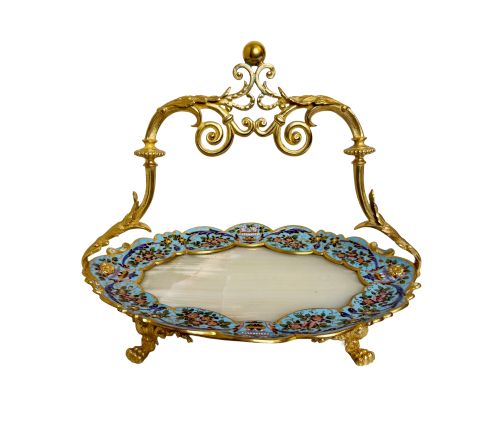
- An enamelling technique where troughs are dug into the metal surface and filled with coloured glass paste before firing. It appears frequently on later 19th-century mounts.
- Jardinire
- A decorative ornamental receptacle designed to hold plants or cut flowers. They often match the materials of surrounding table ornaments.
- Grand Tour
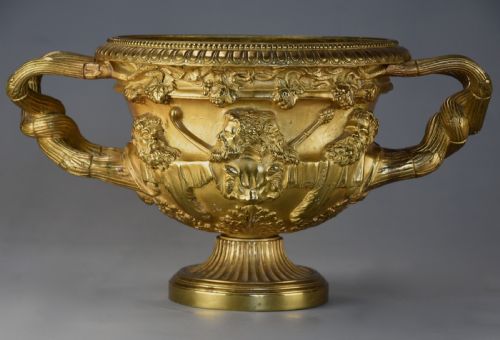
- The nineteenth-century practice of young travellers collecting classical antiquities and reductions of famous monuments. Bronze reductions of pieces like the Warwick Vase stem from this tradition.
19th Century Bronze Centerpiece: Frequently Asked Questions
What was a 19th century bronze centerpiece used for?
These pieces sat at the centre of dining tables during formal meals, often holding fruit, flowers, or sweetmeats.
They also functioned as permanent decorative ornaments on sideboards, mantelpieces, and entrance hall consoles when not in dining use.
How can I tell a French centerpiece from an English one?
French pieces from this era frequently employ heavier gilding, more sculptural cast figures like putti, and Sevres porcelain or crystal inserts.
English equivalents often lean towards simpler Regency or Victorian outlines with less elaborate surface ornamentation.
What is the difference between bronze and ormolu?
Bronze is an alloy of copper and tin used for the structural cast body of the object.
Ormolu is the historical term specifically describing the gold-gilded application placed over the bronze surface.