



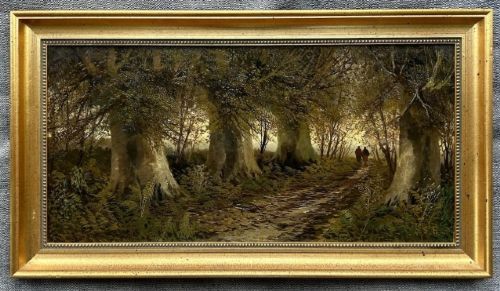
19th Century British Landscape
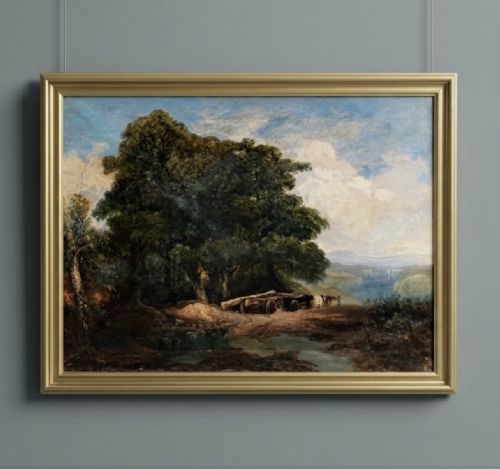
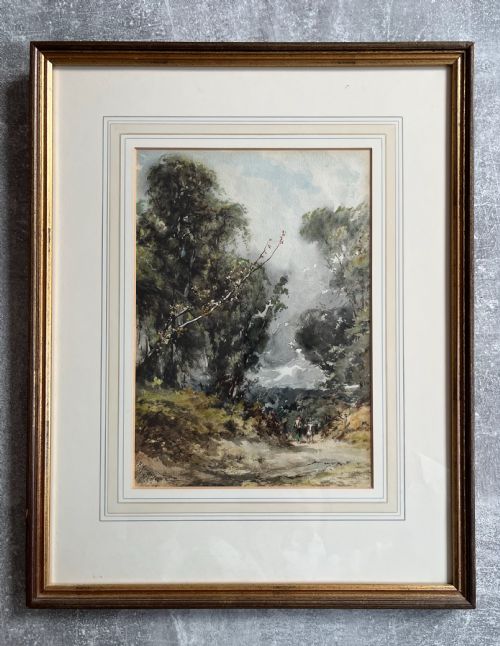
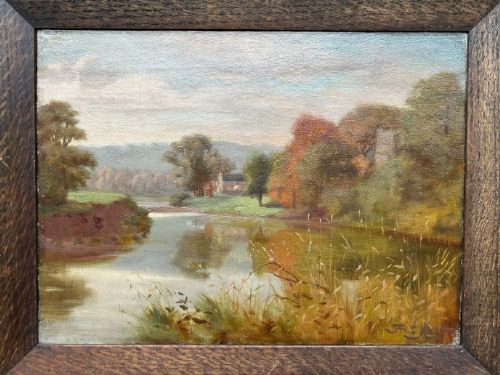
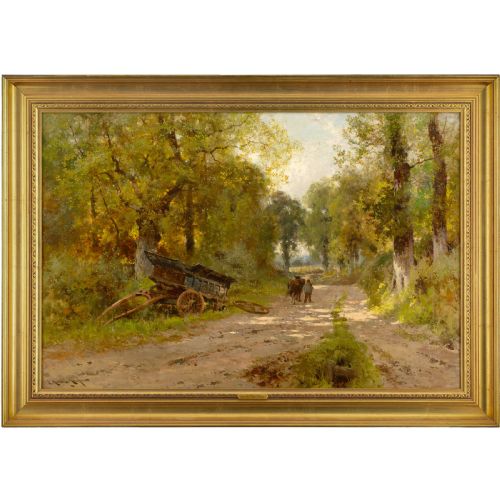
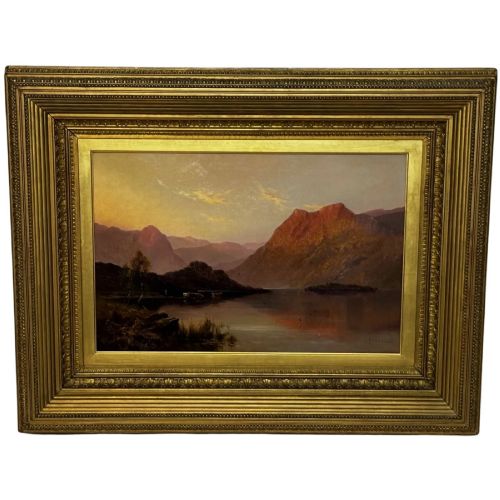
A 19th century british landscape captures the topography and rural life of the British Isles through oil and watercolour.
19th Century British Landscape
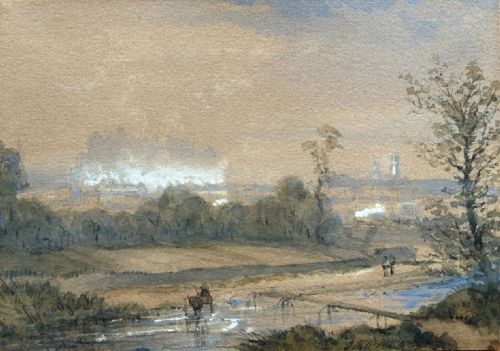
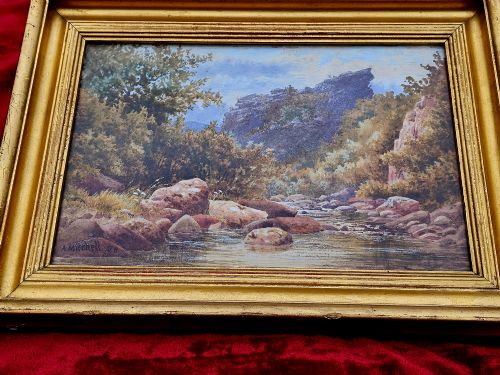
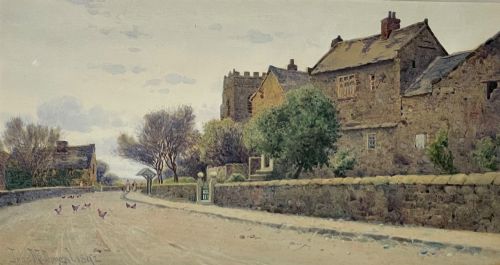
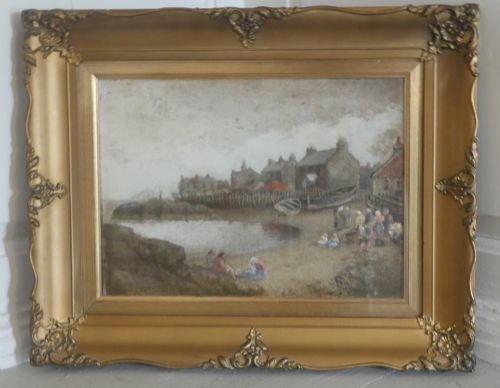
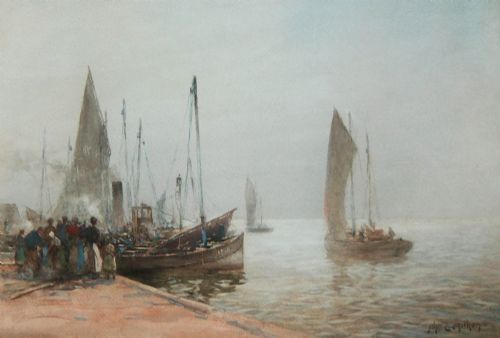
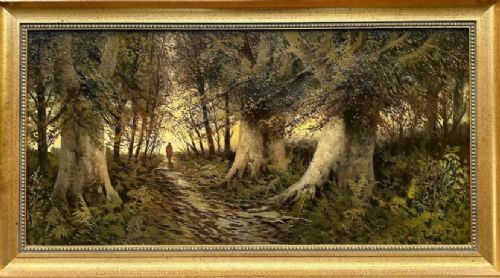
A 19th century british landscape records topographical views, coastal scenes, and pastoral countrysides across England, Wales, and Scotland.
The selections span oil paintings on canvas or board and watercolour paintings on paper from various decades of the period.
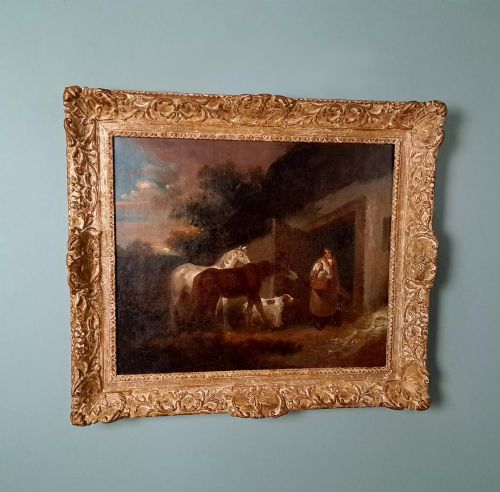
Common subjects include rivers, mountains, castles, cottages, and agricultural fields populated by figures or livestock.
How They Were Made
Artists employed oil paint or watercolour applied to canvas, wood panel, board, or paper supports.
Many finished works sit within decorative giltwood and gesso frames incorporating moulded plaster details.
19th Century British Landscape Retail Price Guide 2026
Typical asking prices for 19th century british landscape among the pieces listed under this phrase on Sellingantiques today, from the lower quarter to the upper quarter. They describe what is for sale here now, not the wider market.
Listings include works from the 19th Century, Edwardian era, and 1920, executed in oil and watercolour on canvas, panel, and paper.
What Varies in Quality
Execution depends upon the artist's brushwork control, atmospheric lighting effects, and compositional balance.
Frame craftsmanship differs from simple mouldings to elaborately decorated giltwood and gesso constructions.
Alfred Fontville de Breanski Jr·Benjamin Williams Leader RA·Thomas Spinks·Alfred de Breanski·Arthur Walker Redgate·Frederick Golden Short·John Duvall·Anthony Graham·George Jones RA·Paul Sandby Munn·Thomas Henry Hunn·Laurence George Bomford·John Syer·David Cox Senior·H P Ditmas·Margaret Bernard·William Collingwood Smith RI·R Thomas·Max Ludby·Edward Davies RI·Peace Sykes·William H Harriott·Robert Watson·William Greaves·William L Leitch
The 19th Century British Landscape Glossary
- Oil on Canvas
- Pigment mixed with drying oil applied to a stretched woven fabric support. This method allows for rich colour blending and textured brushwork.
- Giltwood
- Timber carved and coated with a thin layer of gold leaf. It frequently forms the decorative surrounds for period oil paintings.
- Gisaille
- A painting executed entirely in shades of grey or neutral monochrome. This technique often served as a preparatory study or a finished tonal work.
- Gesso
- A paint mixture consisting of a binder mixed with chalk, gypsum, or pigment. It provides a smooth surface on wooden frames before gilding.
19th Century British Landscape: Frequently Asked Questions
What subjects appear in these paintings?
The artworks depict rivers, lakes, mountains, castles, and rural villages across Britain. Scenes frequently include farmworkers, cattle, sheep, and boats.
Coastal views, cottages, and wooded landscapes also feature prominently throughout the selection.
How do oil and watercolour works differ?
Oil paintings utilise pigmented oils on canvas, wood panels, or boards, creating heavier textures and rich colour depths. Watercolours employ pigment on paper supports, offering lighter transparencies.
Both mediums document British topography and rural life from the period.
Are the paintings usually framed?
Many pieces retain their original or period-appropriate frames constructed from timber with giltwood surfaces. These often incorporate gesso mouldings and decorative plasterwork.
Frames complement the visual style of the landscape contained within.
How are different decades identified?
Dates rely upon direct artist signatures, inscriptions, exhibition labels, and stylistic conventions associated with specific decades. Historical records trace the working lives of identified painters.
Anonymous works find attribution through comparative stylistic analysis.