

19th Century British Fine Art
19th century british fine art captures the shifting landscapes, domestic scenes and formal portraits produced across the Victorian era and the preceding decades.
19th Century British Fine Art
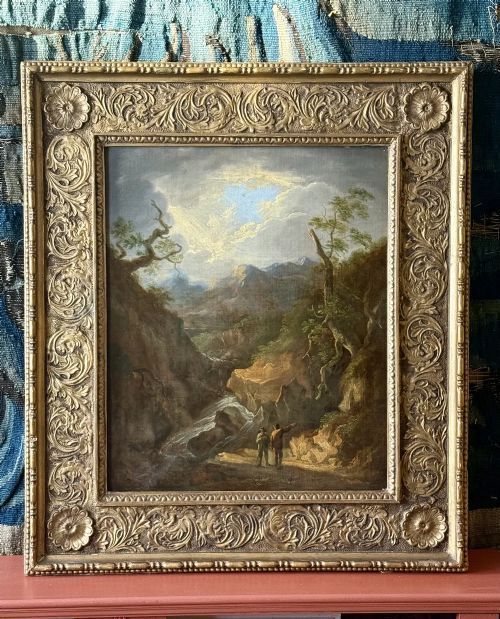
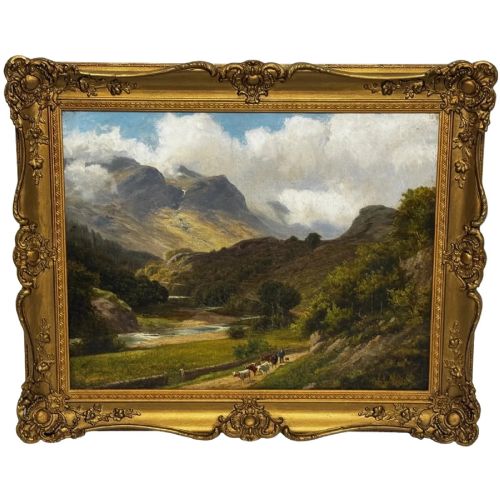
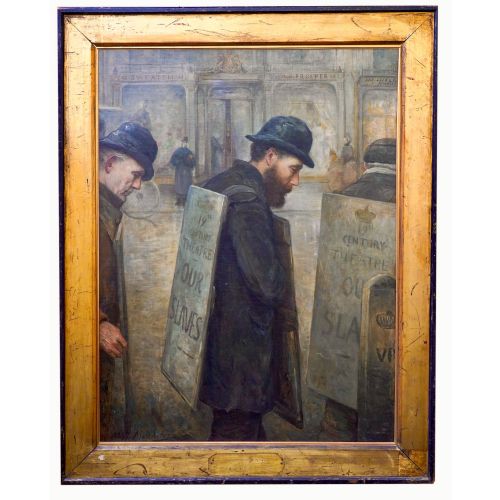
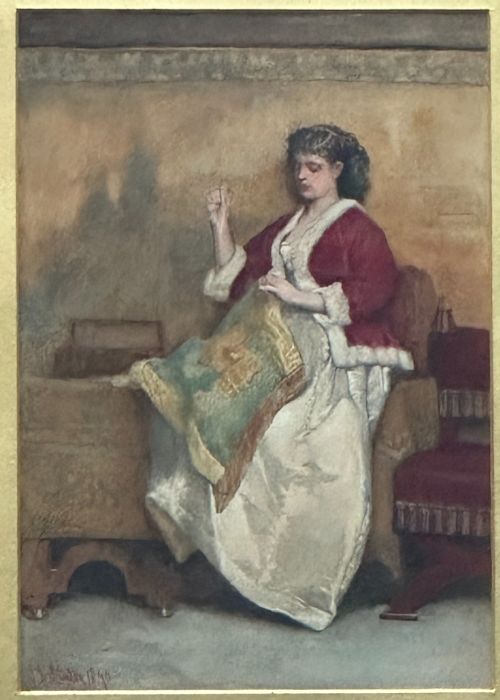
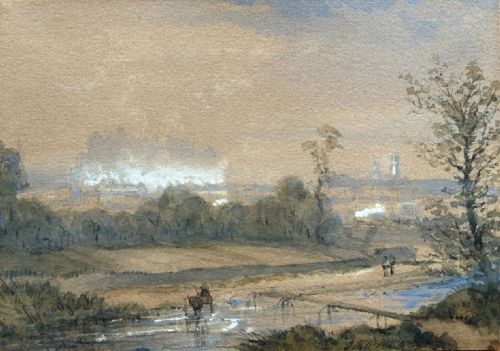
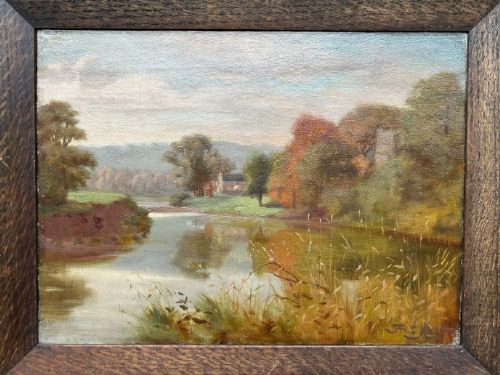
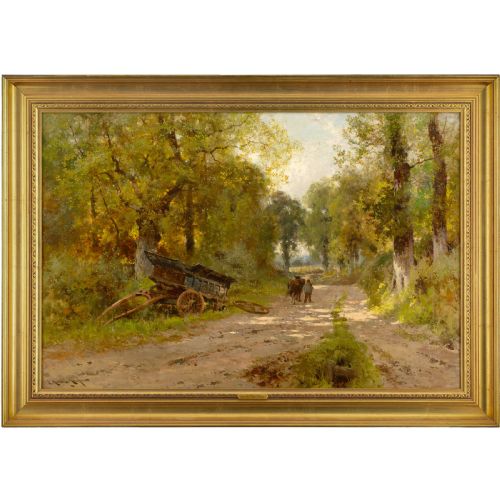
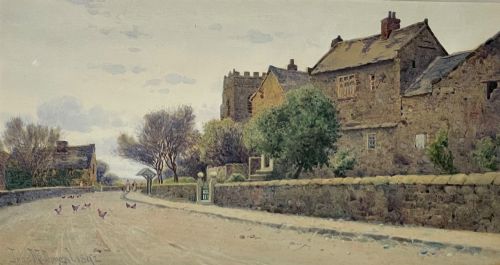
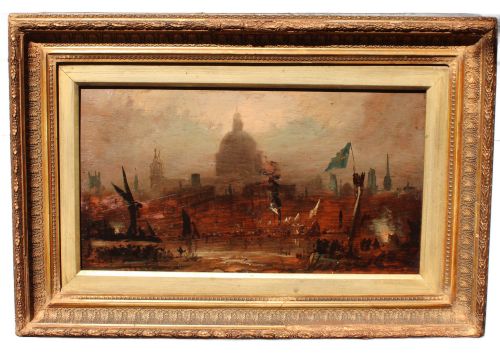
When you examine 19th century british fine art, you encounter a broad range of oil paintings, watercolours and oil studies produced between 1800 and the dawn of the twentieth century. The selection leans heavily towards Victorian canvases depicting rural landscapes, river views and intimate genre scenes of cottage life.
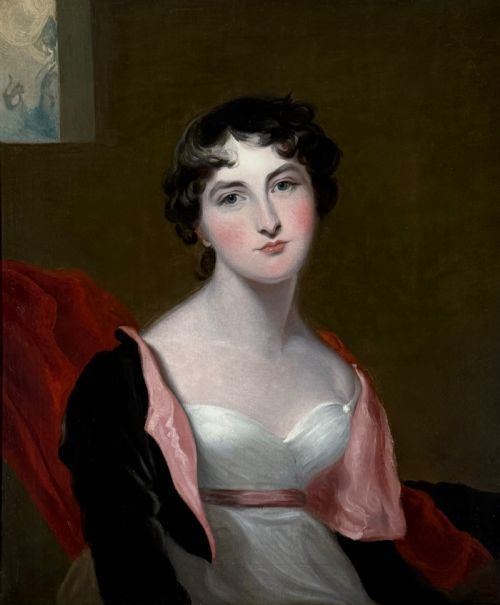
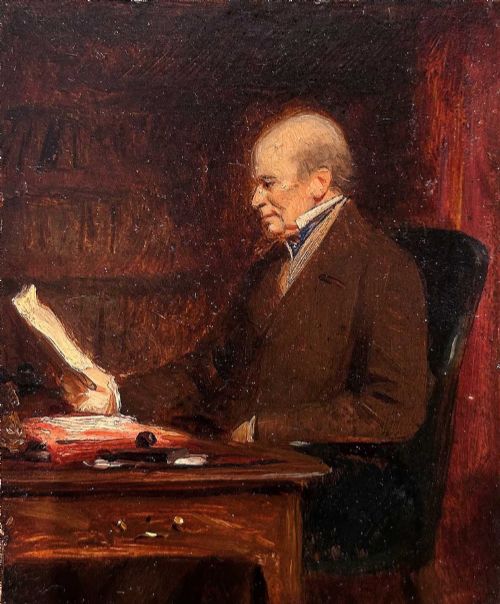
Portraits of individuals, from prominent historical figures to children and elderly women, form another substantial part of the grouping. These works reflect the academic and pastoral styles popular throughout the nineteenth century.
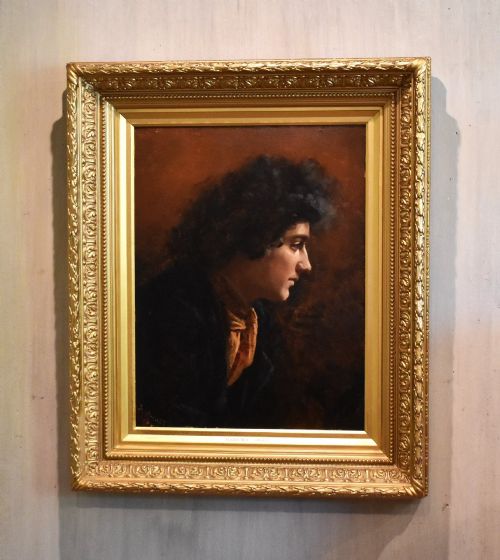
Works appear on various supports, predominantly canvas, paper and occasionally wood panel or board. Many retain their original frames, often finished in giltwood and gesso to suit the academic and impressionist tastes of the period.
How they were made
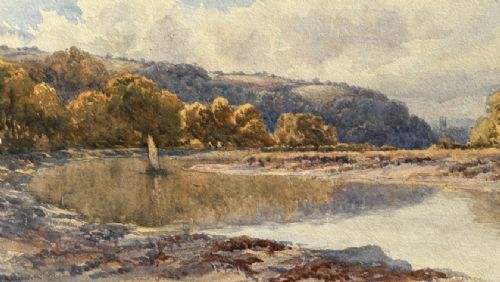
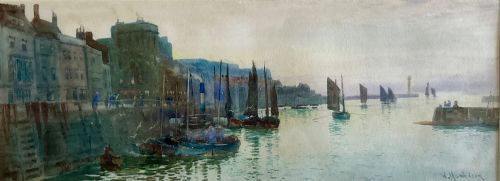
Makers built these compositions using oil paint on stretched canvas or board, applying pigment with brushwork that ranged from the tight realism of academic portraiture to the looser touches of British impressionism. Watercolours on paper utilised washes and fine linework to capture coastal and countryside views.
Frames combined carved wood with moulded gesso layers, which were then gilded to complement the visual weight of the paintings. Supports were frequently prepared with grounds that preserved the integrity of the pigments over decades.
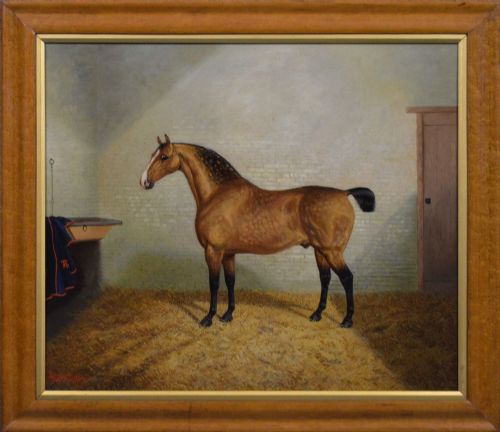
Several canvases capture cows, horses and dogs gazing steadily outward, sharing the nineteenth-century canvas with human subjects.
What varies in quality
The distinction between standard decorative works and the finest examples rests upon the confidence of the brushwork and the clarity of the composition. Master painters captured light, texture and human expression with a sureness that lesser hands missed.
Condition and originality further divide the range, particularly the preservation of the original paint surface without heavy intervention, and the survival of period frames that match the aesthetic of the artwork.
Felix Stone Moscheles·Sir James Dromgole Linton·John R Prentice·John Maler Collier·Frederick Marriott·John Horace Hooper·John McDougal·Albert Clark·Stephen Pearce·Florence Small·William Matthison·Harry Brooker·Bertram Priestman·John Watkins Chapman·William Etty·J Hardy·Arthur Herbert Rigg·John Constable·Haynes King·Charles Burton Barber·C S Lidderdale·William Henry Knight·James Mallard Bromley·Lance Calkin·James Orrock
The 19th Century British Fine Art Glossary
- Genre painting
- Depiction of aspects of everyday life by depicting ordinary people engaged in common activities. These scenes often focus on domestic interiors or cottage settings.
- Gesso
- A plaster mix used to coat wood surfaces before gilding or painting frames. It provides a smooth base for intricate moulding.
- Giltwood
- Wood that has been covered with a thin layer of gold leaf. Frames finished this way were standard for exhibiting nineteenth-century canvases.
- Oil study
- A preliminary painting executed in oils to test composition or lighting before starting a larger work. They often display looser brushwork than finished pieces.
19th Century British Fine Art: Frequently Asked Questions
What subjects appear most often in these paintings?
Landscapes and pastoral views dominate the selection, alongside genre scenes of daily life in cottages and rural villages. Portraits of individuals, ranging from children to prominent public figures, also feature prominently.
These subjects reflect the artistic preferences of the Victorian era, which favoured narrative clarity and natural scenery over abstract concepts.
How should I hang and light an oil painting?
Display paintings away from direct sunlight and sources of intense heat to protect the oil paint and canvas from drying out or warping. Position picture lights above the frame to illuminate the surface evenly without generating excessive warmth.
Ensure the wall fixings match the weight of the frame, especially for larger Victorian canvases housed in heavy giltwood surrounds.
Are watercolours framed differently from oil paintings?
Watercolours are painted on paper and require mounting under glass to protect the pigment from dust and atmospheric moisture. They generally sit in lighter frames than oil paintings on canvas.
Oil paintings do not require glass, allowing the textured surface of the brushstrokes to remain visible to the viewer.
How can I tell a watercolour from an oil painting?
Watercolours utilise translucent washes on paper, showing the grain and texture of the sheet beneath thin layers of pigment. They are displayed behind glass for protection.
Oil paintings use opaque or semi-opaque pigments bound in oil on canvas, board or panel, presenting a textured surface with visible brush marks.