
19th Century Brass Timepiece
A 19th century brass timepiece brings mechanical precision and heavy metalwork into a room, offering both decorative presence and dependable daily function.
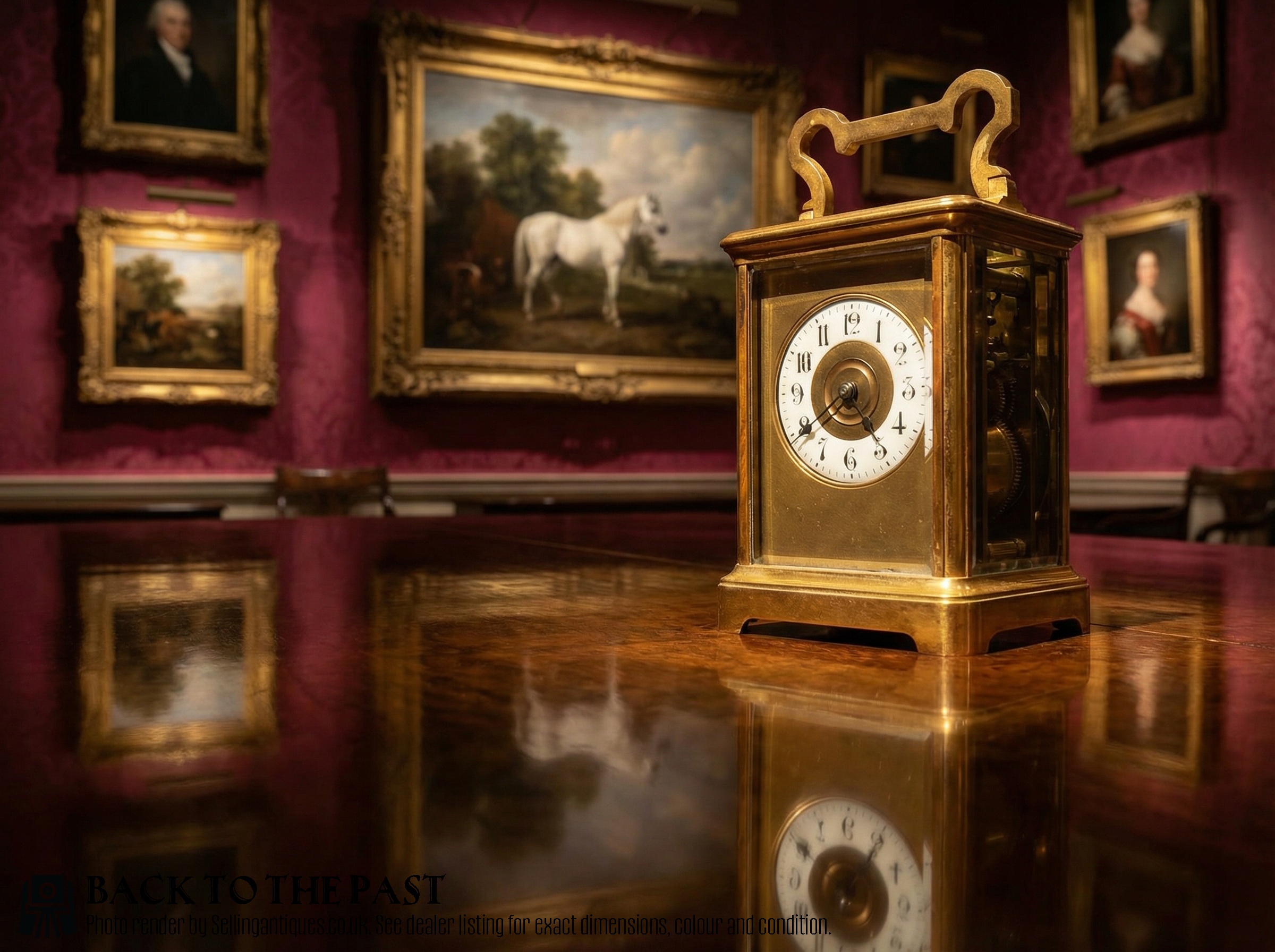
19th Century Brass Timepiece
A 19th century brass timepiece encompasses a broad range of horological forms, from portable carriage clocks to substantial wall dials and decorative mantel pieces. The majority of pieces encountered here originate from French workshops or British makers working through the Victorian era and the Regency period.
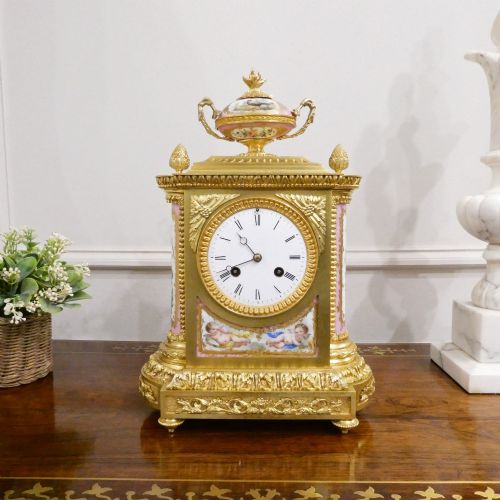
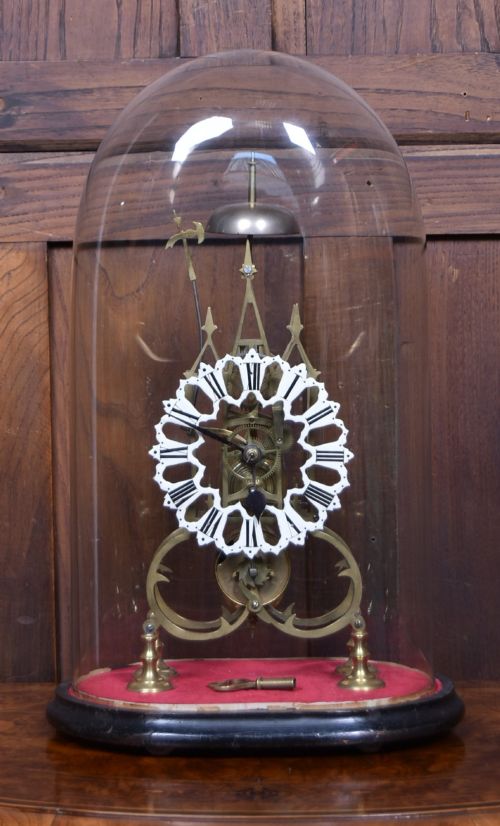
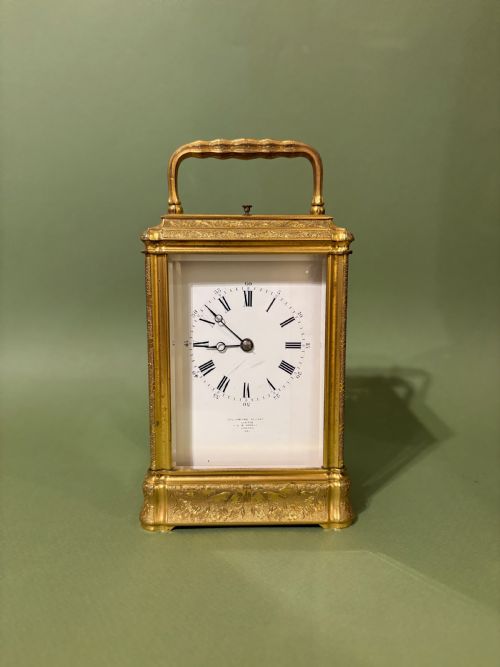
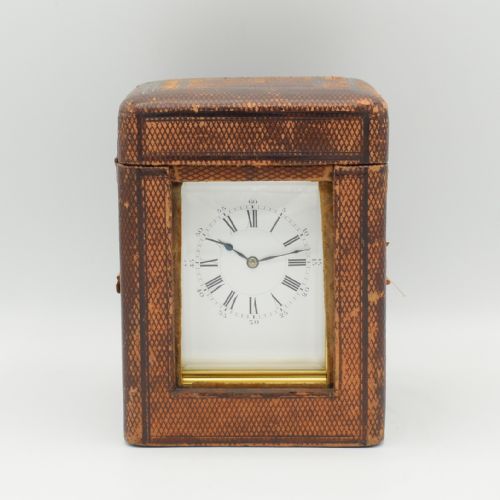
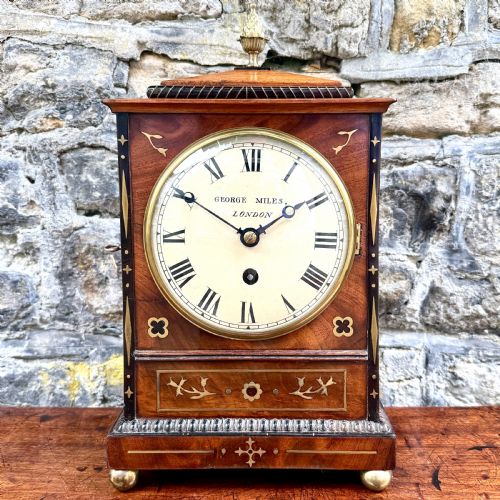
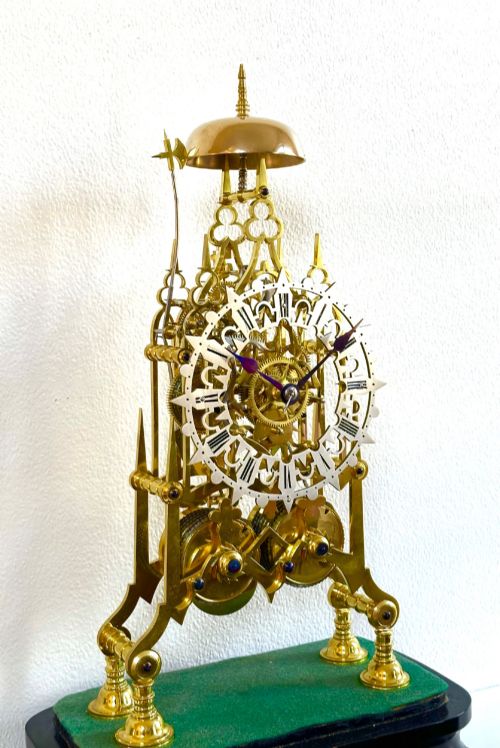
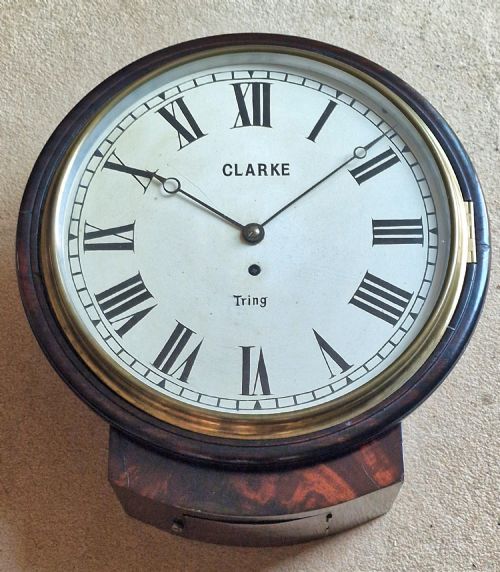
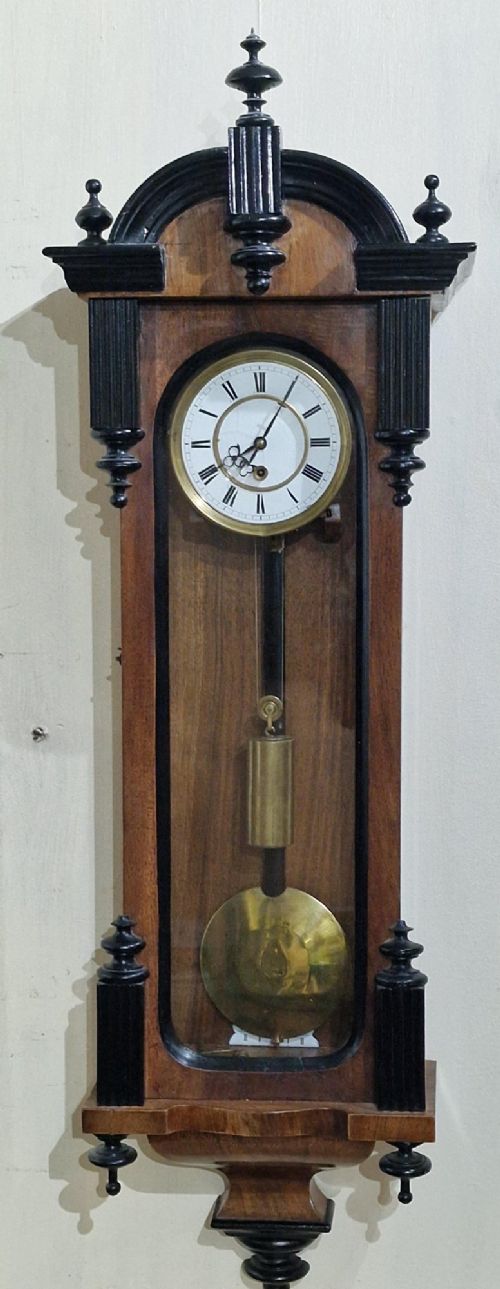
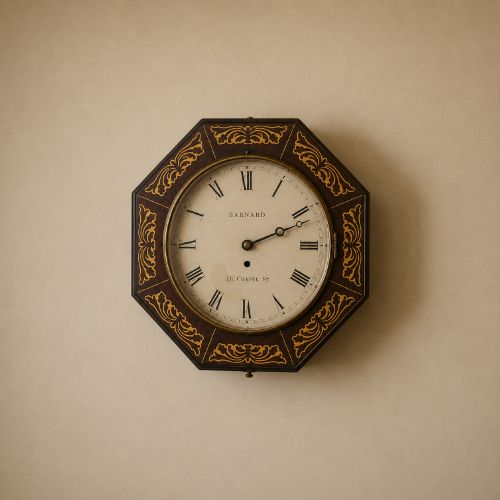
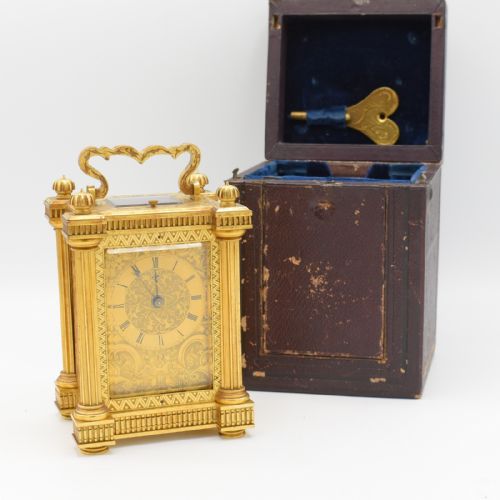
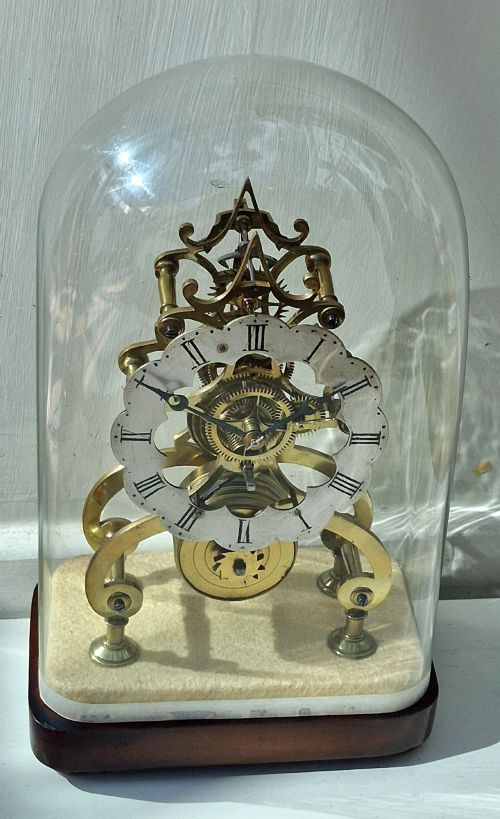
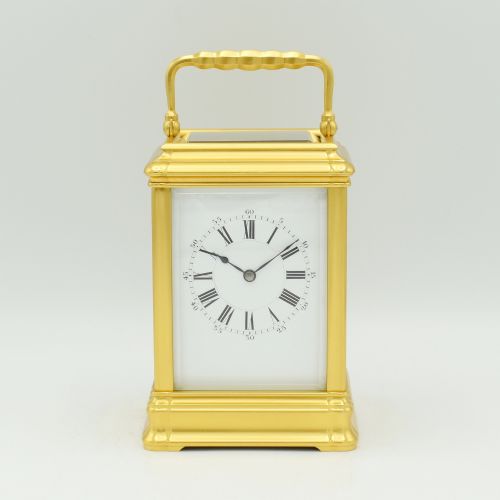
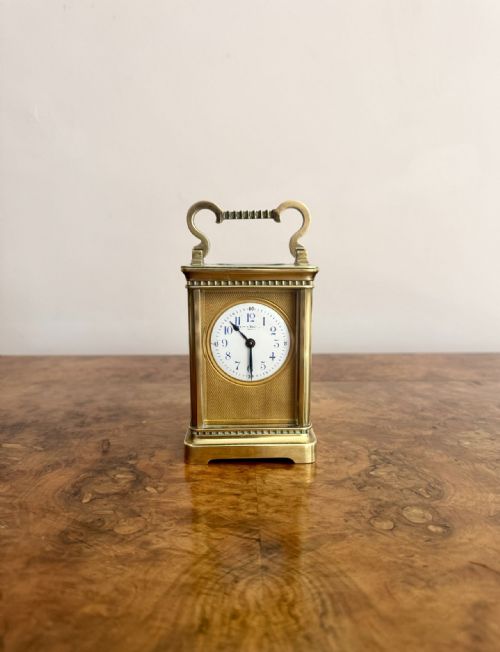
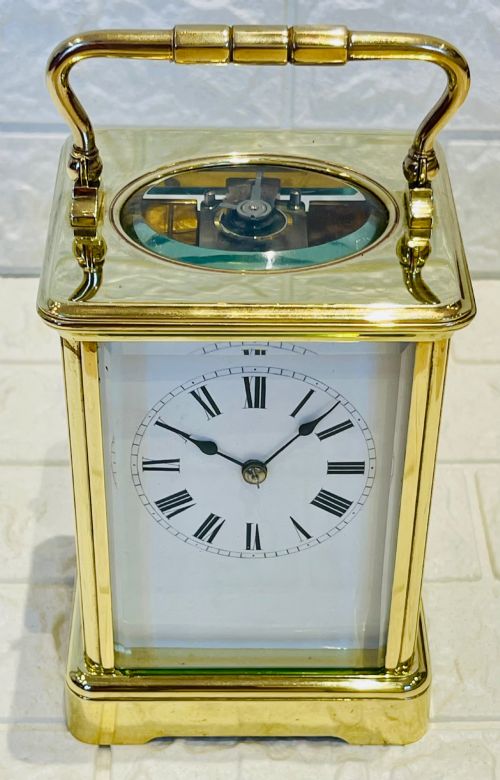
Buyers frequently encounter brass carriage clocks housed in glass panels, alongside skeleton clocks revealing their gear trains and heavy mahogany fusee wall clocks. Styles stretch from restrained Regency designs to ornate French Rococo revival and Second Empire models decorated with gilt bronze or champlevé enamel.
How they were made
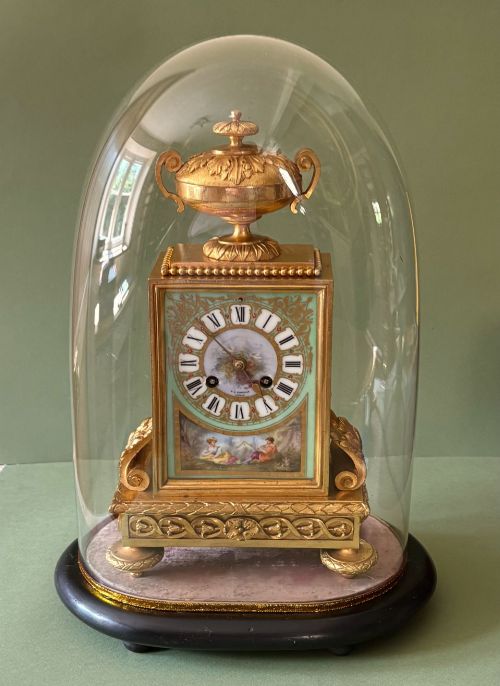
Makers constructed these clocks using heavy brass, gilt bronze, and ormolu frames combined with glass panels to enclose the moving parts. Many incorporate white enamel dials with painted numerals, while wooden models utilise mahogany or rosewood cases inlaid with brass or mounted with porcelain and marble.
Movements rely on mechanical gear trains driven by mainsprings or fusee mechanisms, often featuring platform escapements in portable pieces and pendulum regulation in larger bracket and wall clocks. High-grade examples include striking or repeating mechanisms housed within gorge or doucine brass cases.
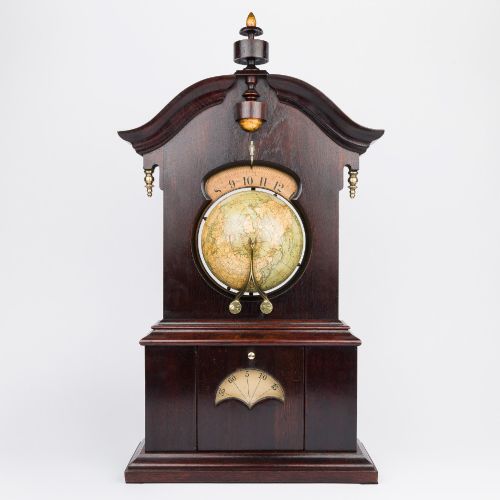
Listings feature 19th century brass timepieces housed in mahogany, gilt bronze, and marble cases.
What varies in quality
Quality in a 19th century brass timepiece rests upon the crispness of the casting and the depth of the gilding on the metal case. Finer examples display hand-engraved brass work across the mask and plates, whereas lesser pieces rely on simpler stamped decoration.
The sophistication of the internal movement dictates the standard of the piece, with complex double fusee systems, repeating complications, and signed maker movements occupying the upper tier of the market.
Henri Jacot·George Clarke·Howell And James·Henry Harris·Richard Winter·Drocourt Paris·T Martin And Co·Webster Cornhill London
The 19th Century Brass Timepiece Glossary
- Fusee
- A conical pulley used in spring-driven clocks to equalise the torque as the mainspring unwinds, ensuring steady timekeeping.
- Carriage clock
- A small, portable spring-driven timepiece designed for travel, typically fitted with a carrying handle and glass viewing panels.
- Skeleton clock
- A timepiece with an open framework designed to expose the entire gear train and movement to view.
- Champlevé
- An enamelling technique where troughs are dug into the metal surface and filled with vitreous enamel before firing.
- Repeater
- A mechanism that chimes the hours and quarters on demand when a lever or button is pressed.
19th Century Brass Timepiece: Frequently Asked Questions
How do I wind a carriage clock?
Most carriage clocks require a dedicated winding key inserted into the arbour at the back of the movement. Turn the key gently until resistance indicates the mainspring is fully wound.
Take care not to overwind the mechanism, as this can damage the tension of the spring and disrupt the escapement.
What is a fusee movement?
A fusee movement uses a conical drum connected to the mainspring by a fine chain or cord. This clever mechanical device compensates for the dropping power of the spring as it runs down.
Clocks with fusee movements generally maintain superior timekeeping accuracy across the duration of their run compared to standard spring-driven alternatives.
How do I date a brass clock?
Dating relies on stylistic clues, maker signatures, and serial numbers stamped onto the movement backplate. Victorian and Regency design motifs provide broad chronological brackets for British pieces.
French makers often stamped their movement plates with exhibition medals or maker marks that narrow down the production decade.
Where should I place a skeleton clock?
Skeleton clocks need a stable, level surface away from direct sunlight, drafts, and heavy foot traffic that might cause vibrations. Many of these delicate pieces sit beneath a protective glass dome.
Keeping the clock in a dry room prevents the exposed brass and steel components from developing surface tarnish or oxidation.