
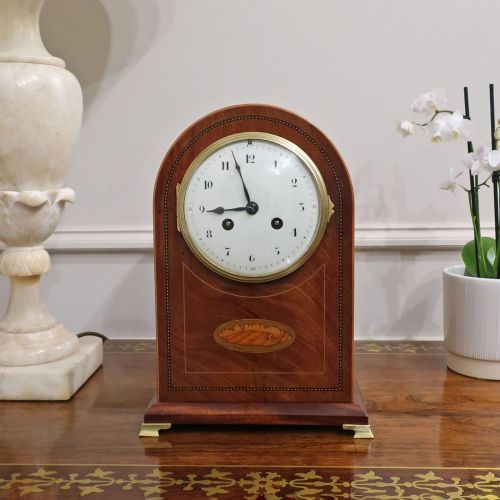
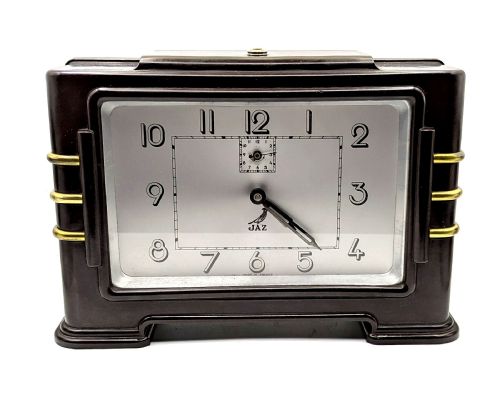


French Mechanical Mantel Clock
These french mechanical mantel clock examples combine precise horology with cabinetwork in brass, marble, and mahogany, offering functional timekeeping for the interior.
French Mechanical Mantel Clock
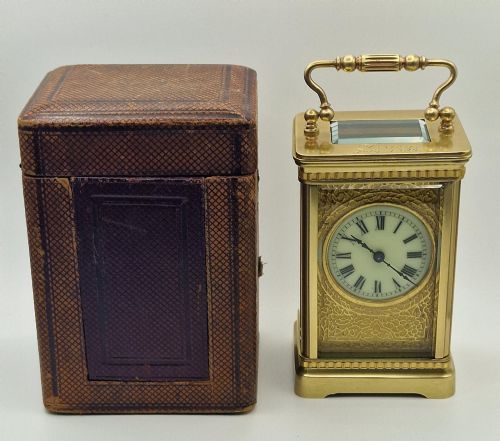
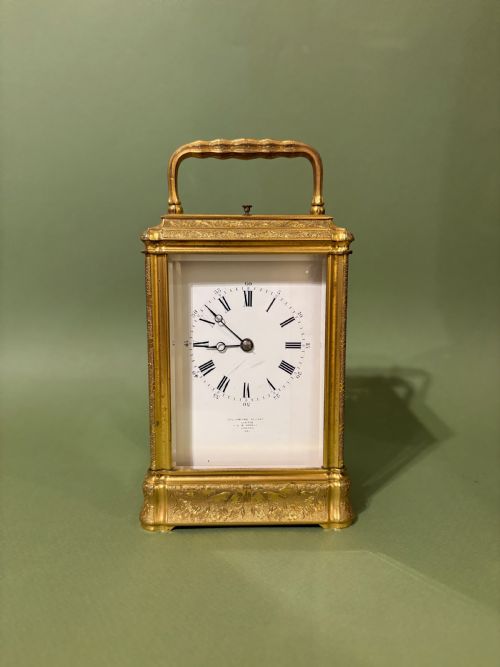
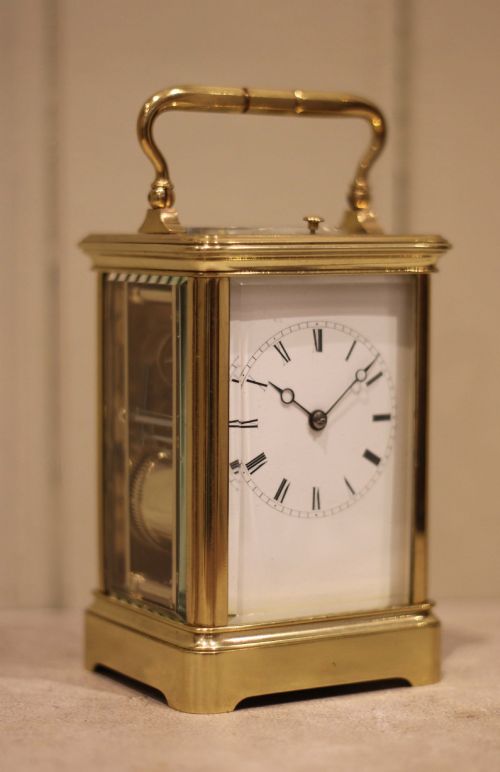
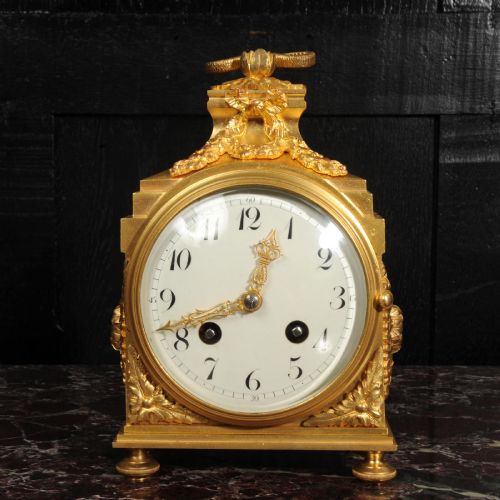
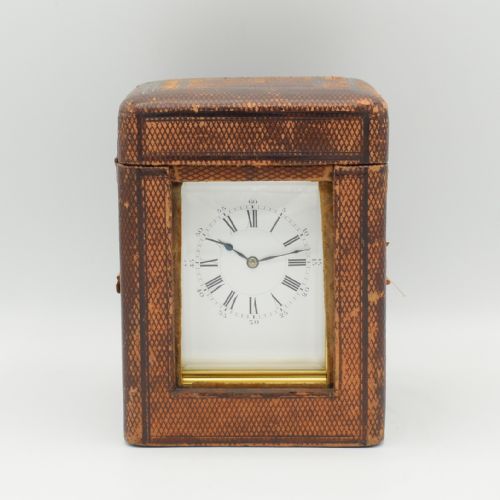
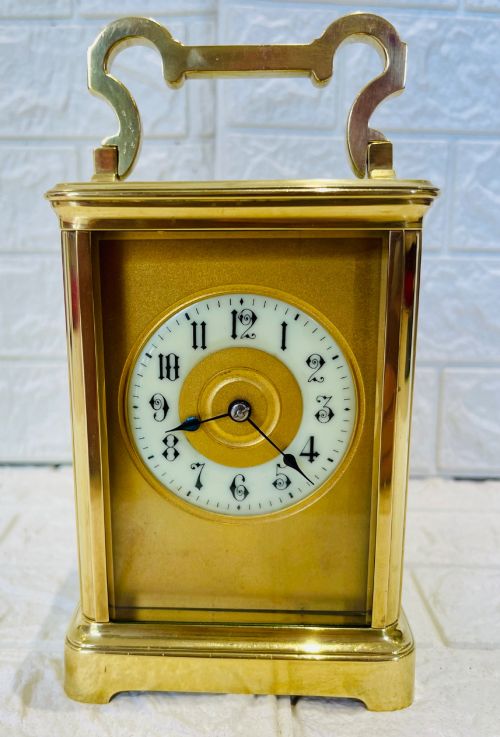
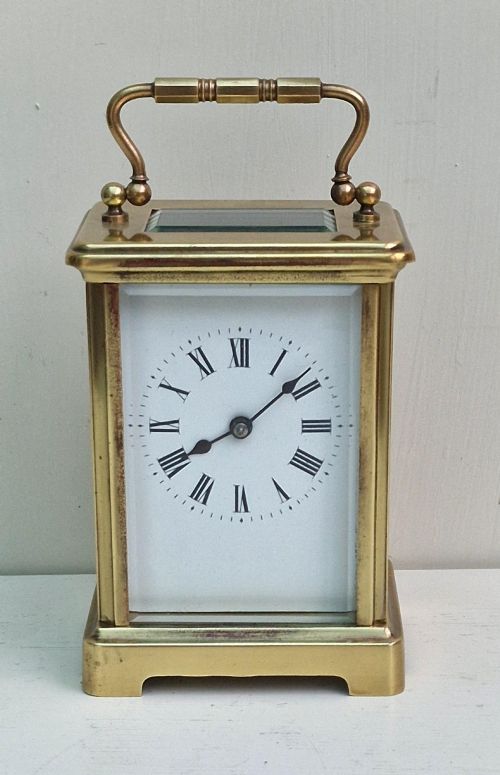
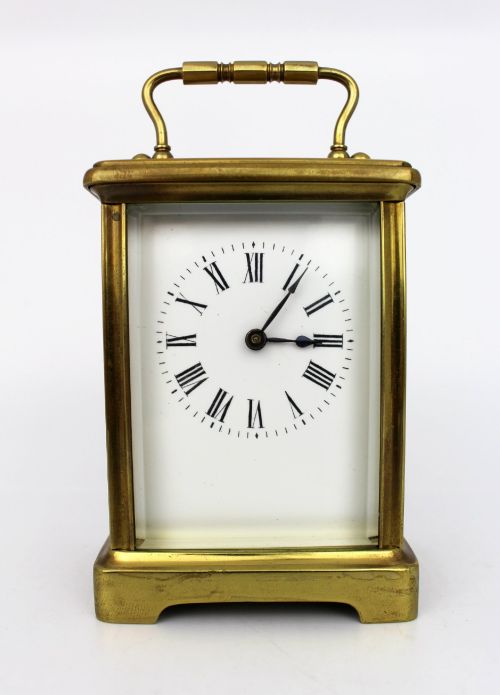
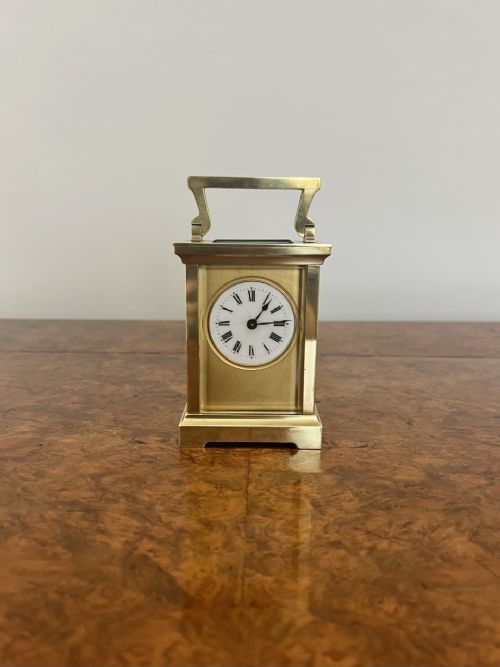
A french mechanical mantel clock search reveals timepieces originating from the nineteenth and early twentieth centuries, spanning periods from the Victorian era to Art Deco. The selection encountered on this page ranges from portable brass carriage clocks housed in glass panels to larger timber mantel clocks placed on interior surfaces.
Forms include carriage clocks, desk clocks, and striking bracket clocks created within French workshops. Buyers frequently encounter brass carriage clocks featuring enamelled dials alongside mahogany, walnut, and ormolu mantel designs.
Materials and construction methods
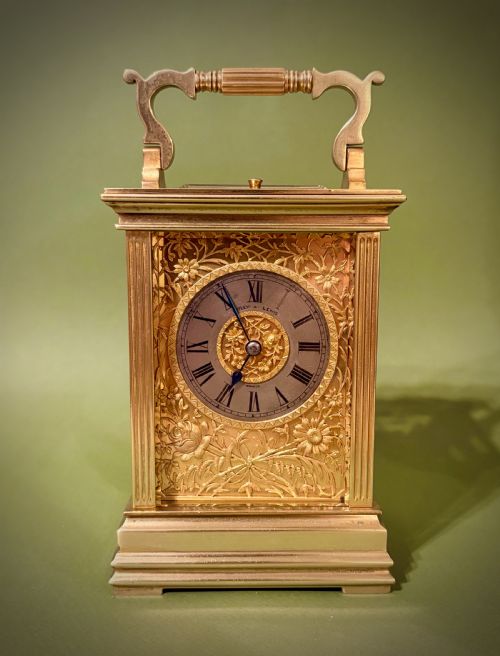
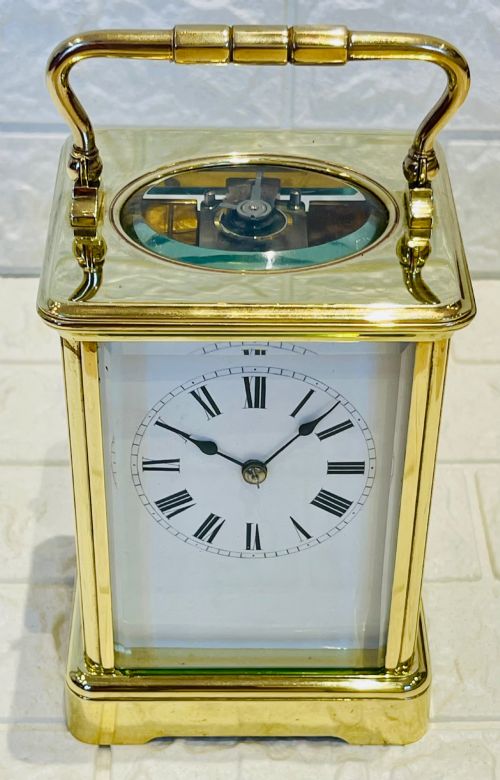
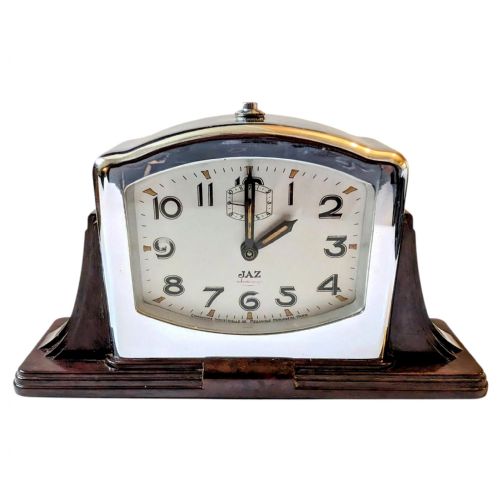
Horologists utilised brass, gilt bronze, and ormolu for movement frames and cases, combining them with glass panels to reveal the internal gear train. Cabinets employ timbers such as mahogany and walnut, occasionally finished with faux tortoiseshell or bakelite in later twentieth-century pieces.
Movements incorporate mechanical escapements, striking mechanisms, and repeat complications housed inside gorge or engraved brass cases. Dials feature white enamel with Roman or Arabic numerals, driven by spring-driven gear assemblies.
Distinctions in construction and design
Quality depends upon the intricacy of the mechanical movement, particularly the presence of striking and repeating complications that chime the hours and quarters. Engraving depth on gilt brass cases and the weight of the metal components also separate standard items from finer workshop output.
The choice of cabinet materials, such as solid mahogany or heavily cast ormolu, dictates the visual presence of the clock. Intricate dial painting and the integration of travel cases or specific escapement types influence the overall standard of the piece.
HENRI JACOT·Jaz·Pickford of London·Drocourt Paris·T. Martin & Co·Latshea & Sons Edinburgh·L Epee·Delépine-Barrois·Paul Garnier·Samuel Marti
The French Mechanical Mantel Clock Glossary
- Carriage clock
- A portable spring-driven timepiece designed for travel, typically fitted with a carrying handle and glass side panels. These clocks emerged during the nineteenth century for use by travellers.
- Gorge case
- A stepped rectangular brass housing enclosing a carriage clock movement, featuring distinctive moulded pillars at the corners. This housing style is frequently observed in nineteenth-century French examples.
- Repeating movement
- A mechanical mechanism that chimes the last hour or quarters upon demand when a lever or button is pressed. Such complications represent advanced horological skill.
- Ormolu
- Gilt bronze produced by applying a mercury-gilding mixture to cast bronze, yielding a rich golden surface finish. This technique appears on decorative mounts of period mantel clocks.
- Escapement
- The internal mechanism that controls the release of power in a clock movement to maintain accurate oscillations. Common types include the platform escapement found in portable timepieces.
French Mechanical Mantel Clock: Frequently Asked Questions
How do I wind a french mechanical mantel clock?
Winding requires inserting a key into the dedicated arbours on the dial or backplate and turning gently until resistance is met. Care must be taken not to overwind the mainspring.
Most mechanical movements require weekly or daily winding depending on whether they are eight-day or thirty-hour configurations.
What is the difference between a carriage clock and a mantel clock?
Carriage clocks are compact, portable timepieces equipped with top handles and glazed panels designed for travel. Mantel clocks are larger stationary ornaments built into wooden or marble architectural cases.
Carriage clocks rely on platform escapements, while mantel clocks often use pendulum regulation.
How do repeating mechanisms function?
Repeating mechanisms use an internal rack and snail setup that records the time and sounds the hours or quarters when a buyer depresses a button. This allows the time to be checked in darkness.
Such complications require precise gear calibration during manufacture.
Where should I place a mechanical clock?
Mechanical clocks require stable, level surfaces away from direct sunlight, drafts, and sudden temperature shifts. A secure mantelpiece or desk prevents disruption to the pendulum or platform escapement.
Level placement ensures the beat of the movement remains even.