

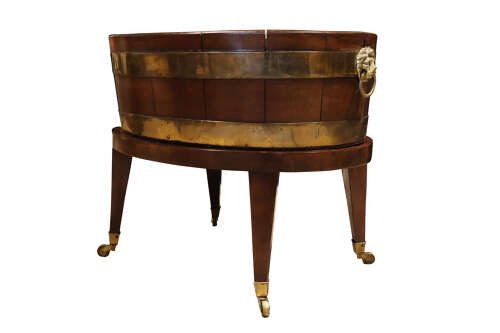


19th Century Brass Bucket
These pieces of 19th century brass bucket design bring functional metalwork and coopered timber into domestic interiors for fireside storage or plant display.
19th Century Brass Bucket
A 19th century brass bucket encompasses utilitarian coal scuttles, fireside log bins, wine coolers, jardinières and peat buckets drawn from Regency, Victorian, Dutch and French traditions. The most frequent examples combine sheet brass bodies with riveted construction, swing handles and heavy cast feet.
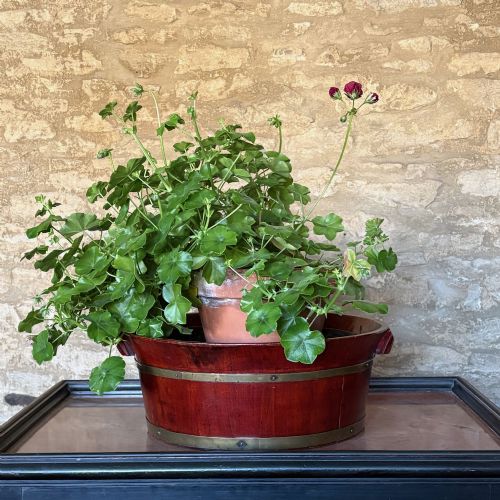
Makers adapted coopered timber vessels with brass bands, creating mahogany, oak and walnut buckets alongside solid metal vessels in copper and brass. Forms range from boat-shaped planters and helmet coal scuttles to cylindrical water barrels and lidded coal bins.
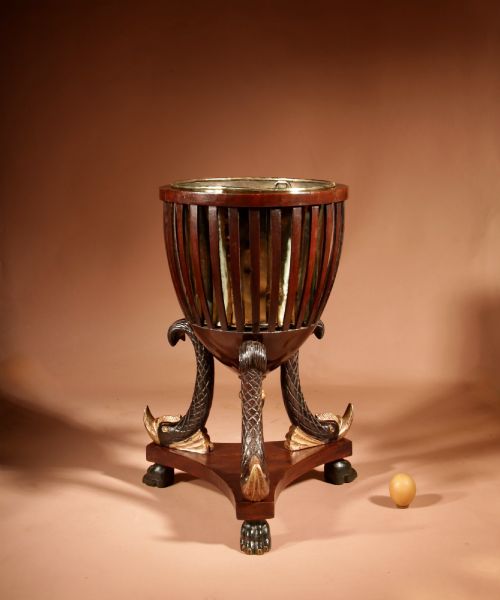
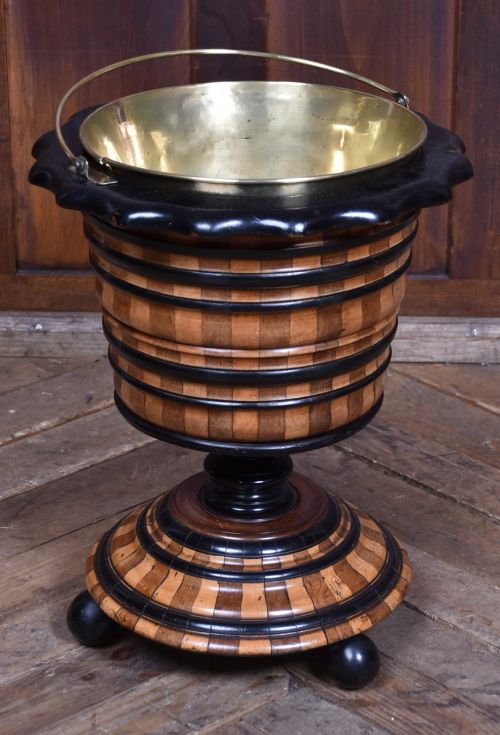
Regional variations appear in Dutch butter barrels, Anglo-Indian campaign pieces, French Empire wine stands and Scandinavian country water vessels. Buyers select these containers for traditional hearth use or as decorative cachepots for interior plants.
How they were made
Craftsmen built wooden versions using cooperage techniques, joining staves of mahogany, oak or walnut with heavy brass bands and riveted strip work. Metal bodies relied on hand-beating sheet brass and copper, joining seams with rivets and attaching swing handles via forged iron or brass mounts.
Surface treatments involved polishing brass to a bright finish or leaving copper and bronze elements with natural patination, sometimes incorporating ebonised wood or iron fittings.
19th Century Brass Bucket Retail Price Guide 2026
Typical asking prices for 19th century brass bucket among the pieces listed under this phrase on Sellingantiques today, from the lower quarter to the upper quarter. They describe what is for sale here now, not the wider market.
Some nineteenth century butter barrels found a second life holding hearth logs.
What varies in quality
Quality rests in the weight of the gauge used for sheet metal and the precision of the cooperage on wooden stave bodies. Heavy cast brass feet, robust swing handles and tight joinery separate high-grade vessels from lighter domestic examples.
Proportion and decorative restraint distinguish finer examples, where crisp brass binding and well-figured mahogany or walnut remain intact without excessive structural repair.
The 19th Century Brass Bucket Glossary
- Coopered
- Built from vertical wooden staves fitted together with metal bands in the manner of a barrel. This technique provided the structural strength required for holding coal, turf or water.
- Jardinière
- An ornamental pot or stand designed to hold plants and flowers indoors. These pieces often featured brass liners to protect the surrounding timber or metal structure.
- Teestoof
- A traditional Dutch foot warmer or small heating vessel fitted with a metal liner. They frequently incorporate pierced wooden or brass bodies.
- Purdonium
- A domestic coal box designed for interior hearth use during the Victorian period. They often included a hinged lid and an internal metal shovel compartment.
- Planter
- A deep vessel intended to receive potted plants, frequently executed in coopered mahogany or hammered brass. Many include matching stands or raised feet.
19th Century Brass Bucket: Frequently Asked Questions
How were brass buckets used originally?
These vessels served practical duties around the home, transporting coal to hearths, storing logs, chilling wine with ice, or holding peat and embers.
Many were also adapted as indoor planters or jardinières to display greenery in reception rooms.
What woods were used for coopered buckets?
Cabinetmakers and coopers primarily utilised mahogany, oak and walnut for the stave bodies of these containers.
Ebonised wood and softer timbers occasionally appeared in regional Dutch, Scandinavian or Anglo-Indian pieces.
How do you distinguish a coal scuttle from an ice bucket?
Coal scuttles and helmet buckets generally feature wide mouths, angled spouts and fixed or swing handles designed for tipping fuel onto a fire.
Wine coolers and ice buckets maintain straight cylindrical or boat-shaped profiles with watertight metal liners.
Can these buckets be used for plants today?
Most metal and wood vessels with original liners function effectively as cachepots for potted plants.
Coopers' joints in unlined wooden buckets may require a secondary inner pot to prevent moisture damage to the antique staves.