



Georgian Brass Coal Scuttle
These pieces of georgian brass coal scuttle bridge utility and hearthside display, offering durable metalwork and timber construction that collectors prize for period interiors.
Georgian Brass Coal Scuttle
A georgian brass coal scuttle encompasses fireside accessories, coal scuttles, log bins, and peat buckets designed for fuel storage beside the fireplace. The selection spans the eighteenth and nineteenth centuries, including George III, Georgian, and Victorian periods.
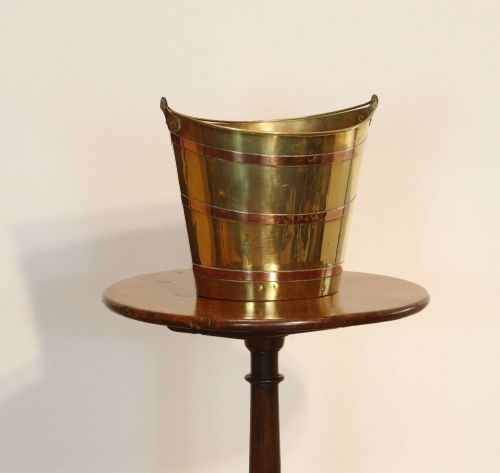
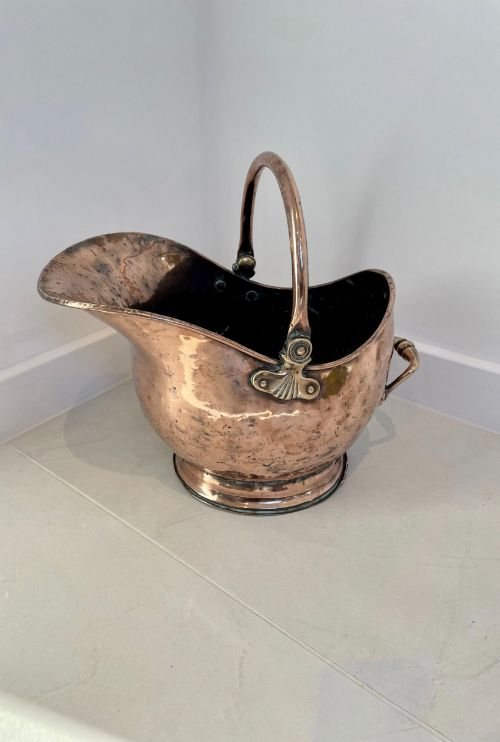
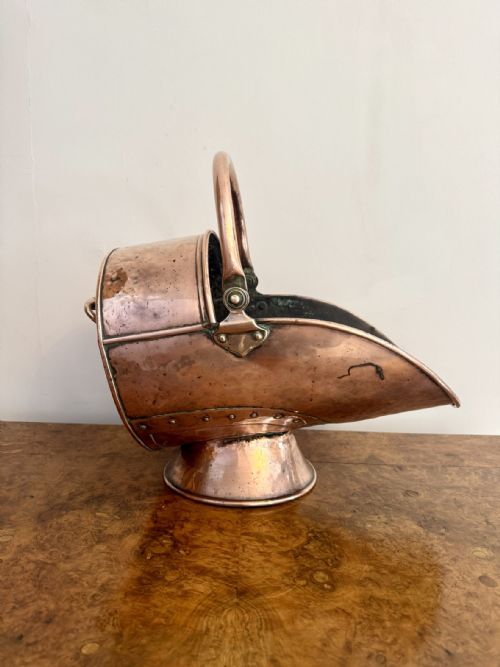
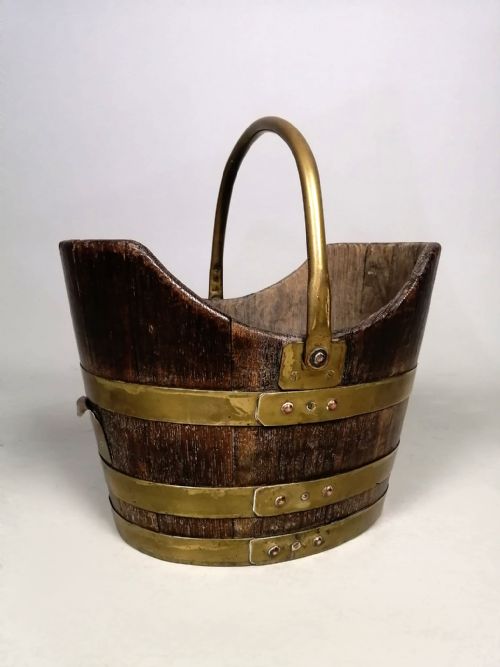
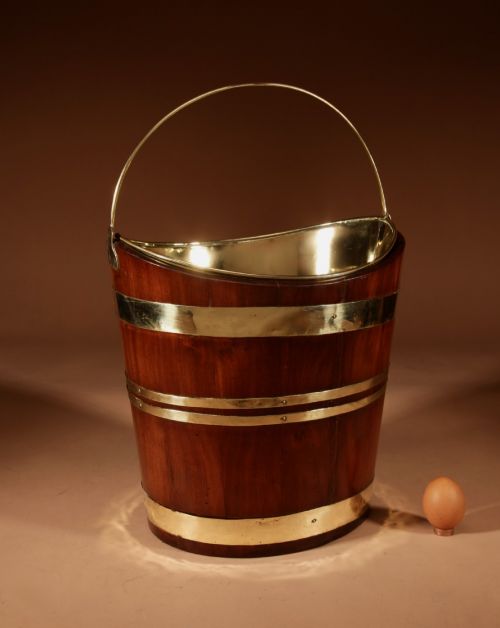
Buyers meet helmet-shaped copper scuttles alongside boat-shaped peat buckets, oyster buckets, and cylindrical log bins. These items served domestic hearths for holding coal, peat, or logs before transitioning to decorative fireside receptacles.
How they were made
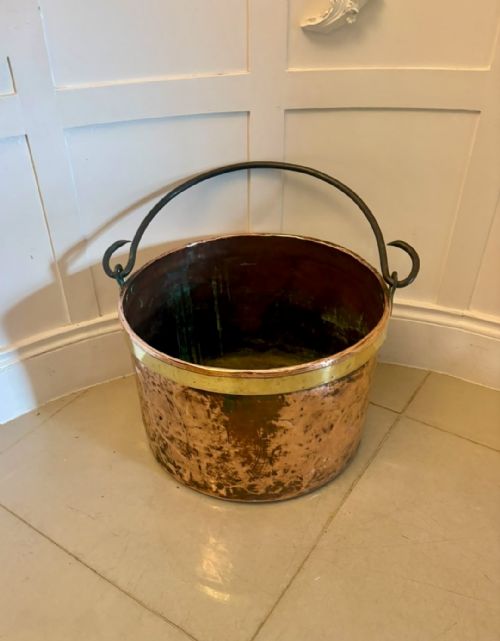
Craftsmen utilised sheet brass and copper, hammering and joining metal plates with visible rivets to form sturdy scuttles and helmets. Wrought iron and iron elements reinforced handles and internal structures for daily hearth use.
Cabinetmakers constructed timber buckets from mahogany, oak, fruitwood, and other woods, securing the staves with tight brass bands and hoops. Spindle details, ribbed forms, and shaped rims demonstrate traditional joinery adapted for domestic fuel storage.
Georgian Brass Coal Scuttle Retail Price Guide 2026
Typical asking prices for georgian brass coal scuttle among the pieces listed under this phrase on Sellingantiques today, from the lower quarter to the upper quarter. They describe what is for sale here now, not the wider market.
Some peat buckets secretly doubled as tea stoves for warming the parlour.
What varies in quality
Quality rests upon the crispness of the brass banding, the integrity of the timber staves, and the retention of original surface patination. Examples displaying untouched condition or accompanying shovels command greater attention from discerning collectors.
Proportion and form dictate the distinction between standard utility vessels and refined decorative pieces. Subtle variations in handle attachment, metal gauge, and timber grain separate utilitarian containers from superior fireside furnishings.
The Georgian Brass Coal Scuttle Glossary
- Coal scuttle
- A container designed specifically for holding and transporting coal to a fireplace. These vessels often feature a slanted opening and a sturdy carrying handle.
- Peat bucket
- A deep wooden bucket bound with metal hoops, traditionally used in Ireland and Britain for storing turf or peat fuel. They frequently exhibit stave construction in mahogany or oak.
- Log bin
- A large container utilised for storing firewood beside a hearth. They appear in copper, brass, and banded timber variants across the Georgian and Victorian eras.
- Helmet scuttle
- A fireside bucket shaped with a flared rim resembling a classical helmet, which directed coal cleanly into the grate. They are commonly forged from polished copper or brass.
- Teestoof
- A Dutch footstove or warming bucket adapted for domestic heating. These pieces reflect continental design influences found within period British interiors.
Georgian Brass Coal Scuttle: Frequently Asked Questions
What is a georgian brass coal scuttle?
A georgian brass coal scuttle is a hearthside container fashioned from brass, copper, or banded wood to store fuel near the fireplace. These pieces combine metal and timber construction to serve domestic utility.
They reflect eighteenth and nineteenth century craftsmanship, moving from functional coal carriers to decorative interior objects valued in period settings.
How do I date a coal bucket?
Dating relies on observing construction methods, material choices, and stylistic cues recorded in the piece. Hand-hammered metal joints and specific timber species offer clues to the manufacturing era.
Changes in handle design, banding thickness, and overall silhouette help distinguish eighteenth century George III examples from later Victorian reproductions.
Where were peat buckets used?
Peat buckets saw service beside household hearths in regions where turf served as primary fuel. Their stave construction kept dry fuel contained near the fire.
Over time, these durable wooden vessels transitioned from utilitarian farmhouses and town houses into decorative fireside accessories.
How do I maintain brass and copper?
Maintaining these metals involves regular dusting and occasional gentle cleaning to preserve the historic surface patination. Harsh chemical polishes should be avoided to protect the aged finish.
Allowing the metal to retain its natural oxidation safeguards the character developed over centuries of domestic exposure.