


19th Century Bobbin Table
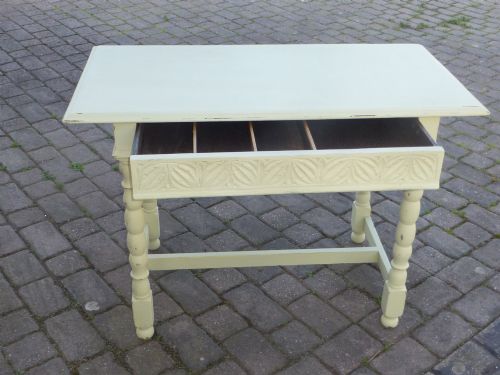
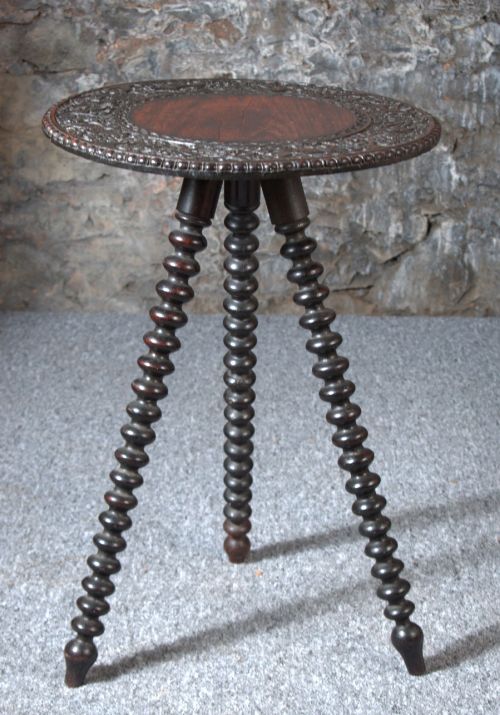
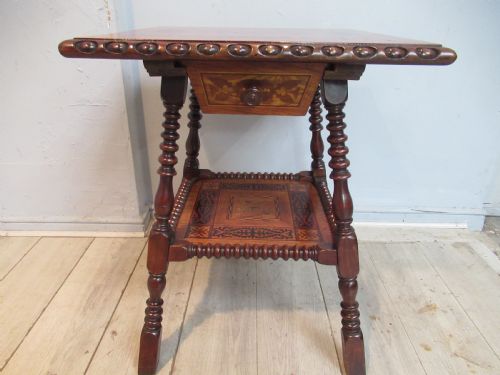
These pieces trace a clear line through the 19th century bobbin table, offering distinct turned supports that bring texture to any room.
19th Century Bobbin Table
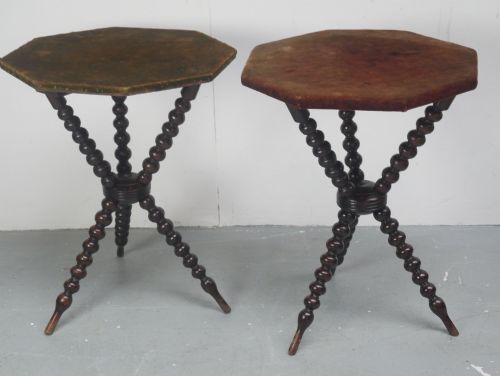
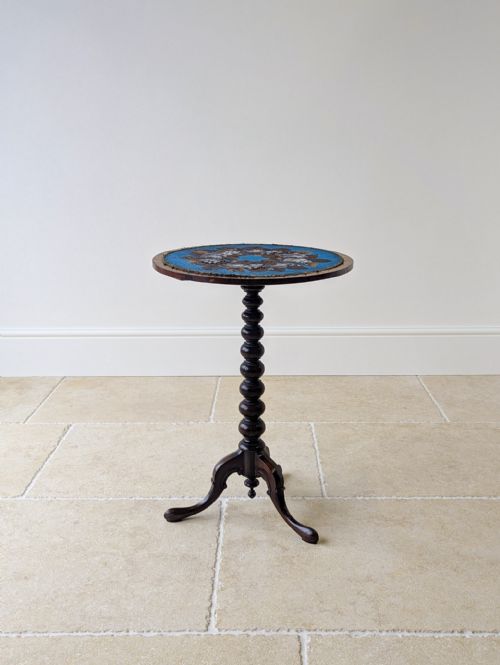
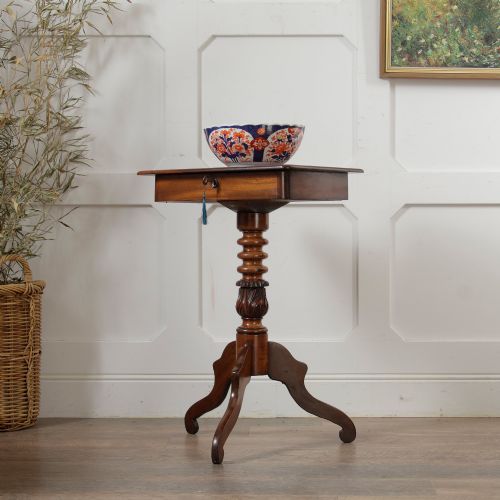
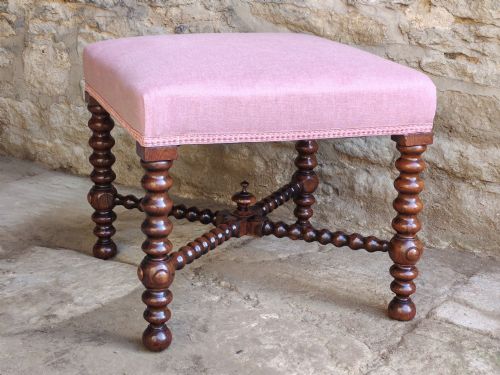
A 19th century bobbin table brings together compact occasional forms and turned woodwork, spanning side tables, writing desks, and folding formats. The turnings define the style, built with repeated rounded swellings reminiscent of thread bobbins along the legs and supports.
Victorian examples dominate the selection, often rendered in oak, walnut, or mahogany, though pieces extend into the Regency period and late century aesthetics. Side tables and occasional tables appear most frequently, accompanied by sewing tables and gate leg variants designed for flexible domestic use.
Materials and construction
Makers utilised native and exotic timbers such as oak, rosewood, mahogany, and walnut to build these frames, sometimes applying ebonised finishes to mimic more costly materials. Turning lathes shaped the characteristic spool supports piece by piece before assembly into sturdy legs, stretchers, and gate leg actions.
Joinery relied on traditional pegging and mortise and tenon methods to handle the stress placed upon turned supports. Tabletops range from simple solid boards and drop leaf mechanisms to veneered surfaces framed by elaborate mouldings.
Alongside heavy dining tables and hall stands, the records include delicate fruitwood lace bobbin winders and tiny sewing boxes.
Judging quality in turned furniture
The precision and uniformity of the spool turning reveal the hand of the maker, where sharp profiles and smooth curves distinguish better examples from simpler production. Consistency in the timber selection across the legs and the tabletop shows a higher standard of workshop practice.
Structural stability depends on how tightly the turned sections fit together at the joints, as complex turnings can loosen over decades of use. The choice of timber grain, particularly in figured walnut or mahogany tops, elevates the visual weight of the piece against the rhythmic pattern of the base.
The 19th Century Bobbin Table Glossary
- Bobbin turning
- A form of woodturning characterised by a succession of rounded, spool-like swellings along the length of a spindle. This decorative technique creates a textural, rhythmic profile popular in seventeenth-century and nineteenth-century revival furniture.
- Sutherland table
- A narrow drop-leaf table with hinged flaps that fold down steeply on either side of a fixed central section. Supported by swinging gate legs, these pieces save space when folded.
- Ebonised
- Wood treated with chemical stains or black paint to imitate ebony. This finish was common during the Victorian era to highlight carved or turned details against a dark surface.
- Cricket table
- A small, light table traditionally featuring three legs and a circular top. They derive their name from their sturdy, tripod construction reminiscent of a cricket stool.
19th Century Bobbin Table: Frequently Asked Questions
What is a bobbin table?
A bobbin table is a small surface defined by legs and supports shaped on a lathe to resemble a string of spools. These pieces emerged strongly during the nineteenth century as part of historical revival movements.
They function primarily as side tables, occasional stands, or writing desks, bringing texture through repetitive wooden turnings rather than flat planes.
How do I date a 19th century table?
Dating involves examining the timber species, construction joints, and secondary woods used beneath the surface. Oak and mahogany point toward specific decades when combined with particular turning styles.
Hardware such as drawer pulls and the presence of handmade screws also help narrow down the period of manufacture within the nineteenth century.
Where were these tables used?
These tables served flexible roles in Victorian parlours, halls, and sitting rooms as places to hold lamps, books, or sewing work. Their compact footprint allowed them to move easily around domestic spaces.
Folding formats like Sutherland tables accommodated tighter quarters by dropping their leaves against the wall when not in use.
Are all bobbin tables made of oak?
No, makers utilised a wide variety of hardwoods depending on the intended finish and the region of manufacture. Walnut, mahogany, fruitwood, and beech appear regularly alongside oak.
Some pieces feature ebonised finishes applied to softer woods to replicate the appearance of dense exotic timbers.