


19th Century Black Forest
19th century black forest carvings bring the dramatic wildlife and rustic charm of European alpine forests directly into interior spaces through intricately rendered wooden objects.
19th Century Black Forest
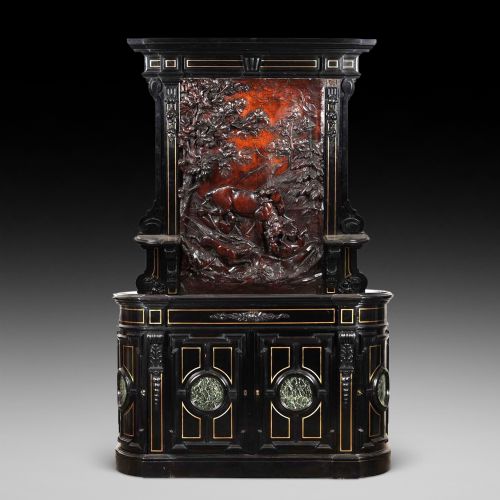
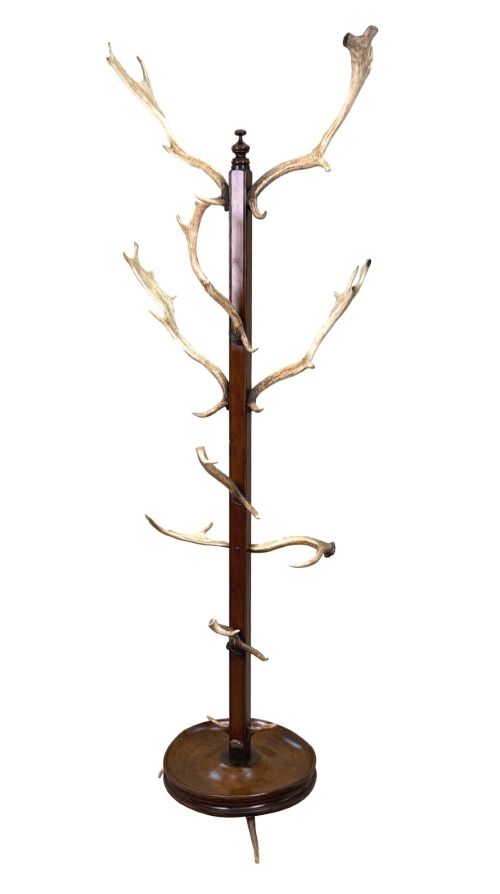
When exploring 19th century black forest pieces, buyers encounter an array of highly detailed wooden sculptures, furniture, and functional items. Bears, deer, foxes, and owls dominate the forms, frequently appearing as hall stands, nutcrackers, inkwells, and mantel clocks.
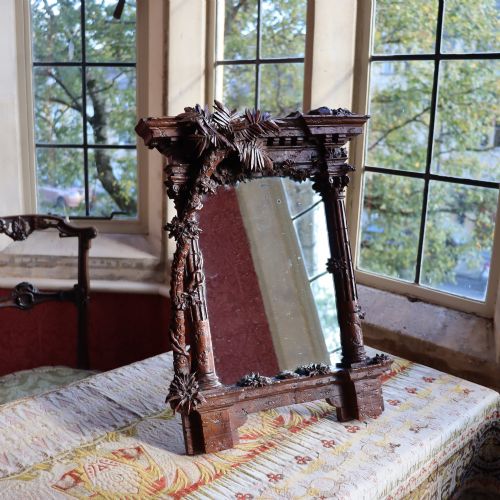
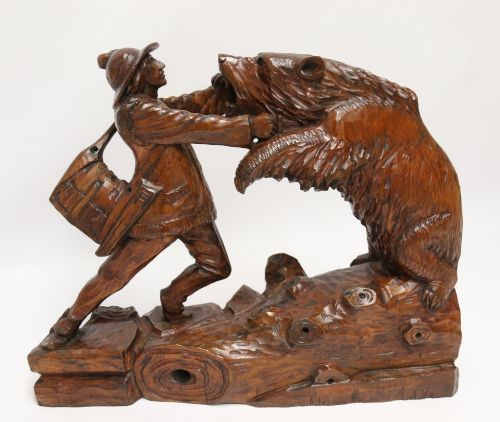
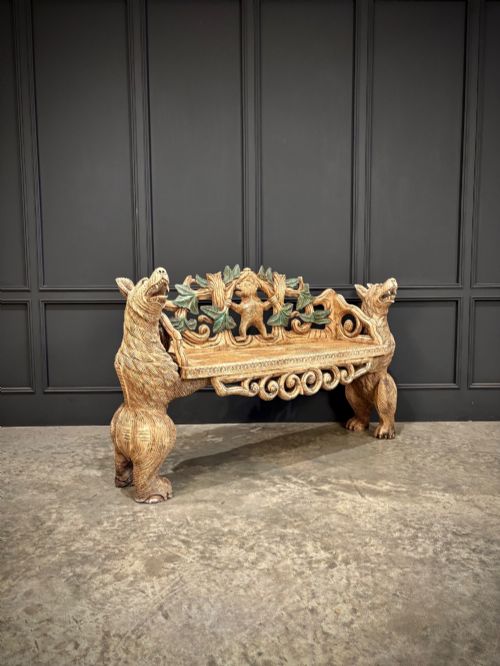
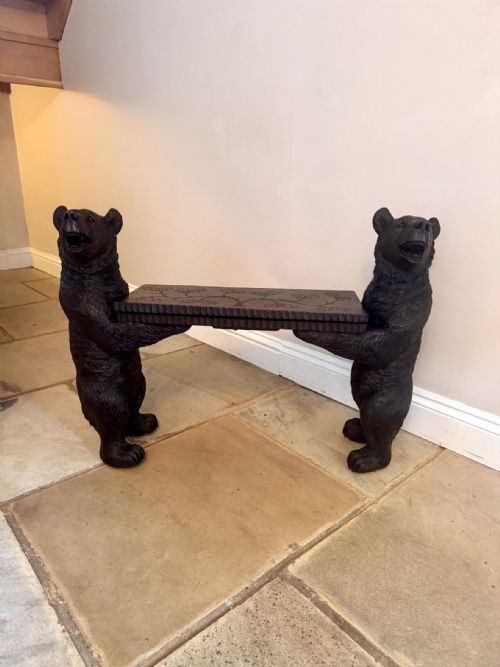
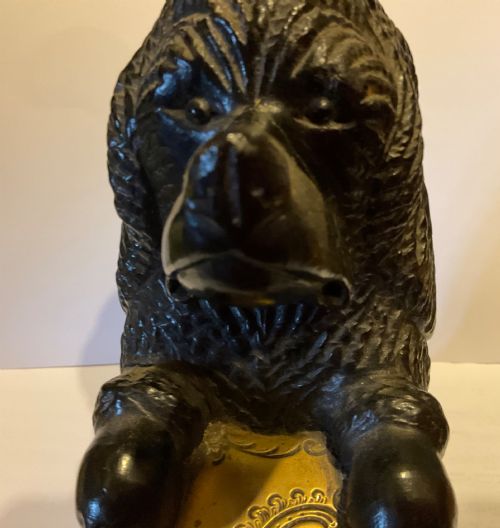
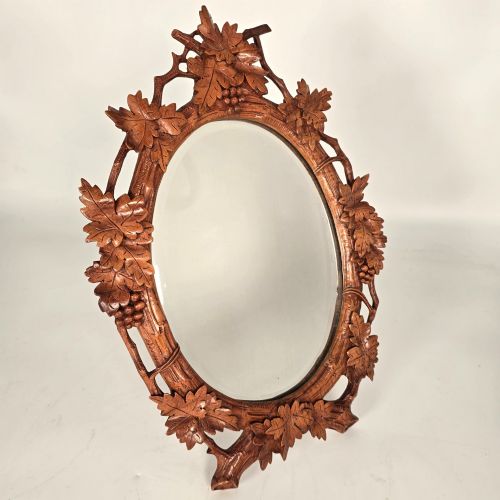
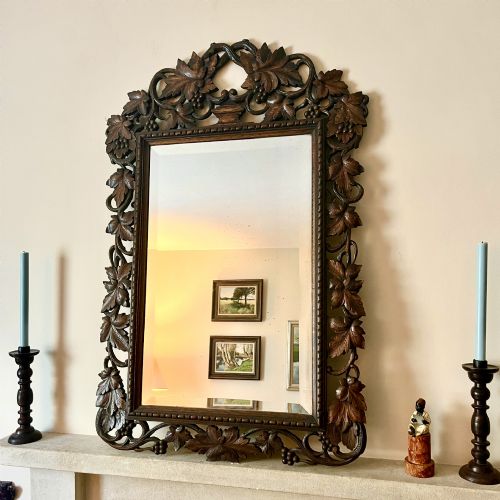
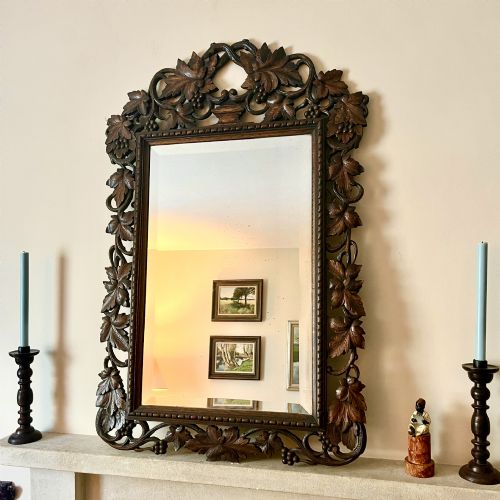
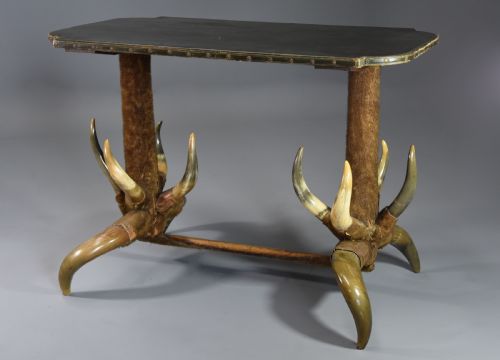
The most common items on this page are carved wooden bears functioning as umbrella stands, benches, and tobacco holders. Alongside these ursine carvings, walnut and linden wood wall mirrors, caskets, and occasional tables reflect the distinct alpine aesthetic of the period.
How They Were Made
Carvers utilised soft, cooperative woods such as linden, lime, and fruitwood alongside denser walnut and oak to achieve varying degrees of sculptural depth. Craftsmen employed traditional gouges and chisels to render realistic fur textures, musculature, and naturalistic foliage.
Many items incorporate mixed media such as glass eyes in animal figures or brass mounts and hinges on boxes and humidors. Construction often combined solid wood carving with marquetry inlay on surfaces like musical chairs and table tops.
19th Century Black Forest Retail Price Guide 2026
Typical asking prices for 19th century black forest among the pieces listed under this phrase on Sellingantiques today, from the lower quarter to the upper quarter. They describe what is for sale here now, not the wider market.
Bears are caught doing everything here: holding your cigars, standing in the hallway, and even offering up a light.
What Varies in Quality
The anatomical accuracy and vitality of the carving separate standard workshop pieces from exhibition quality examples. Superior works capture convincing movement and expression in animal subjects, particularly in complex groups involving multiple figures or trophies.
Depth of relief and the intricacy of foliage or fur detailing dictate the overall sophistication of an object. Pieces retaining original surface finishes and distinct maker signatures or stamps command greater attention from collectors.
J Huggler·Bergen and Co
The 19th Century Black Forest Glossary
- Linden wood
- A pale, fine-grained timber favoured by carvers for its even texture and suitability for intricate detail. It accepts sharp chisel work without splitting easily.
- Humidor
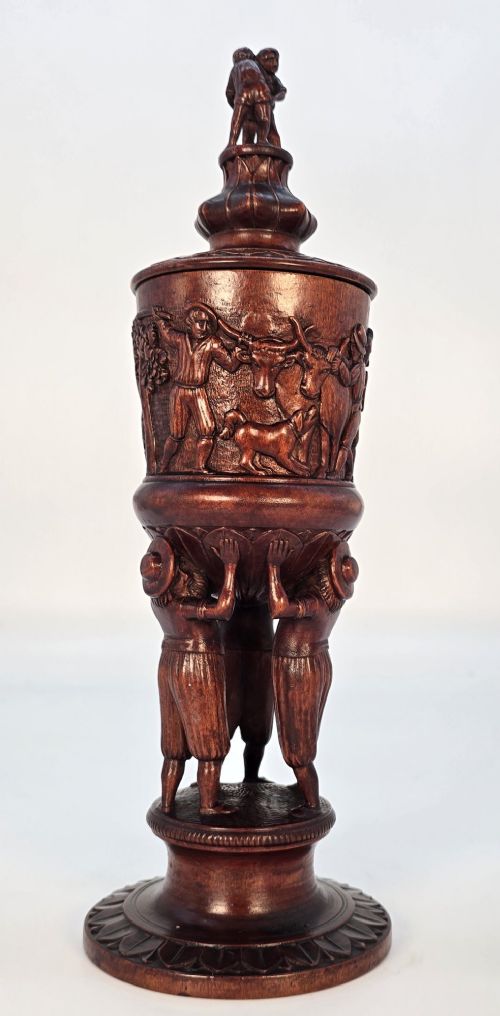
- A specialised box or casket designed to keep cigars at the correct humidity. These often feature carved animal lids or hunting motifs.
- Swiss Brienz
- A regional style of woodcarving originating in Switzerland that heavily influenced the broader aesthetic. It is known for precision and naturalistic animal studies.
- Trophy carving
- A decorative panel or plaque depicting mounted game, hunting horns, and foliage. These celebrated successful hunts in alpine lodges.
- Cuckoo clock
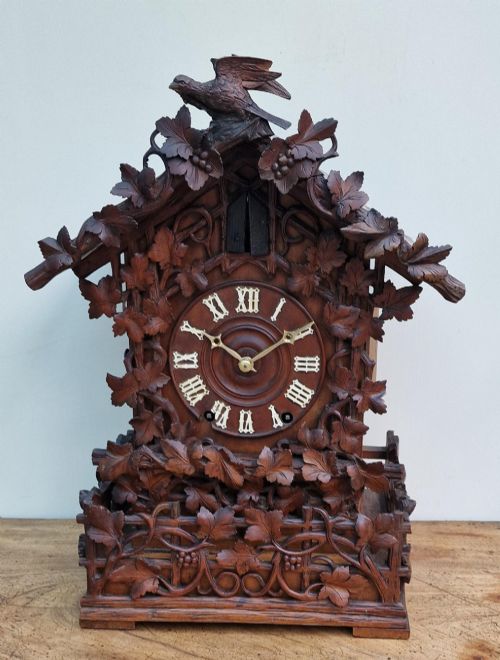
- A mechanical timekeeper featuring automated figures and animated bird calls housed in a carved wooden case. Cases frequently display carved leaves and birds.
19th Century Black Forest: Frequently Asked Questions
What animal motifs are most common?
Bears appear most frequently across a wide variety of functional and decorative forms, ranging from small nutcrackers to life-sized hall stands. Stags, foxes, owls, and dogs also form a significant portion of the surviving sculptural work.
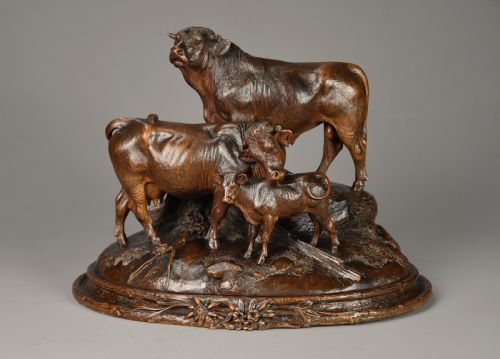
Other less common animals include wild boars, mountain goats, and cattle groups. These creatures often interact with natural elements like oak branches and rocky outcrops.
How do I care for carved wood?
Maintain stable indoor humidity levels to prevent the timber from drying out, cracking, or warping over time. Keep pieces away from direct sunlight and heat sources to preserve the original finish.
Dust the intricate carvings gently with a soft, dry brush to avoid damaging delicate raised details such as fur texture or leaf tips. Avoid applying modern liquid polishes unless specifically suited to antique wood.
Were these items purely decorative?
Many pieces served practical functions within Victorian homes, combining art with everyday utility. Inkwells, tobacco holders, umbrella stands, and book racks were standard domestic accessories.
Larger furniture items like hall stands, wall brackets, and occasional tables integrated storage and seating into hallways and libraries. The craftsmanship elevated mundane household objects into conversation pieces.
How can I tell Swiss Brienz work apart?
Swiss Brienz carvings generally exhibit exceptional refinement and anatomical precision, focusing heavily on local fauna and human figures. The wood is often lighter linden or lime, finished to highlight the clean lines of the carving.
Broader regional interpretations sometimes used darker walnut and displayed a slightly more rustic finish. Signature stamps on the underside can occasionally confirm specific workshop origins.