






Antique Brienz Carved Sculpture
These antique brienz carved sculpture pieces bring the rustic charm of Swiss folk art into your home through detailed woodworking.
Antique Brienz Carved Sculpture
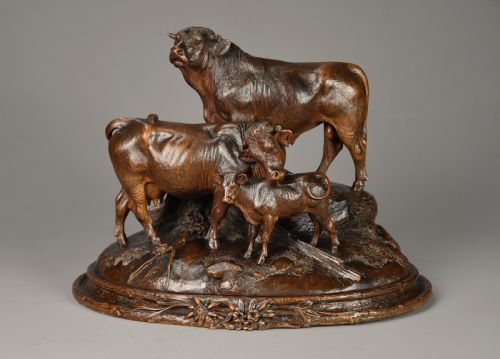
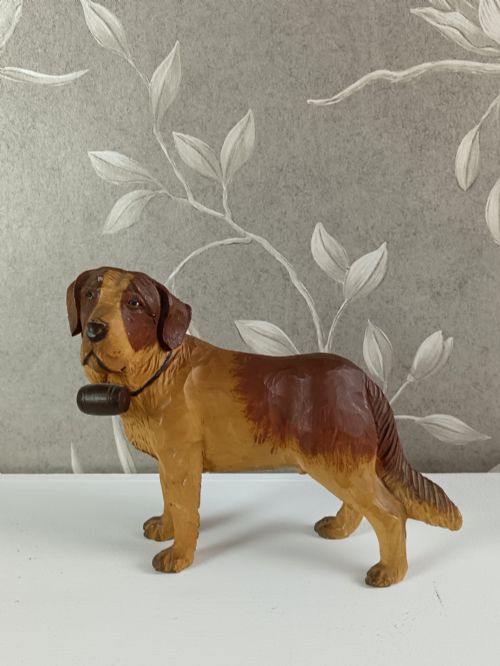
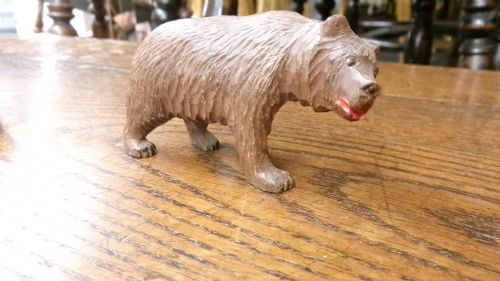
When you search for antique brienz carved sculpture, you encounter intricate wooden figures originating from the Swiss alpine region. These carvings frequently depict forest animals such as bears, cattle, goats, and dogs, reflecting the natural world of the nineteenth and early twentieth centuries.
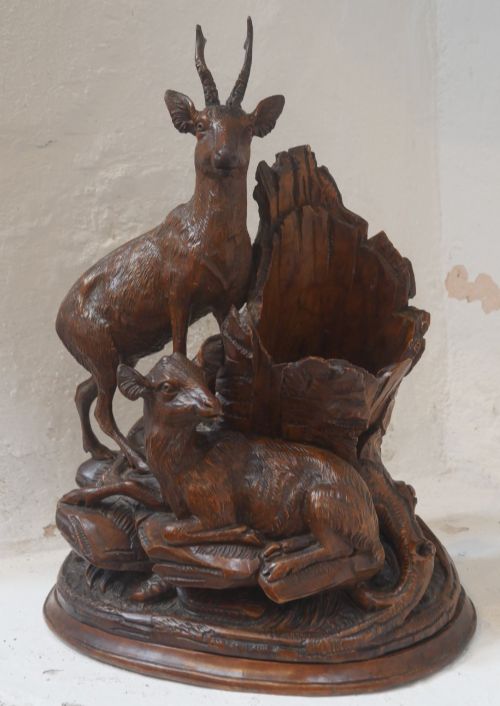
The objects take many functional and decorative forms, including bookends, tobacco boxes, inkwells, hall stands, and freestanding animal groups. You are most likely to meet pieces executed in the Black Forest style, which gained popularity during the Victorian era and the early decades of the twentieth century.
Materials and construction
Carvers predominantly utilised local timbers such as linden wood, lime wood, and walnut for their fine grain and malleability. These woods allowed artisans to render complex textures like fur, feathers, and anatomical details with precision.
Makers shaped the timber using traditional hand-chiselling techniques before finishing the surfaces with subtle stains and wax to highlight the natural grain. Metal components occasionally appear in functional pieces like inkwells or wall plaques, while glass inserts serve as eyes for animal figures.
Antique Brienz Carved Sculpture Retail Price Guide 2026
Typical asking prices for brienz carved sculpture among the pieces listed under this phrase on Sellingantiques today, from the lower quarter to the upper quarter. They describe what is for sale here now, not the wider market.
Listings feature linden wood, walnut, and lime wood across Victorian, Edwardian, and mid-twentieth-century periods.
Assessing quality in carving
The distinction between ordinary and superior pieces lies in the anatomical accuracy and expression of the subject. Master carvers captured movement and life in the musculature of animals and the folds of fur, whereas lesser examples remain stiff and generalized.
Depth of relief and undercut detailing separate ambitious compositions from simpler production work. Finer sculptures display crisp tool marks and careful finishing that preserve the organic warmth of the wood.
J Huggler
The Antique Brienz Carved Sculpture Glossary
- Black Forest
- A regional style of woodcarving originating from central Europe and Switzerland, famous for animal subjects and rustic furniture. The style flourished during the nineteenth century.
- Linden wood
- A pale, fine-grained timber favoured by carvers for its softness and lack of prominent grain. It allows for intricate undercutting without splintering.
- Undercutting
- A carving technique where wood is removed beneath a subject to create a three-dimensional effect that stands free from the background. This method demonstrates the carver's technical skill.
- Humidor
- A specialised box designed to keep tobacco moist, often carved here to resemble a seated bear or woodland creature. These linden wood containers combine utility with whimsical folk art.
Antique Brienz Carved Sculpture: Frequently Asked Questions
What animals appear most often?
Bears dominate the surviving output of these carvings, appearing singly, in pairs, or gathered in miniature sets. Other common subjects include cattle, ibex, chamois, mountain goats, and rescue dogs.
Domestic and wild cats also occur less frequently, sometimes incorporated into whimsical objects like inkwells.
How were these carvings used originally?
Many pieces served practical domestic functions despite their decorative appearance. Sculptures doubled as bookends, tobacco boxes, inkwells, and large hall stands for walking sticks.
Smaller figures functioned purely as mantel ornaments, while wall plaques adorned hunting lodges and rustic interiors.
How do I date an antique carving?
Dating relies on stylistic clues, timber choice, and occasional maker signatures or stamps. Pieces from the Victorian period tend to feature darker finishes and heavier proportions.
Early twentieth-century examples often display lighter linden wood and more naturalistic animal poses.
How should I care for wooden sculptures?
Keep wooden carvings away from direct sunlight and heat sources to prevent the timber from drying out and cracking. Maintain a stable room temperature to protect the grain and joints.
Dust gently with a soft, dry brush and avoid using liquid polishes or chemical cleaners on the bare wood.