
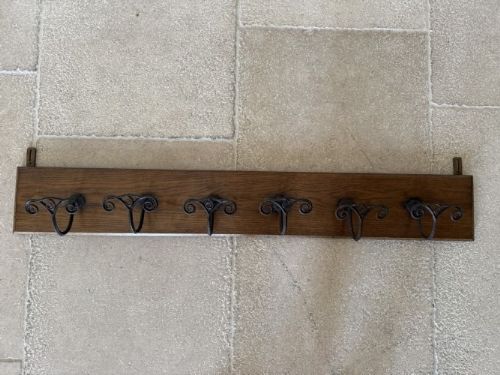
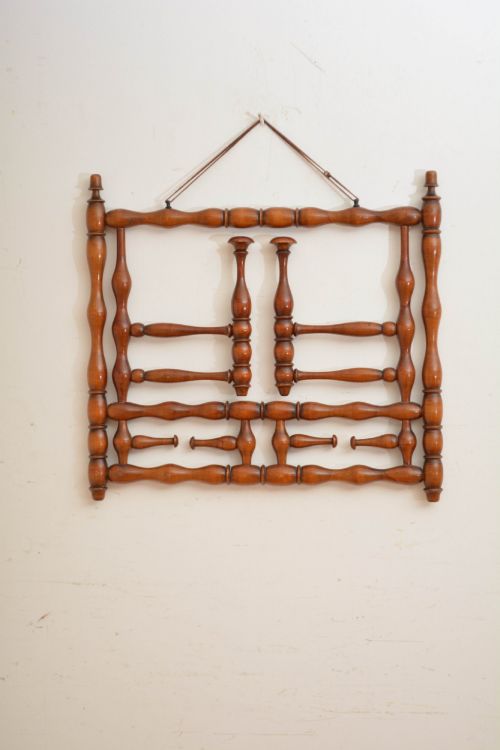


Carved Wooden Coat Hooks
These carved wooden coat hooks bring utilitarian British hallways to life with genuine period character and rich natural timber.
Carved Wooden Coat Hooks
Carved wooden coat hooks combine practical hanging storage with decorative craftsmanship, appearing as single wall hooks, multi-hook wall racks, or substantial hall stands. When you search for carved wooden coat hooks, you encounter pieces designed to organise entranceways, cloakrooms, and hallways from the eighteenth century through to the art deco period. The selection includes domestic oak and mahogany boards alongside expressive continental carvings.
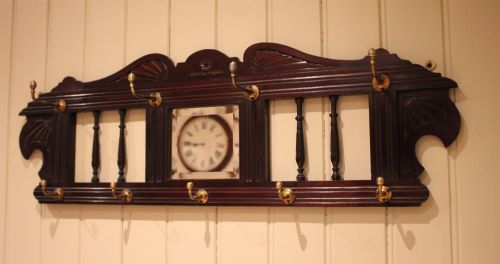
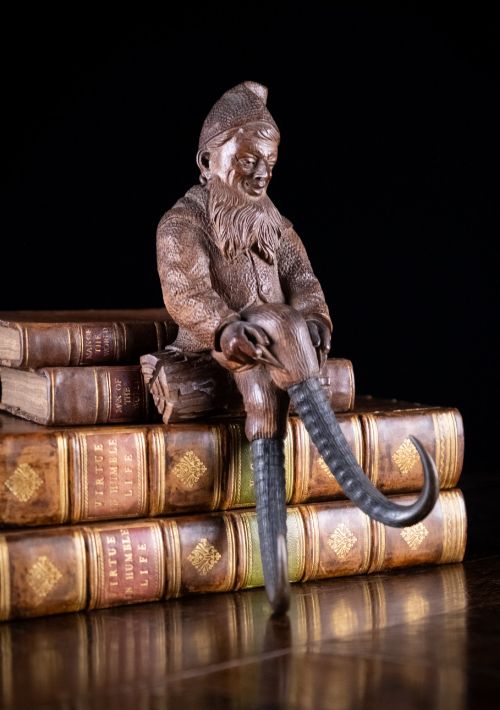
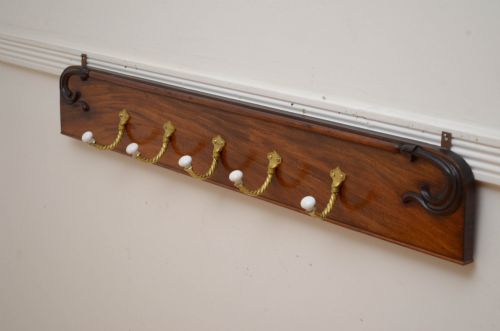
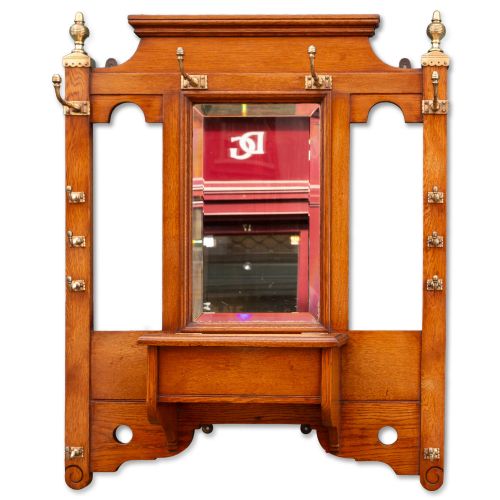
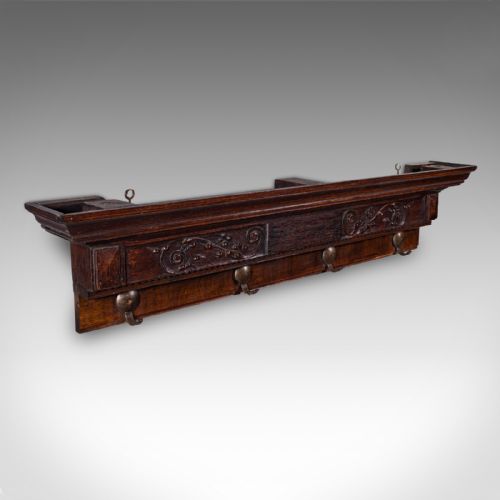
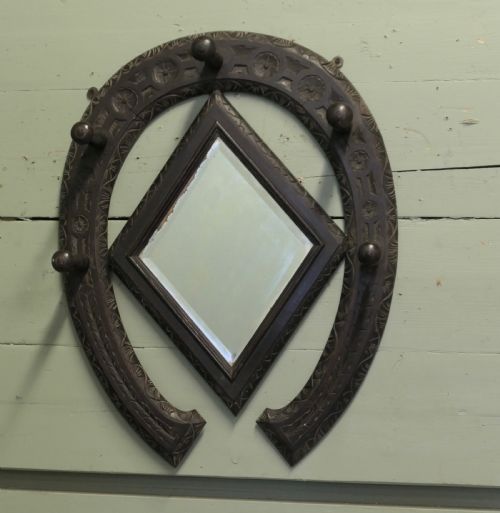
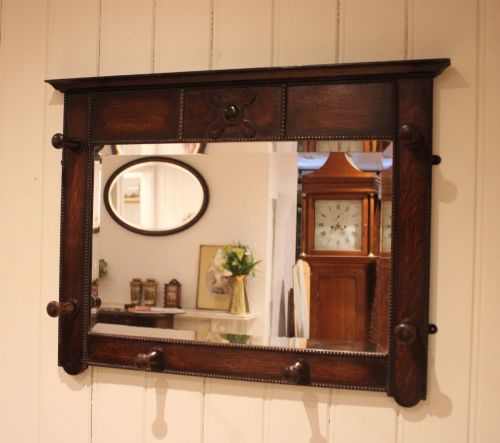
The version you are most likely to meet on this page is the Victorian or late nineteenth-century wall-mounted rack fashioned from oak, walnut, or mahogany. These pieces frequently incorporate brass, ceramic, or horn hooks, and many integrate mirrors, umbrella stands, or small ledges for hats. Simpler single hooks, such as Black Forest animal carvings, also surface regularly.
How they were made
Cabinet makers and carvers utilised durable native and imported hardwoods, primarily oak, mahogany, walnut, and linden wood. Linden wood served particularly well for detailed continental carvings, such as Black Forest animal heads, due to its fine, even grain. Oak and mahogany provided the structural stability needed for wall racks and hall stands expected to bear the weight of heavy garments.
Makers integrated various secondary materials to enhance function and appearance, securing brass, iron, or ceramic hooks into the timber backing. Glass mirrors, barometer inserts, and horn elements appeared in more elaborate Victorian and Edwardian hall stands. Carving was executed by hand, rendering distinct textures and motifs ranging from Gothic revival details to naturalistic foliage and animals.
Listings span from the 18th century to the 1930s, featuring oak, mahogany, walnut, and linden wood alongside brass and glass.
What varies in quality
The distinction between standard utility items and superior examples lies in the depth and precision of the hand carving. Finer pieces display expressive anatomical detail in animal carvings and crisp, well-defined mouldings on the timber backplates. Lesser examples rely on repetitive factory stamping or lack the sharp relief found in dedicated workshops.
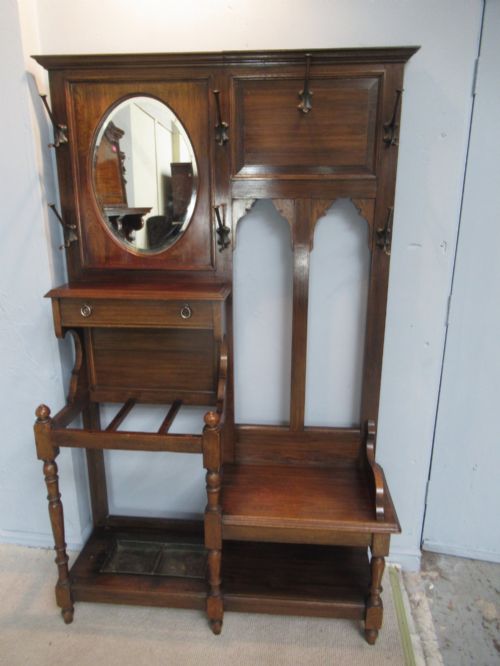
Material selection and hardware integrity further dictate overall quality. Superior pieces use substantial, well-seasoned timbers that resist warping alongside original cast brass or ceramic hooks rather than later replacements. The integration of functional additions, such as bevelled mirror plates or fitted drip pans on hall stands, elevates the standard of the piece.
The Carved Wooden Coat Hooks Glossary
- Black Forest
- A style of wood carving originating from the Swiss and German border regions during the nineteenth century. These pieces are typically characterised by naturalistic depictions of animals, foliage, and alpine scenes.
- Hall Stand
- A large piece of hall furniture combining coat hooks, a hat rack, a mirror, and often an umbrella stand with a drip tray. They were central to Victorian and Edwardian domestic entrances.
- Gothic Revival
- An architectural and decorative style popular in the nineteenth century that revived medieval forms. Pieces display pointed arches, tracery, and robust proportions.
- Bevelled Plate
- A mirror glass with an angled, polished edge designed to catch the light. This technique indicates higher-grade manufacturing in nineteenth-century mirrors.
- Wall Rack
- A horizontal wooden board fitted with multiple hooks for hanging coats and hats. They were fixed directly to hallway walls.
Carved Wooden Coat Hooks: Frequently Asked Questions
How do I mount an antique coat rack?
Antique coat racks require secure fixing into wall studs or solid masonry using appropriate screws and rawlplugs. Because these pieces are heavy and designed to hold loaded garments, proper anchoring ensures the timber does not pull away from the wall under weight.
Distribute the weight evenly across the fixing points provided on the original backplate. Avoid relying on old plaster alone without proper wall anchors.
What is Black Forest carving?
Black Forest carving refers to highly detailed wooden sculptures and furniture produced in Central Europe during the nineteenth century. Artisans specialised in realistic representations of animals, such as bears, chamois, and dogs, often integrated into functional items like coat hooks and umbrella stands.
The style became immensely popular in Victorian Britain as decorative and eccentric interior accessories. These items were showcased in grand hallways and hunting lodges alike.
How do I date a wooden coat rack?
Dating relies on timber selection, carving style, and accompanying hardware such as hooks and mirror plates. Eighteenth-century and early nineteenth-century pieces generally show simpler, hand-planed backboards and forged iron hooks, whereas Victorian and Edwardian examples feature more ornate carving, brass hardware, and integrated mirrors.
Stylistic markers like Gothic Revival arches or Art Deco geometric lines further narrow the period of manufacture. Examining the screw types and construction methods at the back provides additional chronological clues.
Were these used in homes or public spaces?
These pieces served both domestic households and commercial or institutional reception areas. Smaller wall racks and hat stands furnished private Victorian and Edwardian hallways, while larger hall stands welcomed visitors in country houses and gentlemen's clubs.
Specialised pieces like cloakroom valets and tack racks catered to specific domestic tasks and country pursuits. Their presence was essential in period British interiors for managing outdoor wear before entering main living rooms.