

Victorian Wall Mounted Rack
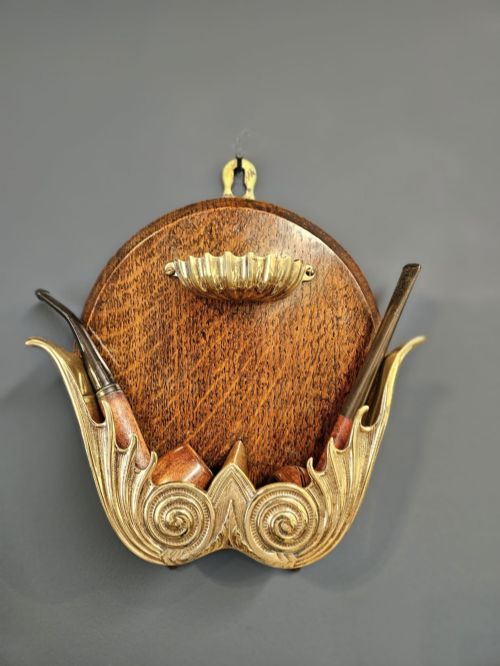
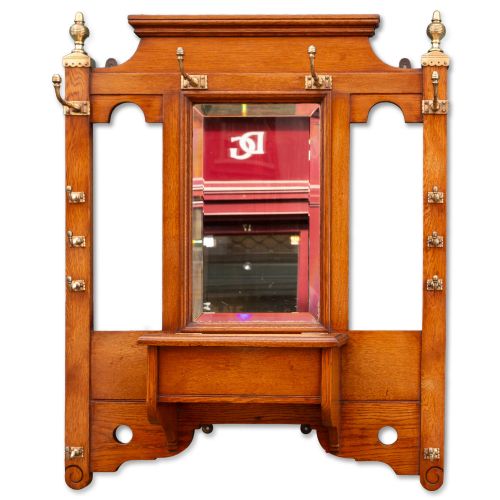
These Victorian wall mounted rack pieces combine practical storage with period joinery, bringing sensible timber and metal work straight into domestic halls and utility rooms.
Victorian Wall Mounted Rack
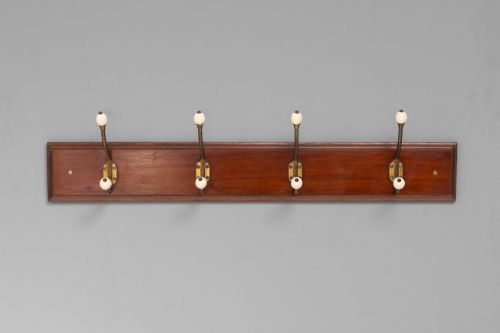
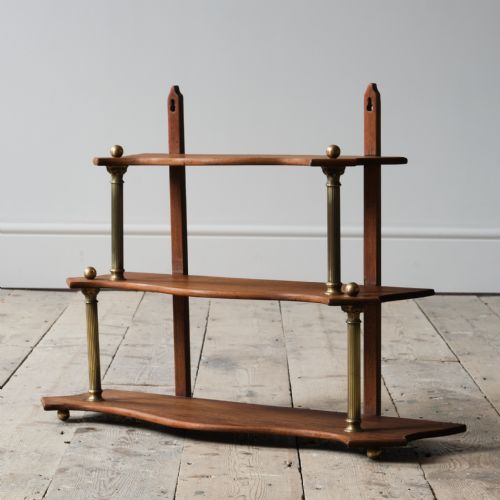
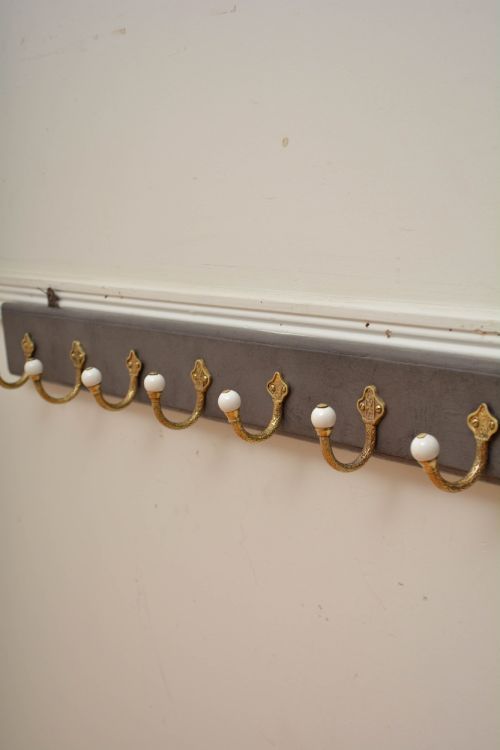
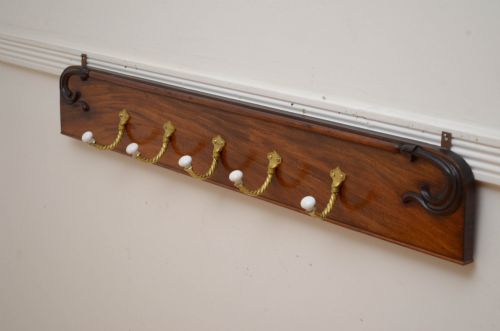
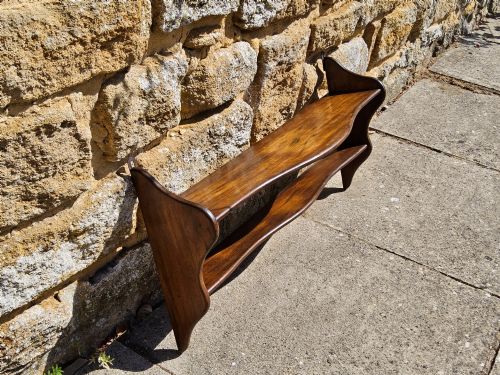
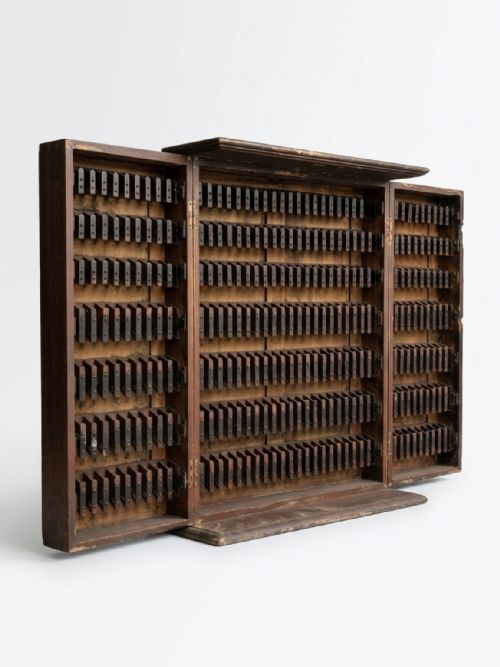
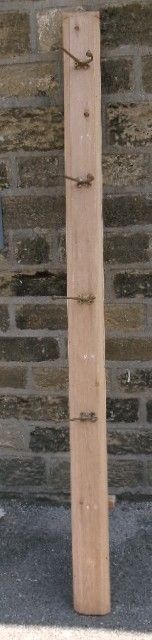
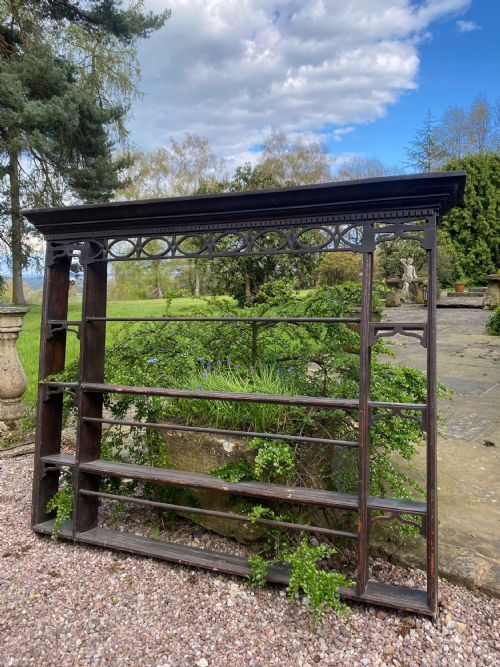
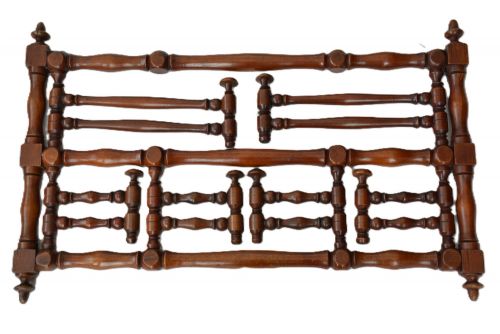
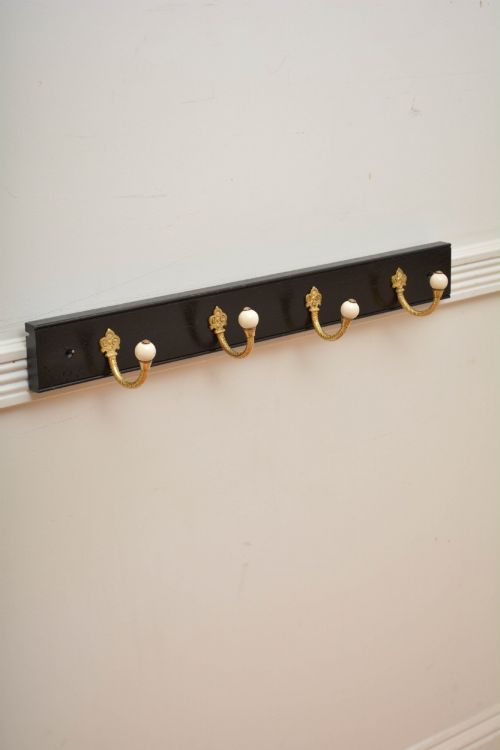
A buyer seeking a victorian wall mounted rack encounters various timber and metal configurations designed to hold hats, coats, plates, and small domestic items. The selection spans straightforward backboards fitted with brass and ceramic hooks alongside tiered wall shelves and specialised saddle supports.
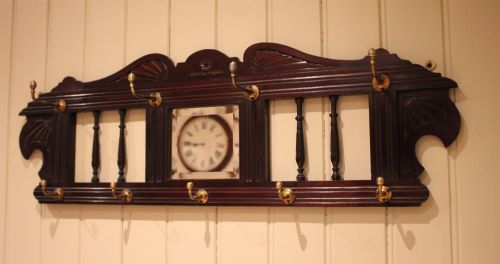
The most frequent examples on this page are mahogany and oak coat racks accompanied by cast hooks, reflecting the heavy domestic utility of the nineteenth century. Hall stands and multi-tiered shelving units also appear regularly, utilising wall space to maintain order in traditional entrances.
Materials and construction
Makers relied on sturdy hardwoods like mahogany, oak, walnut, and pine to build the backboards and shelving frames. These timbers were frequently polished, ebonised, or painted depending on the intended room and regional taste.
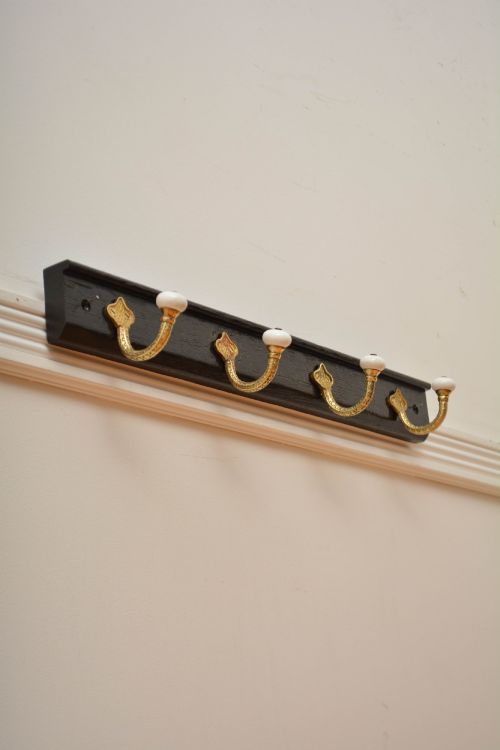
Metal components added necessary strength, featuring cast brass hooks, bronze mountings, and forged iron brackets. Ceramic inserts often decorated the tips of hooks, combining utilitarian metalwork with contrasting glazed elements.
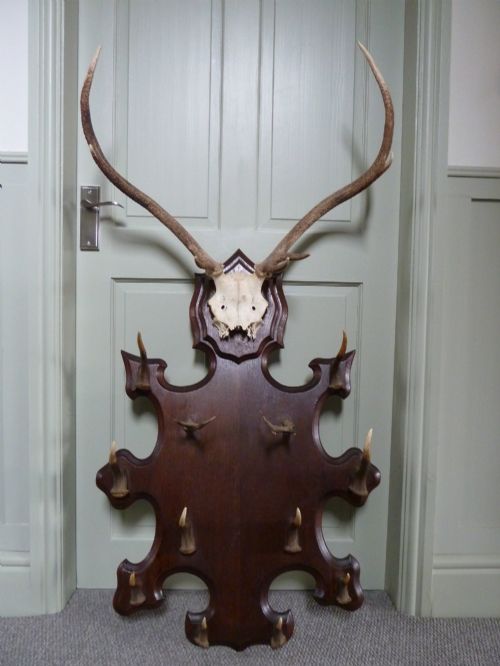
A stag's horn appears among the oak boards, ready for a Victorian hat.
Assessing quality and build
Quality rests in the weight of the timber and the substance of the mounting hardware. Solid mahogany or golden oak backboards paired with deeply cast brass plates demonstrate superior durability compared to lighter pine alternatives.
Attention to detail in the hooks and joinery separates standard utility items from finer examples. Well-cast mounting brackets and securely fitted ceramic inserts indicate careful workshop production.
The Victorian Wall Mounted Rack Glossary
- Backboard
- The primary wooden plank or panel used to mount hooks or shelves to the wall. This timber forms the structural base that bears the weight of hanging garments.
- Bentwood
- Wood steamed and bent into curved structural shapes, frequently utilised in nineteenth-century coat racks. This technique allowed for light yet resilient frames.
- Ebonised
- Timber treated with a dark finish to imitate expensive ebony. It provided a formal appearance common on Victorian and Aesthetic Movement pieces.
- Portmanteau
- A wall-mounted or freestanding rack combining hat hooks and shelf space for travel gear. These items served busy Victorian reception halls.
- Stags Horn
- Natural antler material utilised for mounting hooks on rustic or country house coat racks. This organic medium introduced texture to utilitarian hallway fittings.
Victorian Wall Mounted Rack: Frequently Asked Questions
How were these racks mounted?
These pieces generally utilised pre-drilled screw holes or heavy metal mounting plates integrated into the timber backboard.
Installers fixed them directly to wall studs or masonry using appropriate screws to support the weight of heavy coats and hats.
What rooms suit a wall rack?
They fit naturally in entrance halls, boot rooms, and kitchens where hanging storage is practical.
Plate racks belong in dining spaces, while coat hooks and hat stands serve domestic circulation areas.
How do I identify a Victorian rack?
Look for dense hardwoods like mahogany and oak combined with hand-cast brass hardware and ceramic hook inserts.
Construction methods typically involve period joinery and nineteenth-century timber preparation rather than modern laminates.
Are these racks suitable for heavy coats?
Solid wood backboards secured with multiple brass or iron hooks handle heavy winter outerwear effectively.
Hardware mounted on robust oak or mahogany boards provides the structural strength required for daily domestic use.