



19th Century Bird Statue
A 19th century bird statue brings the vigour of the natural world into a room, offering finely cast bronze and painted porcelain that collectors prize.
19th Century Bird Statue
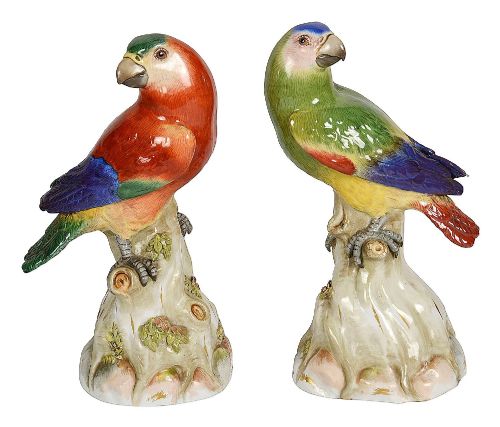
A 19th century bird statue encompasses everything from finely modelled European porcelain parrots and herons to dramatic bronze eagles and carved wooden figures. These sculptures reflect the period's intense fascination with naturalism, translating feathers, beaks and wings into permanent media.
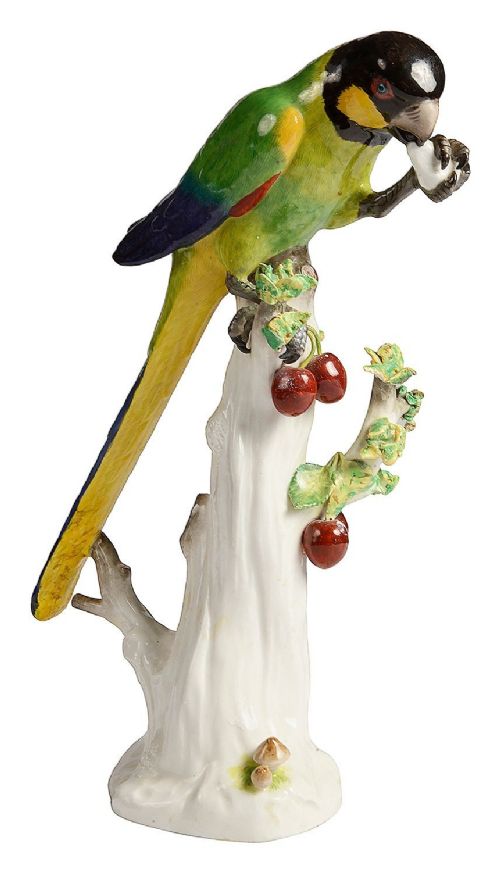
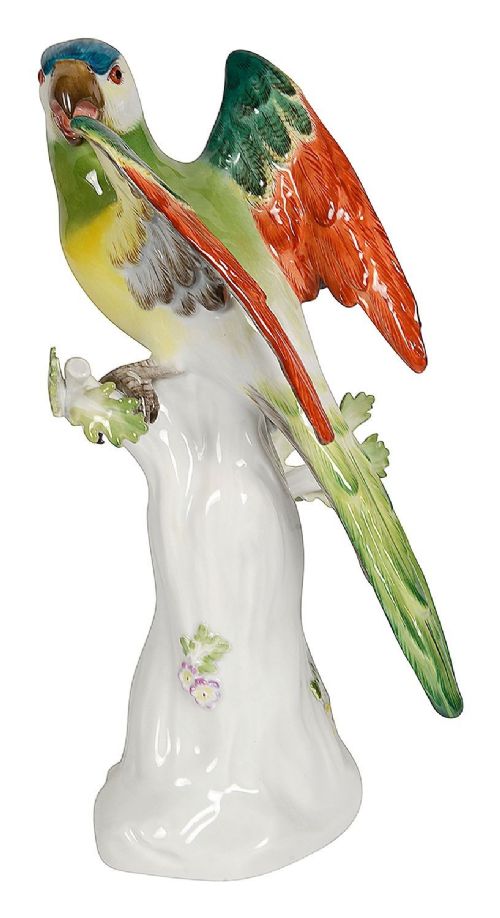
Buyers will encounter diverse forms on this page, ranging from French animalier bronzes depicting storks and ostriches to delicate Meissen porcelain perched on tree trunks. Figures span the Victorian era, incorporating styles like Art Nouveau and French Animalier alongside folk art and international pieces from China and Japan.
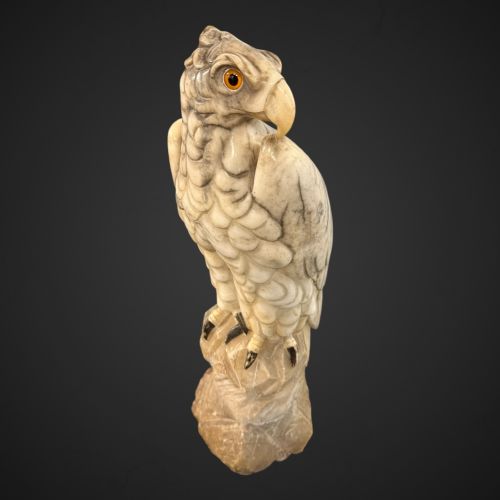
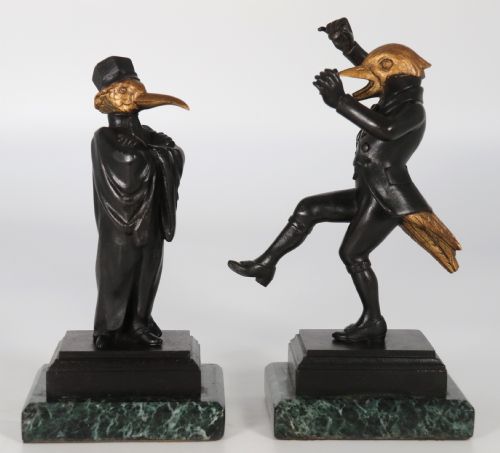
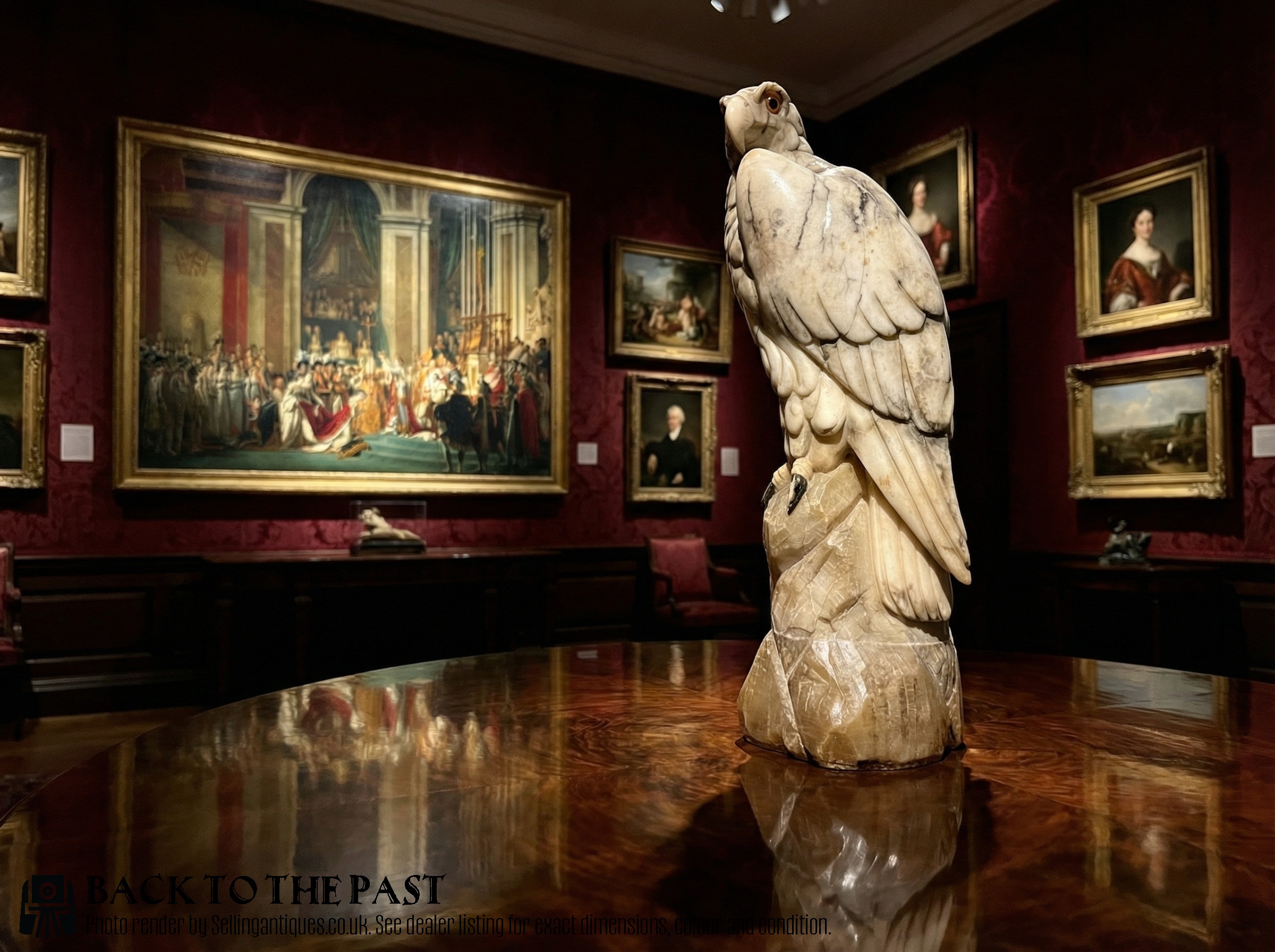
The selection includes both solitary subjects, such as an eagle in veined Carrara marble, and elaborate paired figures like theatrical birds or hoopoes. These works served as mantelpiece ornaments, cabinet pieces and decorative centrepieces for nineteenth-century interiors.
Materials and Techniques
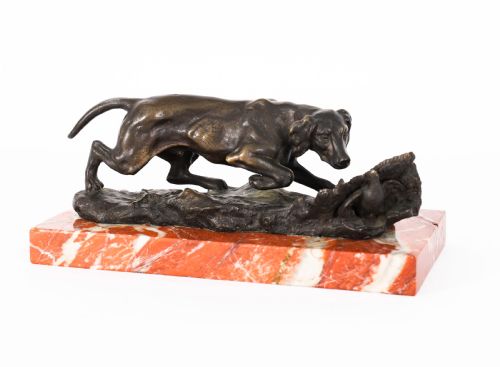
Bronze casting dominates the sculptural metalwork, frequently utilising the lost-wax method to capture intricate feather details and lifelike postures in creatures ranging from hawks to small fledgings in nests. Foundries and artisans combined bronze with cast brass, marble bases and giltwood to create weight and presence.
Ceramic figures rely on hard-paste porcelain and earthenware bodies finished with detailed enamel painting and rich glazes, as seen in the Meissen factory productions and Chinese export wares. Woodcarving traditions also feature prominently, utilising walnut and other timbers for carved parrots and black forest animals.
19th Century Bird Statue Retail Price Guide 2026
Typical asking prices for 19th century bird statue among the pieces listed under this phrase on Sellingantiques today, from the lower quarter to the upper quarter. They describe what is for sale here now, not the wider market.
Materials represented in the current selection include bronze, Carrara marble, carved wood, enamel, glass, glaze, porcelain and terracotta.
Markers of Quality
Quality in a 19th century bird statue rests upon the sharpness of the casting or the precision of the modelling and hand-painting. Superior bronzes display crisp chasing work that defines individual feathers without looking rigid, while finer ceramics show subtle colour blending and careful anatomical proportion.
The choice of base materials and the reputation of the maker or foundry elevate certain pieces above standard factory output. Sculptures cast by renowned foundries or modelled by celebrated artists command greater attention through their superior balance, weight and lifelike animation.
Carl Kauba·Meissen·Antoine Louis Barye·Barbedienne·Maurice Bouval·Antoine Bofill·Auguste Moreau·Christophe Fratin
The 19th Century Bird Statue Glossary
- Animalier
- A nineteenth-century artistic movement dedicated to the realistic representation of animals, particularly predators and birds in dynamic or natural poses.
- Carrara Marble
- A type of white or blue-grey marble quarried in Italy, prized for its fine grain and used for classical sculpture bases and carved eagle statues.
- Famille Rose
- A major palette of Chinese ceramic glazes featuring opaque pink enamel, widely used on nineteenth-century porcelain birds and figures.
- Giltwood
- Wood that has been treated with a thin layer of gold leaf, frequently utilised in nineteenth-century decorative eagle carvings and wall ornaments.
- Lost-wax
- A metalcasting method where a molten metal is poured into a mould that has been created by means of a wax model, allowing for extreme fine detail in bronze birds.
19th Century Bird Statue: Frequently Asked Questions
What birds are most common in these statues?
Parrots, eagles and exotic fowl appear most frequently across these listings, reflecting the Victorian taste for both native wildlife and tropical specimens. Artisans also modelled storks, ostriches, cockerels and mythical creatures like the phoenix.
These subjects allowed makers to explore dramatic plumage, aggressive hunting poses and colourful enamel decoration suited to domestic display.
How do I distinguish bronze from brass pieces?
Bronze typically exhibits a deeper, warmer metallic tone and heavier weight, often enhanced with patination ranging from dark brown to verdigris green. Cast brass tends to be brighter in colour and was frequently gilt for decorative effect.
Examining the underside and the crispness of the feather work helps determine which alloy the foundry utilised.
Where were these statues displayed originally?
Nineteenth-century bird statues stood on mantelpieces, library tables, cabinets of curiosity and entrance halls as symbols of refinement and a taste for natural history. Pairs were often arranged symmetrically on either side of a clock or urn.
Today, they function equally well as focal points on sideboards or within glass-fronted display cases.
How do I care for a porcelain bird figure?
Glazed porcelain and enamel surfaces require only gentle dusting with a soft, dry brush to prevent the accumulation of dirt in recessed feather details. Avoid using water or chemical cleaners, which can damage delicate hand-painted enamels over time.
Display the piece away from direct sunlight and areas prone to heavy vibration to protect the extremities.