

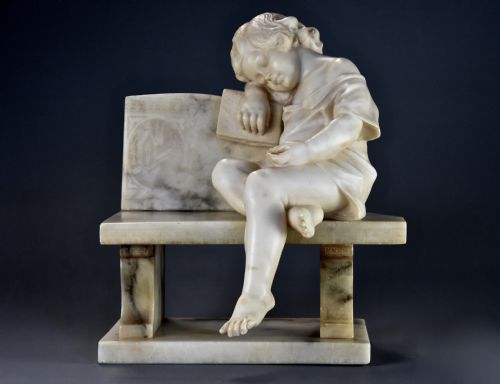
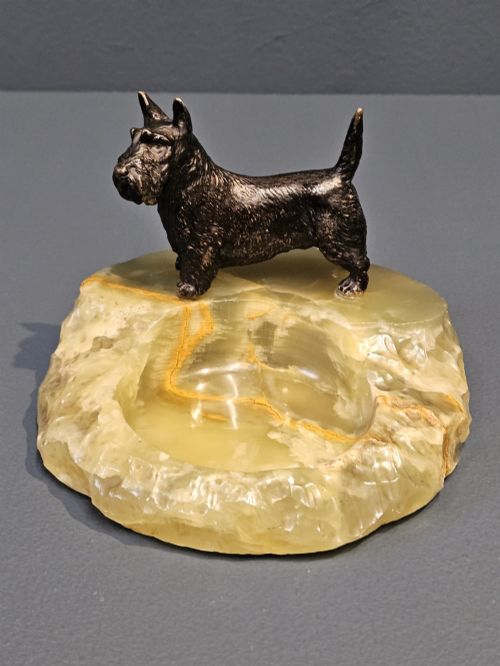
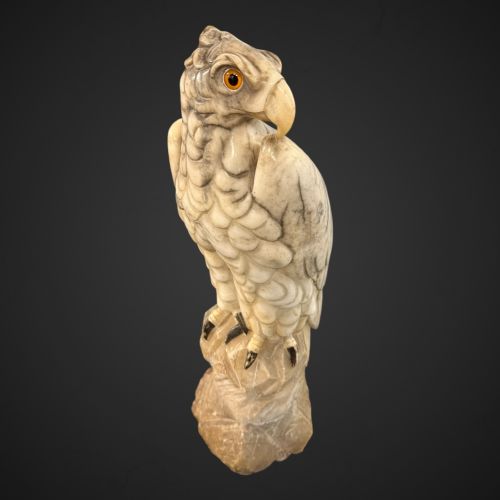
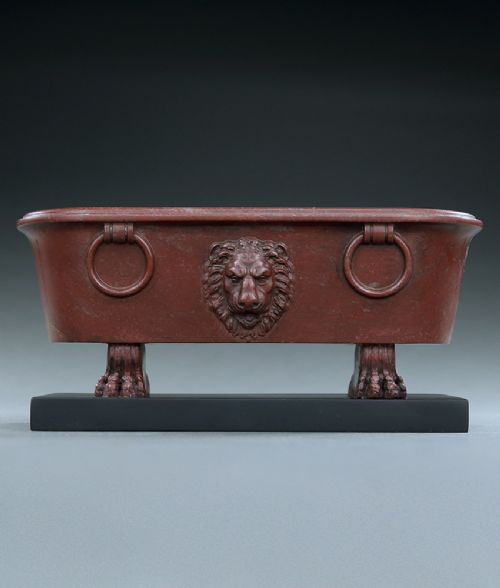


Carved Marble Desk Ornament
A carved marble desk ornament brings the grand architectural weight of the past directly onto your blotter.
Carved Marble Desk Ornament
A carved marble desk ornament comprises sculpted figures, architectural models, and heavy paperweights designed for nineteenth-century and early twentieth-century writing tables. These desk accessories often reflect neoclassical ideals, Grand Tour souvenirs, or exotic revival themes.
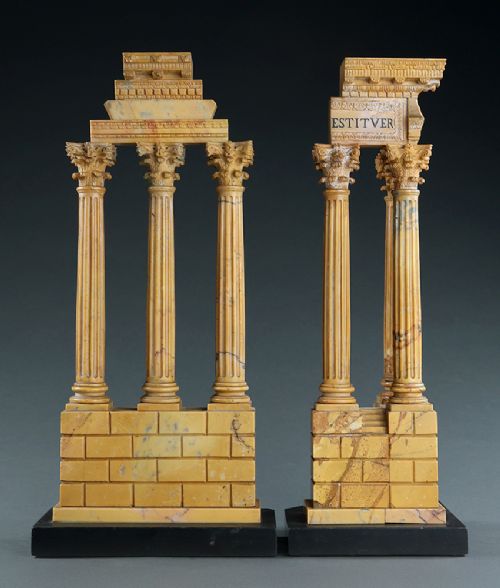
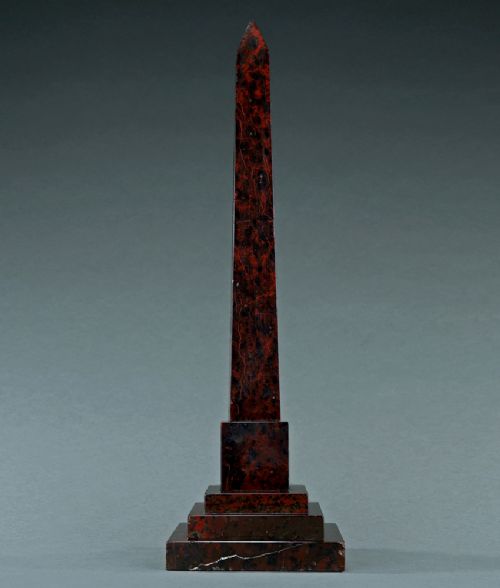
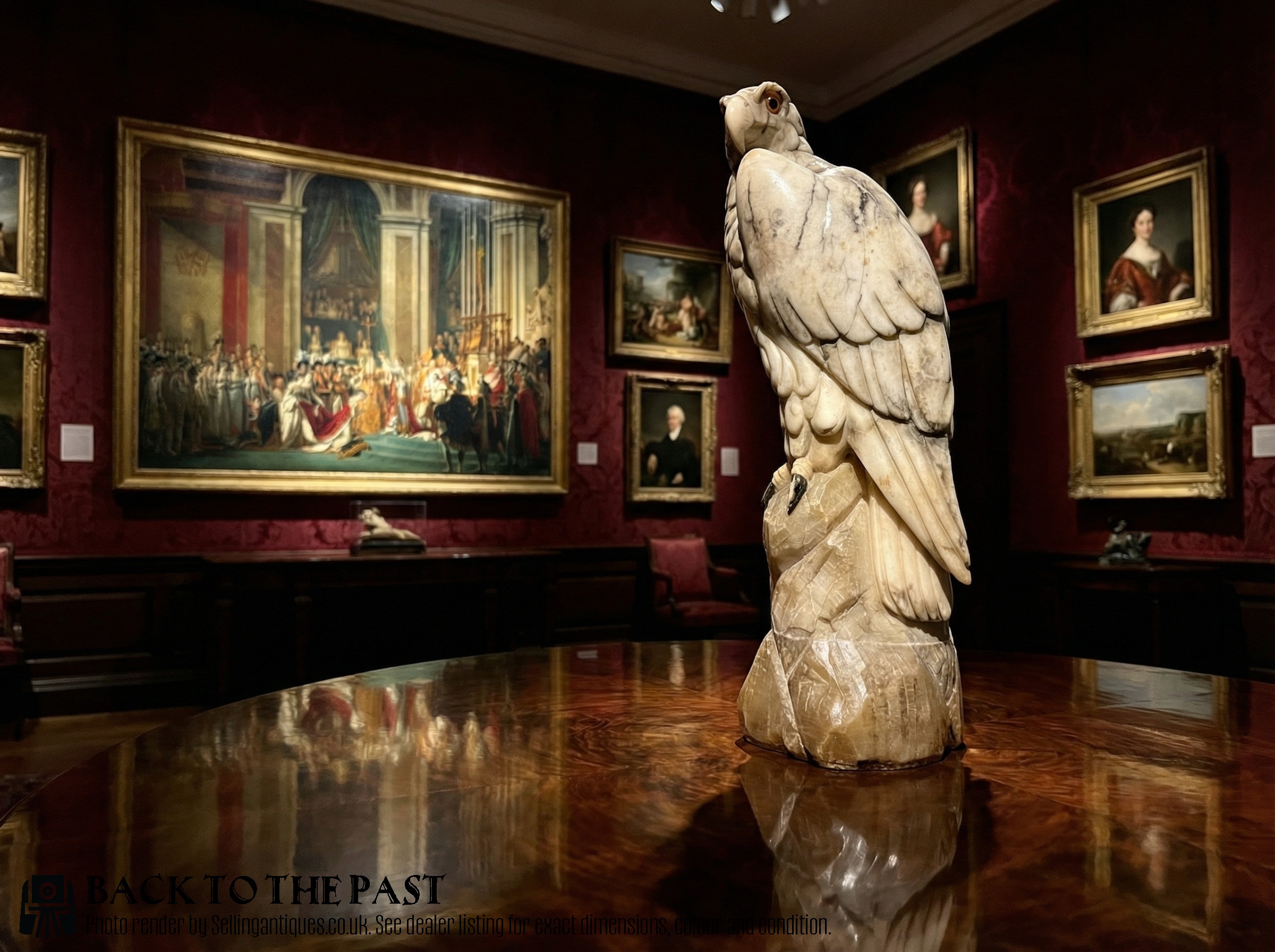
Buyers meeting this search phrase encounter solid stone objects fashioned from materials like Carrara marble, Siena marble, and red serpentine. Forms range from classical obelisks and forum temples to sculptural eagles, equestrian studies, and inlaid specimen pieces.
The selection on this page draws heavily from nineteenth-century Neoclassical and Victorian traditions alongside later Art Deco and Chinese Qing style examples. Each object serves as both a functional paperweight and a miniature monument to classical antiquity or distant travels.
How they were made
Masons and stone-carvers shaped these desk ornaments using dense natural minerals, principally varieties of marble such as Carrara, Siena, and black marble, supplemented by serpentine, Egyptian onyx, crystalline quartz, and soapstone. Selected pieces incorporate intricate specimen marble inlay work alongside carved sculptural forms.
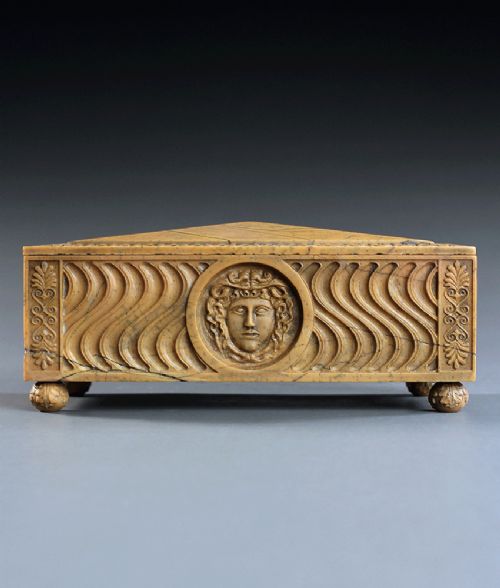
The production technique relies on precise hand-chiselling, turning, and polishing to achieve smooth architectural surfaces and detailed figural rendering. Artisans captured complex subjects, from equestrian stallion and mare studies to architectural models of Roman temples and sarcophagus caskets, entirely through stone reduction and assembly.
Carved Marble Desk Ornament Retail Price Guide 2026
Typical asking prices for carved marble desk ornament among the pieces listed under this phrase on Sellingantiques today, from the lower quarter to the upper quarter. They describe what is for sale here now, not the wider market.
Current listings demonstrate materials spanning Carrara marble, Siena marble, serpentine, Egyptian onyx, crystalline quartz, and soapstone across the nineteenth and twentieth centuries.
What varies in quality
Quality rests upon the natural figuring of the stone, the crispness of architectural detailing, and the ambition of the carving. Exemplary specimens display harmonious veining in the marble and sharp definition in sculptural subjects like eagles or human figures, whereas simpler items rely purely on plain polished surfaces.
The complexity of construction also dictates distinction, separating straightforward turned obelisks from multi-pieced architectural temples and finely inlaid specimen marble paperweights. Superior examples demonstrate meticulous alignment in inlaid sections and lifelike anatomical proportions in figural studies.
The Carved Marble Desk Ornament Glossary
- Carrara Marble
- A white or blue-grey marble quarried in the city of Carrara in Tuscany, widely utilised for classical statues and architectural ornaments. This material provides a bright, fine-grained canvas for detailed nineteenth-century carving.
- Siena Marble
- A yellow-hued decorative marble featuring dark grey or brownish veins, quarried in Italy. It appears frequently in nineteenth-century Grand Tour souvenirs and architectural models.
- Serpentine
- A group of green silicate minerals often polished and used as a substitute for marble. Its mottled appearance lends rich colour to desk obelisks and decorative objects.
- Grand Tour
- The traditional journey of Europe undertaken by upper-class European young men of the eighteenth and nineteenth centuries. Travellers collected miniature marble temples, sarcophagi, and statues as tangible proof of their classical education.
- Specimen Marble
- Stonework composed of numerous small pieces of different coloured marbles fitted together to form a geometric or pictorial mosaic. Desk pieces utilising this technique showcase extraordinary patience and precision from the lapidary.
Carved Marble Desk Ornament: Frequently Asked Questions
What is a carved marble desk ornament?
A carved marble desk ornament is a solid stone accessory fashioned for nineteenth-century writing tables, functioning simultaneously as a heavy paperweight and a decorative sculpture. These pieces take forms such as classical obelisks, miniature temples, and animal studies.
They reflect historical movements like the Grand Tour and neoclassical revivalism, bringing tangible architectural history into a modern study or office space.
How were marble desk ornaments used historically?
Historically, these items sat upon large partner desks and writing tables to anchor loose papers and correspondence against drafts. Their substantial stone weight made them exceptionally practical paperweights.
Beyond simple utility, they signaled the owner's sophistication, classical education, and appreciation for fine lapidary craftsmanship during the nineteenth and early twentieth centuries.
What materials are used in these desk pieces?
These desk ornaments utilise a variety of natural stones and minerals recorded in the listings, including white Carrara marble, yellow Siena marble, red serpentine, and black marble. Some examples incorporate Egyptian onyx, crystalline quartz, and soapstone.
More complex objects feature specimen marble inlay, combining multiple contrasting stones into a single cohesive surface.
How can I tell the period of a marble ornament?
Dating relies on stylistic clues, such as the architectural precision of nineteenth-century Grand Tour temples or the streamlined geometry of later Art Deco and 1930s equestrian studies. Material choices and manufacturing techniques also align with specific historical decades.
Comparing the object's specific stylistic markers to established nineteenth and twentieth-century design movements helps clarify its likely era of creation.
How do I care for an antique marble desk ornament?
Antique marble requires gentle handling and occasional dusting with a soft, dry cloth to protect its polished surface from abrasive grit. Avoid harsh chemical cleaners or acidic liquids, which can etch and dull natural stone.
Placement away from direct sources of heat and moisture ensures the stone and any historical adhesives remain stable over time.