




19th Century Bird Illustrations
These 19th century bird illustrations bring natural history studies onto the wall through watercolours, lithographs and engravings.
19th Century Bird Illustrations
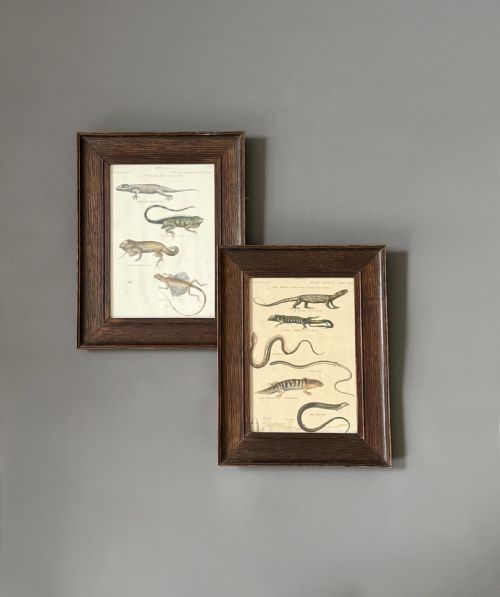
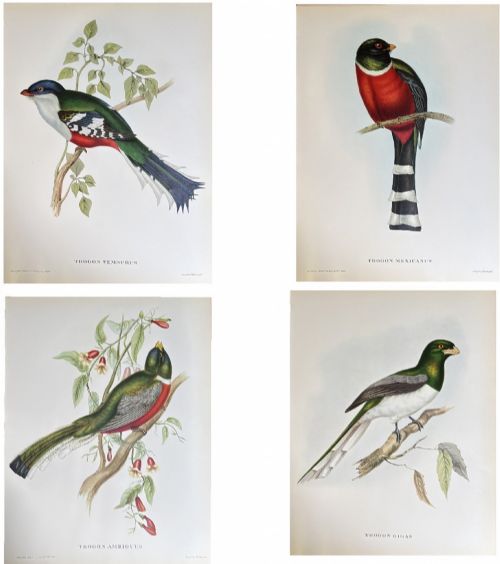
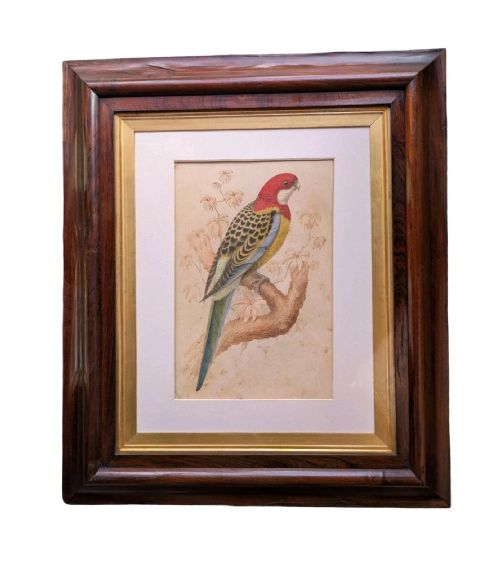
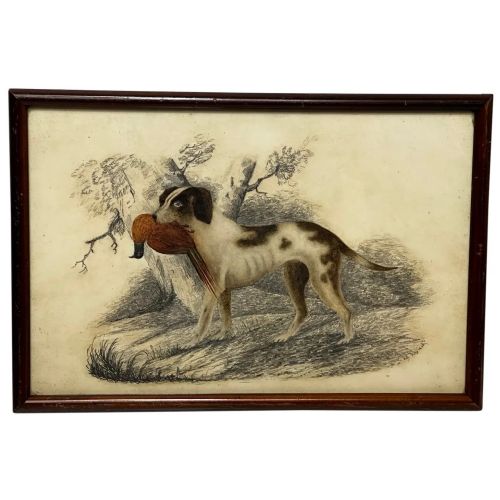
When you search for 19th century bird illustrations, you encounter framed artwork, wall art and prints spanning the Regency, Victorian and later periods. The selection contains detailed watercolours, lithographs and engravings depicting parrots, tropical birds, waterfowl and ornithological studies.
You are most likely to meet framed prints and watercolour paintings originating from the nineteenth century alongside later mid-century reproductions. The pieces range from single portrait studies of individual birds to sets of lithographs and engravings designed for display.
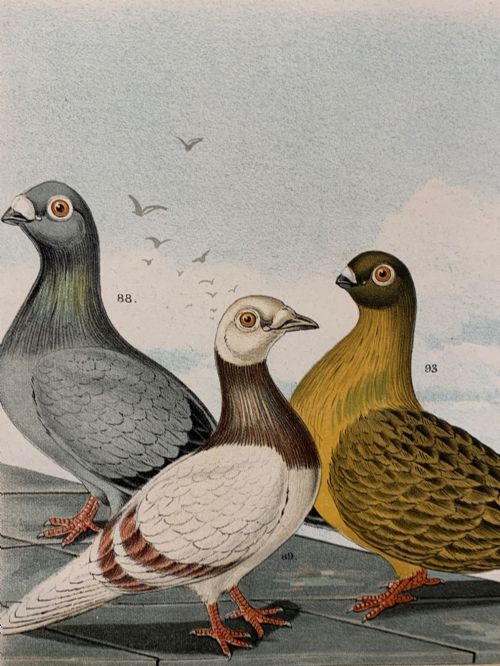
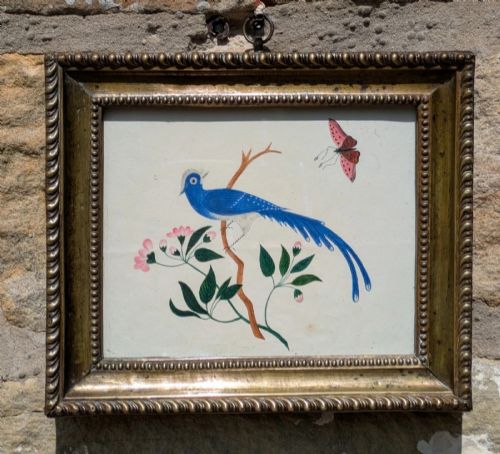
The subjects extend from exotic macaws, rosella parrots and blue birds to native lapwings and game birds. Individual artists and publishers produce works that vary from scientific natural history records to decorative wall art.
What varies in quality
The distinction between items rests on the precision of the hand-colouring and the fidelity of the natural history drawing. Master botanical and ornithological artists achieve a level of anatomical accuracy and plumage detail that lesser print runs miss.
Condition of the paper and the integrity of the original framing, including ebonised wood and gilt mounts, influence the character of each piece. Intact sets maintain greater visual cohesion than dispersed individual plates.
Listings feature paper, glass, wood, ink, gilt, gold leaf and watercolour across Regency and Victorian periods.
William Bird MD FLS·William Andrews Nesfield·William Swainson·Edward Lear·Rev B Morris
The 19th Century Bird Illustrations Glossary
- Lithograph
- A print produced by a printing method based on the repulsion of oil and water on a limestone or metal plate. This technique allowed for accurate reproduction of detailed illustrations during the nineteenth century.
- Engraving
- An image incised into a metal plate using a sharp tool, which is then inked and pressed onto paper. The resulting lines are remarkably crisp and durable.
- Watercolour
- A paint consisting of pigment suspended in a water-based solution, applied to paper to create translucent colour washes. These paintings are unique original works rather than printed editions.
- Giltwood
- Wood that has been coated with a thin layer of gold leaf or gold paint. It frequently appears on the interior mounts and frames surrounding Victorian and Regency artworks.
19th Century Bird Illustrations: Frequently Asked Questions
How do I care for nineteenth century paper art?
Keep watercolours and prints away from direct sunlight to prevent the fading of hand-coloured pigments on paper.
Maintain stable humidity levels in the room to protect both the paper and the wooden frames from warping.
Are these illustrations original prints or modern copies?
The selection includes period engravings, lithographs and original watercolours dating from the nineteenth century alongside mid-century print sets.
Examination of the paper stock and printing ink under magnification reveals the method of production.
How were these bird studies originally used?
Natural history illustrations served as scientific records for ornithologists and collectors who bound them into volumes or displayed them as plates.
Framed versions brought natural philosophy and exotic exploration into nineteenth century domestic interiors.
What frames are typical for these pieces?
Many works are housed in ebonised frames complemented by deep giltwood mounts designed to highlight the subject.
Some prints remain unframed as issued in sets, allowing new owners to select custom conservation framing.