





Antique Botanical and Bird Art
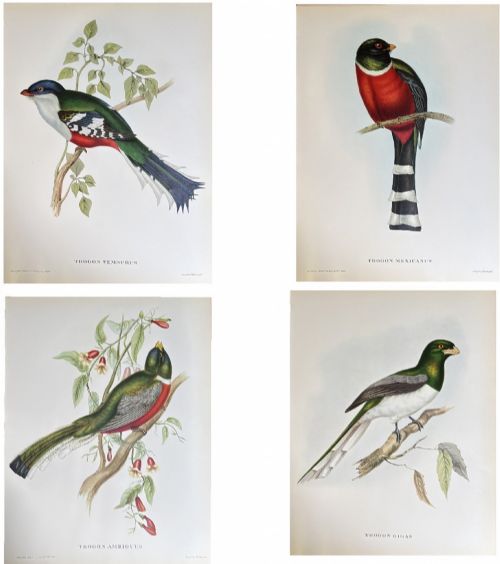
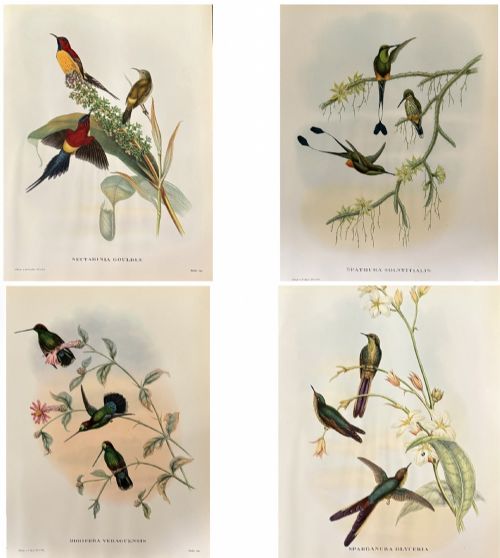
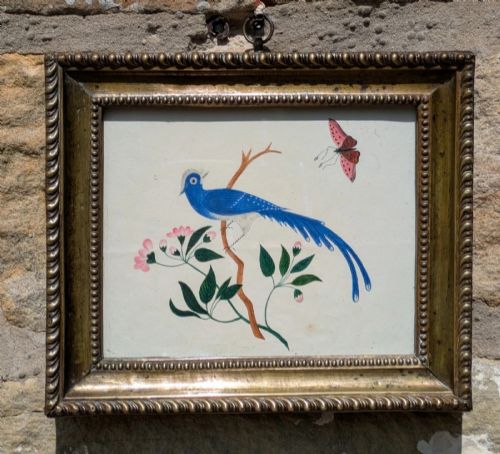
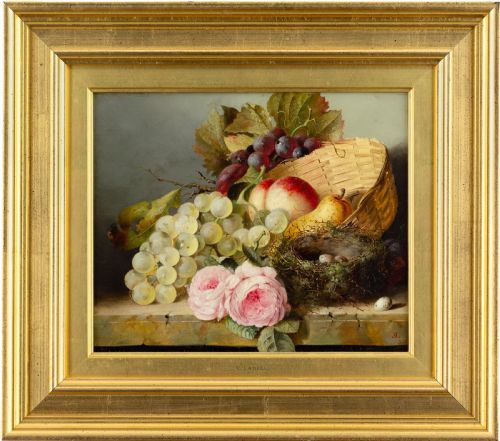
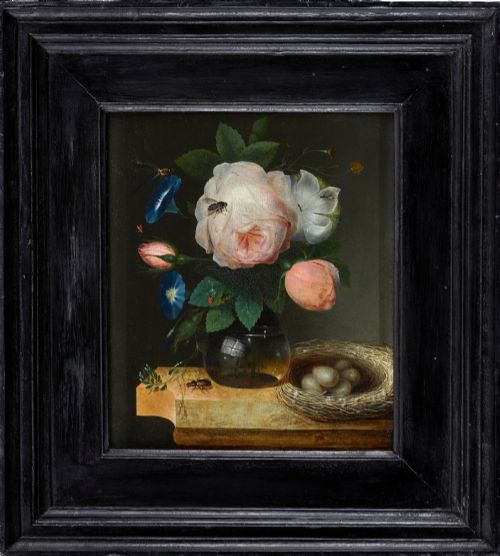
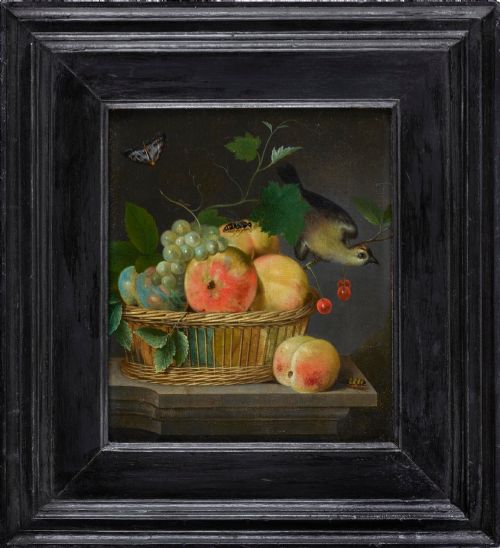
These antique botanical and bird art pieces capture natural history through delicate watercolours, detailed engravings, and oil paintings.
Antique Botanical and Bird Art
Antique botanical and bird art encompasses framed prints, detailed watercolours, and oil paintings depicting flora and fauna. Buyers encounter nineteenth century lithographs alongside earlier eighteenth century engravings and oil paintings.
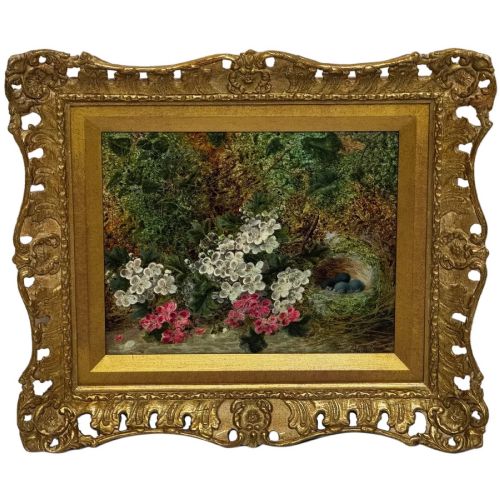
The selections range from studies of tropical birds and exotic parrots to still life compositions featuring bird nests, blossoms, and botanical specimens. Formats include individual framed prints, matching sets, and embroidered textiles.
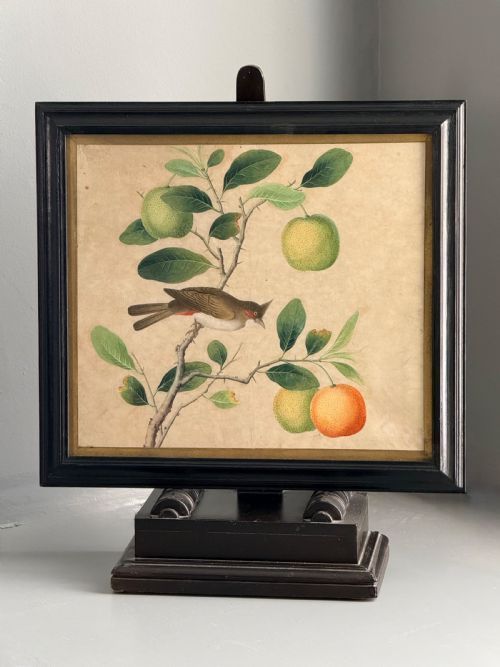
Origins span British natural history illustration, European still life traditions, and Asian export pieces on silk or pith paper. The focus remains strictly on natural subjects rendered through diverse artistic mediums.
Materials and execution
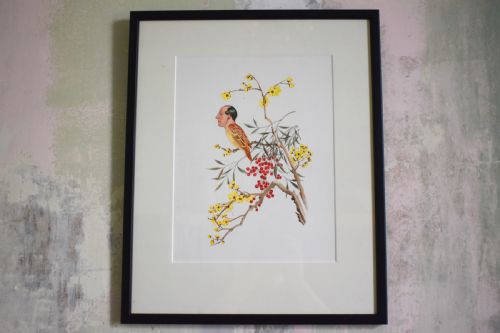
Artists and makers utilised paper, silk, and pith paper as surfaces for watercolour, ink, gouache, and oil paint. Many botanical and ornithological plates combine hand colouring with engraved or lithographic lines.
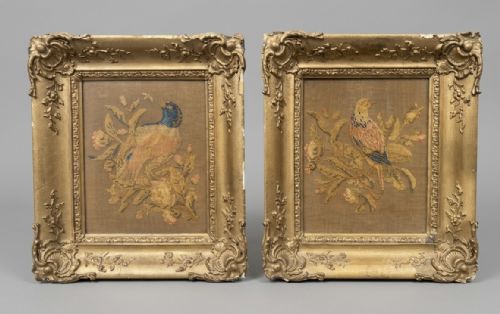
Framed works frequently employ wood and glass protection, occasionally housing pieces set within gilt frames or needlework embroideries. Technical execution varies from scientific illustration to elaborate baroque oil painting.
Specialised techniques such as Japanese cloisonne plate production and Chinese export embroidery sit alongside traditional European canvas and paper works.
Materials represented across the selection include silk, pith paper, wood, glass, and gold leaf alongside traditional canvas and paper.
Assessing quality and execution
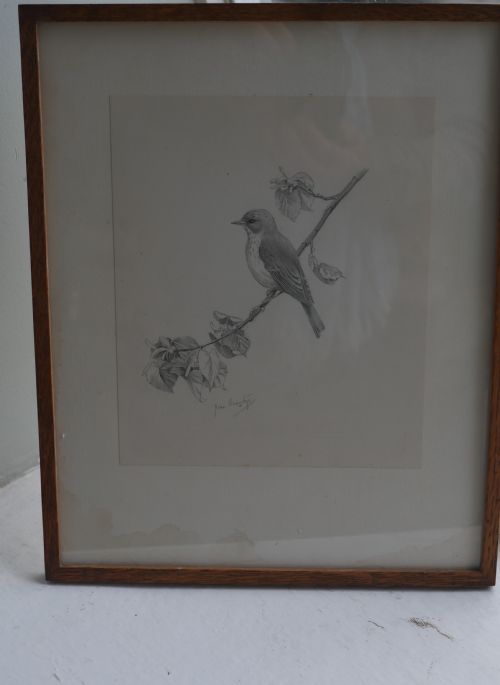
Quality rests upon the precision of the draughtsmanship and the fidelity of the natural rendering, whether in an ornithological engraving or an oil painting of a bird's nest. Hand colouring requires control and subtlety to elevate printed outlines.
The distinction between standard decorative prints and works by documented artists or natural historians alters the character of a piece. Preservation of the original pigments, paper, and textile integrity defines the upper tier.
Oliver Clare·Edward Ladell·Gaspar Peeter Verbruggen·William Andrews Nesfield·Eloise Harriet Stannard·George Edwards·Arthur Wardle·William Swainson·JOHN SHERRIN·George Lance
The Antique Botanical and Bird Art Glossary
- Lithograph
- A print made from a stone or metal plate on which an image has been drawn with an oily medium. This technique allowed for the mass production of detailed coloured bird illustrations.
- Gouache
- An opaque watercolour paint consisting of pigment mixed with a water-soluble binder and white filler. It provides dense colour saturation on paper or pith.
- Ornithological
- Pertaining to the scientific study or depiction of birds. These plates prioritise anatomical accuracy alongside aesthetic composition.
- Pith paper
- A delicate material formed from the pith of the Tetrapanax papyrifer plant. It supports vibrant gouache painting in Chinese export art.
- Cloisonne
- Enamelling technique where thin metal wire creates compartments on a metal base. These cells are filled with coloured paste and fired.
Antique Botanical and Bird Art: Frequently Asked Questions
How do I hang delicate paper prints safely?
Keep framed pieces away from direct sunlight to prevent watercolour and lithograph pigments from fading over time. Ensure rooms maintain stable humidity levels to protect paper and card mounts.
Use professional framing services with UV-protective glass if displaying works in brighter areas of a room.
What is the difference between an engraving and a lithograph?
Engravings rely on lines cut into a metal plate that hold ink under pressure during printing. Lithographs use a chemical process on a flat stone surface to attract ink to the drawn image areas.
Both methods served to publish natural history illustrations before photographic reproduction became standard.
Are these pieces original period items?
The listings span specific historical periods from the seventeenth century through the mid twentieth century. Materials, printing methods, and artistic styles correspond to the documented dates of creation.
Examining the paper ground, framing materials, and medium helps confirm the age of each artwork.