



Vintage Natural History Prints
Vintage natural history prints bring scientific observation into domestic rooms through hand-coloured engravings, lithographs and watercolours of birds, fish, reptiles and botanical specimens.
Vintage Natural History Prints
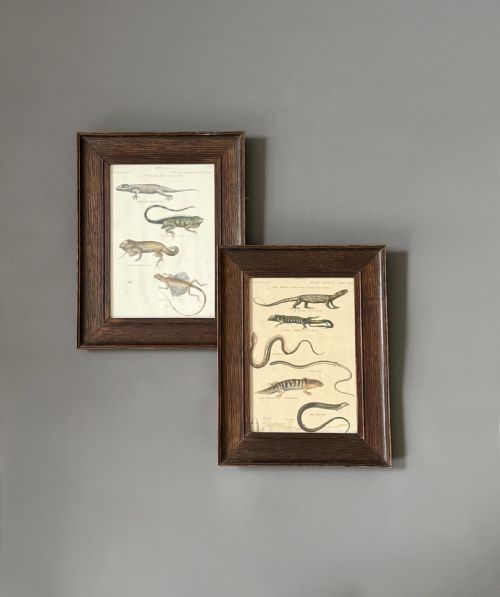
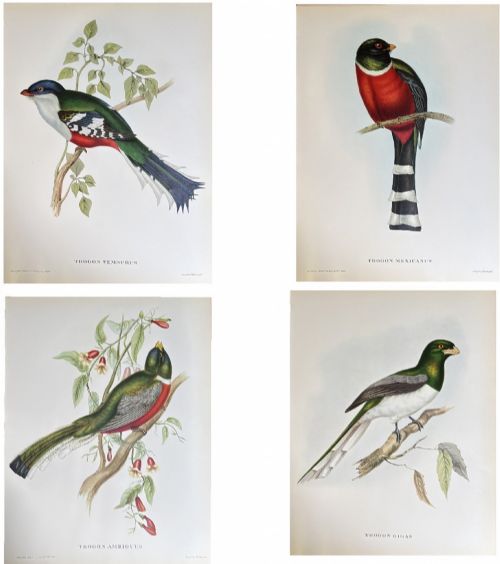
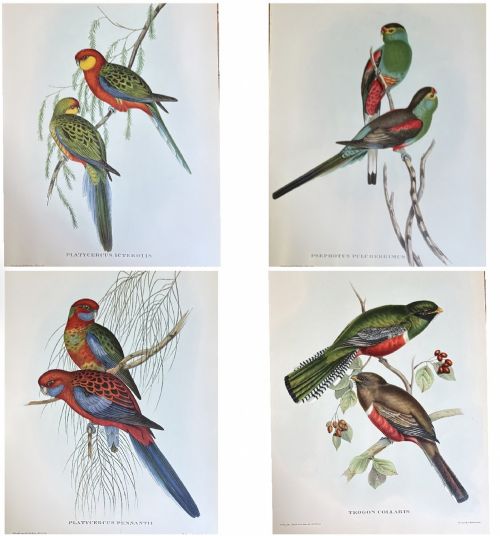
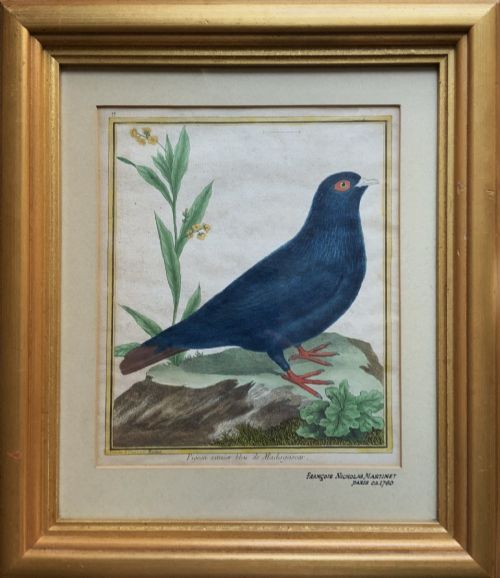
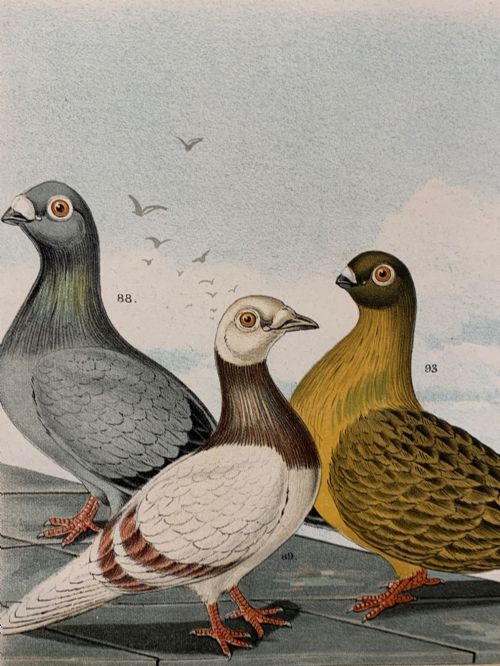
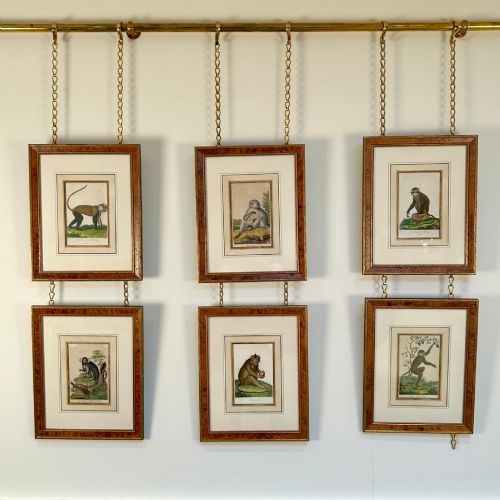
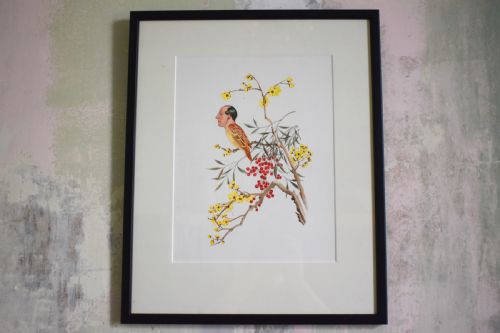
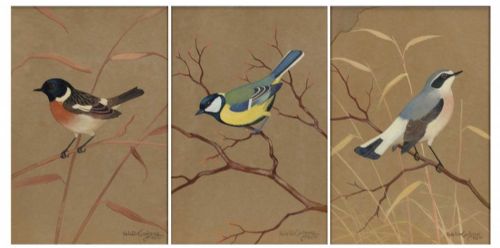
When you search for vintage natural history prints, you encounter works spanning the eighteenth century through to the mid-twentieth century. The selection on this page centres on framed prints, wall art and watercolours depicting subjects like tropical birds, pigeons, serpents, monkeys and botanical specimens.
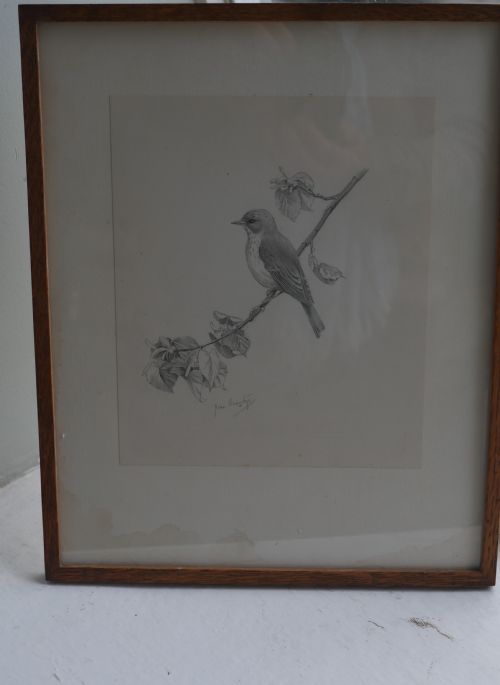
Engravings and lithographs from the nineteenth and eighteenth centuries appear frequently alongside mid-century watercolours and pencil drawings. Many examples arrive as pairs or sets, recording scientific exploration and ornithological study in domestic formats.
How they were made
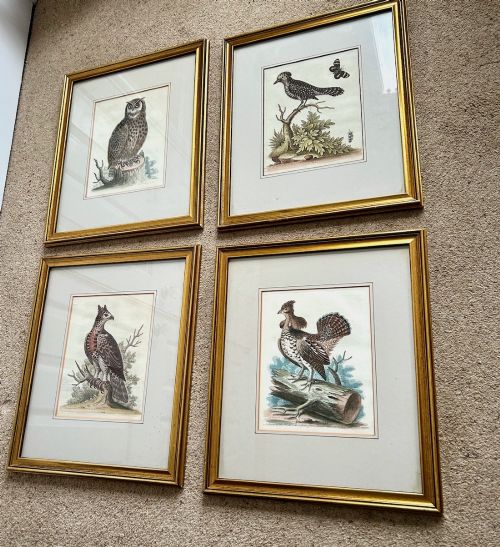
Makers produced these works on paper using ink and watercolour, often applying hand-colouring to engraved plates or lithographic stones. Artists like François-Nicolas Martinet and George Edwards relied on precise line work before adding pigment by hand.
Framing utilised wood, glass, velvet, and gilt wood, frequently incorporating deep mounts to protect the delicate paper works. Botanical and zoological studies required careful draughtsmanship combined with accurate observation of natural subjects.
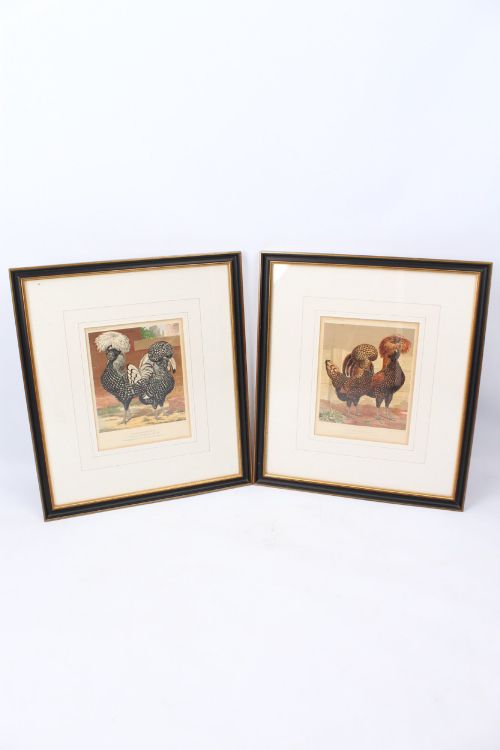
Several plates capture the stern expression of nineteenth-century chickens and the vibrant plumage of distant parrots.
What varies in quality
Quality rests upon the precision of the original draughtsmanship and the delicacy of any hand-applied watercolour. Crispness in the printed lines and vibrancy in the surviving pigments distinguish finer examples from standard decorative plates.
The choice of framing contributes to the overall character, where period ebonised frames and gilt wood mounts enhance the visual presence of the sheet. Completeness within sets of prints or botanical specimens also elevates the standing of an individual group.
François-Nicolas Martinet·George Edwards·John Curtis·Jonathan Couch·William Swainson
The Vintage Natural History Prints Glossary
- Engraving
- A printmaking technique where an artist cuts lines into a metal plate to hold ink. The resulting impression yields sharp, detailed outlines suited to scientific illustration.
- Lithography
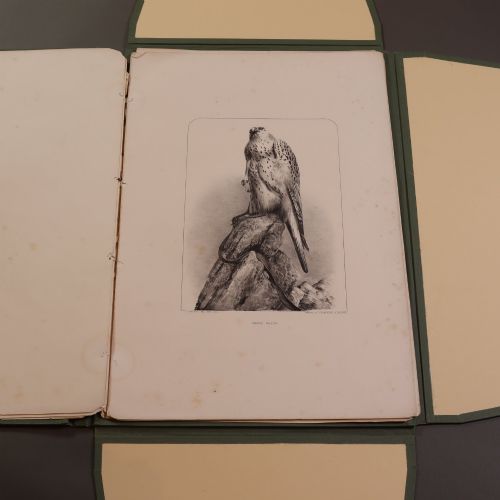
- A planographic printing method based on the repulsion of oil and water on a limestone or metal surface. This process allowed makers to capture the softer gradations found in bird and animal studies.
- Hand-coloured
- A finished print enhanced with watercolour applied by brush after the initial impression. This technique added lifelike hues to botanical and zoological plates.
- Mount
- A cardboard or paper border placed around a picture inside the frame. Deep giltwood mounts provide spatial separation between the artwork and the glass.
Vintage Natural History Prints: Frequently Asked Questions
How should I hang vintage natural history prints?
Keep these works out of direct sunlight to prevent the watercolour pigments and paper from fading over time.
Pair sets symmetrically on neutral walls to let the intricate detail of the botanical or ornithological subjects remain the primary focus.
Are these prints from original scientific books?
Many plates originated as illustrations bound within eighteenth and nineteenth-century natural history volumes and folios. Publishers broke up these books later on to frame individual engravings and lithographs for display.
Paper quality, plate marks, and contemporary hand-colouring often indicate whether a sheet belonged to an early scientific publication.
How do I care for framed paper artwork?
Maintain stable room temperatures and low humidity to protect both the antique paper and the wooden frames. Avoid placing them near heat sources that could dry out the paper or damage the gilt wood mounts.
Dust the glass gently with a dry microfibre cloth rather than spraying cleaning solutions near the frame.
What is the difference between an engraving and a lithograph?
Engravings involve incising lines into a hard plate, producing sharp and precise contours ideal for scientific definition. Lithography relies on chemical processes on stone, allowing for softer tonal shifts in feathers and foliage.
Both techniques frequently received supplementary hand-colouring to render accurate natural history depictions.