


19th Century Bedroom Storage
These pieces of 19th century bedroom storage provide robust utility and rich timber grain, offering practical spaces to organise clothes while anchoring a room with period character.
19th Century Bedroom Storage
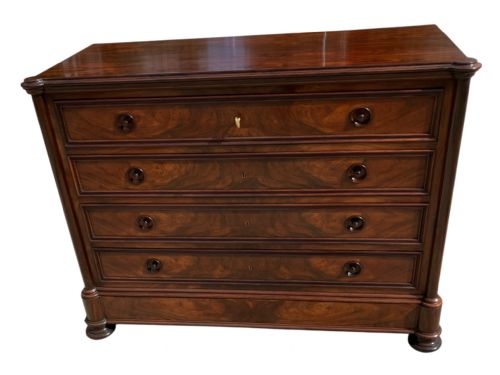
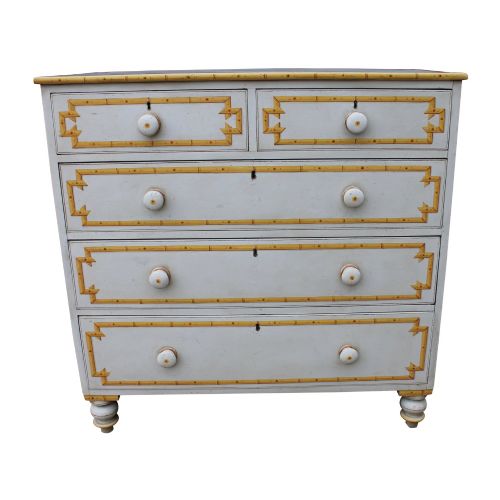
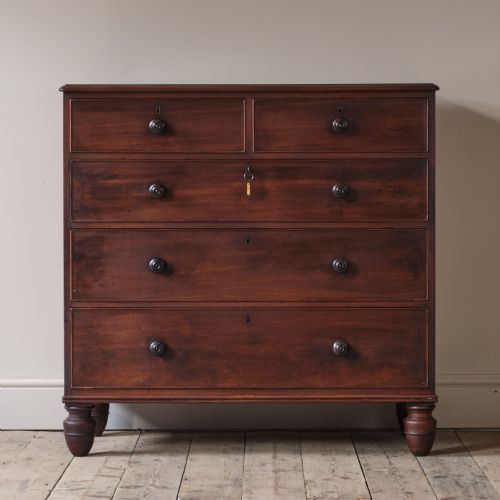
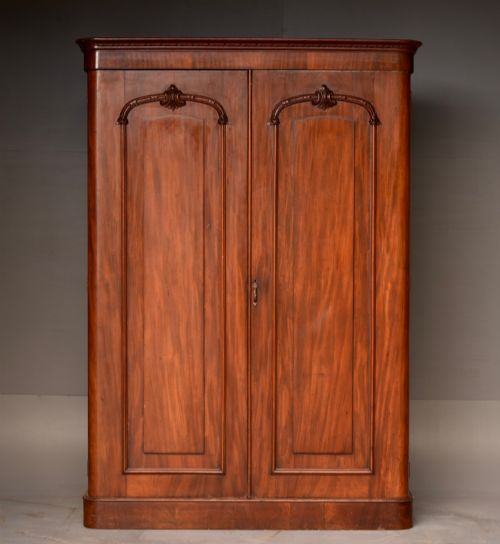
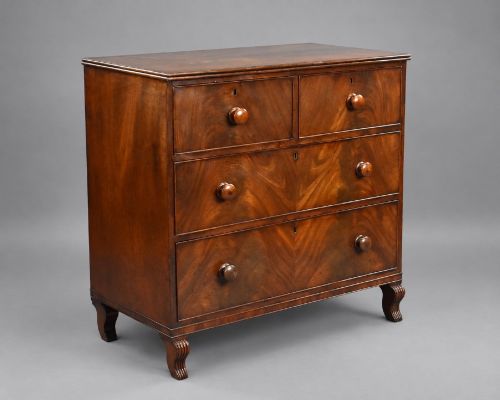
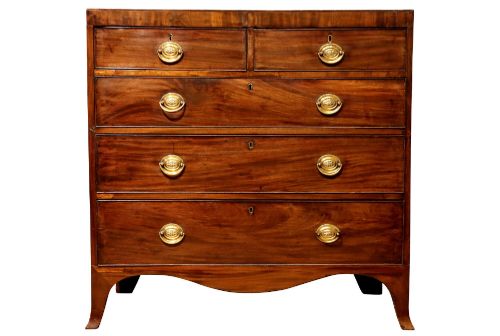
When searching for 19th century bedroom storage, buyers encounter a variety of substantial wooden furniture designed to hold garments and linens. Chests of drawers dominate the selection, appearing alongside tallboys, wardrobes, armoires, linen presses, and bedside cabinets.
The pieces emerge from the 19th century, with significant representation from the Victorian, Regency, and Georgian periods, alongside items reflecting French Provincial, French Empire, and George IV styles. Mahogany forms the backbone of these offerings, supplemented by pine, oak, walnut, burr walnut, and satin birch.
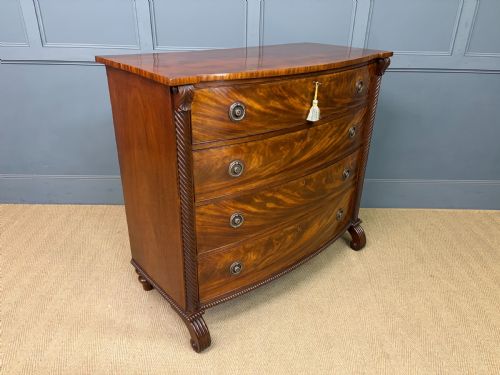
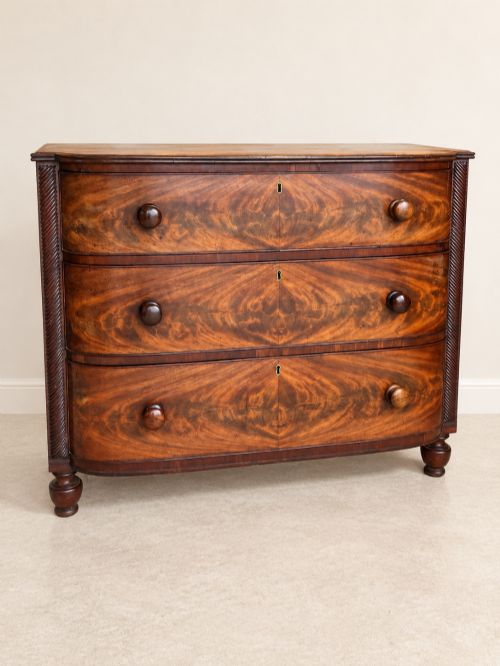
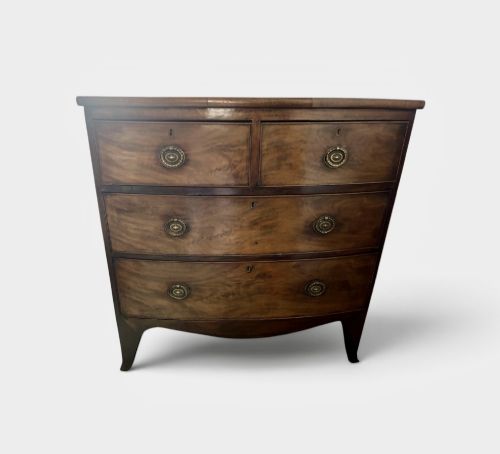
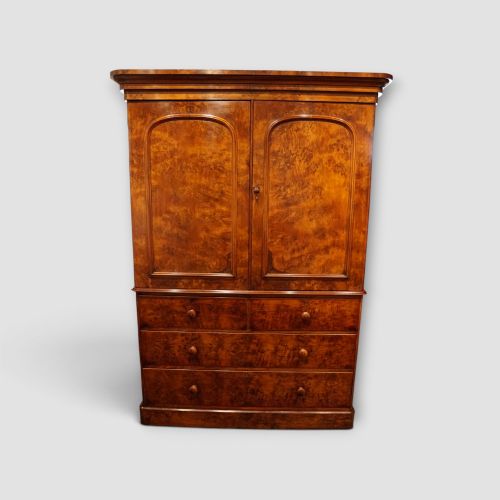
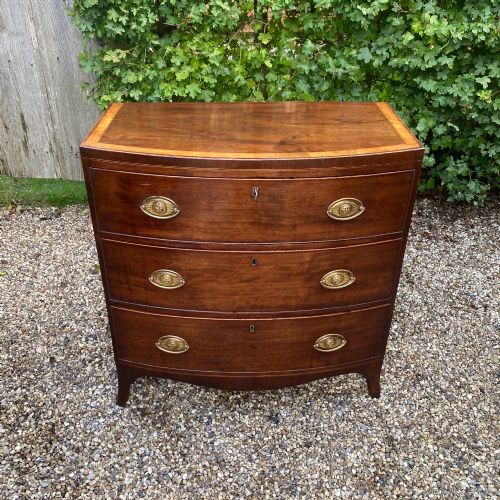
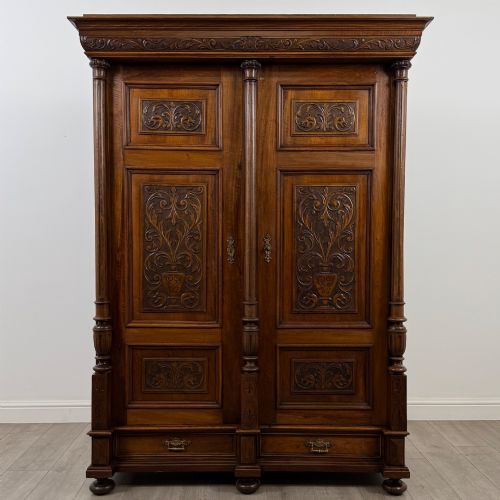
Chest of drawers variations range from small bow front designs and Wellington chests to Scotch chests and five-height models. Larger storage requirements are met by linen presses and wardrobes constructed in both English workshops and continental European styles.
Materials and construction methods
Cabinet makers built these storage pieces using solid timbers and decorative veneers. Mahogany and pine serve as primary structural woods, while flame mahogany veneer, burr walnut, and satinwood add figured surface patterns to drawer fronts and door panels.
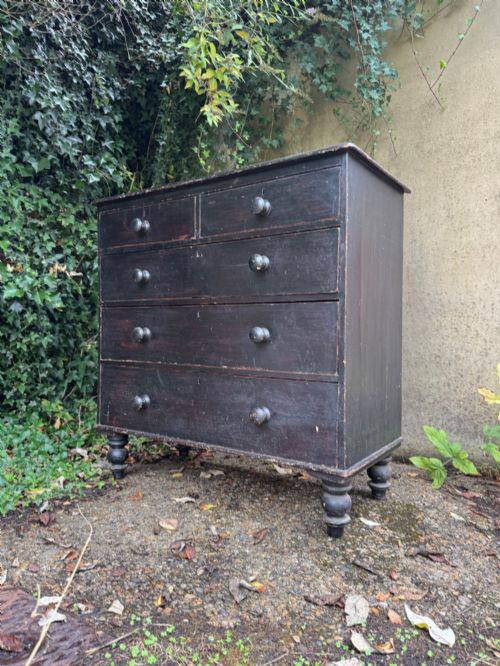
Surface treatments vary between polished timber finishes, painted surfaces such as blue or scrubbed pine finishes, and specialised decorative elements like blind fretwork cornices. Hardware includes brass handles and turned bun handles fitted to dovetailed drawer boxes.
Periods represented span the Georgian, Regency, and Victorian eras through to the end of the 19th century.
Factors that distinguish the work
Quality separates through the selection and matching of wood veneers, such as flame mahogany and burr walnut, which dictate the visual impact of the drawer fronts. The precision of cabinet joinery, including drawer dovetailing and the alignment of bow front profiles, distinguishes standard utility pieces from finer commissions.
The integrity of original brass hardware, internal sliding trays in linen presses, and functioning locks with matching keys contribute to the standing of a piece. Finer examples maintain crisp carving details, such as blind fretwork cornices, and balanced proportions across taller formats like Wellington chests and wardrobes.
T & G Seddon·Maple & Co.
The 19th Century Bedroom Storage Glossary
- Wellington chest
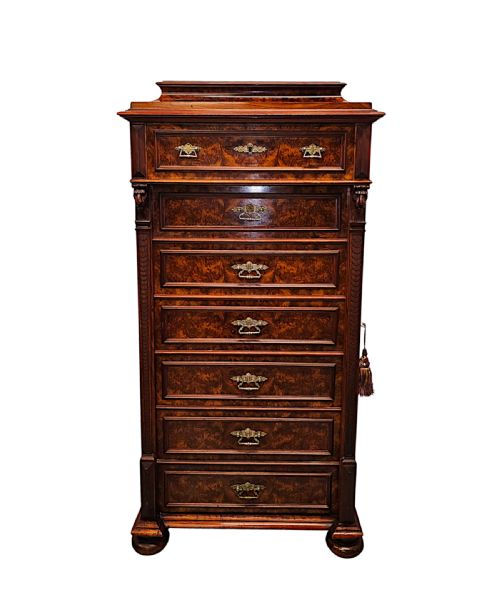
- A tall, narrow chest of drawers typically secured by a hinged locking stile on one side that fastens all drawers simultaneously. Originating in the early 19th century, this form maximises vertical storage space.
- Linen press
- A large bedroom storage piece comprising an upper cupboard with sliding trays for linens placed above a base of lower drawers. These items often feature architectural cornices and panelled doors.
- Bow front
- A convex curved front profile popular on chests of drawers during the Regency and Georgian periods. This shape softens the corners of case furniture and showcases figured timber veneers.
- Flame mahogany veneer
- A sliced timber veneer exhibiting a distinctive flame-like grain pattern created by cutting through the bough fork of a mahogany tree. Cabinet makers applied this to drawer fronts for decorative emphasis.
- Scotch chest
- A regional chest of drawers characterised by a deep top drawer situated beneath the cornice, often flanked by smaller concealed drawers or corbels. They provide heavy-set proportions.
19th Century Bedroom Storage: Frequently Asked Questions
What is a linen press?
A linen press is a tall storage cabinet designed with sliding shelves in the upper section for folded textiles and drawers in the lower section for garments. They combine wardrobe capacity with chest storage.
These pieces served bedrooms and dressing rooms before built-in closets became standard in domestic architecture.
How do I identify a Regency chest of drawers?
Regency chests often display mahogany or flame mahogany veneers, sometimes shaped with a curved bow front. They date from the early decades of the 19th century and tend to feature clean lines.
Turned feet, brass ring handles, and restrained cockbeading around the drawer edges help distinguish the period style from later Victorian interpretations.
What is a Wellington chest?
A Wellington chest is a tall, narrow stack of drawers secured by a vertical locking bar on one side. This bar is hinged and swings away to permit access to the drawers.
Makers designed this tall format to hold shirts and accessories in limited floor space within 19th century bedrooms.
How do I care for 19th century wood?
Keep wooden storage pieces away from direct heat sources and strong sunlight to prevent timber splitting and veneer lifting. Regular dusting with a dry cloth maintains the surface.
Occasional application of appropriate wax polish nourishes mahogany, walnut, and pine without building up heavy chemical residues on the antique finish.