
19th Century Barrel
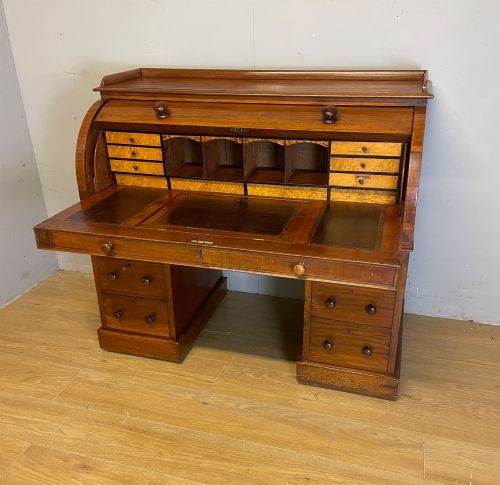
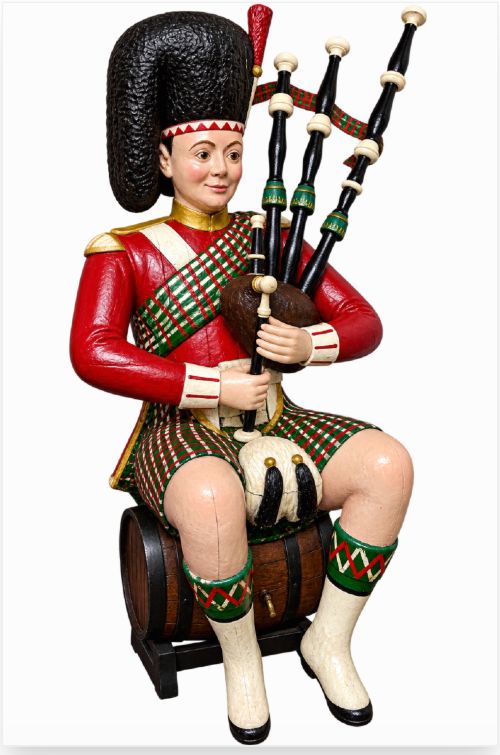
A 19th century barrel brings domestic utility and robust form into a room, spanning coopered storage vessels, firearms, and upholstered seating.
19th Century Barrel
When buyers search for a 19th century barrel, they encounter a diverse array of items ranging from utilitarian oak storage vessels and umbrella stands to firearms with specific barrel constructions and seating designs known as barrel back chairs.
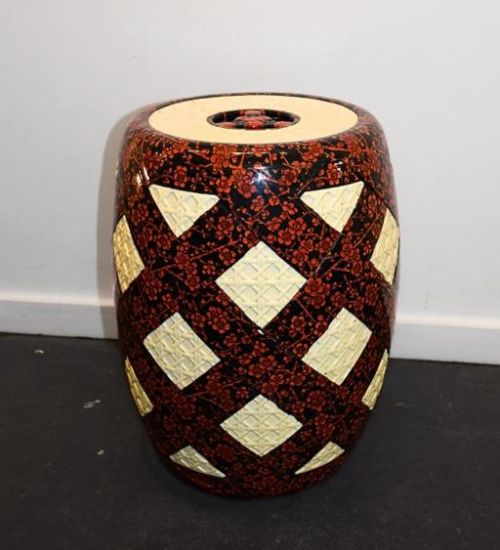
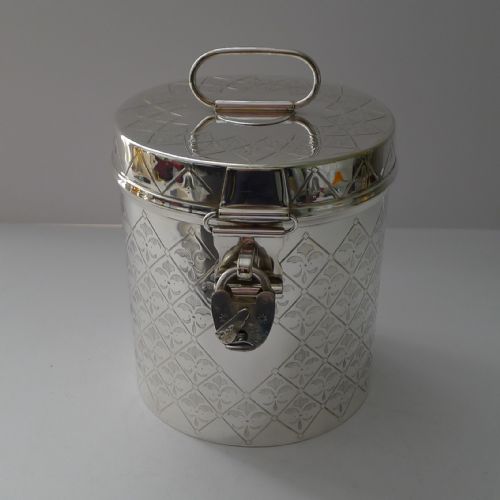
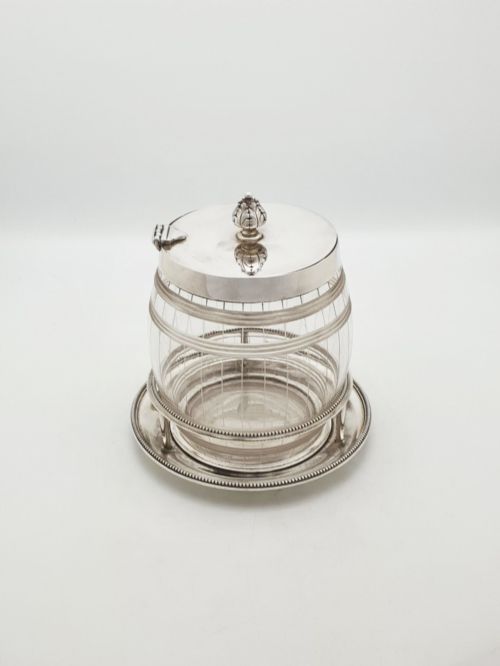
The domestic vessels include coopered pine storage containers, butter barrels, and silver-plated condiment sets, alongside larger decorative garden seats and ceramic spirit barrels.
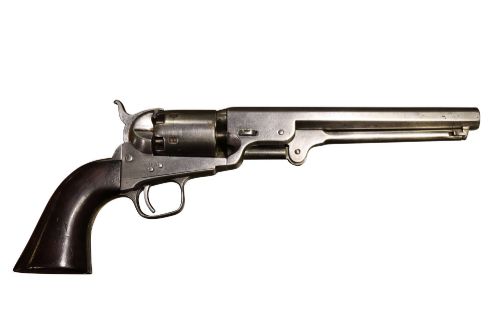
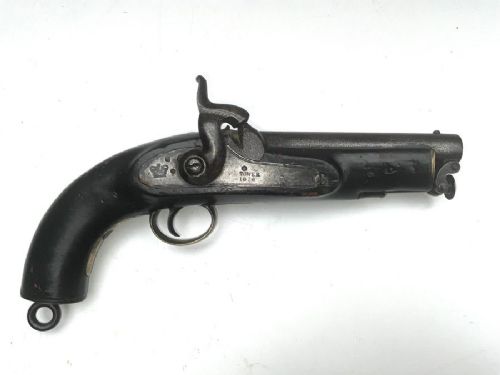
Firearms feature prominently in this category, encompassing double barrel percussion pistols, matchlock guns, and pocket pistols that showcase period metalwork.
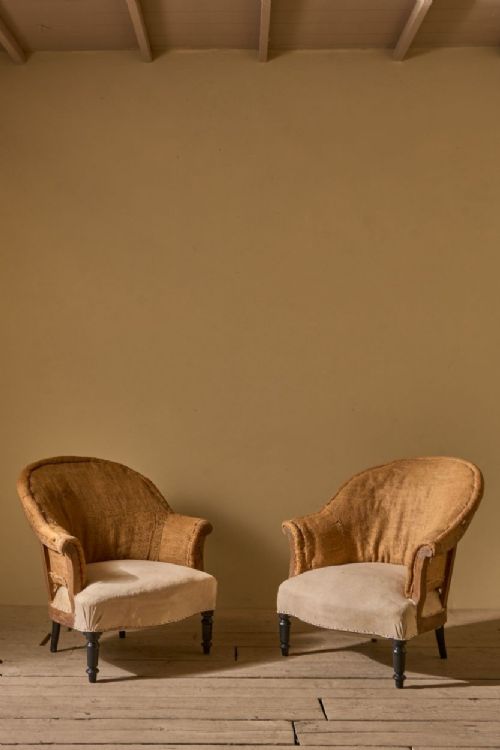
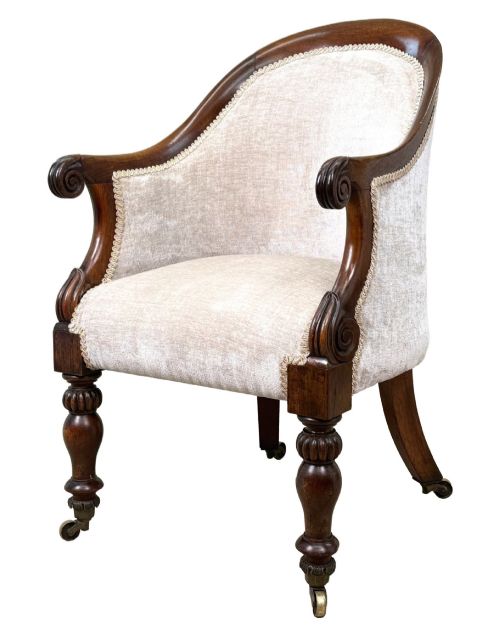
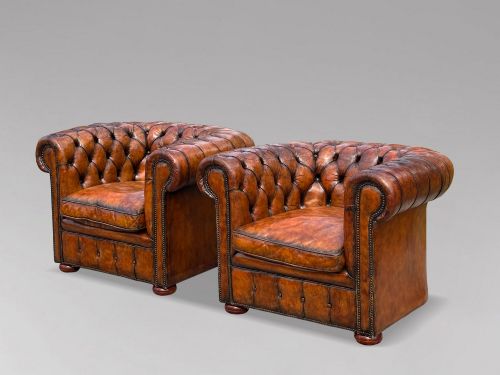
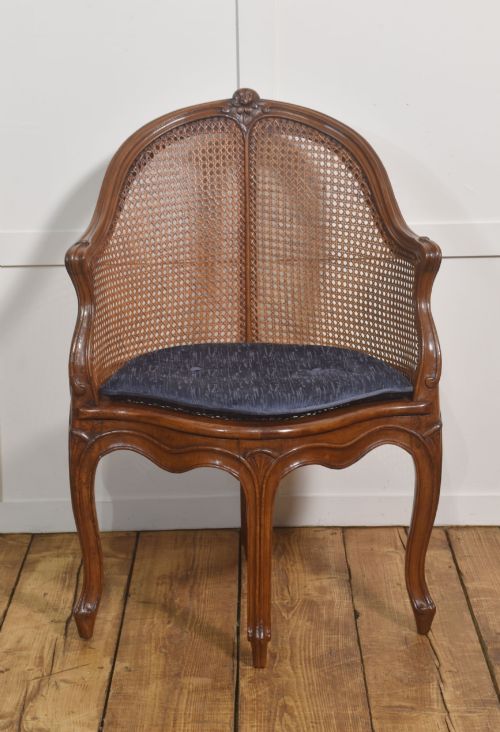
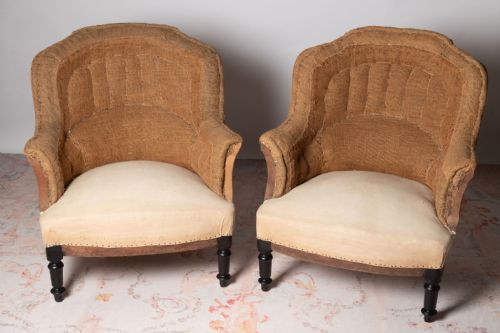
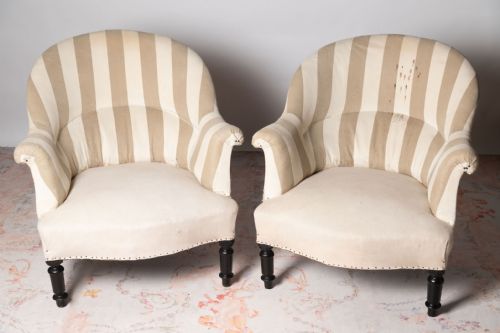
Seating forms appear frequently as barrel back armchairs, upholstered in leather or fabric, utilising the curved enclosure characteristic of the period.
How they were made
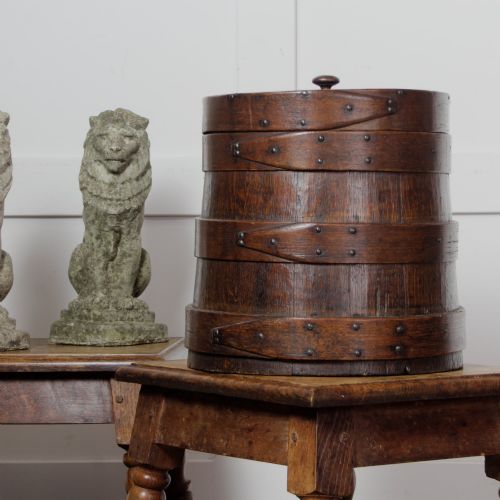
Coopered wooden items rely on curved staves of oak, pine, or hardwood held tightly together by brass, iron, or steel bands.
Metal components incorporate cast iron, bronze, steel, and silver plating, often paired with intricate engraving or applied brass mounts.
Upholstered seating utilises timber frames shaped to a curved back, finished with leather, horsehair, or cane depending on the regional style.
A wooden barrel shaped puzzle challenges the mind with its clever coopered construction.
What varies in quality
Quality rests in the precision of the cooperage, the weight and integrity of the mounting metals, and the preservation of original surfaces.
Fine examples show meticulous joint work in wooden staves and crisp execution in metal engraving, whereas lower tiers display heavier wear or replacement elements.
Upholstered pieces depend upon the authenticity of the internal framing and the quality of the covering materials retained over time.
Mappin and Webb·Elkington·Allen and Thurber·Harrods London
The 19th Century Barrel Glossary
- Coopered
- Constructed from wooden staves bound together by metal or wooden hoops. This technique forms watertight vessels and sturdy containers.
- Barrel back
- An upholstered seating form featuring a semicircular continuous backrest enclosing the sitter. This design offers distinct draught-excluding properties.
- Percussion
- A firearm ignition system utilising a percussion cap struck by a hammer. It superseded flintlock mechanisms during the nineteenth century.
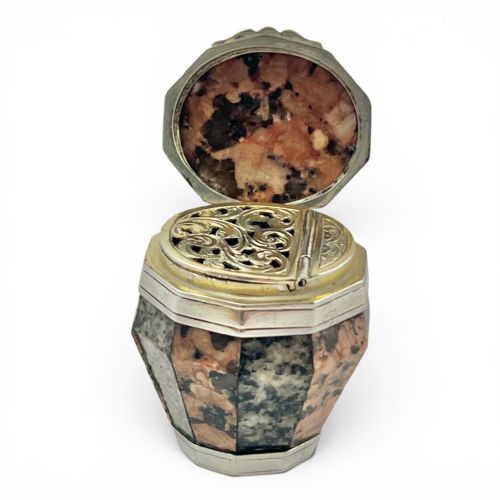
- Vinaigrette
- A small ornamental box containing a perforated grille over a sponge soaked in aromatic vinegar. These were commonly fashioned into miniature items such as barrels.
- Parquetry
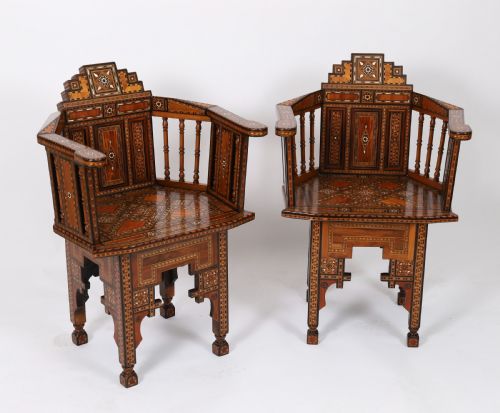
- Geometric mosaic woodwork formed by fitting small wooden veneers together. It decorates the surfaces of fine tables and seating.
19th Century Barrel: Frequently Asked Questions
How were wooden barrels used?
Nineteenth-century wooden barrels served multiple domestic and commercial functions, ranging from grain and flour storage to holding butter and water.
Smaller coopered vessels functioned as umbrella stands, stick barrels, or decorative containers bound with brass or iron hoops.
How do I care for antique wood and metal?
Antique timber surfaces benefit from gentle cleaning and occasional waxing to maintain the natural grain without stripping historical patination.
Metal bands and firearm barrels require dry storage and light oiling to prevent corrosion on iron and steel components.
What distinguishes percussion firearms?
Percussion firearms use an external hammer that strikes a priming cap placed on a nipple to ignite the gunpowder charge.
This technology replaced earlier flintlock systems, offering greater reliability in damp weather conditions.