


19th Century Asian Art
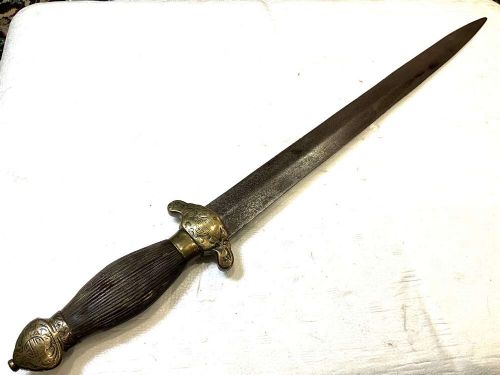
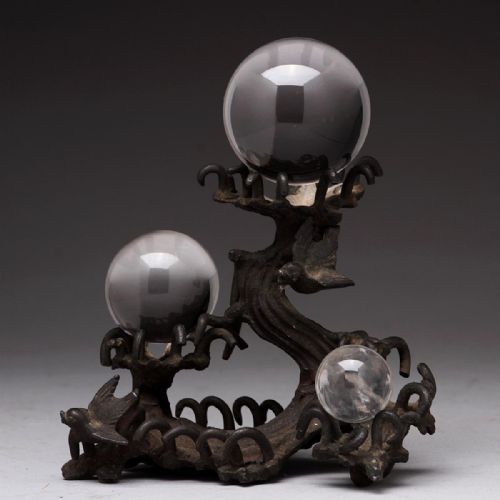
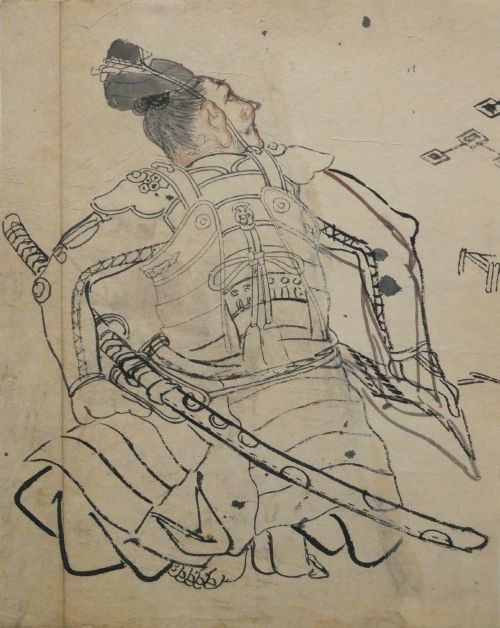
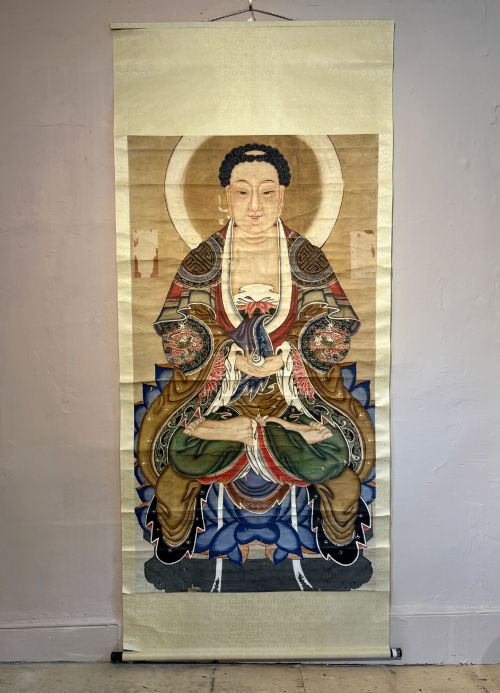
Exploring 19th century asian art reveals diverse carvings, textiles and sculptures originating from China, Japan, Burma and Central Asia.
19th Century Asian Art
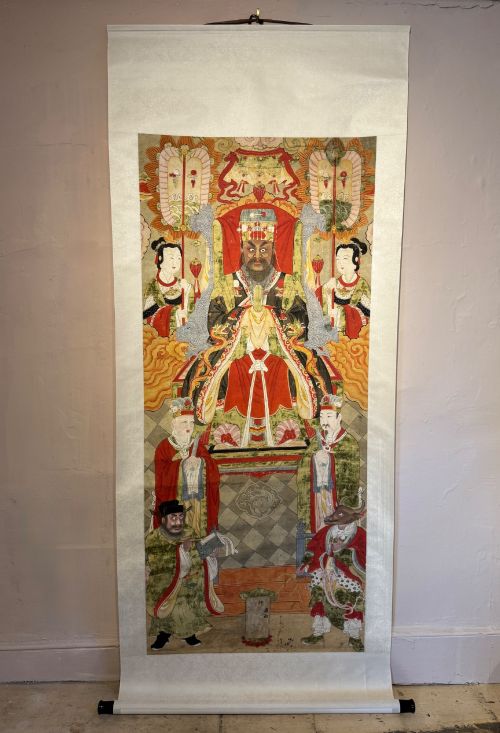
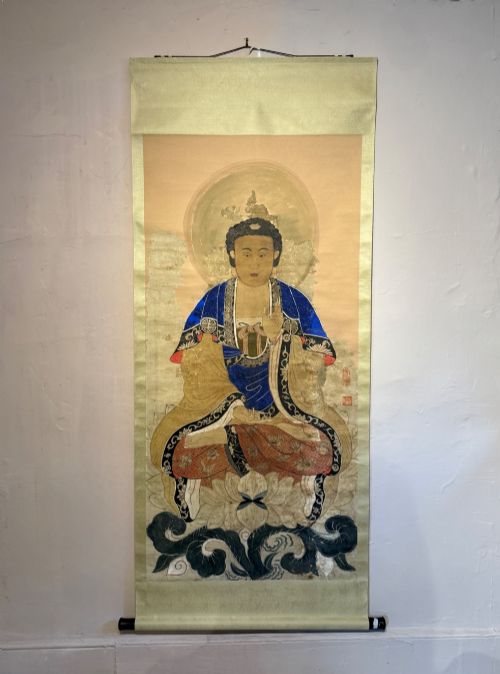
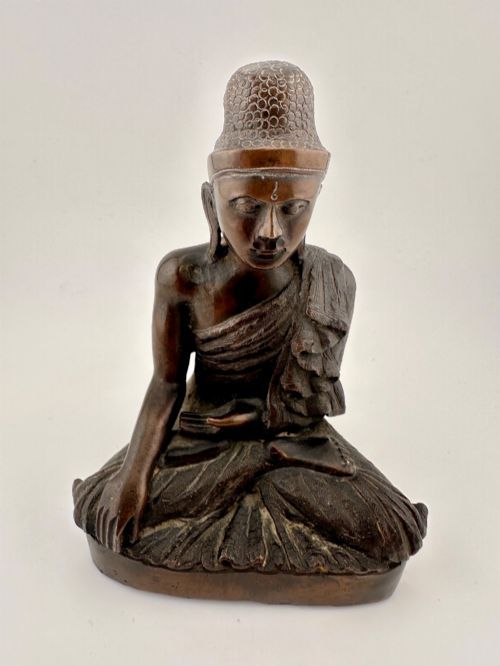
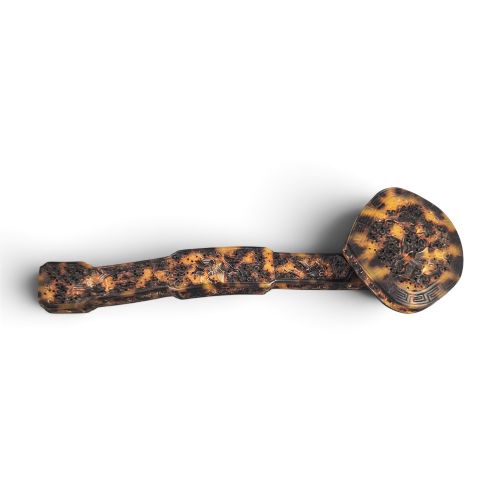
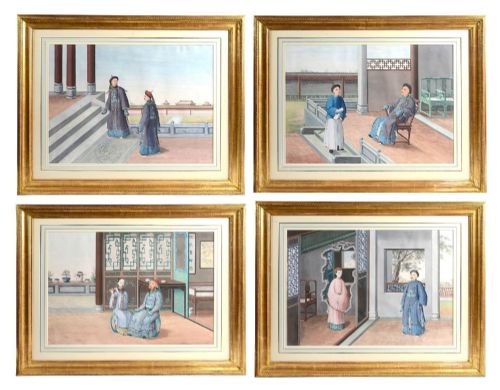
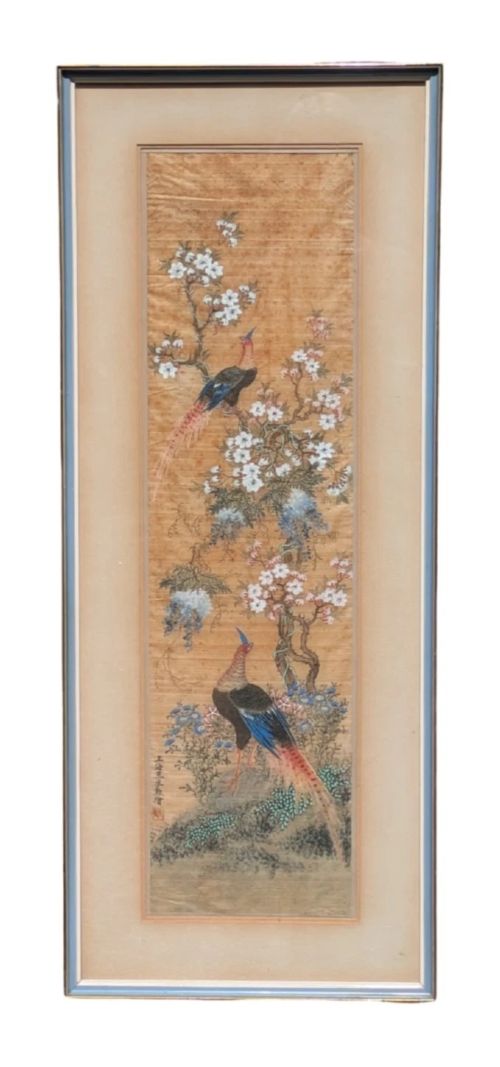
This selection of 19th century asian art spans decorative items and ritual objects created across various Asian regions during the nineteenth century. Buyers encounter carved wooden figures, painted scrolls, porcelain dishes and embroidered textiles originating from Chinese dynasties, Japanese periods and Central Asian tribes.
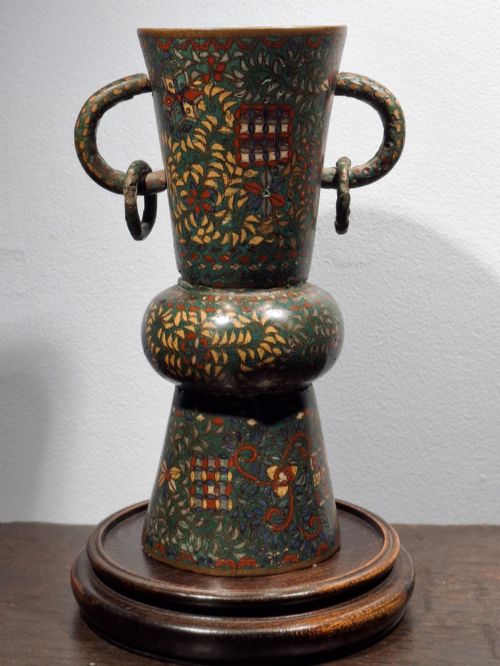
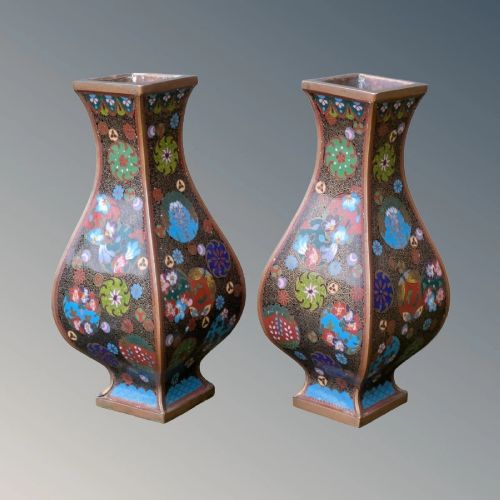
Common forms include framed watercolours, cloisonne vases, lacquered vessels and large woven rugs or wall hangings. Pieces range from household furnishings to temple statues and ceremonial garments produced in distinct regional workshops.
Materials and construction methods
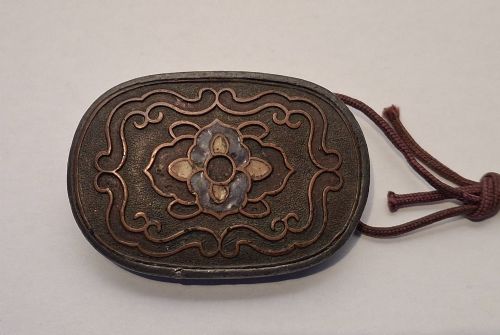
Materials recorded in the inventory include hardwoods, white marble, porcelain, bone, lacquer, bronze, brass, glass and enamel. Artisans employed carving, casting and moulding techniques to shape solid substances into complex figurative groups, ritual masks and vessels.
Textiles rely on natural fibres such as silk, cotton and wool combined with intricate embroidery and weaving techniques. Makers constructed wall hangings, ceremonial coats and rugs using dyed threads on woven grounds, occasionally incorporating gold leaf or paper elements.
19th Century Asian Art Retail Price Guide 2026
Typical asking prices for 19th century asian art among the pieces listed under this phrase on Sellingantiques today, from the lower quarter to the upper quarter. They describe what is for sale here now, not the wider market.
Quality variations in the collection
Differences in quality depend largely on the precision of the carving or the complexity of the textile design. Pieces demonstrating refined detail in facial expressions, symmetrical patterns and balanced compositions generally represent the upper tier of craftsmanship.
The condition of delicate materials such as silk embroidery, pith paper and lacquer finishes also influences the standing of a piece. Well-preserved surfaces retain their original pigment vibrancy and structural integrity without extensive restoration.
The 19th Century Asian Art Glossary
- Cloisonne
- Enamelwork in which thin metal wires form raised barriers to hold coloured pastes before firing. This technique appears on decorative vases and chargers.
- Suzani
- Large, embroidered Central Asian textile panel usually created with silk thread on a cotton or linen ground. These pieces often feature vibrant floral motifs.
- Woodblock print
- A technique for printing text, images or patterns used widely by Japanese artists. Multiple blocks apply different colours to paper.
- Cinnabar lacquer
- A decorative coating made from the sap of the lacquer tree mixed with cinnabar pigment, applied in layers and carved. This method yields deep red surfaces on vases and boxes.
- Ikat
- A dyeing technique where yarns undergo pattern dyeing before weaving into cloth. Central Asian panels and coats display characteristic blurred outlines on their patterns.
19th Century Asian Art: Frequently Asked Questions
What materials are common in 19th century asian art?
Objects frequently utilise organic and inorganic materials including wood, silk, cotton, porcelain, bronze and enamel. Artisans selected these media depending on the regional tradition and intended function of the piece.
Textiles rely heavily on silk and cotton yarns, while sculptural forms use hardwoods, marble, bone and cast bronze. Enamel and lacquer appear frequently on decorative vessels.
How do I care for silk textiles?
Silk items such as suzanis, coats and wall hangings require protection from direct sunlight to prevent fading of natural dyes. Gentle vacuuming through a mesh screen helps remove dust without damaging fragile threads.
Exposing these delicate fabrics to excessive moisture or heat risks degrading the underlying cotton or silk grounds. Professional conservation is recommended for structural repairs.
What regional styles appear in these listings?
The selection includes items from Chinese Qing Dynasty workshops, Japanese Meiji period studios, Burmese temple traditions and Central Asian tribal regions. Each area developed distinct aesthetic conventions.
Chinese works often incorporate auspicious symbols and porcelain glazes, whereas Central Asian pieces showcase geometric rugs and embroidered ikat panels.
How are wooden sculptures and panels distinguished?
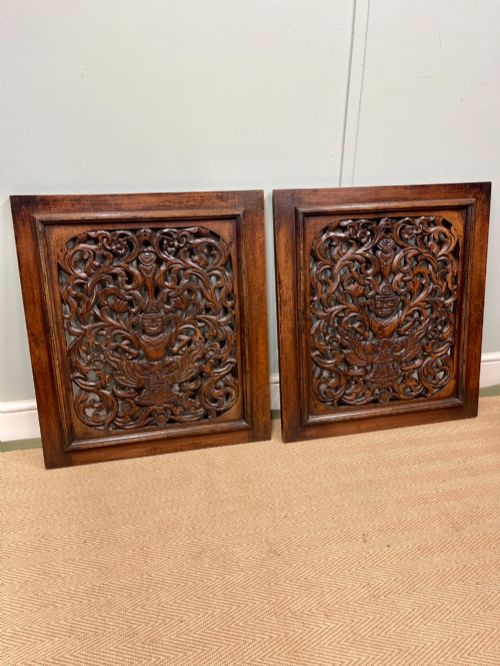
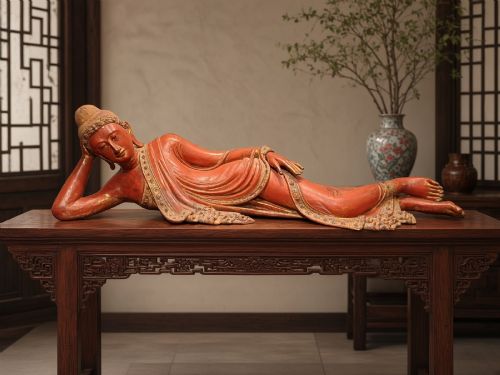
Wooden objects range from polychrome painted temple figures to carved hardwood panels, root wood table lamps and demon masks. Makers utilised native timbers suited to detailed carving.
Surface treatments vary from plain polished hardwoods to layered gesso and polychrome paint finished with gold leaf highlights.