
19th Century Animalier Bronze
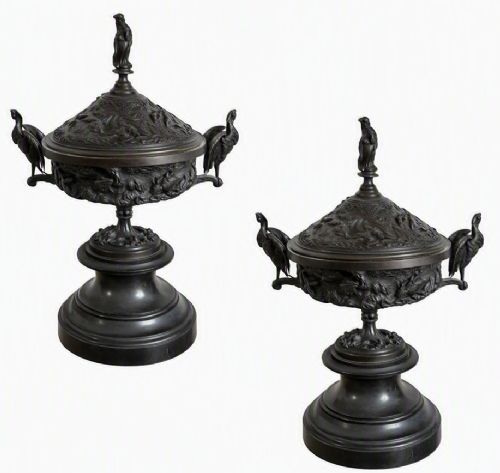
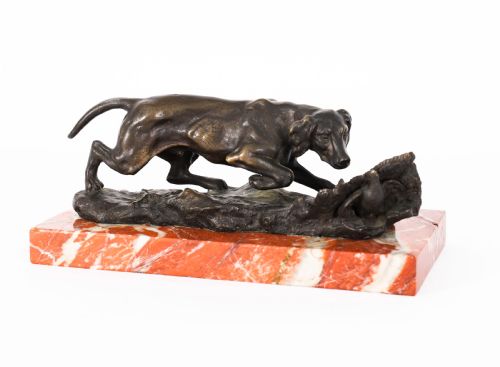
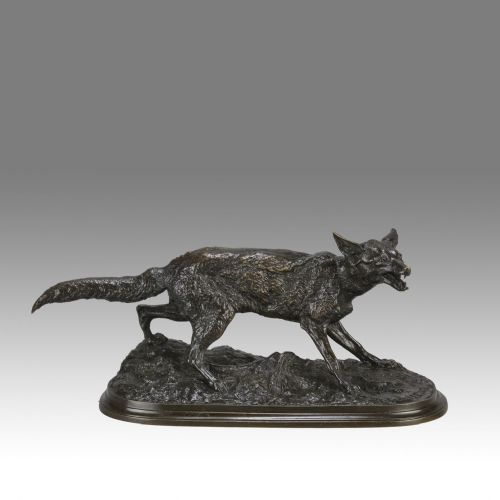
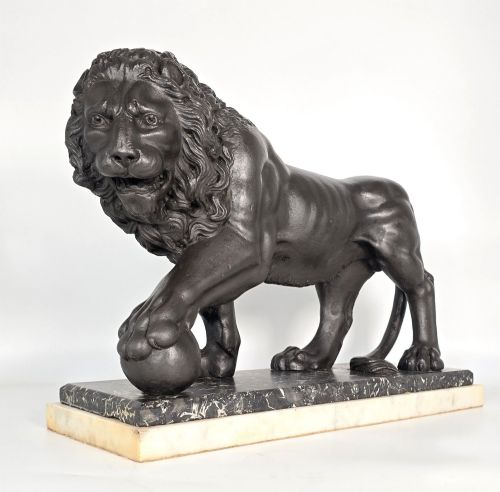
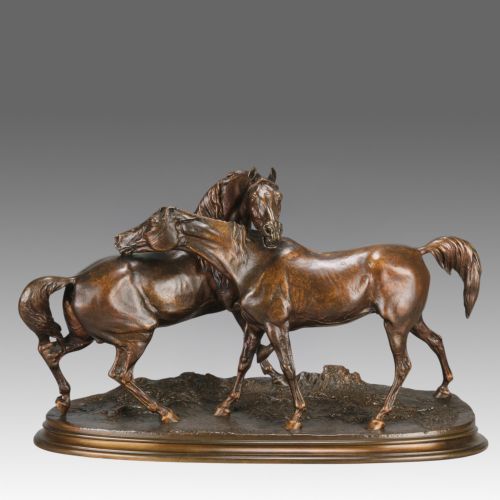
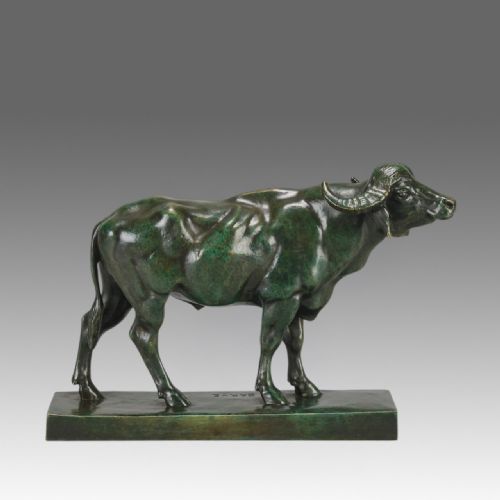
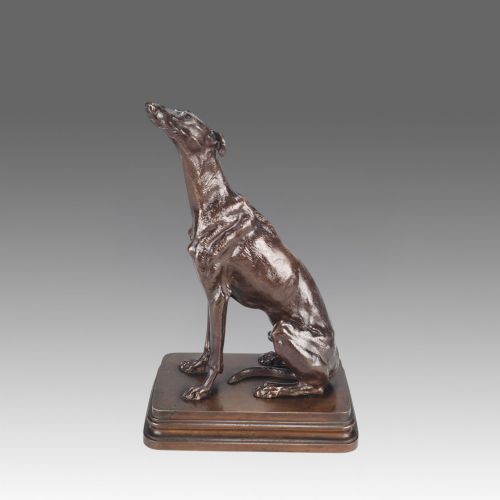
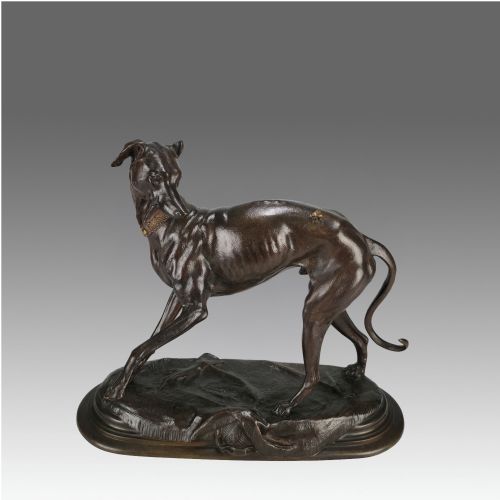
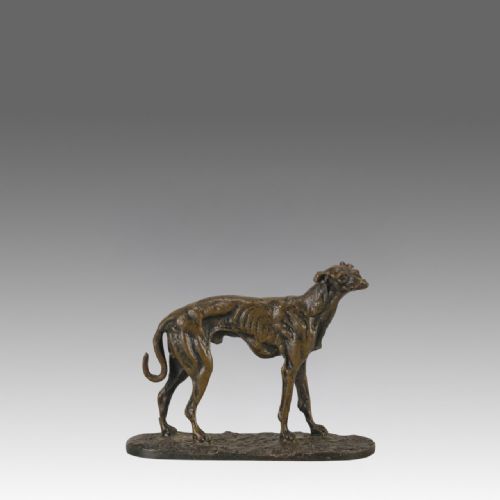
A 19th century animalier bronze captures the musculature and movement of wildlife, offering collectors miniature studies of horses, hounds, and birds cast during the height of the movement.
19th Century Animalier Bronze
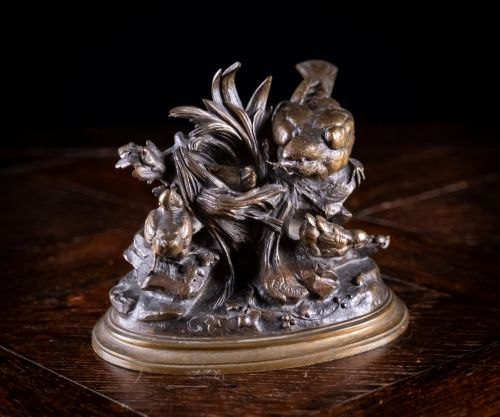
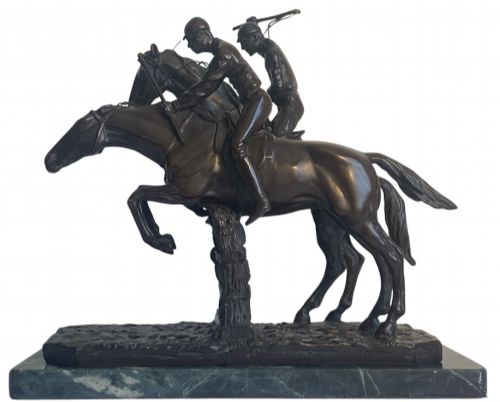
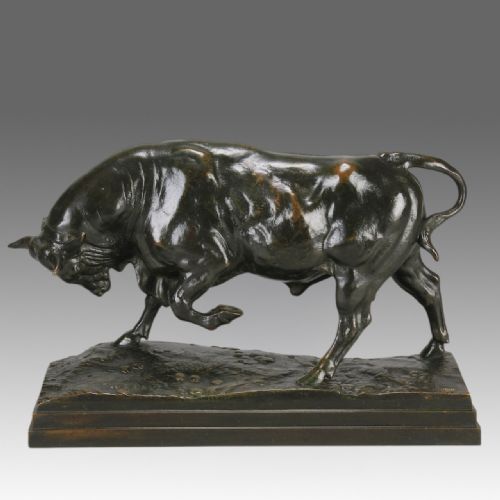
A 19th century animalier bronze search reveals sculptural studies depicting domestic animals, wildlife, and sporting subjects across European foundries. The selections span French Animalier and Victorian styles, appearing as standalone figures, mounted groups on marble plinths, and functional items like inkstands.
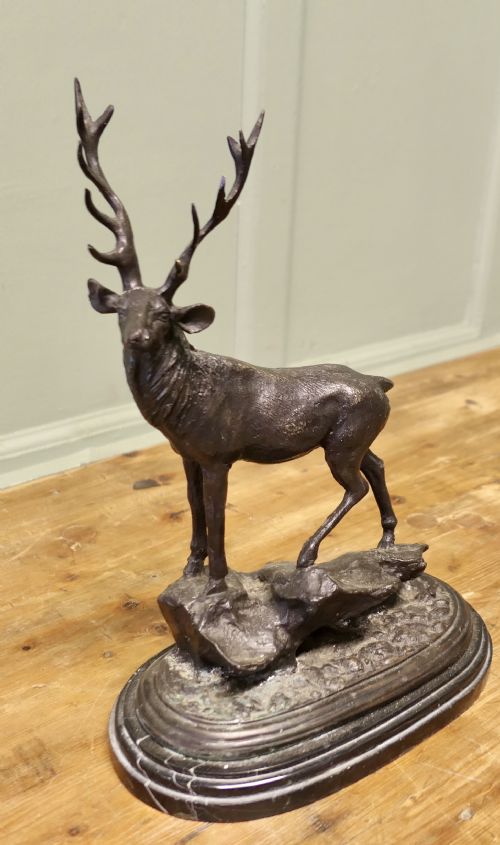
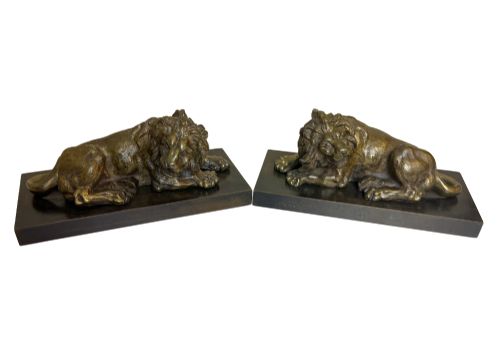
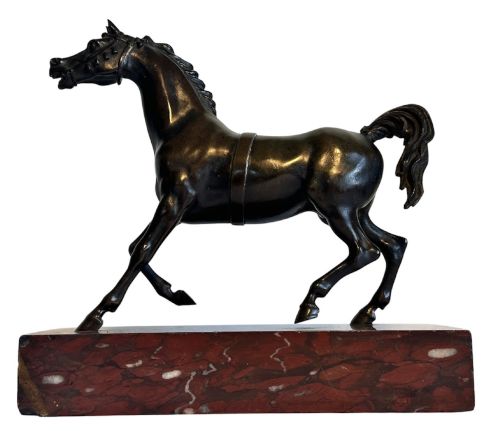
Pieces frequently portray hounds, horses, stags, and big cats cast in motion or repose. French workshops produced the majority of these works, ranging from modest tabletop statuettes to substantial exhibition-scale groups.
How they were made
Foundries utilised the lost-wax casting method or sand casting to capture fine anatomical details in molten bronze. Artisans then applied chemical treatments to create varied surface finishes, producing patinated bronze, gilt bronze, or ormolu effects.
Many sculptures incorporate heavy bases of carved marble, slate, or brass to anchor the dynamic figures. Final hand-chasing sharpened feather textures, fur direction, and facial expressions after the metal cooled.
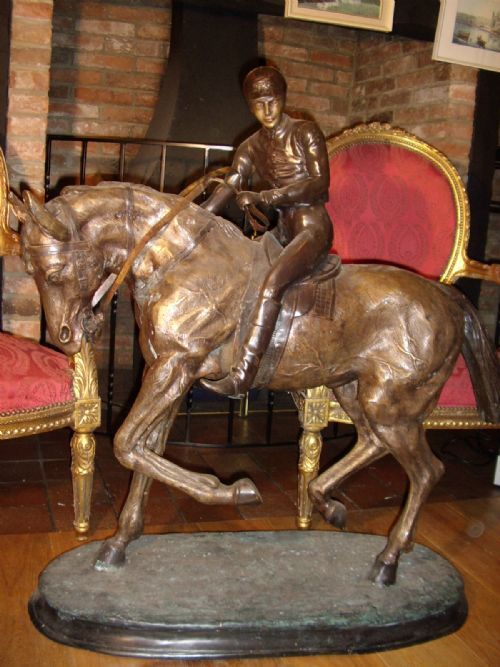
The archive records French Animalier works depicting domestic hounds, racehorses, and exotic wildlife.
What varies in quality
The precision of the chasing work separates standard foundry editions from superior castings. Artisans who spent hours hand-finishing fur, sinew, and hooves preserved the liveliness of the original model.
The choice and integration of the supporting marble plinth also indicate quality, as does the depth and consistency of the dark patina. Earlier casts directly overseen by the sculptor typically show sharper relief than posthumous editions.
Jules Moigniez·Carl Kauba·P J Mêne·Louis Emile Cana·Antoine Louis Barye·Alfred Dubucand·Alfred Barye·John Willis Good·Luigi Secchi·Prosper Lecourtier·Charles Crozatier·E. Drouot·Pierre Lenordez·Delabrierre·Isadore Bonheur·Genryusai Seiya
The 19th Century Animalier Bronze Glossary
- Animalier
- A genre of art focused on the realistic portrayal of animals. Sculptors in this tradition studied anatomy from live specimens in menageries.
- Patina
- The surface coloration and sheen developed naturally over time or applied via chemical treatments. Dark patinas are common on 19th-century bronze wildlife studies.
- Ormolu
- Gilt bronze produced by applying a mercury-gilding amalgam to the bronze base. This technique creates a bright golden finish seen on decorative mounts and inkstands.
- Lost-wax casting
- A metal-casting process where a molten metal is poured into a mould that has been created by means of a wax model. The wax is melted and drained away.
- Chasing
- The process of hand-tooling the metal surface of a casting after it has cooled. This step removes casting flaws and sharpens surface details.
19th Century Animalier Bronze: Frequently Asked Questions
What is an animalier bronze?
An animalier bronze is a nineteenth-century sculpture focused specifically on the anatomy and behaviour of animals. These works range from solitary hounds and stags to complex groups of predators and prey.
French and European foundries produced these pieces in large numbers to satisfy a growing Victorian appetite for natural history and sporting art.
How do I clean a bronze sculpture?
Bronze requires minimal intervention to preserve its original surface finish and chemical patina. Dusting gently with a soft, dry brush prevents particulate buildup in recessed details.
Avoid using water, chemical solvents, or metal polishes, as these abrasive substances strip away historical patination and damage the metal.
Why are figures mounted on marble?
Sculptors mounted dynamic animal bronzes onto heavy marble or slate plinths to provide structural stability. Base materials added substantial weight, keeping leaping stags and charging bulls balanced on tabletops.
This presentation also created a visual border between the naturalistic scene and the domestic interior.
How can I identify a foundry mark?
Foundry stamps, cachets, and signatures usually appear along the top of the bronze base near the feet of the animal. Names such as Barbedienne indicate commercial production editions.
Checking these stamped signatures against period foundry records helps confirm the era of the cast.