




1960s Oil Painting
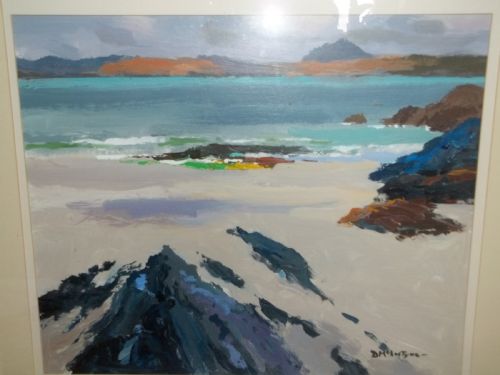
A 1960s oil painting brings mid-century character and texture to a wall through varied modernist and impressionist visions.
1960s Oil Painting
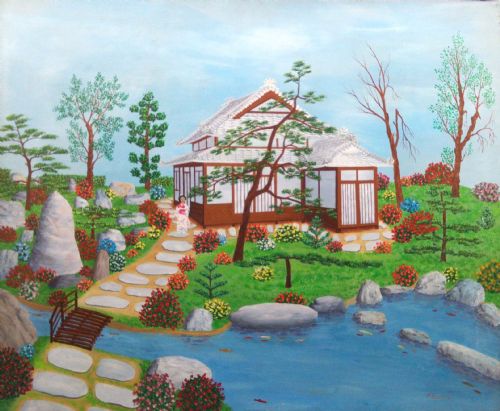
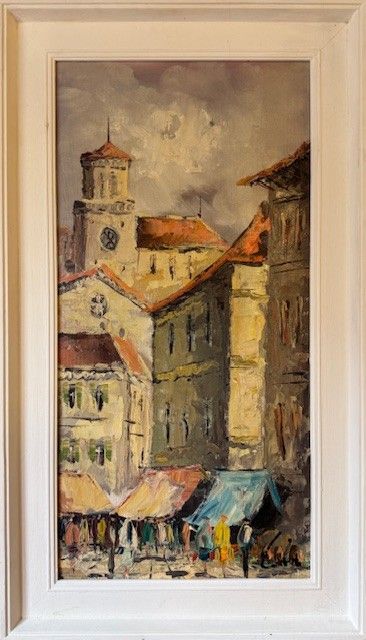
When you search for a 1960s oil painting, you encounter works spanning mid-century modernism, impressionism, naive art, and abstract expression.
The pieces represented here include large cityscapes, floral still lifes, coastal scenes, and geometric op art created across Britain and France.
Canvases and boards form the primary supports for these mid-century works, often housed within wood frames or gilt surrounds.
How they were made
Artists built these compositions primarily using oil paint applied thickly in impasto strokes or smoothly across canvas and board.
Makers integrated wood frames to complete the wall art, sometimes utilising gilt finishes to accentuate the visual depth of the pigment.
The selection includes works categorized under French expressionism, naive art, op art, and mid-century modernism.
What varies in quality
Depth of composition and handling of pigment distinguish standard decorative canvases from masterworks by named regional and international painters.
The strength of the mid-century palette and the boldness of abstract or impressionist brushwork determine the visual impact of each canvas.
Tony Giles·Helen Layfield Bradley·Raymond Picque·Gabriel Dauchot·Amile Coppieters·Ron Folland·William Littlejohn·Noel Quintavalle·Christian Caillard·William Ernst Burwell·Donald McIntyre·Dion Pears
The 1960s Oil Painting Glossary
- Impasto
- Paint applied thickly to a canvas or board, standing out in relief from the surface so that the marks of the brush or palette knife remain visible.
- Op art
- A style of visual art that uses optical illusions through geometric patterns and vibrant contrasts, prominent in mid-century abstract works.
- Naive art
- Artwork characterised by a childlike simplicity in execution and perspective, often created by self-taught outsider painters.
- Gilt
- A thin layer of gold or gold-coloured material applied to wood frames to provide a decorative metallic finish.
1960s Oil Painting: Frequently Asked Questions
How do I identify a mid-century canvas?
Examine the materials used for the support, which typically include stretched canvas or board paired with period wooden framing.
The subject matter and application of oil paint often reflect mid-century aesthetic movements such as impressionism or abstraction.
Where should I hang a large abstract piece?
Large formats suit principal reception rooms or hallways where sufficient wall space allows the composition to anchor the room.
Ensure the lighting highlights the texture of the oil paint without creating disruptive glare on the varnished surface.
What distinguishes French expressionism from British modernism?
French expressionist works from this era frequently employ vibrant palettes and dynamic brushwork to capture urban scenes and horse racing.
British modernist examples tend to focus on coastal landscapes and structured abstracts with distinct regional character.
How do I care for an oil painting on board?
Keep the artwork away from direct sunlight and fluctuating humidity to protect the wood board and stabilise the oil pigment.
Dust the surface gently with a dry, soft cloth without applying liquid cleaners or pressure to the impasto.