
1960s Gold Watch
When seeking a 1960s gold watch, collectors find timepieces embodying mid-century horology that deliver enduring mechanical precision alongside classic precious metal aesthetics.
1960s Gold Watch
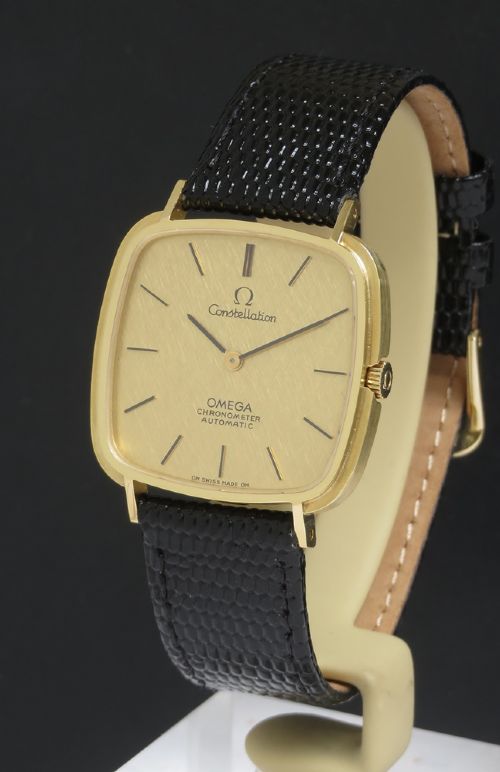
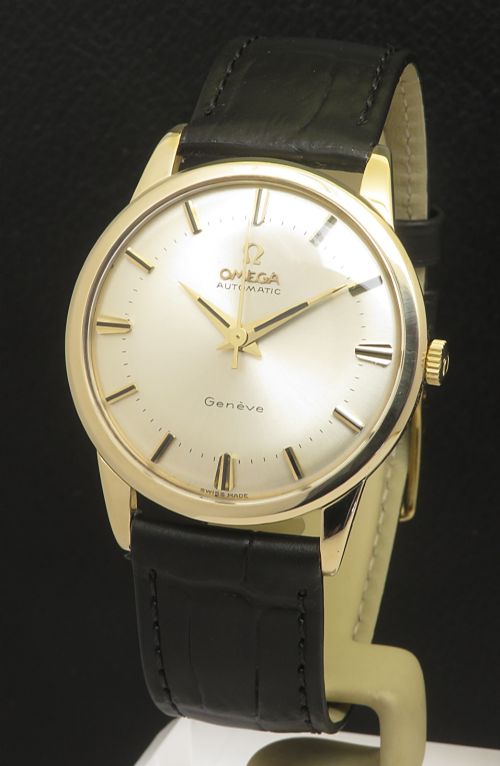
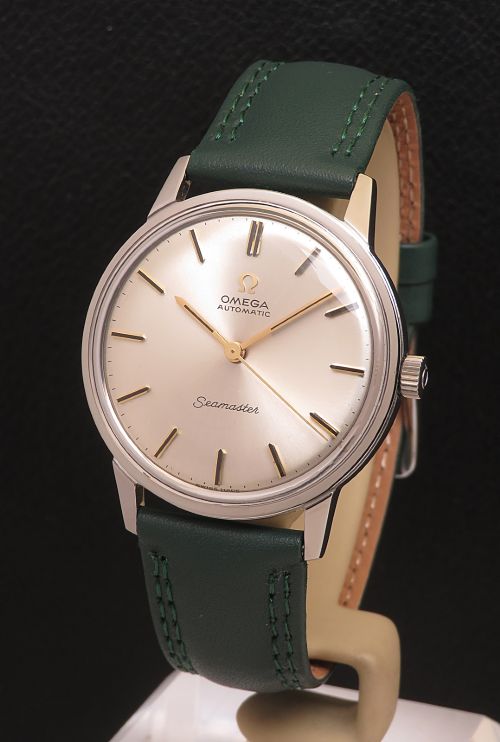
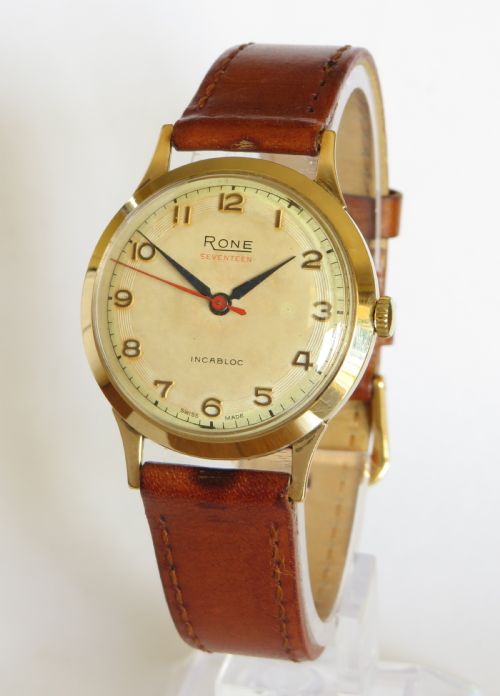
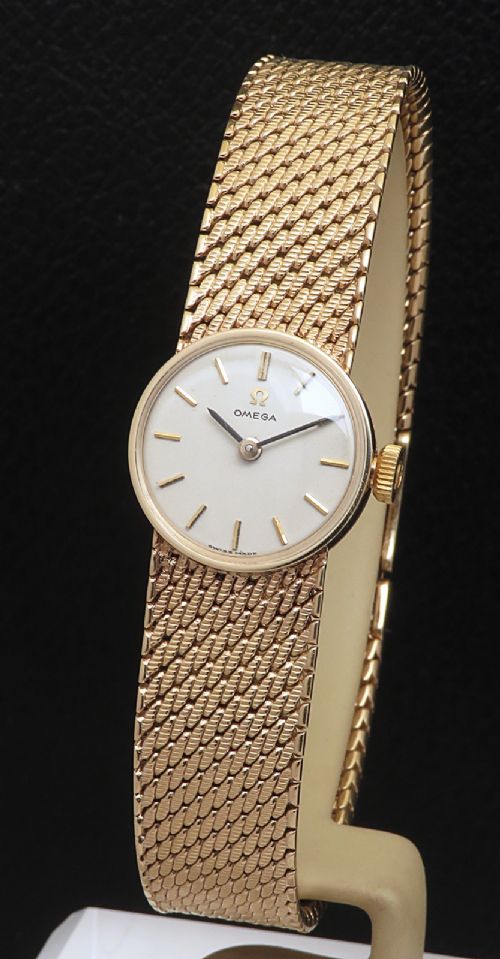
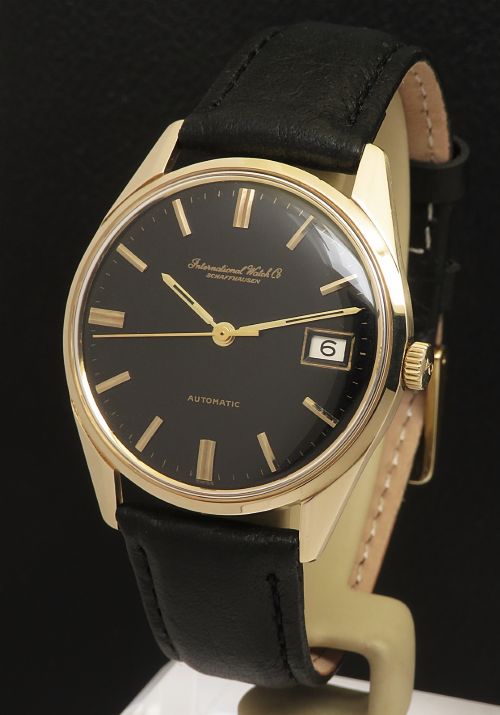
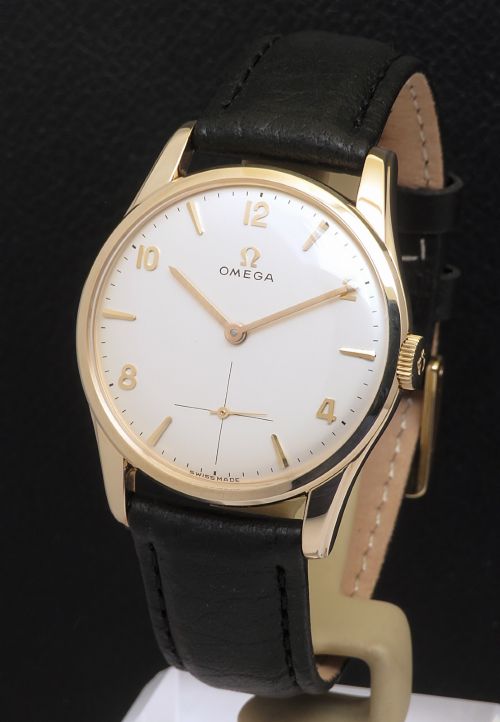
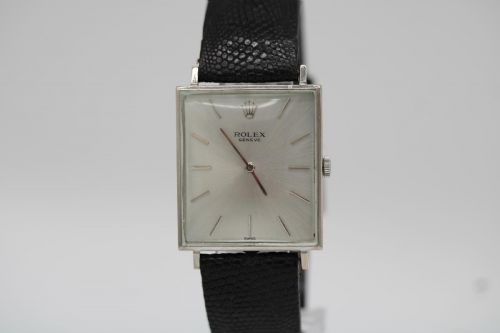
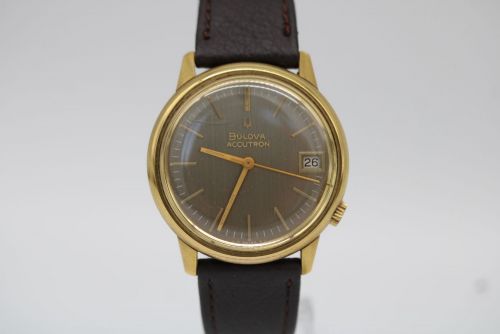
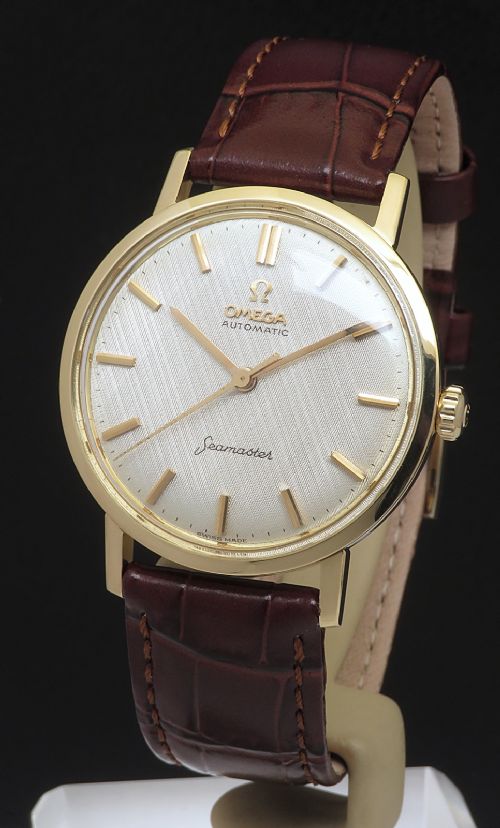
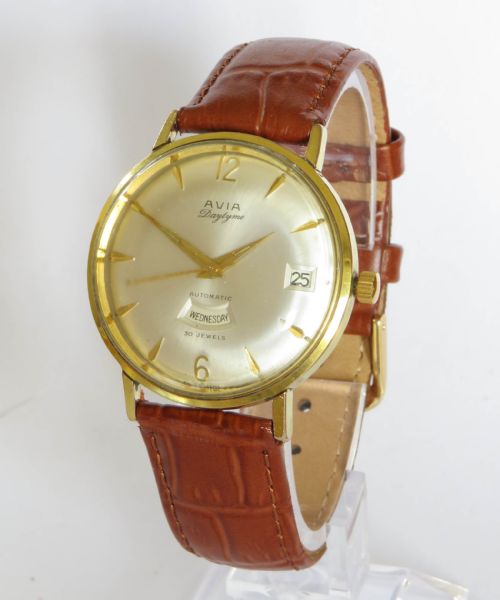
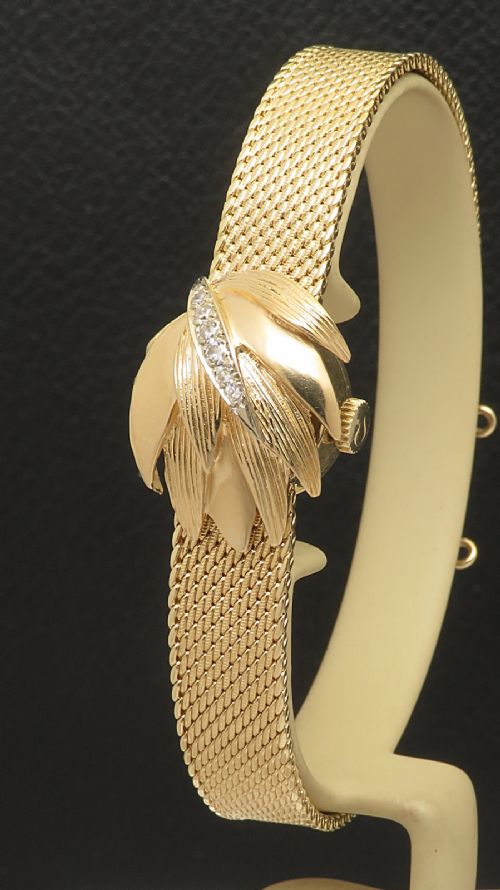
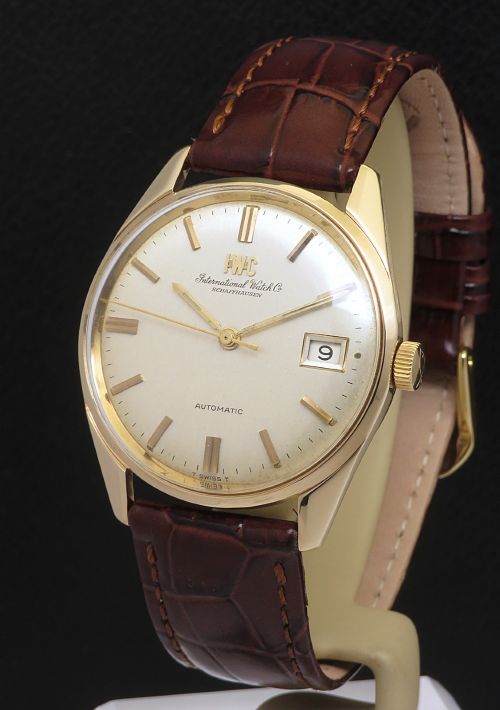
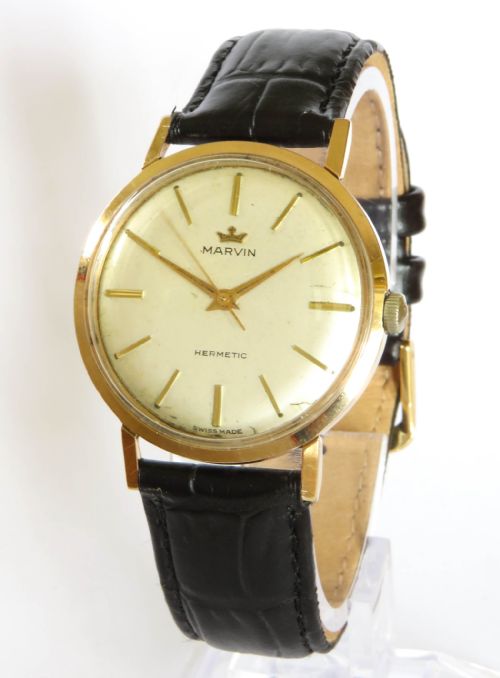
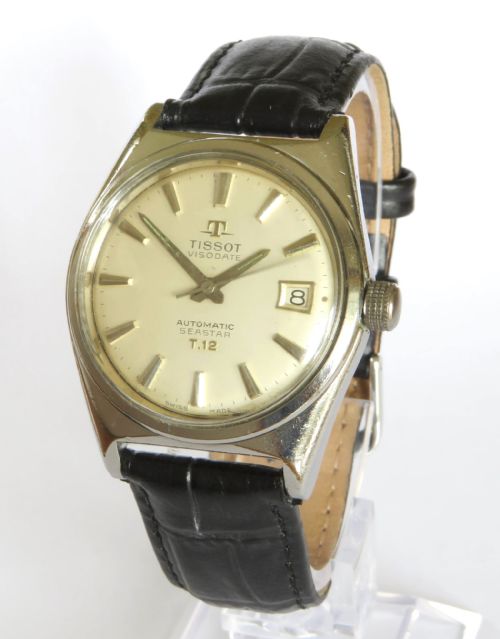
A 1960s gold watch encompasses gents wristwatches, ladies cocktail watches, and slim dress pieces originating primarily from the 1950s and 1960s periods. Buyers exploring this category encounter mechanical wristwatches and automatic calibres reflecting mid-century design movements.
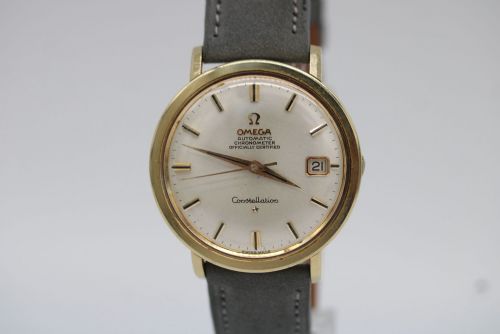
The selections span standard gents models, chronometers, and diamond-set ladies bracelet pieces. Formats range from traditional round cases to distinct geometric silhouettes typical of mid-century British and international workshops.
Materials and construction techniques
Cases utilise solid 9ct gold, 14ct gold, 18ct yellow and white gold, alongside gold plate over base metals. Dials incorporate glass and acrylic crystals, sometimes paired with diamond accents on high-end ladies cocktail variations.
Movements rely on manual wind mechanisms and automatic calibres, frequently housed alongside original leather straps or integrated gold bracelets. Construction combines traditional watchmaking machinery with hand-finished dial details and precise case stamping.
Some ladies cocktail pieces secretly double as sparkling diamond bracelets that happen to tell the time.
Distinctions in quality and finish
Quality differentiates by the purity of the metal housing, moving from gold-plated brass up to solid 18ct white or yellow gold constructions. Calibre complexity also determines standing, with chronometer-certified automatic movements commanding higher regard than standard manual wind mechanisms.
The presence of original documentation, branded boxes, straps, and buckles elevates the preservation status of a piece. Dial condition, including untouched sunburst finishes and original hands, marks the boundary between standard survivors and museum-grade examples.
Omega·Rolex·IWC·Bulova·Longines·Jaeger Lecoultre·Universal Geneve
The 1960s Gold Watch Glossary
- Automatic
- A self-winding mechanical movement that uses the motion of the wearer's wrist to power the watch.
- Chronometer
- A high-precision watch movement that has passed rigorous accuracy tests conducted by an official bureau.
- Cocktail watch
- A small, decorative ladies dress watch often set with diamonds and precious stones, intended for evening wear.
- Calibre
- The specific internal movement designation or model number assigned by the manufacturer.
- Gold plate
- A layer of gold applied to the surface of a base metal core, such as stainless steel or brass.
1960s Gold Watch: Frequently Asked Questions
How do I wind a manual watch?
Gently rotate the crown clockwise between your thumb and forefinger until you feel resistance. Stop immediately to avoid damaging the mainspring.
Perform this action daily at a consistent time to maintain accurate timekeeping throughout wear.
Can I swim with a vintage watch?
Vintage timepieces lack modern waterproof gaskets and reliable sealing capabilities. Even models designated as water-resistant originally should be kept away from water.
Protect the movement and internal components by removing the watch before bathing, swimming, or washing dishes.
What is an automatic movement?
An automatic movement contains an internal weighted rotor that spins as the wearer moves their arm. This kinetic action winds the mainspring continuously.
Such mechanisms eliminate the need for manual daily winding while the watch remains in regular active use.
How should I store my watch?
Store the timepiece in a dry environment away from direct sunlight, extreme temperature fluctuations, and magnetic fields. Dedicated watch boxes or padded storage cases provide ideal protection.
If the piece remains unwound for extended periods, operating the movement briefly every few weeks keeps internal lubricants distributed.