



1935 Diamond Ring
A 1935 diamond ring captures the geometric elegance of the Art Deco era, offering enduring craftsmanship and brilliant stones that collectors prize.
1935 Diamond Ring
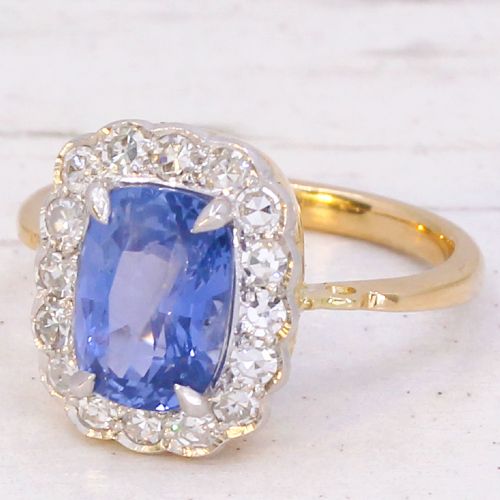
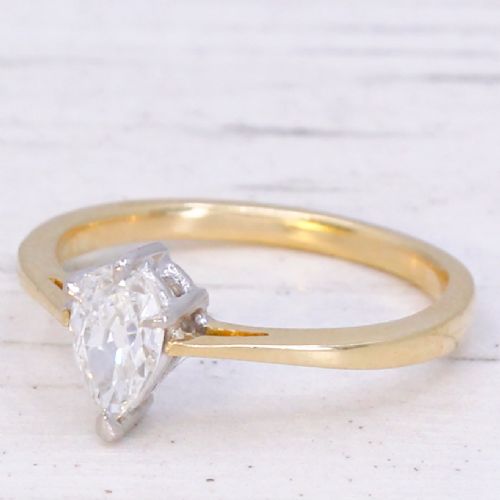
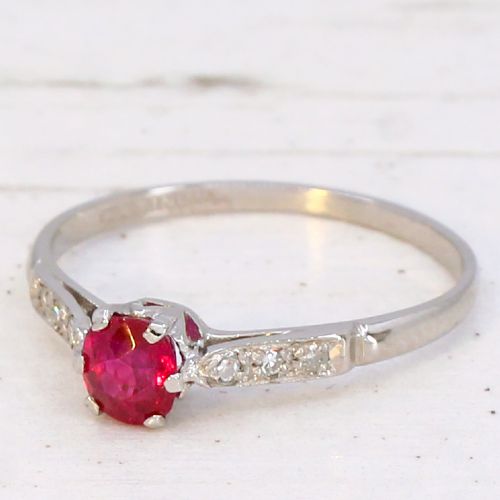
When searching for a 1935 diamond ring, collectors encounter genuine artefacts from the height of the Art Deco period, spanning engagement rings, dress rings, and cocktail rings. These pieces frequently pair central diamonds with precious coloured gems such as sapphires, rubies, and emeralds.
The inventory on this page demonstrates a strong prevalence of solitaire, cluster, and three-stone configurations. Platinum and yellow gold serve as the primary settings for these mid-1930s designs, reflecting the prevailing metallurgical choices of the workshop.
How they were made
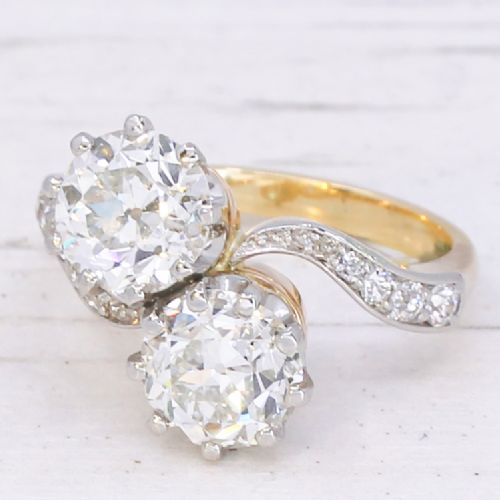
Master jewellers of the period utilised platinum and various grades of gold, including yellow gold and white gold, to construct durable and refined settings. Stones were hand-cut, yielding characteristic old European cuts and old pear cuts that display softer light dispersion than modern brilliant cuts.
Settings relied heavily on precision claw, bezel, and channel arrangements to secure diamonds alongside high-carat gemstones like Burmese rubies and Ceylon sapphires. Artisans integrated millegrain edging and openwork gallery wire to enhance the geometric motifs typical of the style.
Some past pieces tucked tiny diamonds beside massive eight-carat amethysts, proving that Victorians were not the only ones who loved a dramatic cocktail ring.
What varies in quality
The distinction between tiers rests upon the clarity, colour, and carat weight of the central diamond, alongside the natural origin and thermal treatment status of accompanying gems such as emeralds or sapphires. Unheated stones and certified origins command greater attention among discerning buyers.
Structural integrity and the preservation of original hand-cut facets dictate overall excellence. Pieces retaining crisp millegrain work and robust, unaltered platinum or gold shanks represent the upper echelon of surviving stock.
The 1935 Diamond Ring Glossary
- Art Deco
- A design style spanning the 1920s and 1930s characterised by geometric symmetry, stylised motifs, and sleek lines. This aesthetic heavily influences the architecture of these rings.
- Old European Cut
- An early round diamond cut featuring a small table, high crown, and a large culet. This facet arrangement produces a distinctive, warmer pattern of light reflection.
- Toi et Moi
- A ring style featuring two main stones positioned side by side, symbolising two souls intertwined. French for you and me, this form appears in vintage diamond pieces.
- Millegrain
- A decorative technique involving a row of tiny raised metal beads along the edge of a setting. It provides a delicate textured border typical of period jewellery.
- Trilogy Ring
- A ring set with three stones in a row, often representing the past, present, and future. These frequently combine a central diamond with flanking gems.
1935 Diamond Ring: Frequently Asked Questions
How do I identify an authentic period piece?
Authentic pieces from this era display specific manufacturing traits such as hand-cut old European diamonds and genuine platinum or gold hallmarks consistent with the 1930s.
Examining the setting under magnification reveals hand-formed millegrain work and integrated gallery construction rather than modern casting methods.
Can I wear these rings every day?
Platinum and high-grade gold provide durable foundations for daily wear, though care must be taken with softer coloured gemstones like emeralds.
Regular inspection by a jeweller ensures that the claw settings and delicate millegrain edges remain secure over time.
What coloured stones appear alongside the diamonds?
Sapphires, rubies, and emeralds frequently accompany diamonds in these vintage designs, originating from notable sources like Burma, Ceylon, and Colombia.
Amethysts, moonstones, and aquamarines also feature in specific dress ring configurations from the same period.