

Vintage Engagement Band
A vintage engagement band carries the enduring weight of past decades, offering distinctive gemstones and enduring metalwork.
Vintage Engagement Band
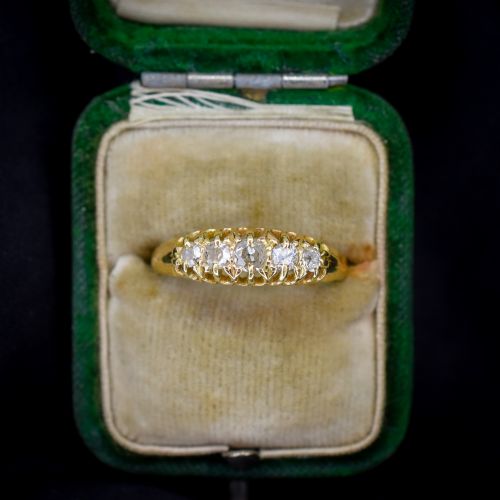
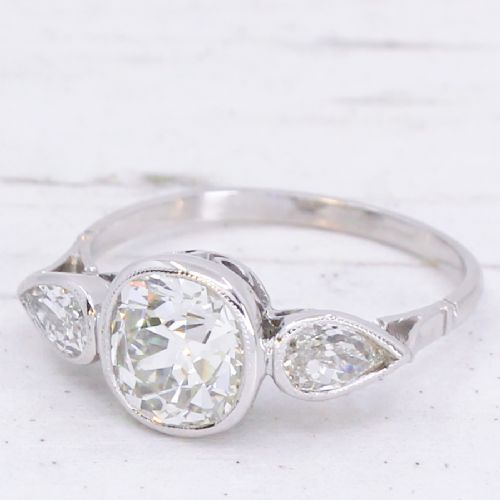
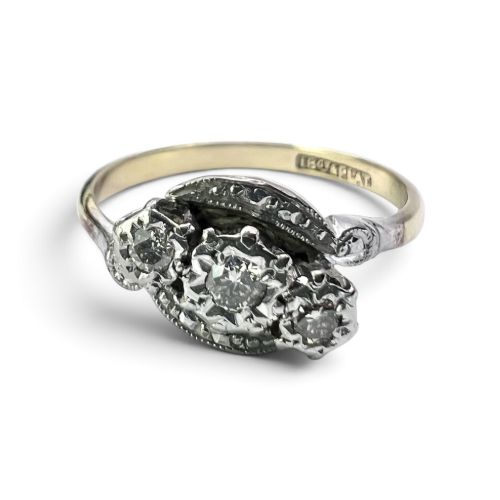
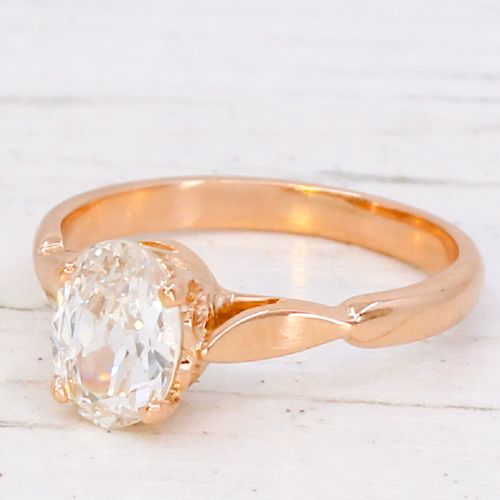
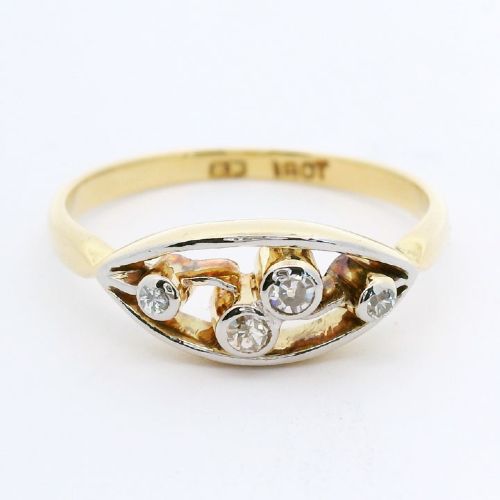
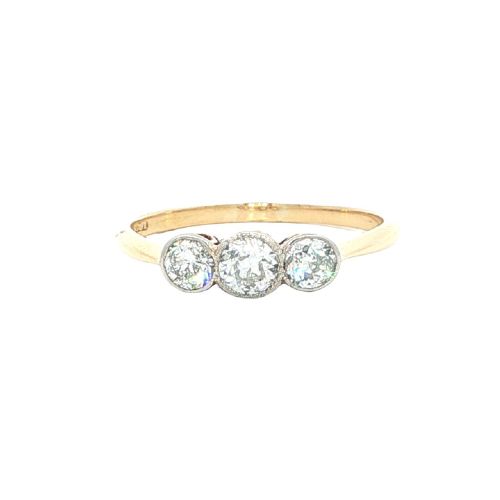
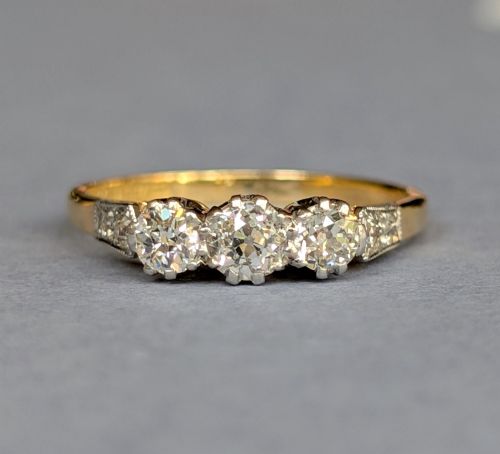
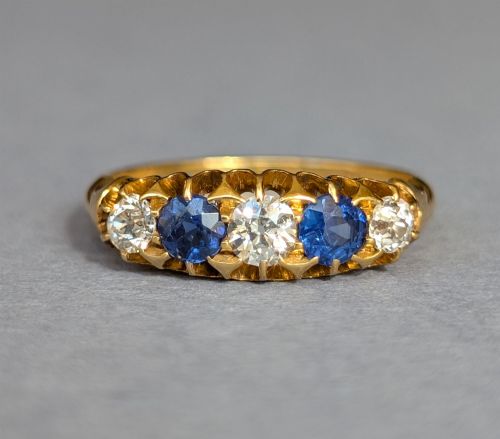
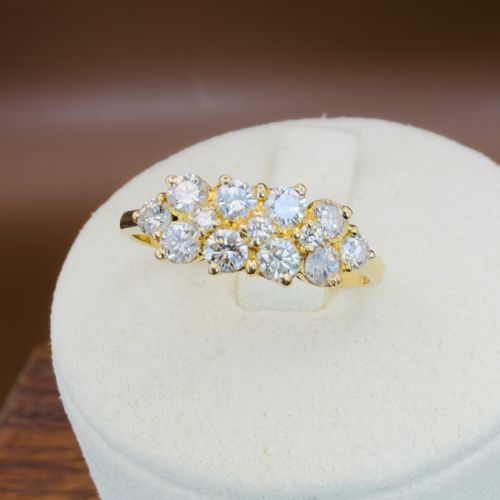
A vintage engagement band bridges the gap between historical craftsmanship and contemporary sentiment, presenting tangible links to past eras. These rings span periods from the late nineteenth century through to the mid-twentieth century, capturing aesthetic shifts from Victorian ornamentation to mid-century clean lines. Buyers seeking this phrase encounter varied configurations, with multi-stone settings, cluster arrangements, and traditional solitaires appearing frequently across the selection.
The material palette draws heavily on yellow gold, white gold, platinum, and combinations of gold and platinum, often paired with diamonds, rubies, sapphires, emeralds, pearls, and opals. Stylistic influences include Edwardian delicacy, Art Deco geometric rigour, and Victorian sentimentality, alongside pieces bearing distinct mid-century characteristics. These rings function primarily as finger ornaments designed to mark betrothals, integrating precious metals with prized gemstones.
How they were made
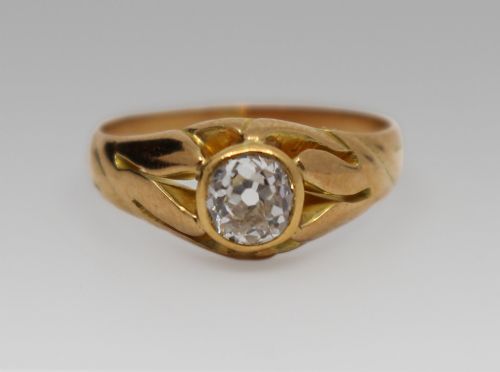
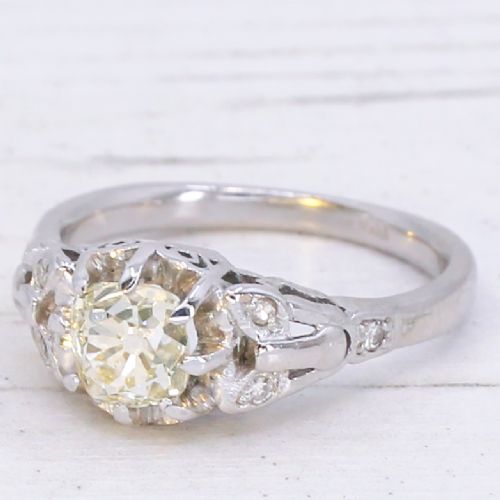
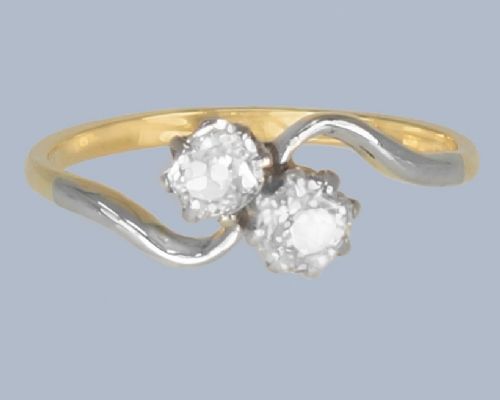
Goldsmiths utilised durable precious metals such as platinum and eighteen-carat gold, frequently combining yellow gold shanks with platinum settings to enhance stone security and visual contrast. Stones were hand-set using techniques suited to the period, including gypsy settings, delicate claw mounts, and flush settings that anchored diamonds, rubies, and sapphires securely within the metal framework.
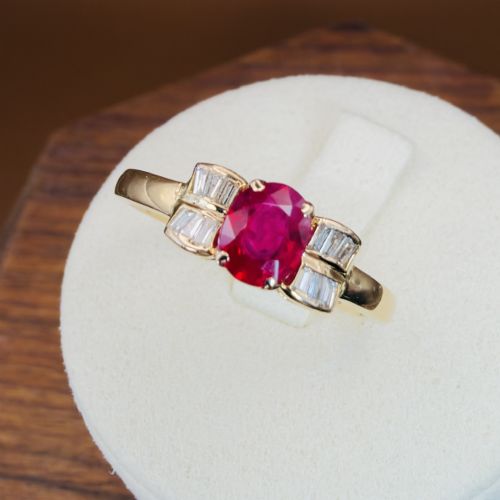
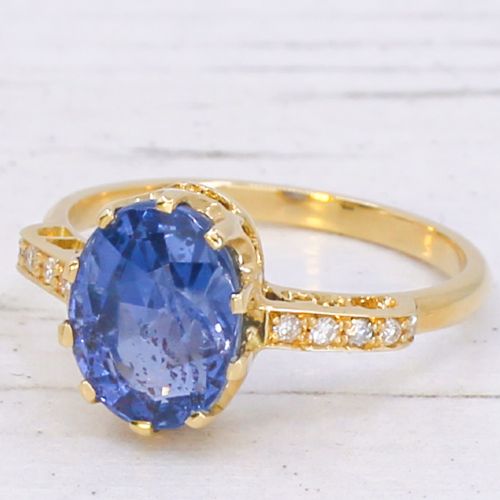
Gemstones commonly encountered include old cut diamonds, old European cuts, and unheated rubies or sapphires, shaped by hand rather than modern automated machinery. This manual approach resulted in subtle irregularities within stone facets and metal profiles, distinguishing historical benchwork from mass-produced output.
Listings span Victorian, Edwardian, Art Deco, and mid-century periods, showcasing platinum, gold, diamonds, rubies, and sapphires.
What varies in quality
The visual and structural calibre of a ring depends on the precision of stone cutting and the integrity of the metalwork surrounding it. Pieces featuring well-matched gemstones, secure claw integrity, and crisp detailing on shoulders or galleries represent higher levels of historical execution.
Wear on the band shank, thinning metal around the setting claws, and re-tipped prongs influence the overall condition and longevity of the piece. Superior examples retain their original proportions and clean hallmarks, reflecting careful preservation through successive decades.
The Vintage Engagement Band Glossary
- Old Cut Diamond
- A diamond cut by hand during the nineteenth or early twentieth century, characterised by a smaller table, higher crown, and open culet. These stones display a softer candlelight sparkle compared to modern brilliant cuts.
- Trilogy Ring
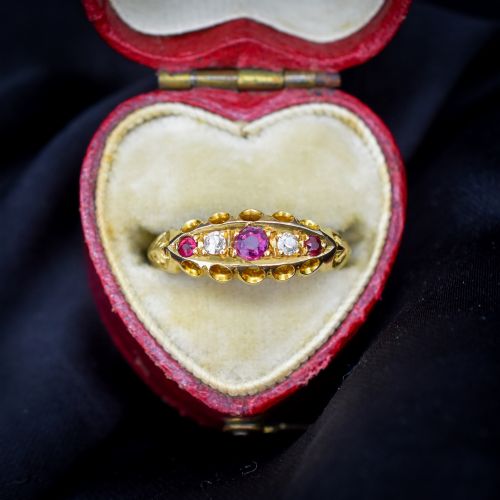
- A ring featuring three principal gemstones set in a row, traditionally symbolising the past, present, and future. Diamonds and rubies frequently form these three-stone arrangements.
- Toi and Moi
- French for you and me, this term describes a ring featuring two main side-by-side gemstones representing two entwined lovers. Edwardian jewellers often paired diamonds with rubies or sapphires in this configuration.
- Boat Ring
- A boat-shaped ring mounting, also known as a navette setting, featuring an elongated horizontal design that tapers towards the ends. This style was popular during the Edwardian and late Victorian periods.
- Gypsy Ring
- A ring style where gemstones are flush-set directly into the thick, tapering metal band so that the surface remains relatively smooth. This technique provided durability for daily wear.
Vintage Engagement Band: Frequently Asked Questions
How do I care for a vintage ring?
Living with a vintage engagement band involves mindful wear and regular checks of the stone settings to ensure the metal remains secure. Gentle cleaning with warm water and a soft brush helps maintain the brilliance of older stones without damaging delicate metals.
Avoiding harsh chemicals and removing the ring during rigorous physical activities will preserve the integrity of nineteenth and twentieth-century mountings.
How can I tell the period of a ring?
Dating a ring relies on examining the gemstone cutting styles, mounting designs, and any accompanying hallmarks stamped inside the band. For instance, geometric motifs point toward Art Deco aesthetics, while high-claw settings and floral clusters often indicate Edwardian or Victorian origins.
Comparing the specific configuration and metal combinations against established period characteristics clarifies the likely timeframe of manufacture.
Were these rings worn daily in the past?
Many historical rings served as daily adornments for betrothed individuals, reflecting the fashions and practical considerations of their respective eras. Durable metals like eighteen-carat gold and platinum were selected precisely to withstand regular wear.
Over decades, these bands accumulated gentle patinas that bear witness to their long history of daily use.