



1930s Wooden Side Table
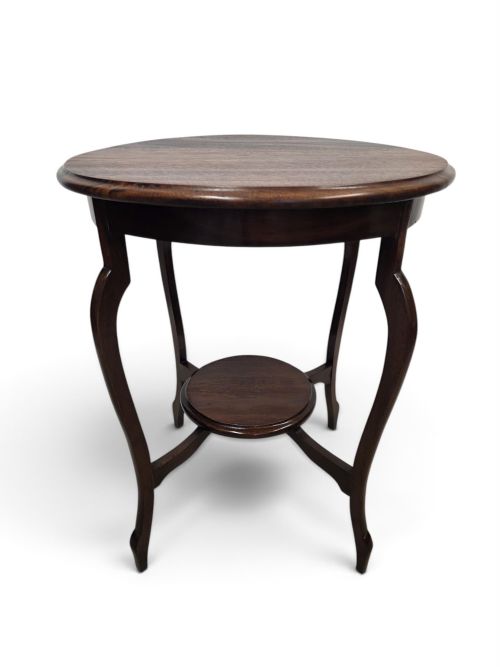
A 1930s wooden side table brings compact surface space and distinct period character to a room, ranging from streamline modernist forms to traditional oak.
1930s Wooden Side Table
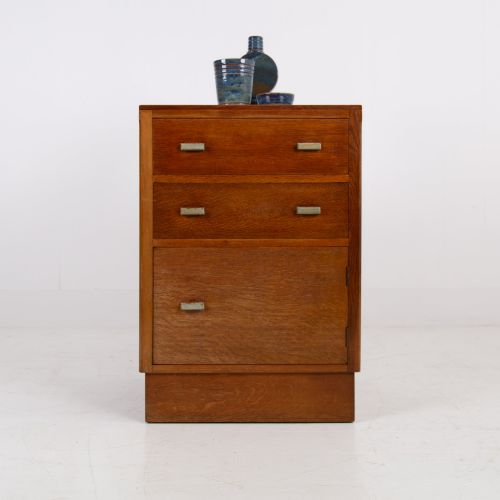
When you search for a 1930s wooden side table, you encounter a versatile category of domestic furniture designed primarily for practical daily use beside seating or beds. These pieces span compact lamp tables, tiered occasional surfaces, drop-leaf designs, and small cabinets produced during the 1930 and 1940 period.
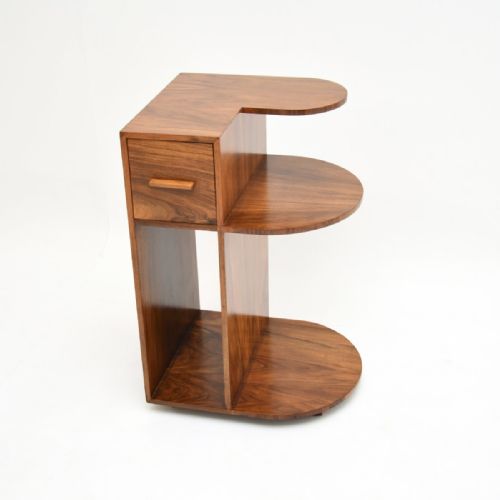
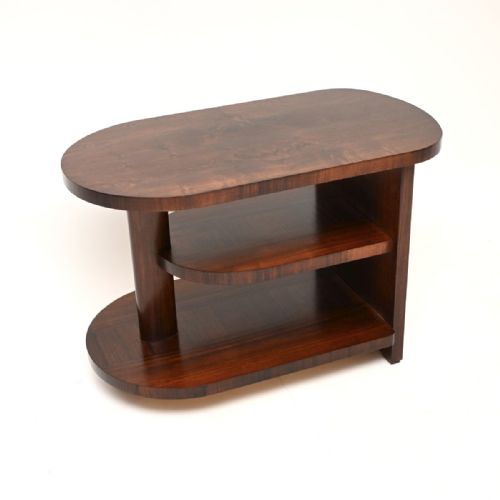
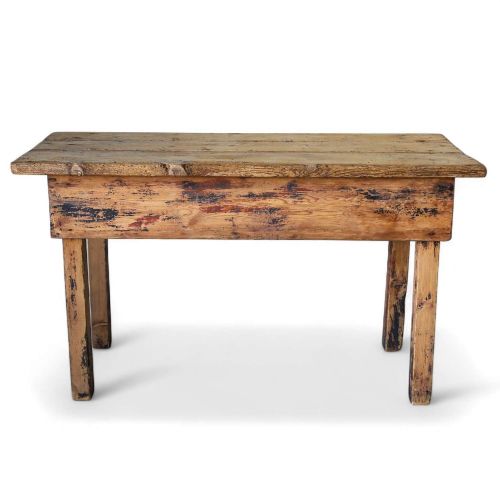
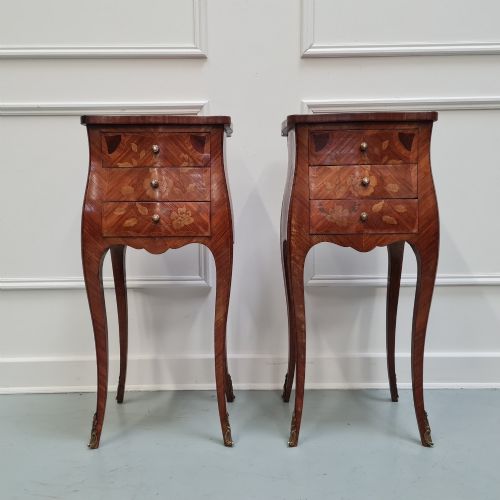
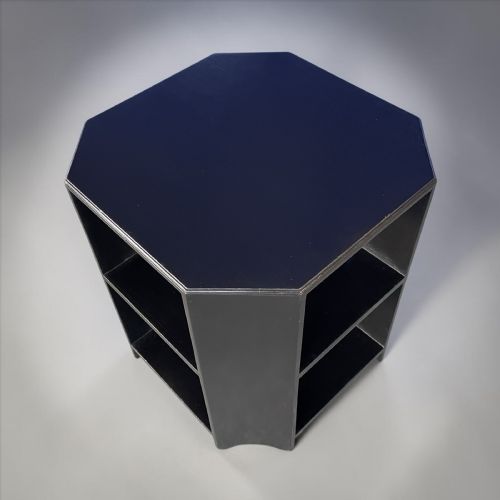
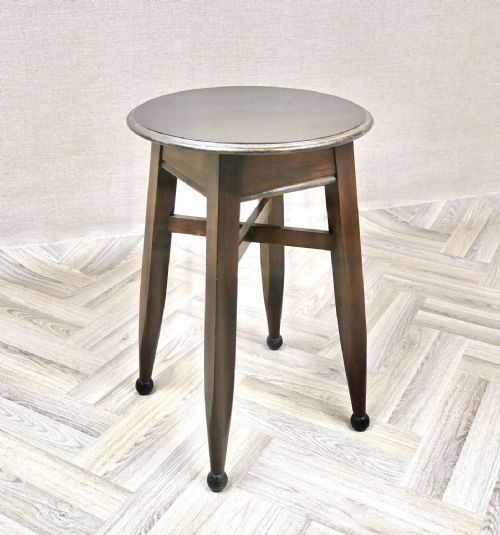
The selections available here lean heavily toward Art Deco aesthetics, featuring geometric lines and rich grain patterns alongside simpler rustic farmhouse timbers and revival styles. Buyers most frequently meet walnut veneer, solid oak, and mahogany formats that reflect both British manufacturing and continental French influence.
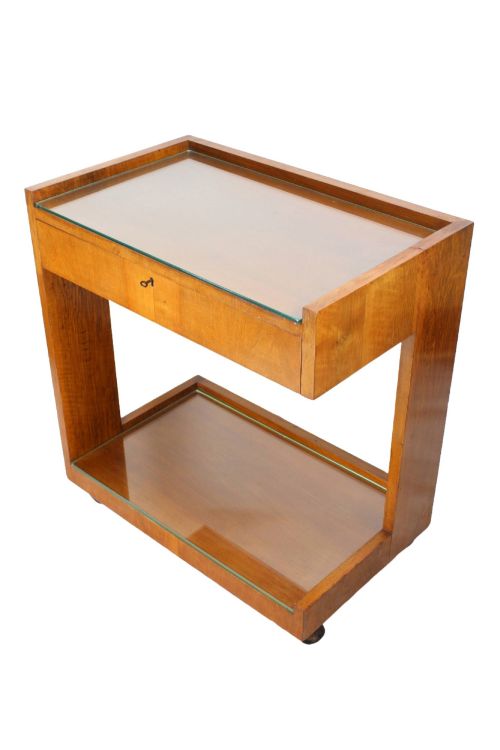
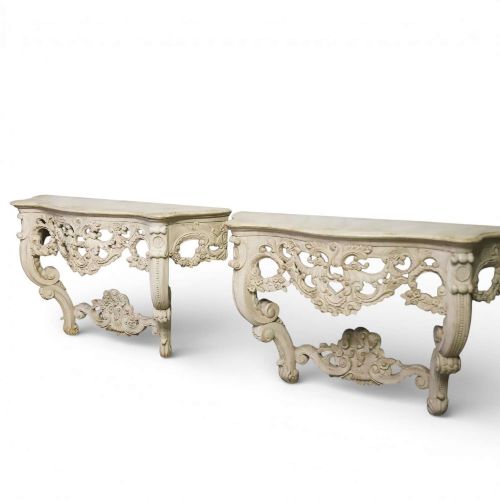
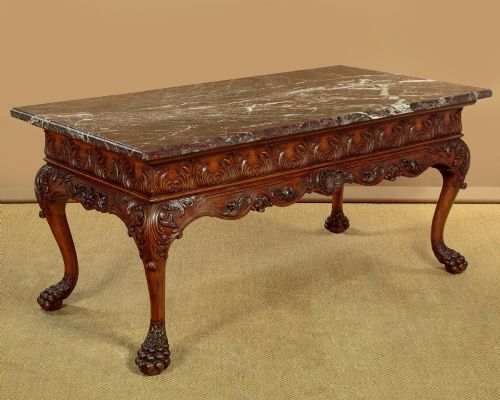
Beyond standard single-tier surfaces, the forms extend to nests of tables, drinks trolleys, and metamorphic chests that highlight the era's ingenuity in space-saving domestic design. This variety ensures that whether your interior requires a streamlined modernist accent or a carved wooden stand, a suitable period example exists within the inventory.
Materials and construction methods
Makers of the period relied heavily on hardwoods such as oak, mahogany, and walnut, frequently applying figured walnut or burr elm veneer to flat surfaces to create striking visual patterns. Solid timbers formed structural legs and frames, utilising turned supports like barley twists or clean-lined geometric angles typical of the Art Deco style.
Cabinet makers combined traditional joinery with emerging industrial techniques, integrating brass fittings, inset marble tops, and ebonised wood details to enhance the decorative finish. Surface treatments ranged from hand-polished French polish on luxury walnut to simpler wax finishes on utilitarian pine and oak.
The inventory encompasses specialised forms including drinks trolleys, metamorphic chests, and nest sets alongside standard side tables.
Distinguishing quality across the range
The distinction between standard utility items and finer examples rests largely on the selection of timber veneers and the precision of the cabinet work. Pieces featuring book-matched burr walnut or exotic rosewood demonstrate a higher ambition from the maker than plain, utilitarian softwood frames.
Structural integrity also defines the upper tier, where joints remain tight, drawers operate smoothly, and original hardware such as brass handles or castors survives intact. Finer items exhibit careful attention to proportional balance and edge detailing rather than relying solely on applied surface ornamentation.
Gomme·Gilbert Rohde·Heal's·Incorporall
The 1930s Wooden Side Table Glossary
- Art Deco
- A design style characterised by sleek geometric shapes, stylised motifs, and modern industrial materials popular during the 1930s. It represents a sharp departure from heavy Victorian ornamentation.
- Veneer
- A thin layer of superior wood adhered to a base of lesser timber to provide an ornamental surface. Figured walnut and burr elm are common examples seen on top surfaces.
- Occasional table
- A small, movable table designed for specific, intermittent uses such as holding a lamp or book. They appear frequently in various geometric configurations.
- Drop-leaf table
- A table with hinged flaps on the sides that can be folded down to save space or raised to expand the surface area. This mechanism provides flexible utility in smaller rooms.
- Barley twist
- A decorative turning technique resembling a spiralling rope, frequently utilised on the wooden legs of tables and stands from this era.
1930s Wooden Side Table: Frequently Asked Questions
How do I identify a 1930s side table?
Look for characteristic design markers such as geometric Art Deco silhouettes, stepped tiers, and waterfall edges. The choice of woods, particularly walnut veneer and blonde oak, also points directly to this interwar period.
Construction details further aid identification, as machine-assisted joinery began pairing with traditional hand-finishing techniques during this decade. Examining the underside and interior drawers often reveals period manufacturing methods distinct from later reproductions.
Where were these tables used?
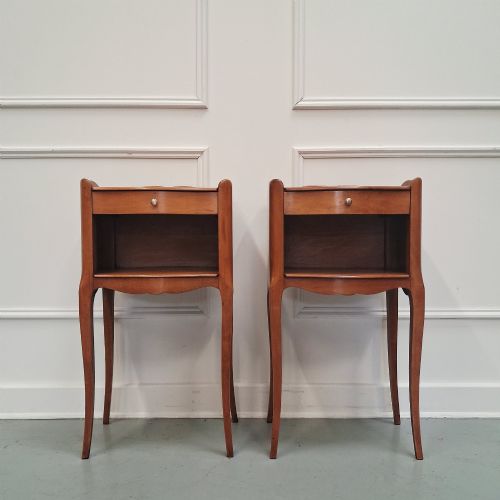
These pieces served primarily as functional furniture in living rooms, hallways, and bedrooms. They were positioned beside armchairs for drinks, next to sofas for lamps, or utilised as bedside storage.
Smaller formats like nests of tables and drinks trolleys were designed for easy movement to accommodate guests during social gatherings. Their compact dimensions made them ideal for the proportions of interwar domestic architecture.
Are these tables solid wood?
Construction methods varied depending on the grade and style of the piece. Many utilitarian items utilised solid oak, mahogany, or pine, while finer decorative examples employed timber frames clad in high-status veneers.
Walnut and elm veneers were especially common on top surfaces to display decorative grain patterns while maintaining structural stability. This combination of solid framing and veneered panels was standard practice among quality makers of the decade.
How do I care for a walnut veneer table?
Maintain the finish by dusting regularly with a soft, dry cloth and avoiding excessive moisture. Keep the timber away from direct heat sources and strong sunlight to prevent the veneer from drying or fading.
Occasional application of a suitable wax preserves the lustre of the polished surface without building up residue. Promptly wipe away any liquid spills to protect the underlying wood and adhesive layers.