



1930s Walnut Nightstands
These 1930s walnut nightstands are practical Art Deco bedroom pieces built from rich wood veneers that bring distinct period character to any bedside.

What 1930s walnut nightstands are
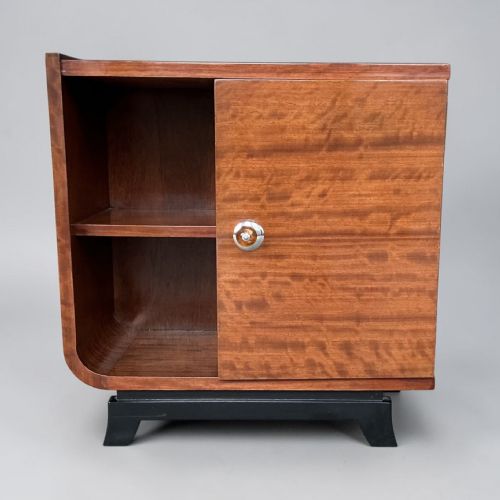
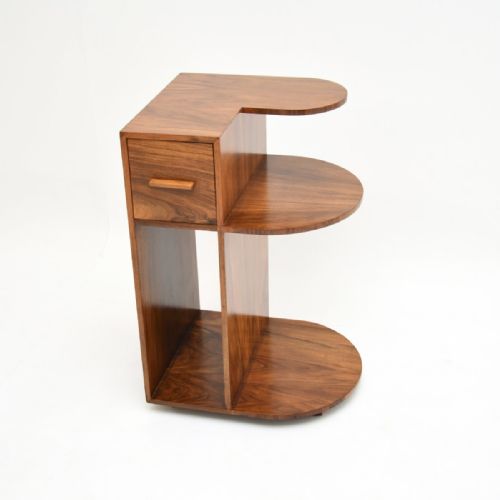
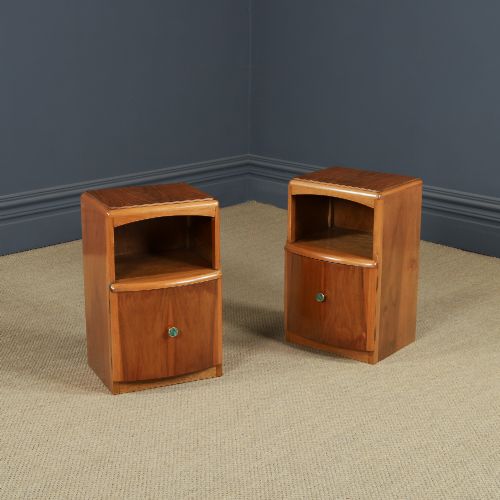
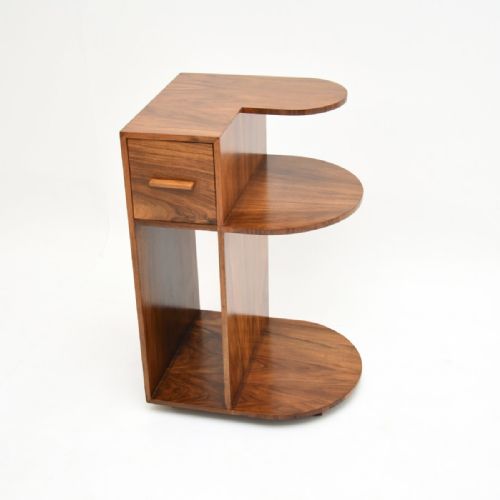
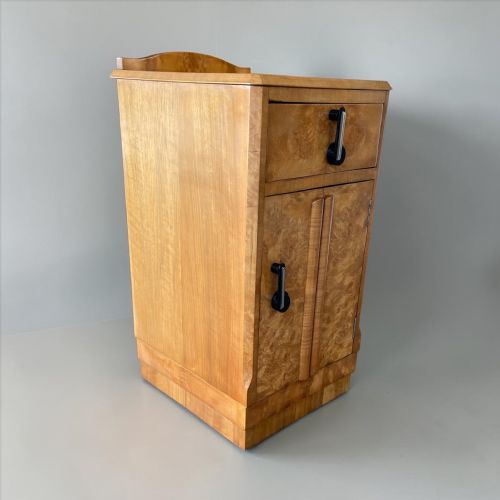
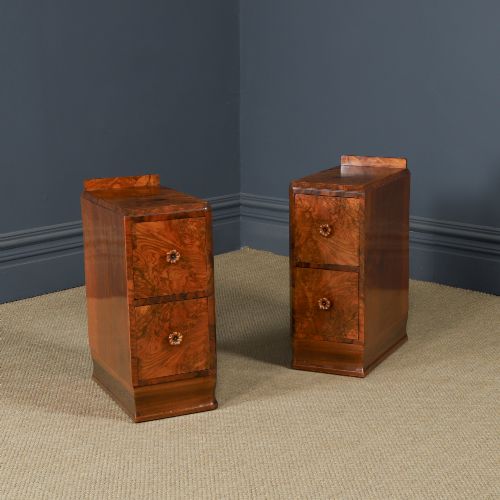
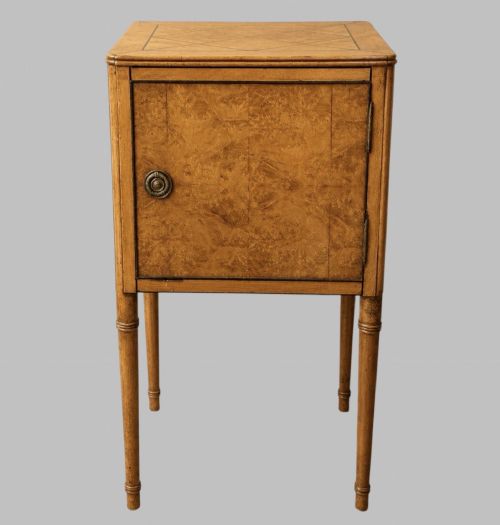
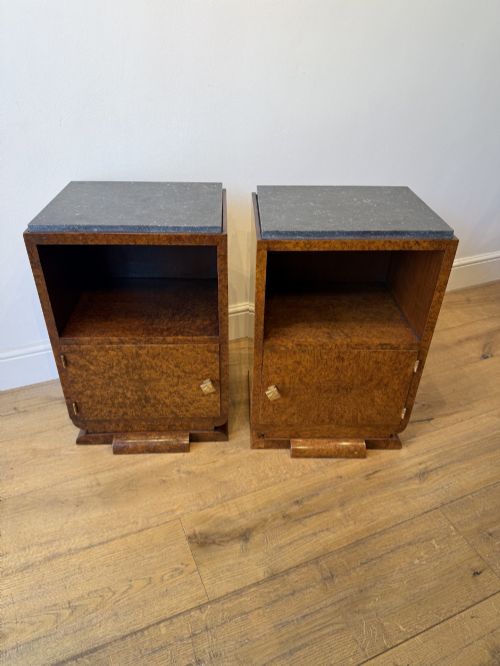
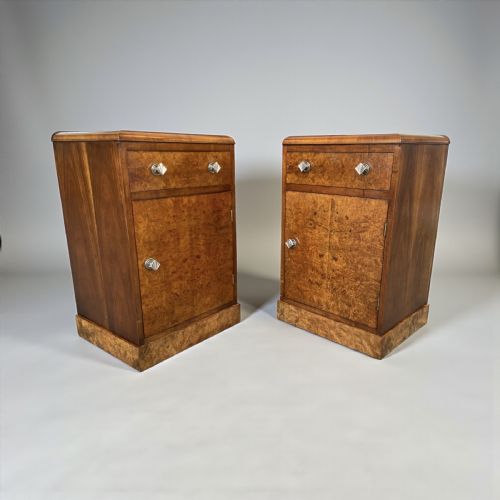
These 1930s walnut nightstands appear primarily as matched pairs designed to sit beside a bed. Most examples take the form of bedside cabinets or tables, often incorporating a combination of an open area and a cupboard for bedside storage.
The objects stem from the interwar period, predominantly dating around 1930 alongside a few pieces from the 1920s. English and Italian workshops produced these items, aligning with the prevalent Art Deco style of the era.
How they were made
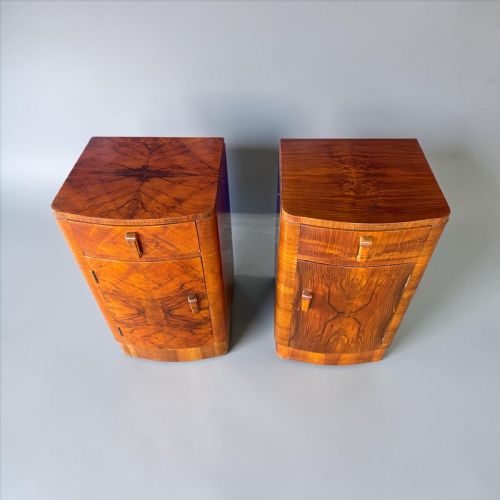
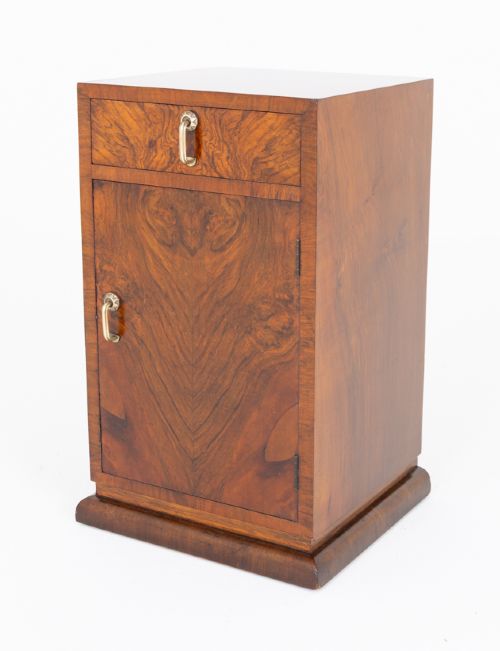
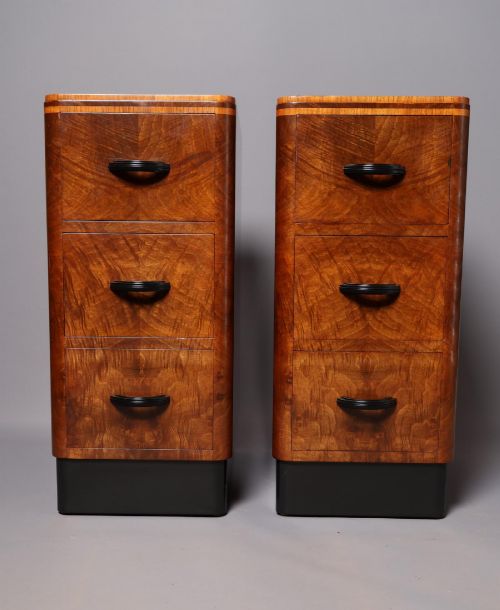
Cabinetmakers utilised wood and wood veneer as the primary structural materials, selecting walnut and burr walnut for their decorative grain patterns. Figured walnut surfaces were carefully arranged to create striking visual symmetry across the furniture fronts.
Construction frequently incorporated auxiliary materials characteristic of the period, including glass surfaces, chrome detailing, and occasional Bakelite elements. These components complement the warm tones of the walnut timber.
Retail Price Guide 2026
Typical UK retail prices for 1930s walnut nightstands, calculated from the Sellingantiques database of over a million retail prices indexed since 2003. This retail price guide relies exclusively on Sellingantiques data; no external sources or auction records are used, so the figures do not describe the wider market.
Materials recorded across the inventory include standard walnut, burr walnut veneer, glass, chrome, and Bakelite.
What varies in quality
Quality rests heavily on the selection and matching of the veneer, particularly where burr walnut figures are employed to create patterned surfaces. Superior examples demonstrate meticulous grain alignment across doors and panels.
The integration of secondary materials such as chrome and glass distinguishes finer pieces from simpler constructions. Well-executed geometric forms and balanced proportions define the upper tier of these Art Deco cabinets.
The 1930s Walnut Nightstands Glossary
- Burr walnut
- A veneer sliced from the deformed growth or burl of a walnut tree, yielding highly swirled and mottled grain patterns. This material was prized by Art Deco cabinetmakers for decorative surfaces.
- Art Deco
- A design style spanning the 1920s and 1930s characterised by streamlined forms, geometric symmetry, and modern industrial materials. It dominates the aesthetic of these bedside cabinets.
- Veneer
- A thin layer of superior wood adhered to a base timber to provide a decorative exterior finish without excessive cost. Walnut veneer forms the primary visual surface on these pieces.
- Bakelite
- An early synthetic plastic utilised for handles and decorative accents during the interwar period. Its dark, lustrous finish contrasts sharply against light wood.
Frequently Asked Questions
Are these nightstands sold individually or in pairs?
Most of these pieces appear on the market as matching pairs designed to flank a bed symmetrically. Individual items occasionally surface, but pairs represent the standard configuration.
Buyers seeking a unified bedroom aesthetic generally look for these matched sets to ensure consistent wood grain and height.
What storage features do these cabinets offer?
The pieces typically combine enclosed cupboard space with open storage areas suited for books and personal items. Some variations adopt drum-shaped profiles while maintaining internal shelving.
These configurations reflect the functional demands of interwar bedrooms before modern fitted furniture became commonplace.
How do I identify Art Deco nightstands?
Art Deco pieces display clean geometric lines, symmetrical wood veneers, and a notable absence of fussy historical ornamentation. The use of figured walnut alongside chrome or glass details points directly to this era.
Examining the overall silhouette reveals the streamlined approach typical of 1930s design.
Which regions produced these bedside cabinets?
English and Italian workshops feature prominently among the surviving examples from this period. Each region brought subtle stylistic interpretations to the standard bedside cabinet form.
Italian makers occasionally favored distinctive shapes like drum cabinets, while English pieces often emphasised rectilinear proportions.