
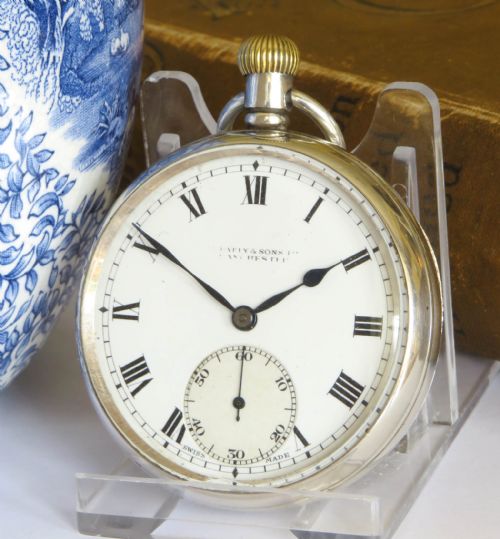
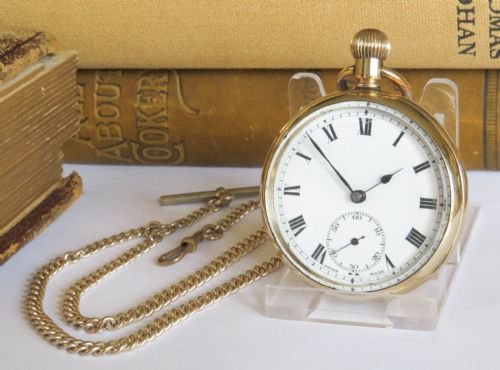
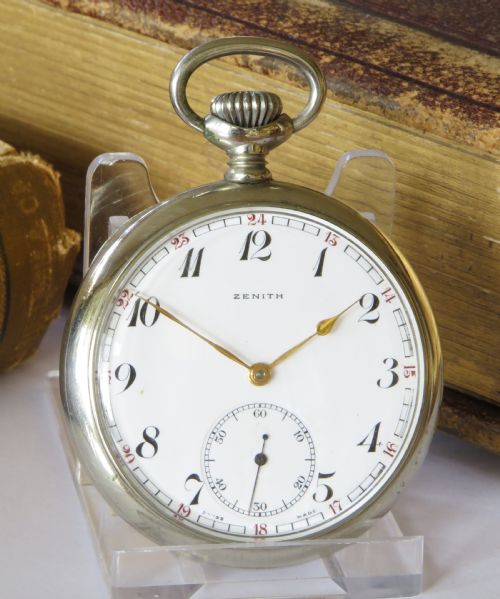
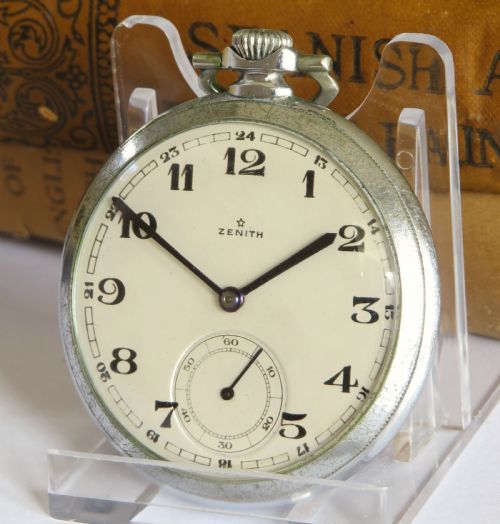
1930s Swiss Pocket Watch
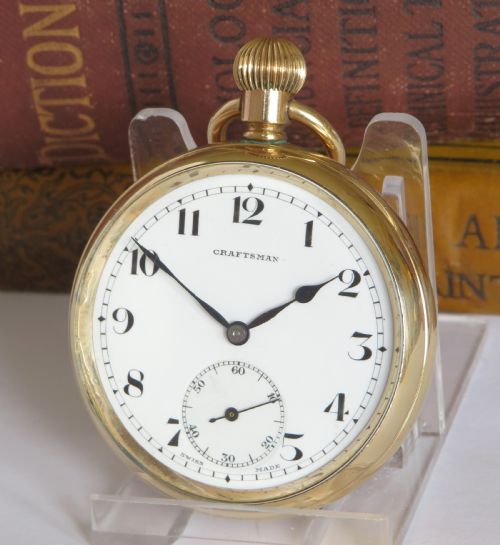
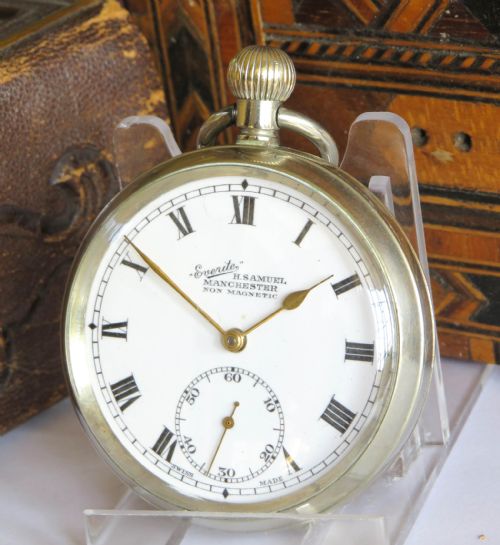
A 1930s swiss pocket watch offers reliable horological engineering combined with distinct Art Deco styling.
1930s Swiss Pocket Watch
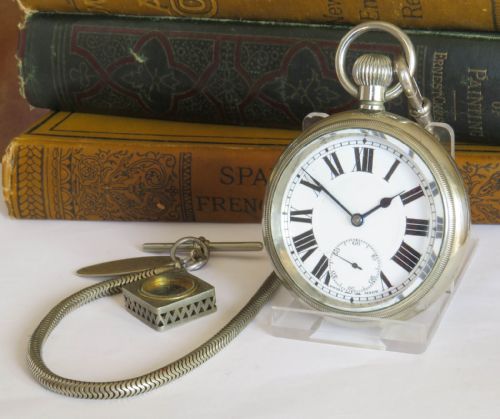
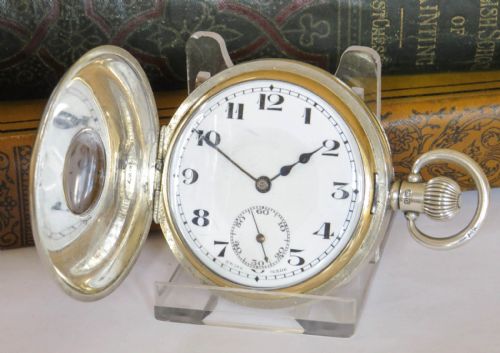
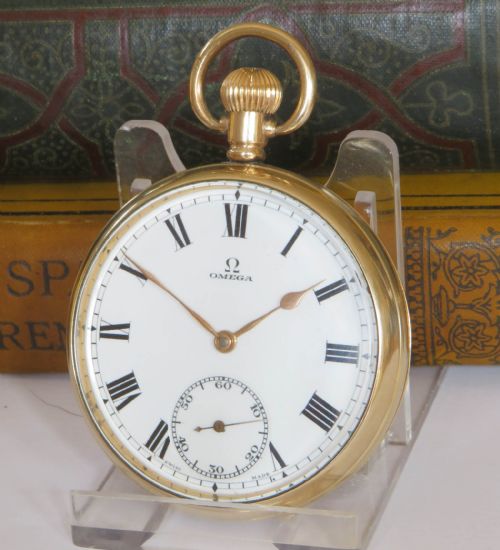
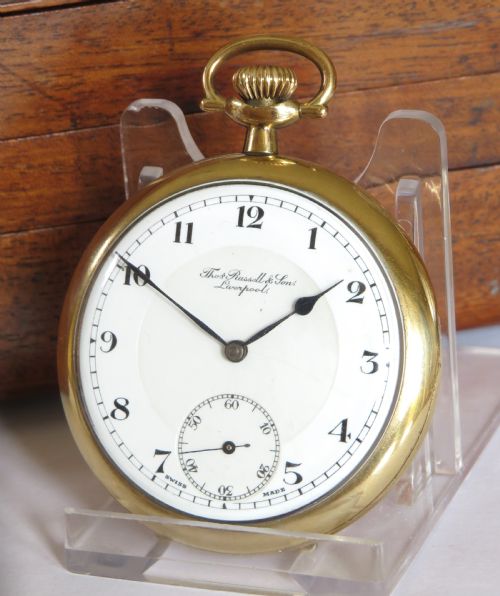
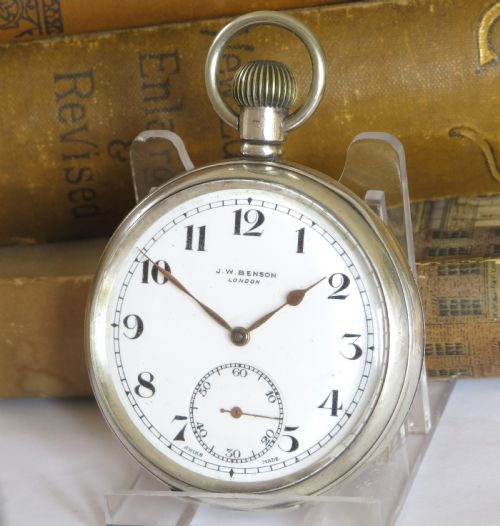
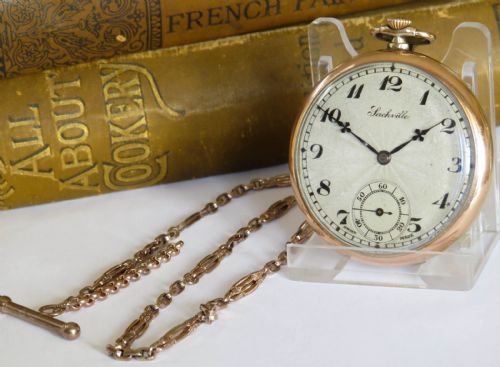
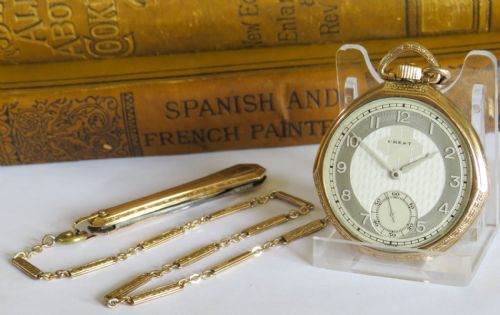
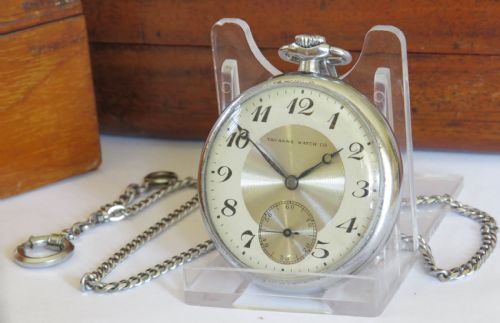
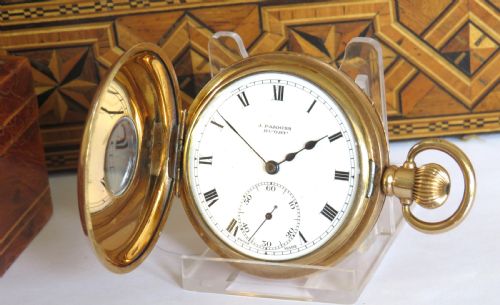
A 1930s swiss pocket watch represents a period of refined mechanical production, spanning open faced and hunter configurations. These pieces frequently appear paired with albert chains or fobs, reflecting their daily utility.
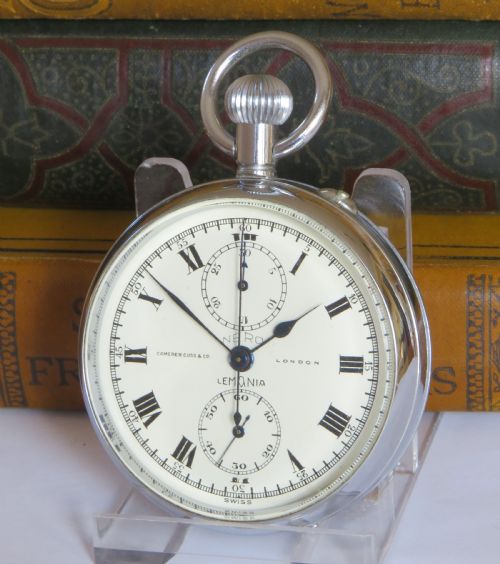
The horology of this decade includes specialised variants such as chronographs, half hunter models, and military-issued pieces. Buyers encounter both standard civilian timepieces and commemorative presentation watches bearing inscriptions.
Materials and construction methods
Cases utilise metals such as silver, gold plate, chrome, steel, brass, and gold filled compositions. Dial faces incorporate protective glass crystals alongside enamel details.
Movements rely on stem winding mechanisms and lever escapements housed within metal or silver casework. Many examples incorporate decorative engraving upon the outer covers or dust lids.
1930s Swiss Pocket Watch Retail Price Guide 2026
Typical asking prices for 1930s swiss pocket watch among the pieces listed under this phrase on Sellingantiques today, from the lower quarter to the upper quarter. They describe what is for sale here now, not the wider market.
The archive records frequent pairings of pocket watches with fitted presentation boxes and double albert chains.
Factors of distinction
Quality rests upon the precision of the movement, with chronometer grade or chronograph mechanisms occupying the upper tier. The integrity of the enamel dial and the crispness of case engravings further separate standard models from superior examples.
The presence of original fitted boxes, matching albert chains, or documented presentation histories adds contextual value. Simpler mass-produced pieces contrast with robust military or awarded presentation timepieces.
Omega·Cyma·Zenith·Tavannes·Thomas Russell and Son
The 1930s Swiss Pocket Watch Glossary
- Hunter
- A pocket watch featuring a spring-loaded metal cover that protects the glass dial. This cover opens via a push-piece on the crown.
- Half hunter
- A pocket watch style featuring a metal outer case with a glass-centred aperture or numerical markings on the cover. This allows the wearer to check the time without opening the case.
- Albert chain
- A chain attached to a pocket watch, secured through a buttonhole on a waistcoat or jacket. It is named after Prince Albert.
- Stem winding
- A mechanical winding system operated via the crown at the top of the watch rather than a separate key. This became standard practice by the twentieth century.
- Chronograph
- A timepiece equipped with a display function for measuring elapsed time alongside standard hour and minute indication.
1930s Swiss Pocket Watch: Frequently Asked Questions
How do I wind a 1930s swiss pocket watch?
Turn the crown at the top of the watch clockwise until gentle resistance is felt. Avoid over-winding to protect the internal mainspring.
Set the time by pulling the crown outward or depressing the small pin set into the case, depending on the specific movement design.
What is the difference between an open faced watch and a hunter?
An open faced watch exposes the glass dial directly to the air without any protective metal lid. This allows rapid time checking during daily use.
A hunter pocket watch encloses the dial behind a hinged metal lid that springs open upon pressing the crown winding button.
Can I wear a pocket watch daily?
Mechanical timepieces from this era remain suitable for regular wear when handled with care. Pairing the piece with an albert chain ensures safe attachment to clothing.
Routine servicing by a horologist ensures the internal gears maintain accurate timekeeping over prolonged periods of use.
How do I identify a military issue piece?
Military and ARP warden pocket watches typically feature specific government or service markings engraved upon the reverse case. These dials often present bold Arabic numerals designed for maximum legibility.
Such timepieces reflect strict institutional specifications rather than civilian decorative preferences.