




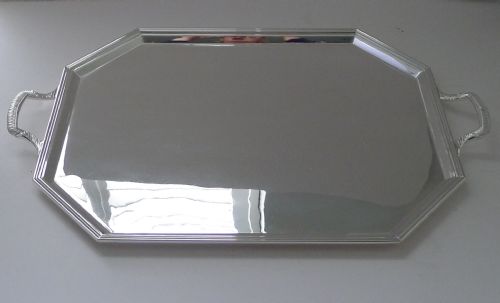


1930s Serving Tray
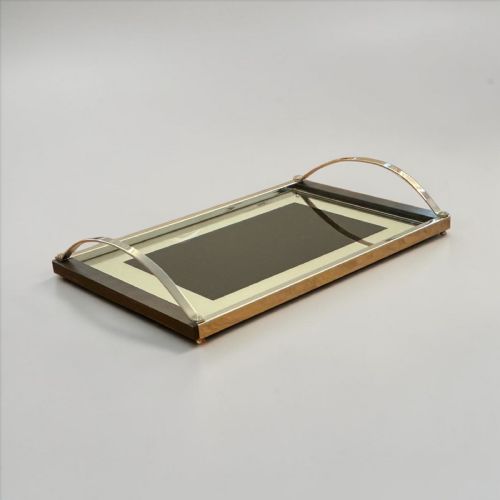
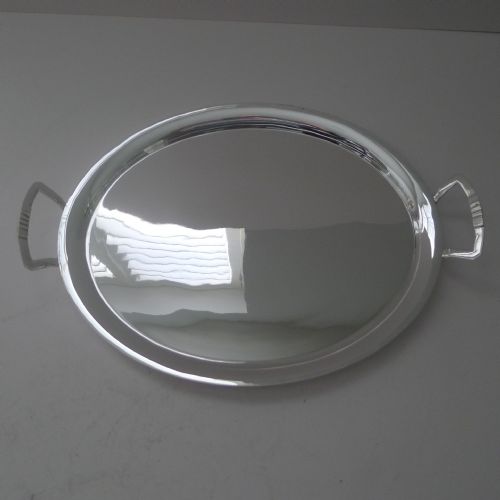
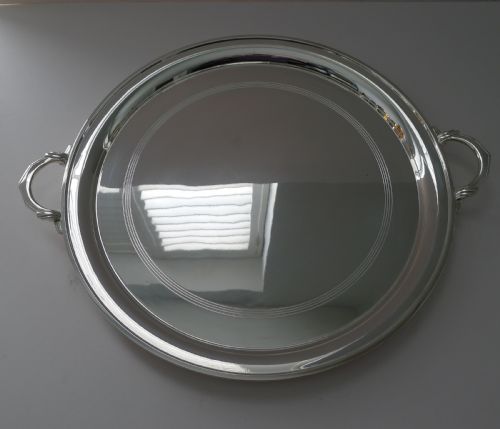
These 1930s serving trays bring unmistakable geometric elegance and practical hosting style to a modern room.
1930s Serving Tray
A 1930s serving tray forms part of the vibrant cocktail and entertaining culture of the interwar period. These objects span simple rectangular drinks trays to circular cocktail accessories and bread baskets.
Buyers seeking a 1930s serving tray most frequently encounter silver plate, mirrored glass, and chrome combinations shaped by the Art Deco movement. Pieces often incorporate handles and geometric layouts designed for practical use.
Origins stretch from London workshops to French studios, encompassing diverse forms such as the lazy susan and novelty barware. Each item reflects the sleek design priorities of the era.
What varies in quality
Quality rests on the integrity of the materials and the precision of the assembly. Solid sterling silver and heavy silver plate show superior durability compared to lighter plated alternatives.
The finish of the mirrored glass and the tightness of wooden veneers distinguish standard items from exceptional studio pieces. Maker attributions also separate mass production from bespoke workshop output.
1930s Serving Tray Retail Price Guide 2026
Typical asking prices for 1930s serving tray among the pieces listed under this phrase on Sellingantiques today, from the lower quarter to the upper quarter. They describe what is for sale here now, not the wider market.
Materials span sterling silver, silver plate, chrome, mirror, walnut, and macassar wood.
Keith Murray For Mappin & Webb·John Hunt·J B Chatterley & Sons·Hukin & Heath·Brille Paris·Asprey London
The 1930s Serving Tray Glossary
- Art Deco
- A design style dominant in the interwar period characterised by streamlined geometric forms and modern materials. It defined the aesthetics of domestic metalwork and glassware.
- Silver Plate
- A base metal coated with a thin layer of silver through electroplating. This technique allowed makers to produce affordable luxury tableware.
- Sterling Silver
- An alloy consisting of pure silver and other metals to ensure structural strength. Items bearing this standard often carry official hallmarking.
- Macassar
- A dark exotic timber featuring distinctive figuring utilised in high-end cabinet making. It appeared frequently in French modernist commissions.
- Salver
- A flat metal tray traditionally used for presenting drinks or visiting cards. In this period, it frequently served cocktail glasses.
1930s Serving Tray: Frequently Asked Questions
How do I clean a silver plated tray?
Use a soft cloth and a gentle silver polish specifically formulated for plated items. Avoid harsh abrasives that might damage the underlying metal surface.
Rinse the tray with lukewarm water and dry it immediately with a lint-free cloth to prevent spotting and maintain the original shine.
Are mirrored glass trays safe for drinks?
Most mirrored glass trays handle standard cocktail glasses and decanters safely. Take care to lift heavy glassware rather than sliding it across the glass surface.
Keep the backing of the mirror dry during use and cleaning to preserve the reflective coating over time.
How do I identify an Art Deco tray?
Look for symmetrical geometric patterns, stepped borders, and materials such as chrome, mirror, and silver plate. The overall design prioritises clean, streamlined shapes.
Many pieces also feature stylistic nods to sunray motifs or modernist French aesthetics popular during the interwar period.
How were these trays used originally?
Hosts utilised these trays for serving cocktails, spirits, and canapés during domestic gatherings. They were central to the growing popularity of home bar culture.
Variants like bread baskets and lazy susans also appeared on dining tables for serving bread and sharing dishes among guests.