


1930s Platinum Diamond Ring
A 1930s platinum diamond ring captures the geometric precision and architectural elegance of the Art Deco period for modern wearers.
1930s Platinum Diamond Ring
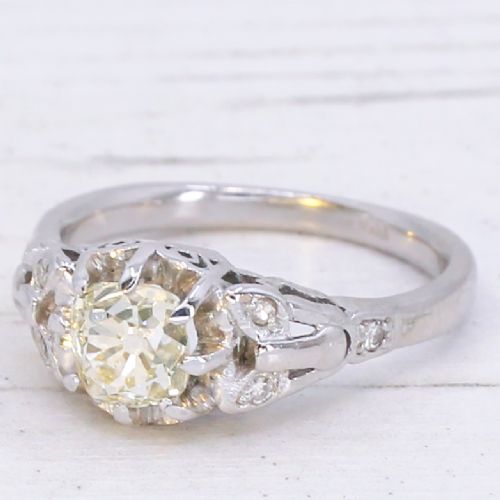
When searching for a 1930s platinum diamond ring, buyers encounter pieces defined by the geometric rigour of the Art Deco style. These encompass engagement rings, dress rings, and eternity bands shaped during a dynamic period of design.
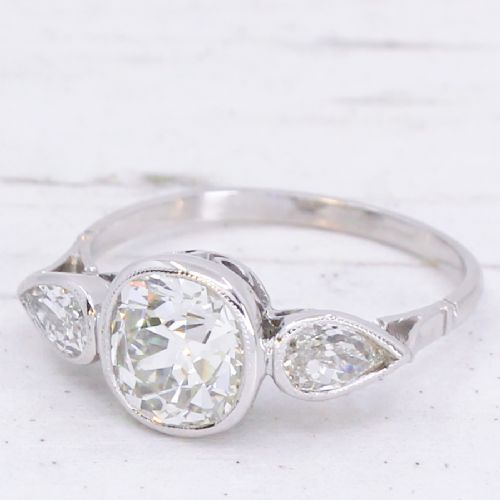
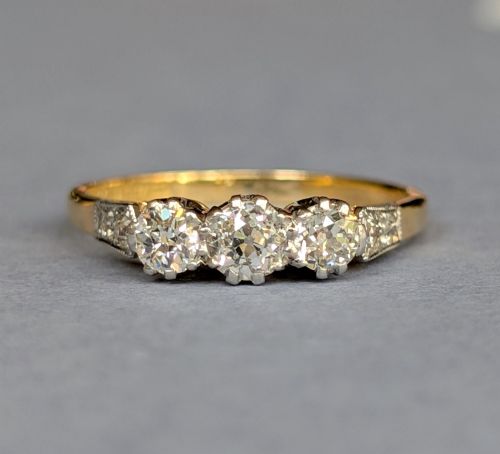
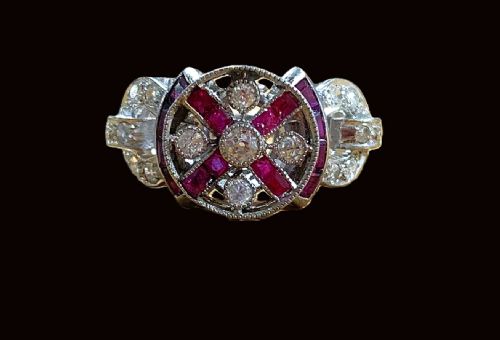
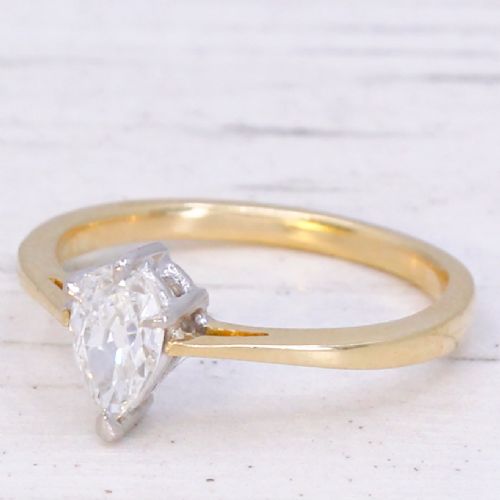
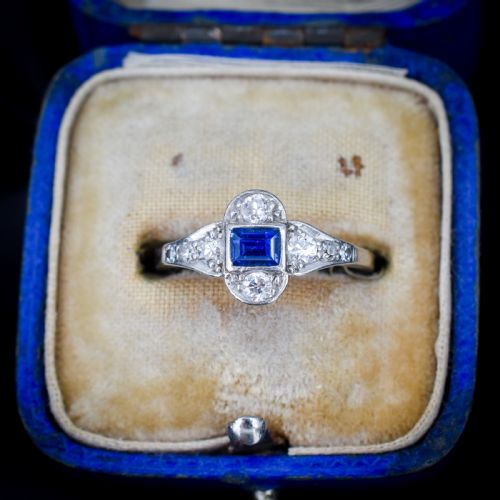
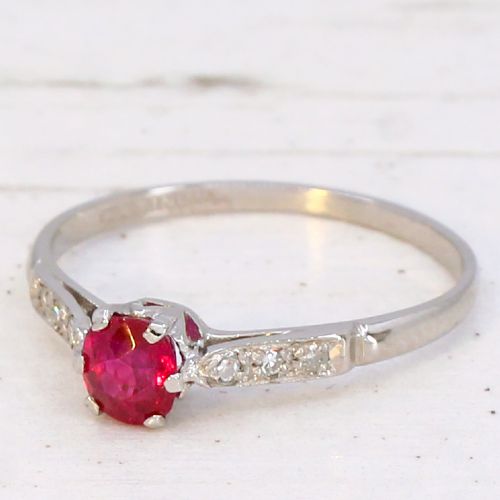
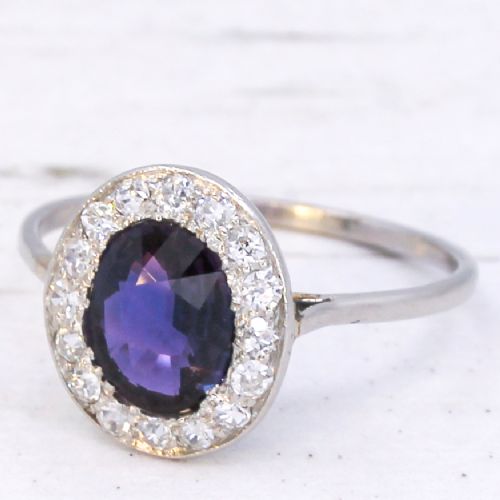
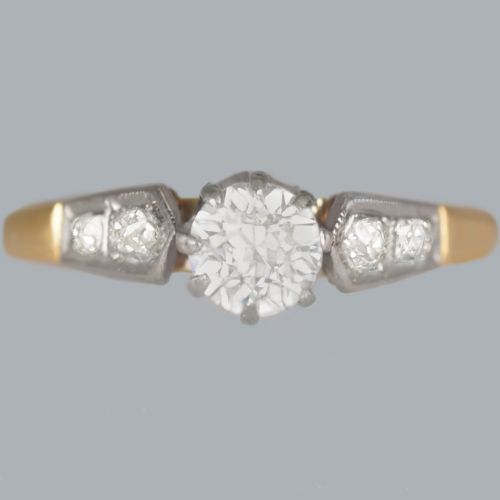
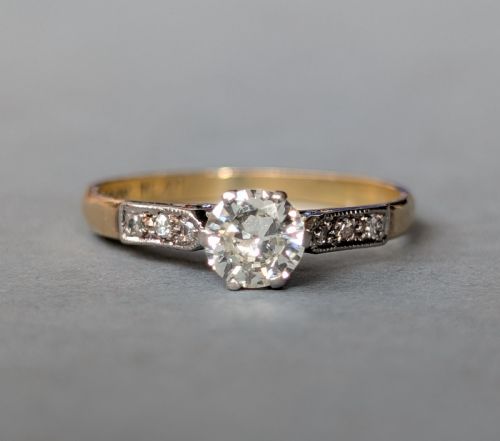
Solitaire rings with old-cut diamonds appear frequently alongside multi-stone configurations such as trilogy and cluster designs. Combinations involving sapphires, emeralds, rubies, and moonstones alongside diamonds occur regularly within this category.
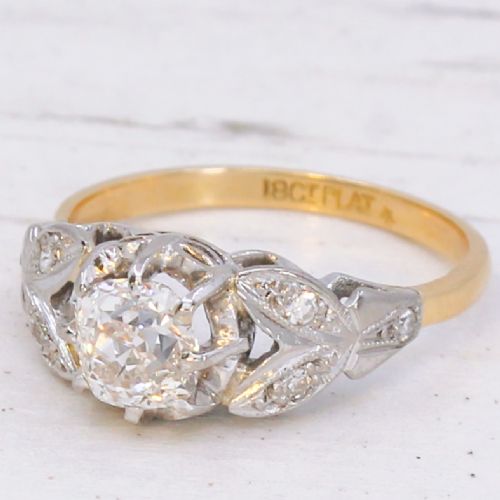
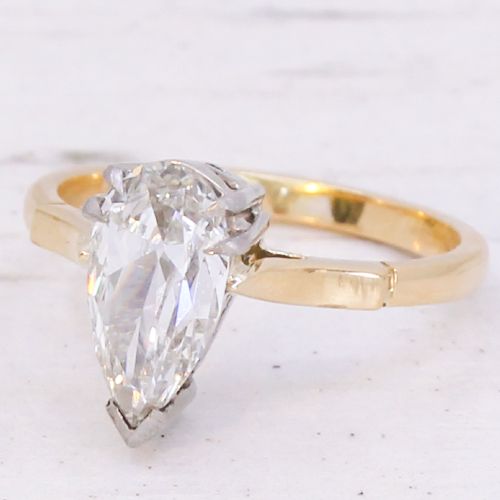
The prevalent metal pairing places diamonds in bright platinum settings supported by yellow or white gold bands. Such construction maximises light reflection while maintaining the structural integrity typical of the era.
Materials and Technique
Master jewellers of the period utilised platinum for its strength, allowing delicate millegrain edges and intricate pierced galleries to hold stones securely. This dense metal permitted slender prongs that maximised diamond visibility.
Diamonds were predominantly hand-cut with old European, old cushion, or old pear facets, producing softer scintillation patterns than modern brilliant cuts. Gemstones were then bead-set or channel-set directly into the metallic framework.
Combinations of platinum settings fused to 18ct gold bands appear widely, balancing durability on the finger with traditional warmth. Accent stones like calibre-cut sapphires or emeralds were carefully shaped to fit rigid geometric channel layouts.
1930s Platinum Diamond Ring Retail Price Guide 2026
Typical asking prices for 1930s platinum diamond ring among the pieces listed under this phrase on Sellingantiques today, from the lower quarter to the upper quarter. They describe what is for sale here now, not the wider market.
Several rings feature secret geometric galleries visible only from the side, proving that artisans cared as much about the hidden underside as the glittering top.
Factors of Quality
The selection and cutting of the central old-cut diamonds dictate overall visual impact, with symmetrical facet alignment and clean tables commanding attention. Maker execution is further observed in how seamlessly accent stones integrate into the primary design without gaps.
The condition of the structural gallery and the thickness of the original band indicate the degree of preservation over decades of wear. Fine specimens retain their original proportions without excessive thinning of the underlying metal.
The 1930s Platinum Diamond Ring Glossary
- Art Deco
- A design movement prevalent in the 1920s and 1930s characterised by symmetry, geometric motifs, and clean lines. It heavily influenced jewellery manufacturing through stylised patterns and architectural structures.
- Old European Cut
- An early brilliant diamond cut featuring a small table, high crown, and large open culet. This traditional shape produces broader flashes of light compared to modern standardised cuts.
- Millegrain
- A decorative technique involving a row of tiny raised metal beads along the edges of a setting. It creates a soft, textured border typical of fine period pieces.
- Toi et Moi
- French for You and Me, denoting a ring design featuring two main gemstones set closely side by side. This style symbolises two souls united.
- Trilogy
- A ring featuring three primary gemstones set in a row, often interpreted to represent the past, present, and future. In these listings, they typically pair a central diamond with smaller side diamonds.
1930s Platinum Diamond Ring: Frequently Asked Questions
How do I care for a platinum ring?
Clean your platinum ring gently using warm water, mild washing liquid, and a soft brush to remove accumulated oils from daily wear. Avoid harsh chemical cleaners that might affect complementary gold elements or secondary gemstones.
Store the piece separately in a fabric-lined box to prevent scratching against other jewellery. Periodic professional inspection ensures the secure setting of old-cut diamonds within their original platinum claws.
Are these rings suitable for daily wear?
Platinum provides a robust and durable setting for daily use, resisting daily wear while securely holding older diamond cuts. The density of the metal protects delicate decorative elements better than softer golds.
Consider the height of the setting and the presence of softer secondary stones like moonstones when selecting a ring for everyday activities. Lower profile geometric cluster or eternity designs often suit continuous daily use.
What defines the Art Deco style?
Art Deco design embraces bold geometric symmetry, clean lines, and stylised motifs inspired by industrial progress and ancient architecture. In these rings, this translates to stepped shoulders, angular galleries, and precise channel settings.
This aesthetic moved away from the flowing, organic curves of the preceding Edwardian and Art Nouveau eras. The resulting pieces showcase a striking balance of strong architectural shapes and refined metalwork.
How can I tell the era of a ring?
Examine the construction methods, noting the characteristic combination of platinum tops and 18ct gold bands alongside hand-applied millegrain decoration. The presence of old European or old cushion cut diamonds strongly points to the production standards of the period.
Specific geometric layouts and French hallmarks or stampings further assist in verifying the timeline of manufacture. Comparing the setting style against documented period examples clarifies the manufacturing decade.