

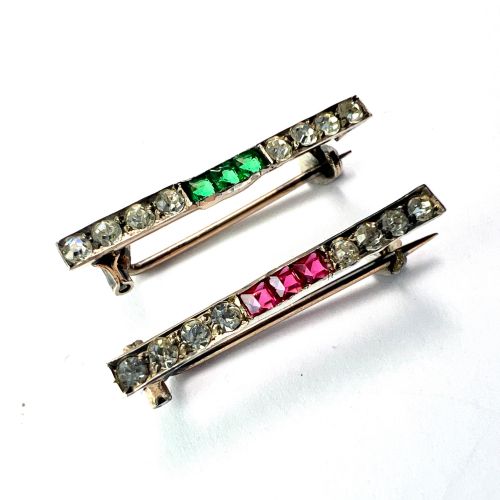
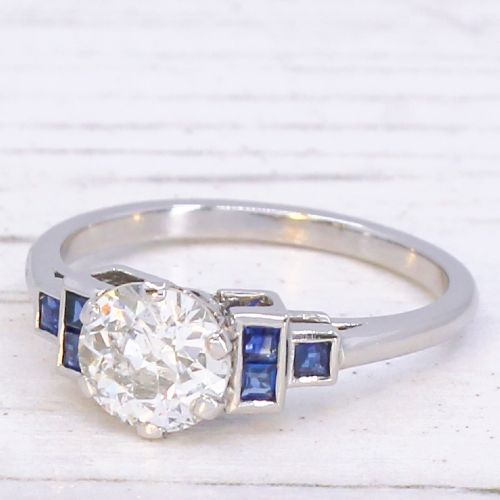

Geometric Art Deco Jewellery
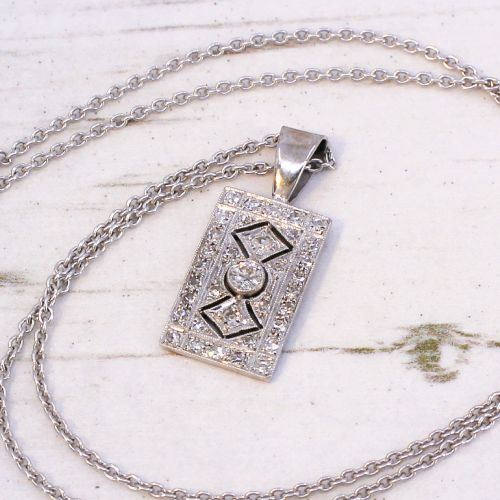
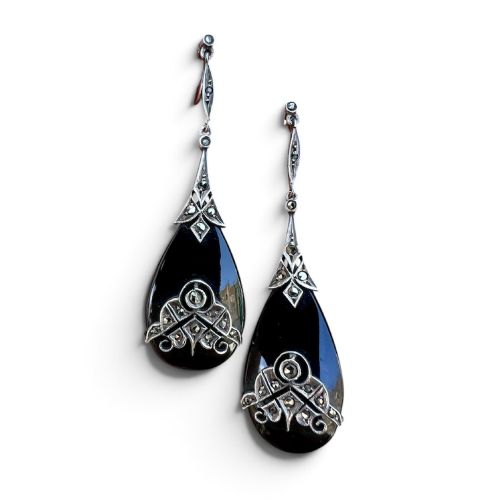
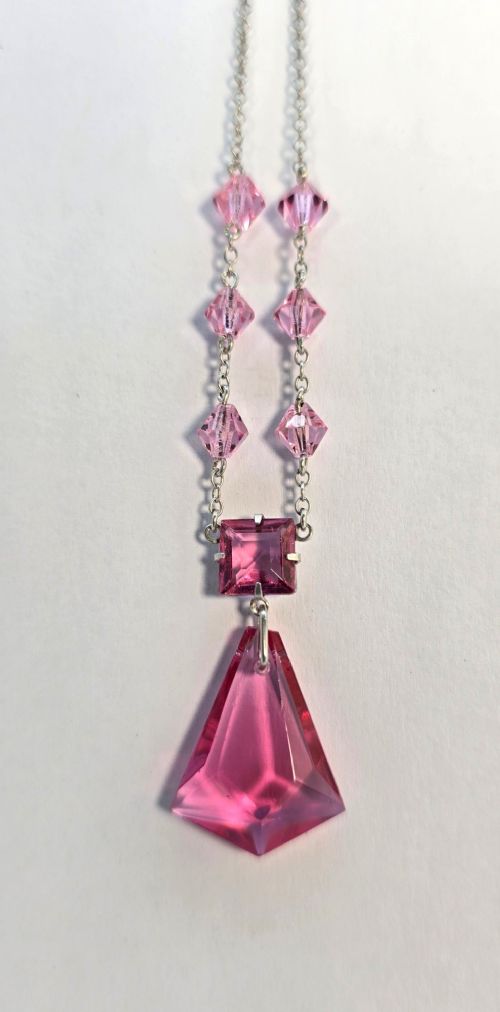
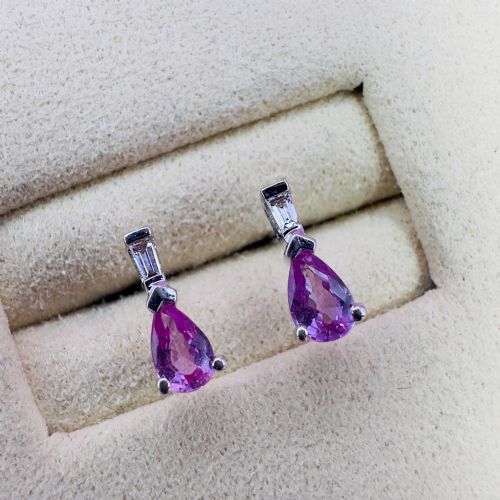
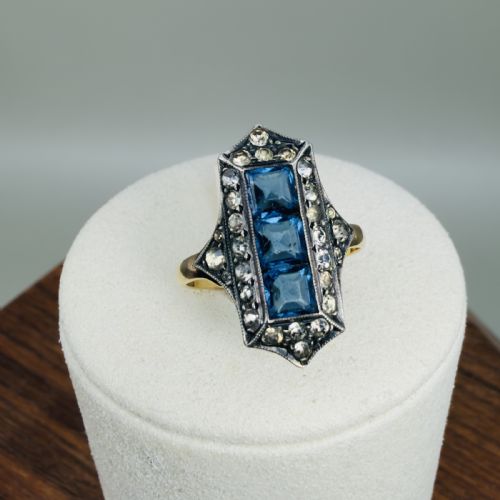
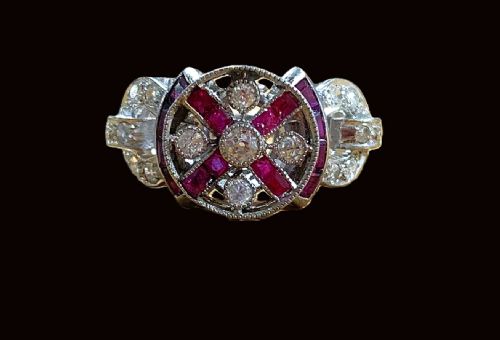
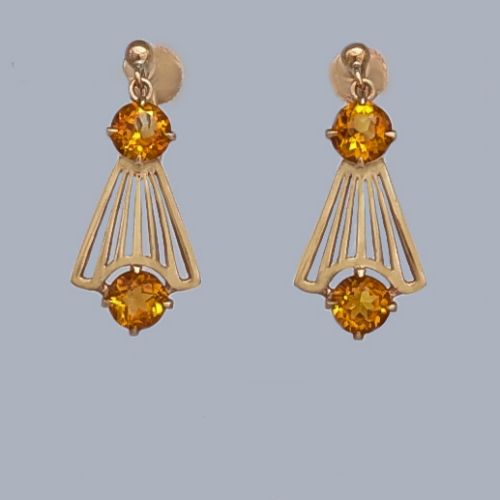
Geometric art deco jewellery delivers the sharp lines and striking symmetry that define 1930 design, making these rings and bracelets essential for statement wear.
Geometric Art Deco Jewellery
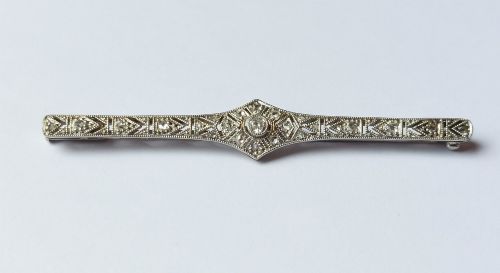
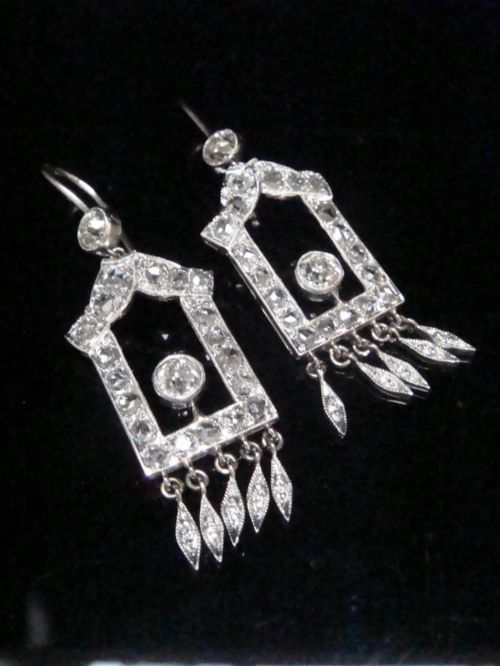
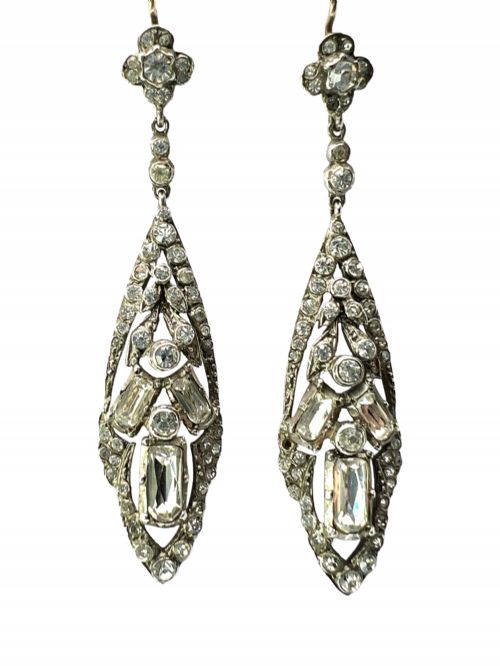
Geometric art deco jewellery comprises rings and bracelets shaped by the distinct architectural lines and clean angles of the 1930 period. Pieces range from French cocktail rings to German industrial metalwork.
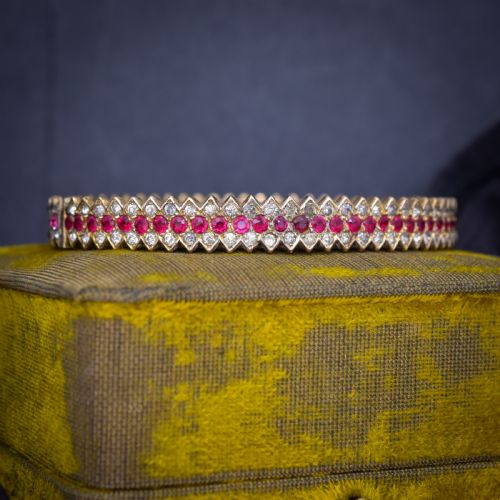
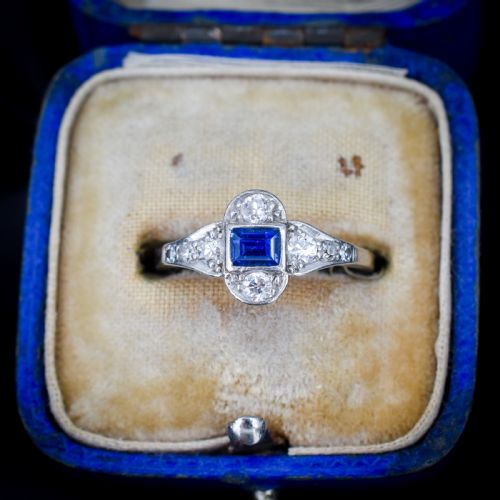
The selections available here include notable brickwork bracelets and gemstone rings featuring emeralds, sapphires, opals, and diamonds. These items showcase the signature linear motifs characteristic of the style.
How they were made
Master jewellers constructed these pieces primarily in platinum and white gold to securely set brilliant diamonds alongside vibrant emeralds, sapphires, and opals. Metalworking techniques utilised during the era allowed for intricate openwork settings.
Alternative materials such as chrome and nickel appear alongside traditional precious metals, often paired with coloured enamel to accentuate the sharp, industrial lines of the period.
Geometric Art Deco Jewellery Retail Price Guide 2026
Typical asking prices for geometric art deco jewellery among the pieces listed under this phrase on Sellingantiques today, from the lower quarter to the upper quarter. They describe what is for sale here now, not the wider market.
Gemstones seen across these listings include diamond, emerald, sapphire, and opal set in platinum and white gold.
What varies in quality
Quality rests in the precision of the stone cutting and the complexity of the metal setting, where superior pieces exhibit seamless geometric symmetry. The scale and clarity of central gemstones like diamonds and emeralds elevate the refinement of the work.
The choice of base materials also distinguishes the range, moving from industrial chrome and nickel up to heavy platinum mountings designed to last generations.
Jakob Bengel
The Geometric Art Deco Jewellery Glossary
- Platinum
- A dense, durable precious metal utilised in fine jewellery for its strength and bright white lustre. It securely holds intricate gemstone settings without bending.
- Cocktail ring
- A large, prominent ring designed to draw attention during evening social events. These often feature substantial central gemstones surrounded by intricate diamond work.
- Enamel
- A fused glassy substance applied to metal surfaces to add vibrant colour and contrast. It often highlights linear patterns in period pieces.
- Brickwork
- A specific design pattern mimicking stacked masonry blocks. Jakob Bengel utilised this industrial aesthetic in modernist metal bracelets.
Geometric Art Deco Jewellery: Frequently Asked Questions
What defines geometric art deco jewellery?
These pieces are characterised by sharp angles, clean lines, and symmetrical patterns inspired by 1930s industrial design and architecture.
They rely on contrasting materials and precise stone cuts to create a striking visual impact.
How do I wear these pieces?
Rings and bracelets from this era serve as focal points for evening wear or formal occasions.
Their bold shapes allow them to be worn alone as statement pieces without competing accessories.
What metals are used?
Makers utilised platinum and white gold for fine gemstone pieces, ensuring durable settings for diamonds and emeralds.
Industrial alternatives like chrome and nickel also appear in modernist designs.
When were these items made?
The current selection dates primarily from the 1930s, capturing the height of the art deco movement.
Some pieces extend into the 1940s, maintaining the strong linear aesthetic of the preceding decade.