

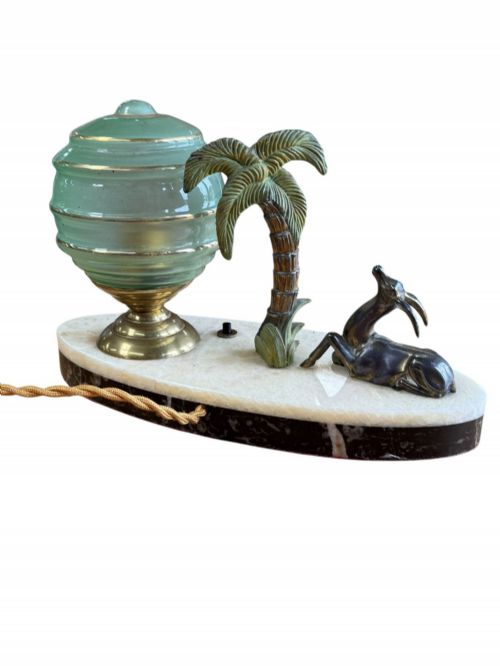


1930s Glass Table Lamp
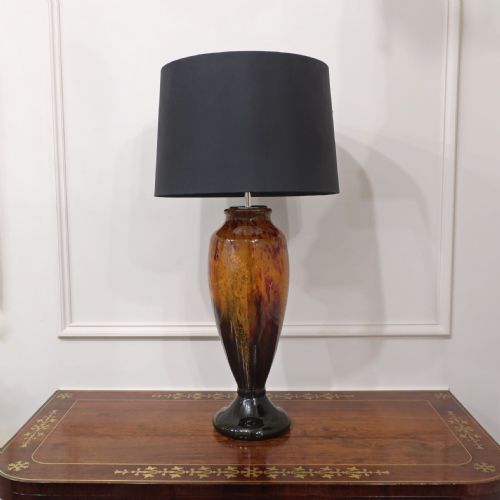
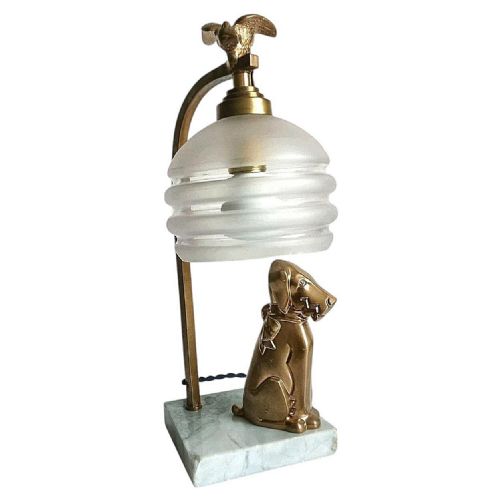
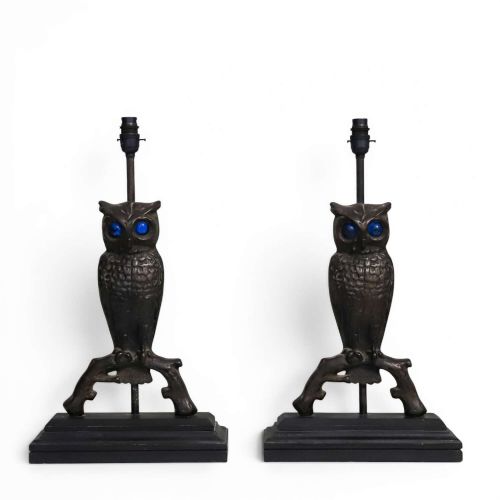
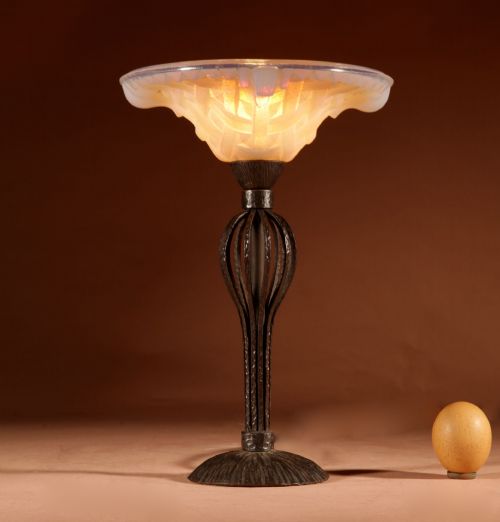
These 1930s glass table lamps bring distinct period presence and warm illumination to an interior.
1930s Glass Table Lamp
A 1930s glass table lamp represents an era defined by bold geometric forms, figural sculpture, and industrial experimentation. When searching this phrase, buyers encounter pieces that merge functional lighting with decorative artistry.
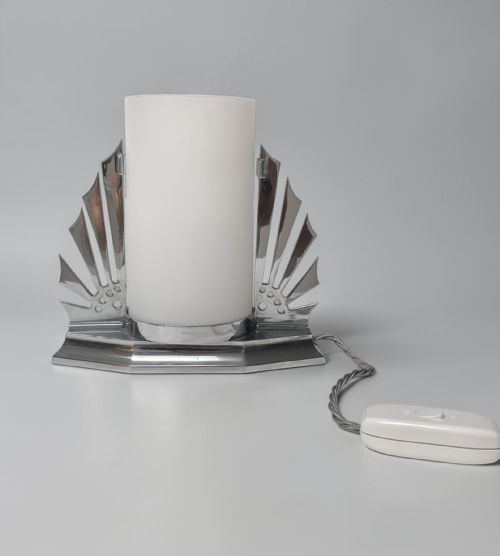
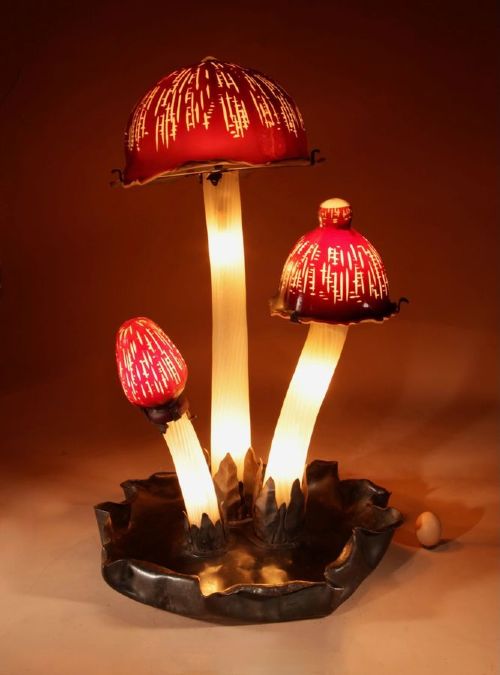
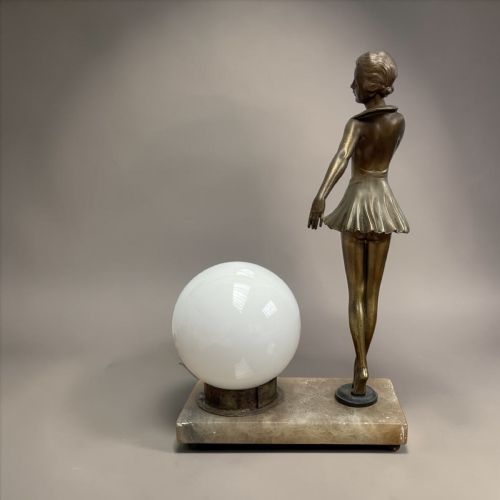
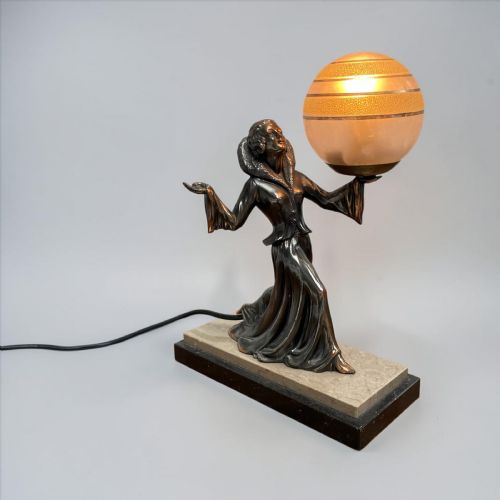
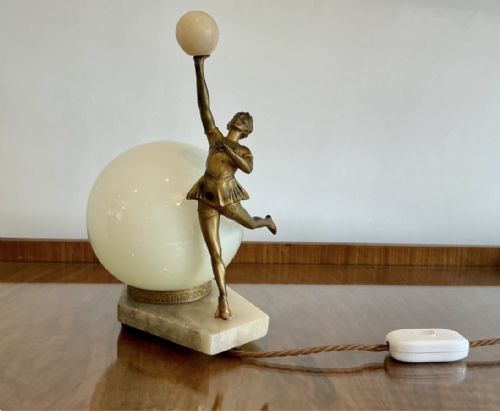
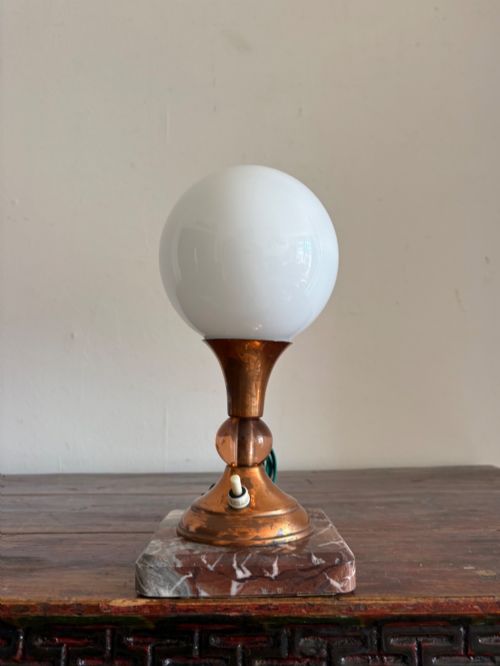
The most common version met on this page is the French or British Art Deco creation, often featuring moulded, frosted, or cut glass shades mounted on bases of marble, chrome, or wrought iron. Alongside these, substantial mushroom lamps and figural designs appear frequently.
Makers from France, Italy, and Germany dominated this period, producing heavy crystal shades and colourful mottled glass bodies. These pieces capture the transition from ornate earlier styles to streamlined modernism.
Materials and construction
Glass production relied heavily on heavy mould-blowing, acid-etching, and deep cutting to catch the light. Shades often utilised opaline, frosted, or colourful mottled glass to diffuse illumination softly across the room.
Supporting structures combined metals such as chrome, brass, nickel, and wrought iron with dense bases of marble or cast spelter. This heavy combination provided stability for the substantial glass components resting above.
1930s Glass Table Lamp Retail Price Guide 2026
Typical asking prices for 1930s glass table lamp among the pieces listed under this phrase on Sellingantiques today, from the lower quarter to the upper quarter. They describe what is for sale here now, not the wider market.
Materials span heavy crystal glass, chrome, and carved marble, reflecting typical 1930s manufacturing palettes.
Evaluating craftsmanship and integrity
Quality rests primarily on the weight and clarity of the glass, alongside the prestige of the maker responsible for the shade. Signed glass elements from established French glasshouses elevate a piece far above unmarked commercial alternatives.
The integration of the materials dictates overall success. A harmonious balance between a heavy marble or wrought iron base and a crisply moulded or cut glass shade indicates superior manufacturing standards.
Fratelli Toso·Charles Schneider·Lacroix·Lalique·Daum·Muller Bros·Degue·Webb·WMF
The 1930s Glass Table Lamp Glossary
- Opaline glass
- A milky, semi-translucent glass popular for diffusing light evenly without harsh glare. It was frequently cast into shades during the period.
- Mottled glass
- Glass incorporating patches of variegated colour created during the melting process. This technique produced dynamic, cloud-like visual effects across lamp bodies.
- Spelter
- A zinc alloy commonly used as a base metal for cast figures and mounts. It was often given bronze or metallic finishes to resemble costlier materials.
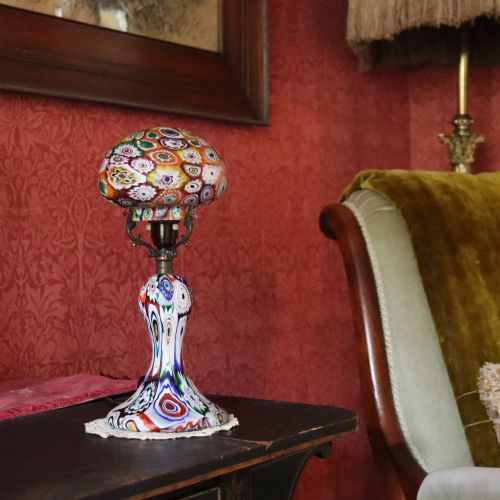
- Millefiori
- Multi-coloured ornamental glasswork formed by bundling glass canes and slicing them to reveal patterns. Italian makers utilised this technique for vibrant decorative effects.
- Mushroom lamp
- A rounded, dome-shaped lamp configuration where the shade echoes the cap of a mushroom. This form showcases continuous glass surfaces.
- Andiron
- A horizontal metal support used in a fireplace, occasionally salvaged and repurposed into sculptural lamp bases. This represents the resourceful conversion of domestic metalwork.
1930s Glass Table Lamp: Frequently Asked Questions
How do I identify a genuine 1930s glass table lamp?
Examine the weight of the materials, noting heavy moulded glass, dense marble bases, and authentic patination on metals like chrome or wrought iron. Look closely for acid-etched signatures on the glass surface or maker marks on the metal components.
Compare the construction methods with known period examples. The presence of traditional hand-finishing and period wiring methods, even if updated, helps confirm authenticity.
What styles dominate these vintage lamps?
Art Deco is the predominant style, characterised by geometric lines, stylised animal figures, and streamlined metal frames. French and British interpretations lean heavily into sophisticated contrasts between dark metals and pale glass.
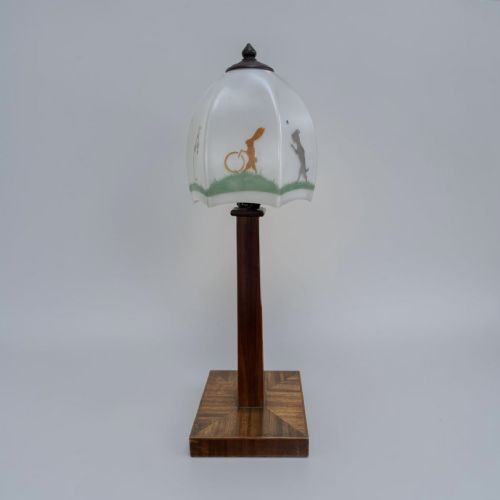
Occasional pieces incorporate American folk art influences or figural motifs such as dancers and animals. These varied aesthetics reflect the international reach of design during the decade.
How were these lamps used originally?
They served primarily as decorative task or mood lighting on side tables, desks, and sideboards. Their sculptural bases ensured they looked striking even when unlit.
Many designs functioned as conversation pieces in drawing rooms and studies. The glowing glass shades provided soft, ambient illumination suited to domestic interiors of the era.