




1930s French Table
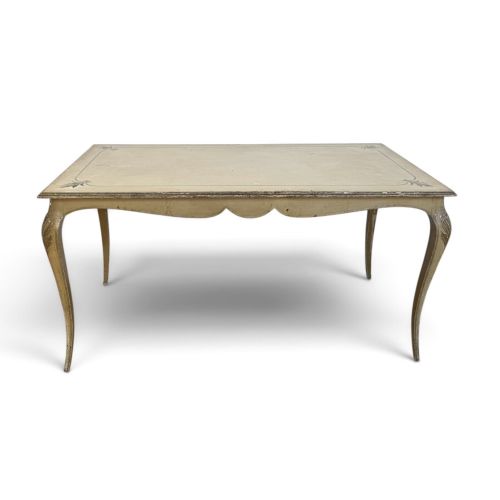
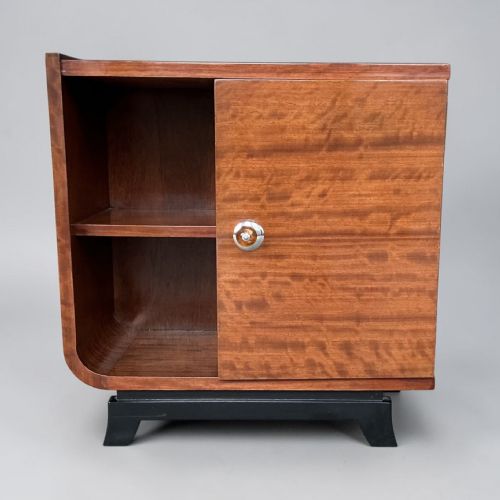
These 1930s French table pieces bring geometric lines and fine cabinet-making directly into a room.
1930s French Table
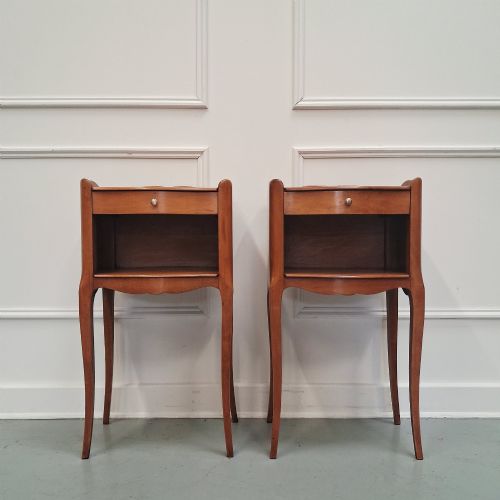
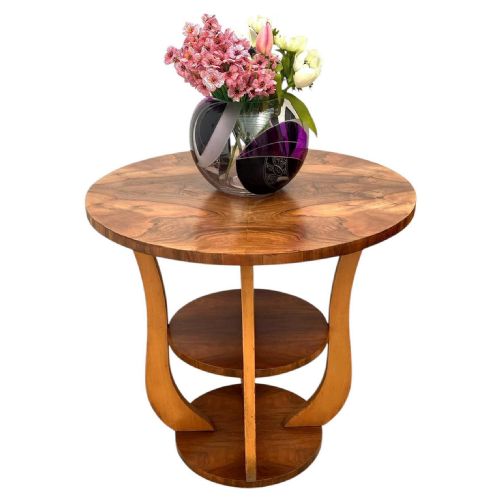
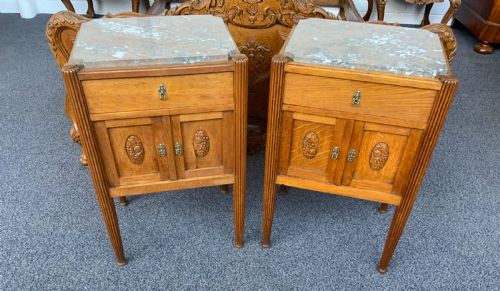
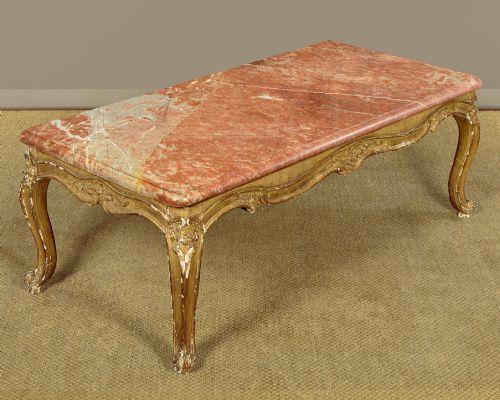
A 1930s French table encompasses occasional pieces, bedside tables, coffee tables, and dining designs rooted in the Art Deco movement and regional revival styles. Buyers searching for a 1930s French table typically encounter compact walnut bedside cabinets, occasional tables with tiered structures, and marble-topped coffee tables.
The material palette of a 1930s French table relies heavily on rich timbers such as walnut, oak, and kingwood, frequently paired with marble tops, brass mounts, and chrome details. Many examples reflect the streamlined aesthetic of the period, alongside expressions of French Provincial and Rococo revival design.
Materials and construction
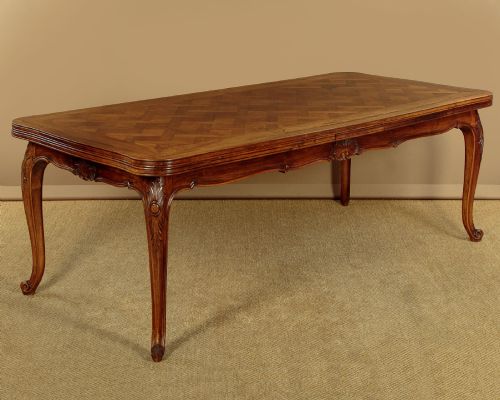
Makers of a 1930s French table utilised timber veneers, particularly walnut and kingwood, applied over solid secondary woods to create geometric parquetry patterns and curved silhouettes. Structural elements often incorporated cast metals, wrought iron, and polished brass.
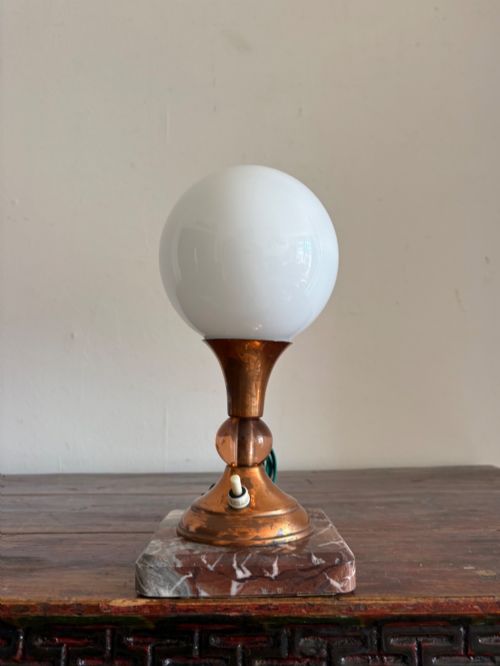
Marble tops were cut to fit serpentine and demi-lune wooden bases, while specialised glazing and bakelite components appeared in related desk and lighting forms associated with the era.
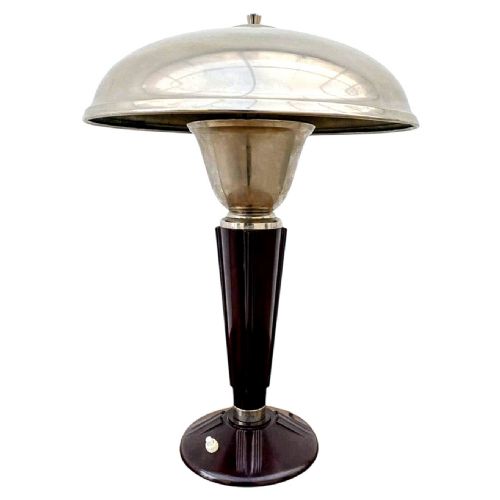
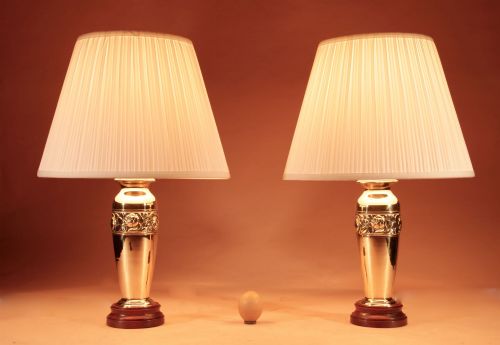
Timepieces and lamps on this page include novelty dogs, parrots, and dancing figures.
Evaluating quality and craftsmanship
The quality of a 1930s French table rests in the precision of its veneer matching, the integrity of its timber framing, and the weight of its hardware or marble tops. Superior examples display seamless parquetry and robust joinery that withstands daily use.
Lesser pieces rely on simpler secondary woods and straightforward surface finishes without the intricate inlay work or substantial stone tops seen on finer examples.
Eileen Grey·Étienne Kohlmann·Muller Frères·Degué·Jaz
The 1930s French Table Glossary
- Parquetry
- Geometric wood inlay patterns arranged to form decorative surfaces on tabletops and cabinet fronts. This technique showcases the natural grain of walnut and other fine timbers.
- Demi-lune
- Half-moon shape utilised for console tables and small side tables designed to sit flush against a wall. Such silhouettes maximise floor space in compact rooms.
- Bakelite
- Early synthetic thermosetting plastic utilised for clock casings, desk accessories, and decorative details during the period. It provides a smooth, hard surface with a distinctive dense weight.
- Spelter
- Zinc alloy cast into decorative figures and lamp bases, frequently given a bronze or gilt finish. It serves as an accessible alternative to solid bronze.
- Serpentine
- Gently undulating curved line characteristic of table edges and cabinet fronts. This contour adds visual fluidity to hardwood furniture.
1930s French Table: Frequently Asked Questions
How do I identify a genuine 1930s French table?
Look for characteristic construction methods, timber choices such as walnut and kingwood, and styling that bridges Art Deco geometry with traditional French cabinet-making.
Examine the underside, joints, and hardware for period-appropriate materials like brass, chrome, and heavy marble tops.
Where should I place a bedside table?
These compact pieces fit neatly beside a bed to hold a lamp, clock, or book while introducing rich wood tones to the bedroom.
Their proportions also suit small hallways or narrow spaces as secondary storage.
Are marble tops original to these tables?
Many coffee tables and bedside cabinets from this era were manufactured with fitted marble tops to provide a durable, decorative surface.
Inspecting the fit and thickness of the stone helps confirm its period origin.
How do I care for walnut and kingwood surfaces?
Dust regularly with a soft cloth and avoid exposing the timber to direct sunlight or excessive moisture.
Occasional application of appropriate wax polish maintains the lustre of the veneer without building up residue.