



1930s French Furniture
These 1930s french furniture pieces bring geometric elegance and rich timbers into a room, offering both striking presence and daily utility.
1930s French Furniture
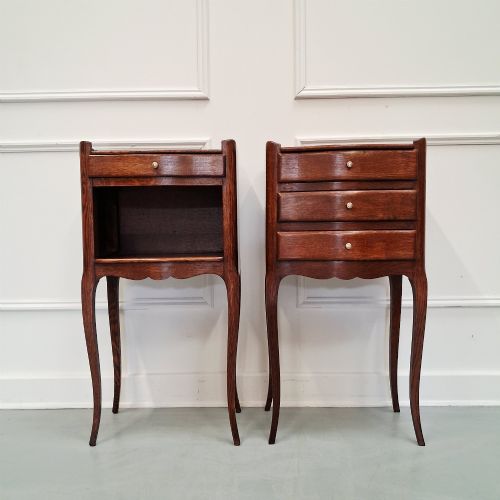
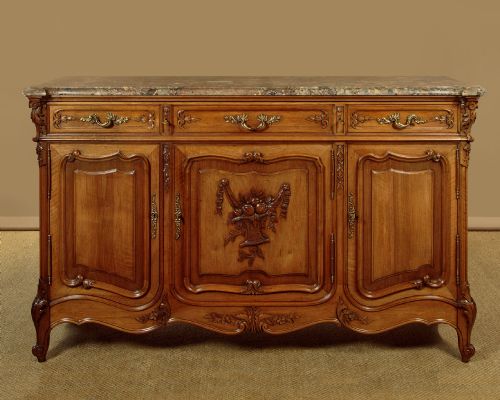
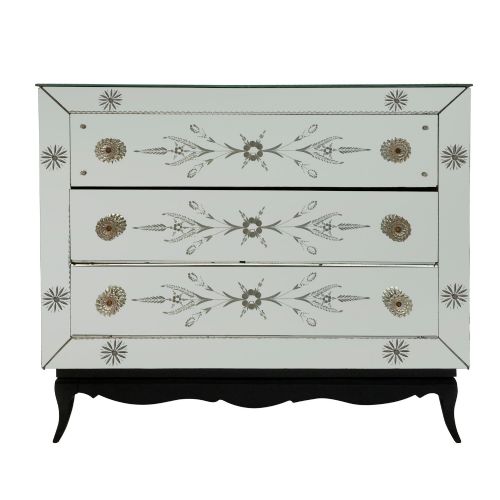
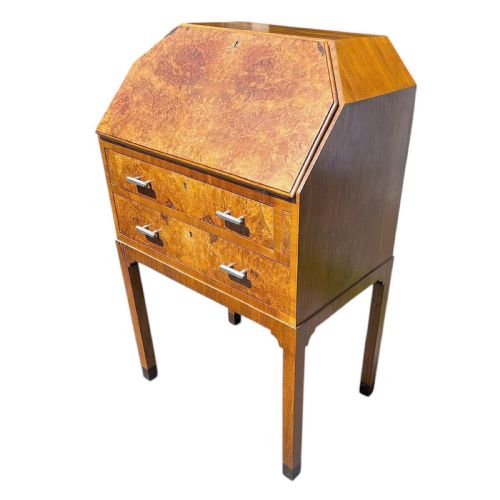
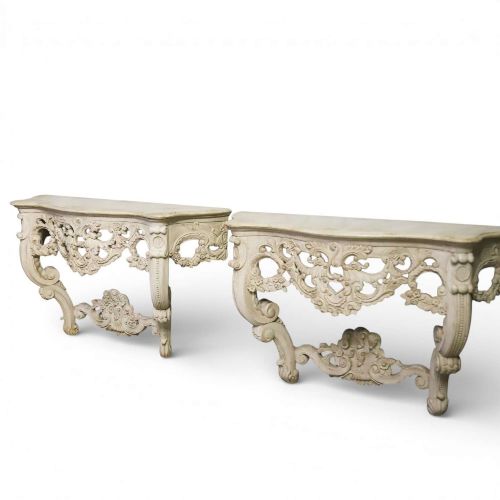
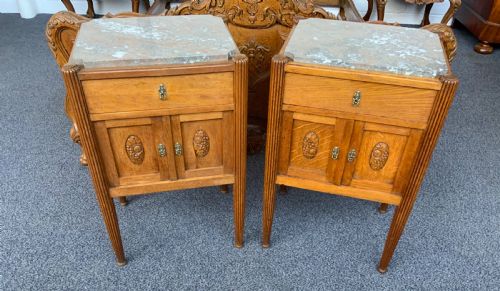
When you search for 1930s french furniture, you encounter substantial cabinets, bedside pieces, and writing desks shaped by Art Deco and revival aesthetics. The forms span from streamlined modernist tables to carved console tables and marble-topped chests of drawers.
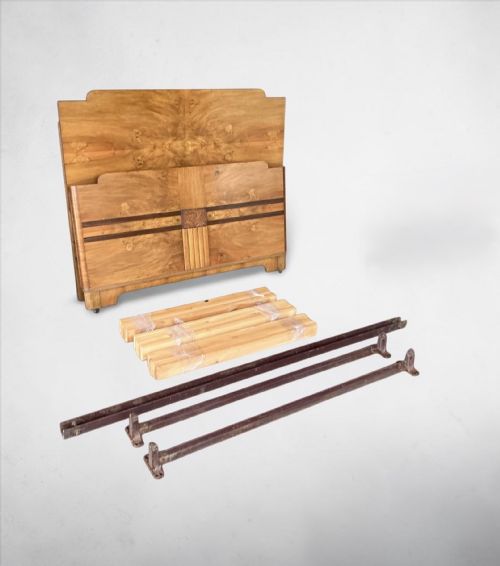
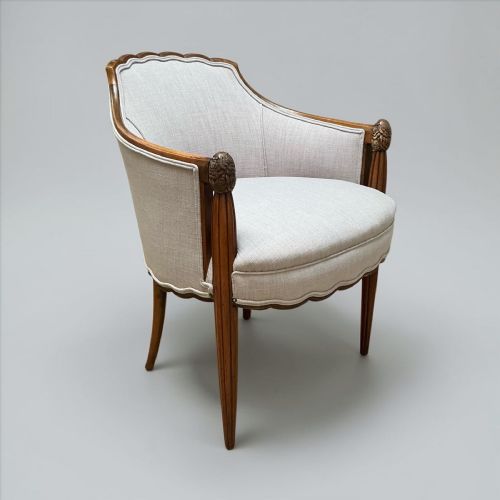
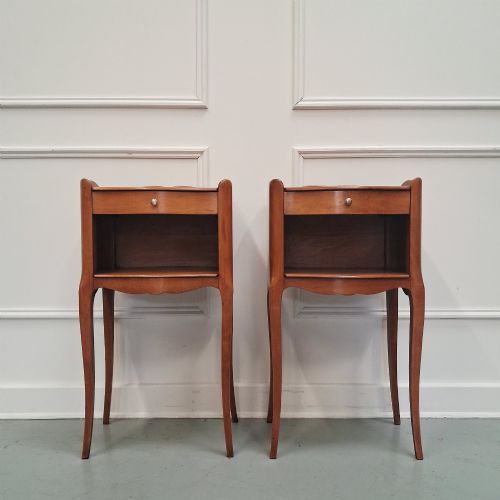
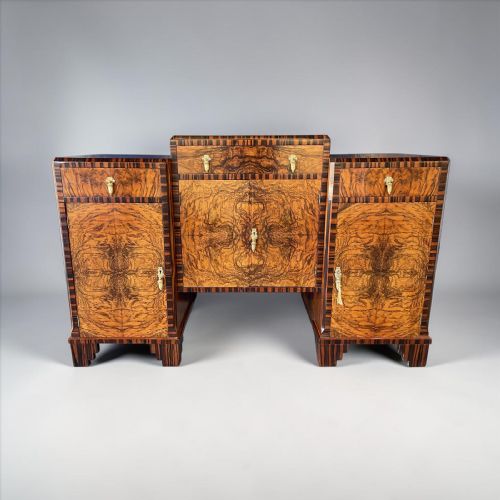
You are most likely to meet walnut and kingwood bedside cabinets, alongside larger sideboards and commodes finished with contrasting veneers. The selection also includes seating suites and dining tables originating from the period around nineteen thirty.
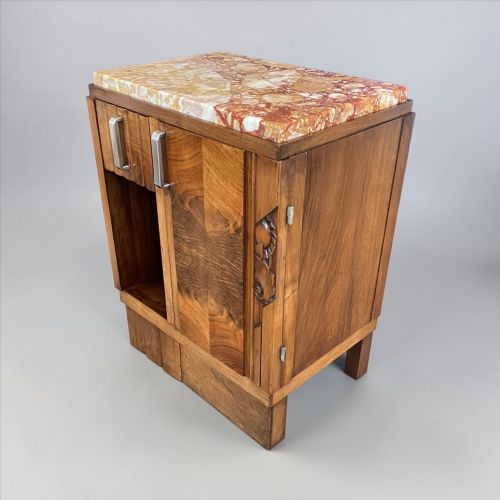
Pieces frequently incorporate architectural brass mounts, marble tops, and specialist inlays that define the sophisticated character of the era. Makers such as Maurice Jallot and Michel Dufet represent the elevated design output recorded in the listings.
Materials and Construction
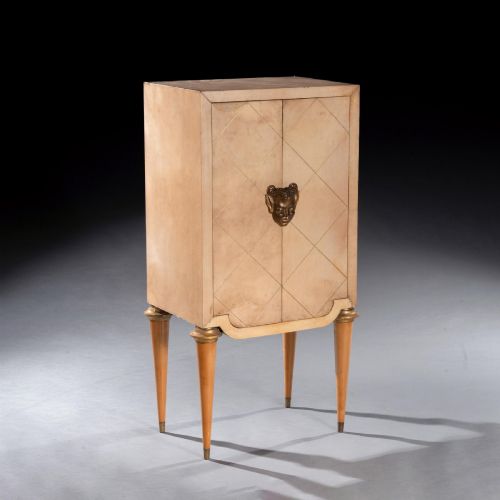
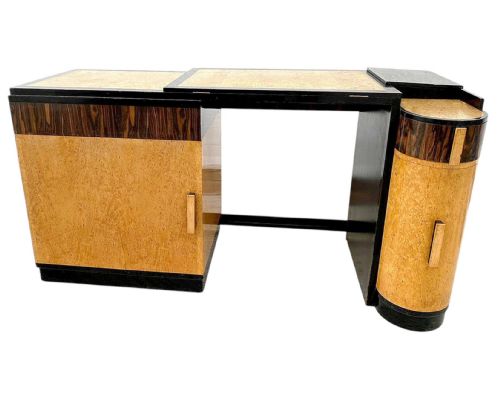
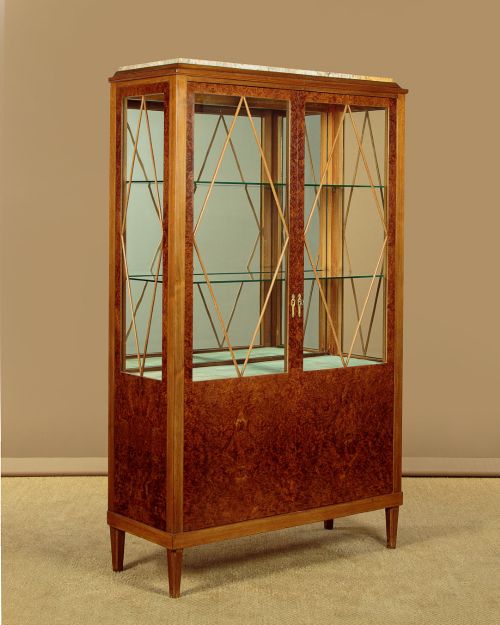
Craftsmen built these pieces using dense hardwoods like walnut, kingwood, ebony, and palisander, often applying burr veneers to large surface areas for dramatic grain patterns. Parchment and bamboo also appear as deliberate decorative contrasts on drawer fronts and cabinets.
Structural integrity relies on traditional joinery paired with cast-iron supports or brass detailing, particularly on tables and drinks cabinets. Tops are frequently finished with fitted marble slabs or leather inserts to handle everyday use.
Surface treatments range from ebonised finishes to hand-carved antique white paint on console tables, reflecting both modernist restraint and traditional revivalism.
1930s French Furniture Retail Price Guide 2026
Typical asking prices for 1930s french furniture among the pieces listed under this phrase on Sellingantiques today, from the lower quarter to the upper quarter. They describe what is for sale here now, not the wider market.
Object types range from bedside tables and work boxes to extensive eleven-piece dining and seating suites.
Distinctions in Quality
The sophistication of the timber selection and the precision of the veneer matching largely separate standard cabinet work from superior examples. Master workshops utilised exotic woods like macassar and calamander with careful regard for grain continuity across doors and drawers.
The integration of specialist materials, such as parchment inlays or solid marble tops, indicates a higher tier of production. Finer pieces demonstrate seamless hardware integration, where brass mounts and cast-iron legs complement rather than overpower the underlying structure.
Maurice Jallot·Michel Dufet
The 1930s French Furniture Glossary
- Art Deco
- A design style characterised by sleek geometric shapes, stylised motifs, and luxurious materials that dominated the interwar period. It influences the clean lines seen in many cabinets and tables from this era.
- Commode
- A low chest of drawers or cabinet, traditionally placed against a wall. French examples frequently feature marble tops and decorative veneer patterns.
- Palisander
- A dense, dark tropical timber valued for its rich colour and distinctive grain. It provides a striking surface on modernist commodes and case pieces.
- Gueridon
- A small occasional table, often standing on a single central pillar or slender legs. These were popular in French interiors for holding lamps or decorative objects.
- Parchment
- Animal skin prepared for writing or binding, utilised here as an inlaid surface material on drawer fronts. It offers a smooth, matte contrast to polished wood veneers.
1930s French Furniture: Frequently Asked Questions
How do I identify Art Deco furniture?
Look for symmetrical geometric patterns, stepped outlines, and contrasting wood veneers such as walnut and macassar. These elements define the modern aesthetic of the period.
Hardware is typically restrained, often cast in brass or bronze to complement the linear design of the piece.
Are marble tops original?
Marble tops on these pieces were commonly fitted during production to provide a durable, heat-resistant surface for commodes and side cabinets. They are usually inset into the wooden frame with a moulded edge.
Inspect the underside and edges to confirm the stone sits naturally within the timber rebate.
Where should I place a gueridon?
A gueridon functions well as a freestanding occasional table beside a seating group or in a corner to display a lamp. Its compact footprint allows it to fit easily into smaller spaces.
Keep it away from direct heat sources to protect the polished wood and delicate joints.
How do I clean parchment inlay?
Dust parchment surfaces gently with a dry, soft cloth, avoiding any moisture or liquid cleaners that can warp the material. Regular dusting prevents particle buildup in the fine seams.
Keep these pieces out of direct sunlight to prevent the parchment from discolouring over time.