


1930s Dressing Table Mirror
These 1930s dressing table mirror options bring geometric lines and warm timber tones to a bedroom, offering a functional piece of period design.
1930s Dressing Table Mirror
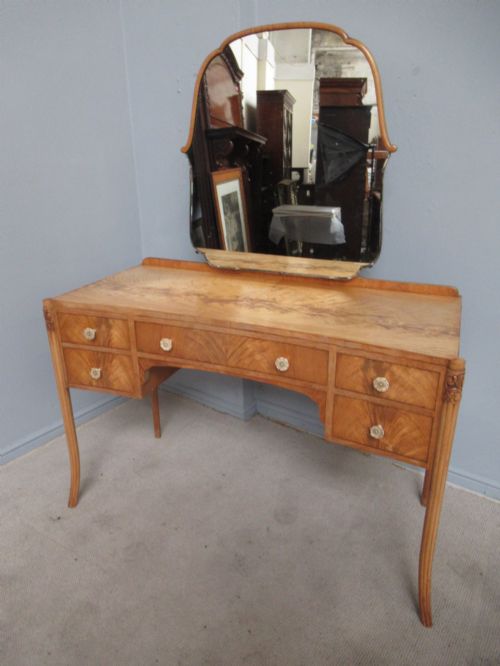
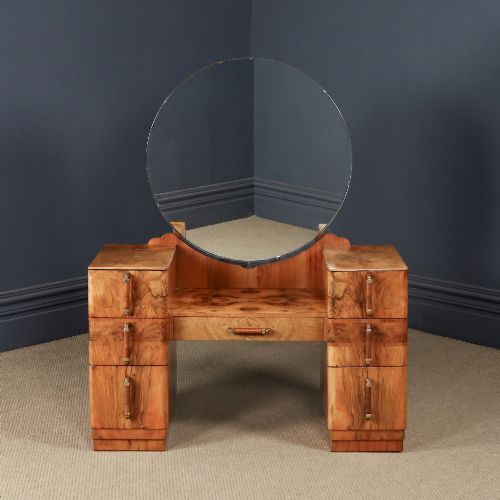
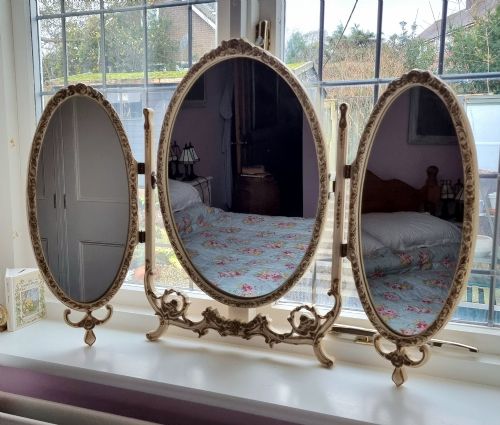
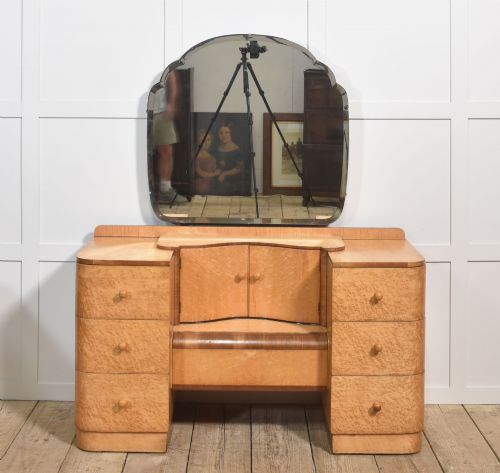
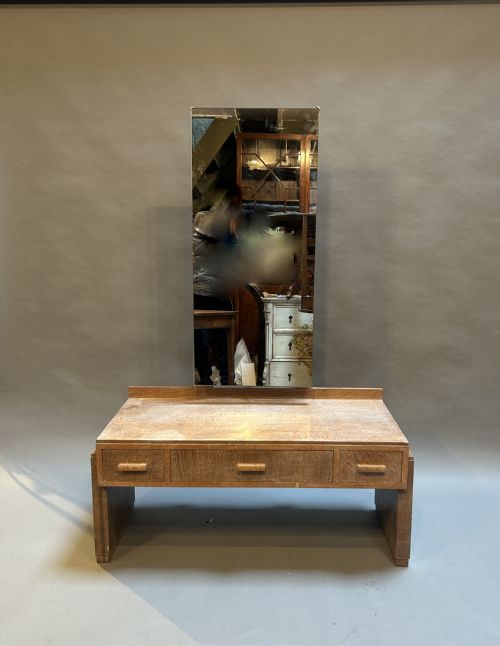
A 1930s dressing table mirror serves as a functional and decorative vanity accessory, appearing across this selection either as a standalone tabletop glass or as an integral component attached to a larger dressing chest. You encounter these mirrors most frequently in Art Deco designs, alongside occasional examples executed in the Cotswold School or French Rococo Revival styles.
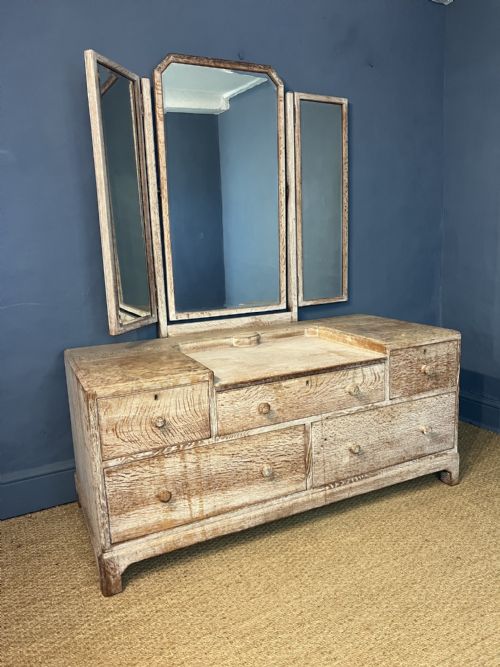
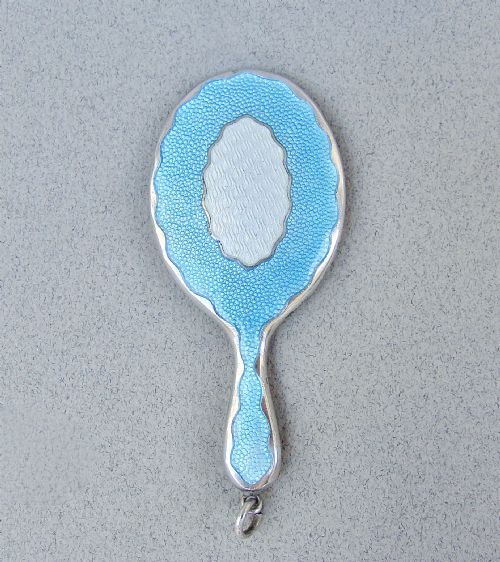
The objects span compact easel vanity mirrors and miniature purse mirrors in silver and guilloché enamel, right up to triple mirror configurations mounted on walnut and oak dressing tables. Many items originate from notable makers and designers working in Britain during the interwar decades, while others showcase continental European craftsmanship.
How they were made
Cabinet makers utilised a rich palette of woods including walnut, burr walnut, oak, maple, and mahogany, often applying figured veneers to create striking geometric patterns across the wooden frames and associated furniture. Metal elements such as brass and chrome appear alongside mirror glass, while specialised decorative pieces incorporate silver and guilloché enamel work.
Construction techniques combine traditional cabinet making joinery with modernist industrial fabrication, particularly evident in the freestanding easel frames and tilting mechanisms of the period. Workshops employed specialised marquetry and polishing methods to highlight the natural grain of timbers like burr walnut and limed oak.
Some miniature purse mirrors travelled everywhere in 1930s handbags, quietly witnessing a decade of jazz, cigarette holders, and powdered noses.
What varies in quality
The standard of a 1930s dressing table mirror rests on the selection of timber veneers and the precision of the cabinet work, with figured burr walnut and maple commanding attention for their striking grain patterns. Superior examples often bear attribution to renowned makers or workshops, showing meticulous attention to detail in their marquetry, metal fittings, and framing.
Condition of the reflective glass and the integrity of any enamel or silver components significantly influence the character of each piece. Well-preserved original mirror plates and robust tilting mechanisms distinguish finer decorative accessories from standard production items.
Henry Williamson·Heals·Maurice Adams·Harry and Lou Epstein·Whytock & Reid·Betty Joel
The 1930s Dressing Table Mirror Glossary
- Art Deco
- A design style characterised by sleek geometric shapes, streamlined forms, and stylised ornamentation popular during the interwar period. It heavily influences the lines of mirrors and dressing tables from this era.
- Burr walnut
- A highly prized wood grain featuring swirling patterns formed by growths on walnut trees. Cabinet makers used its distinctive figuring for decorative veneer panels on high-end furniture.
- Guilloché enamel
- A decorative technique where translucent enamel is layered over precisely engraved or engine-turned metal. It appears frequently on small vanity and purse mirrors from the period.
- Easel mirror
- A tabletop mirror supported by a hinged prop or stand at the back. This form allows the glass angle to be adjusted easily for personal grooming.
- Limed oak
- A wood finish created by applying a white or pale compound into the open pores of oak. This treatment achieved the pale, modern aesthetic favoured by designers like Heal's.
1930s Dressing Table Mirror: Frequently Asked Questions
How do I clean an antique mirror glass?
Use a soft, lint-free cloth and a mild, ammonia-free cleaning solution applied to the cloth rather than directly onto the glass. This prevents moisture from seeping behind the plate and damaging the silvered backing.
Avoid abrasive pads or harsh chemical sprays that can scratch the aged surface or degrade the surrounding wooden frame.
Where should I place a dressing table mirror?
Position the piece on a sturdy chest of drawers or dressing table where it receives natural daylight from the side rather than directly behind. This placement minimises glare and provides optimal illumination for everyday use.
Ensure the surface is level and that any freestanding easel prop rests securely to prevent accidental tipping.
How can I tell if a mirror is from the 1930s?
Look for characteristic Art Deco geometric forms, stepped frames, and the specific use of materials like chrome, burr walnut, and guilloché enamel. Construction methods and joinery details consistent with interwar British and European cabinet making also help confirm the period.
Maker marks, stamps, or attributions to prominent workshops provide further verification of the era.
Can I adjust the angle of a tilting mirror?
Most period dressing table mirrors feature side pivots or screws that allow you to adjust the tilt of the glass. Check these fixings gently to see if they move freely without placing undue stress on the wooden frame.
If the fixings feel stiff, refrain from forcing them and instead inspect the pivot mechanism for built-up dust or minor misalignments.