




1930s Chrome Side Table
A 1930s chrome side table brings gleaming modernity and clean architectural lines into a contemporary room.
1930s Chrome Side Table
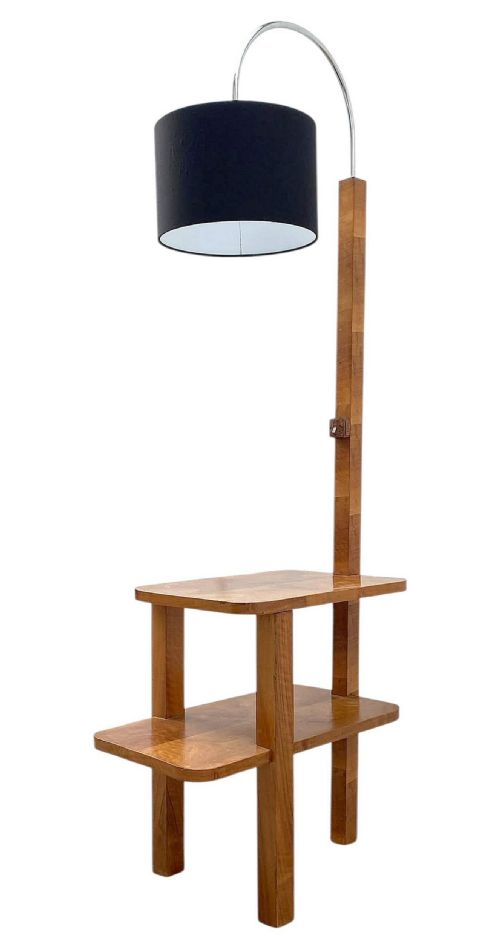
A 1930s chrome side table captures the spirit of the Art Deco and Modernist movements, combining industrial metal with domestic function. The versions most commonly found here take the form of compact side tables, occasional pieces, and two-tier designs intended for practical daily use.
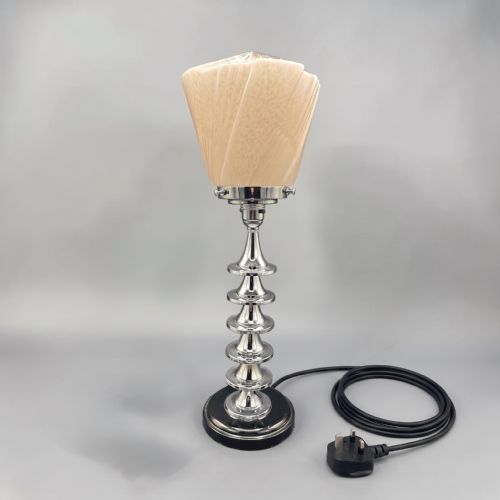
Makers and designers from England, France, and America embraced these new industrial forms during the interwar years. Alongside standard side tables, the listings include related occasional forms, reading stands, and table lamps that share the same material vocabulary.
The dominant aesthetic relies on clean geometries, reflective surfaces, and the contrast between cold metal and warm timber. These pieces bridge the gap between traditional furniture and the streamlined machine age.
Materials and construction
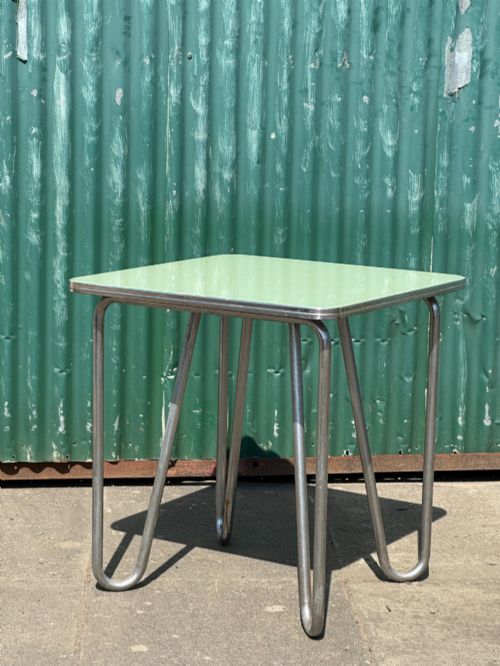
Tubular steel and chrome plated metal form the structural backbone of these pieces, welded and bent into sleek curves. This innovative use of industrial metal replaced heavy timber framing with lighter, resilient skeletons.
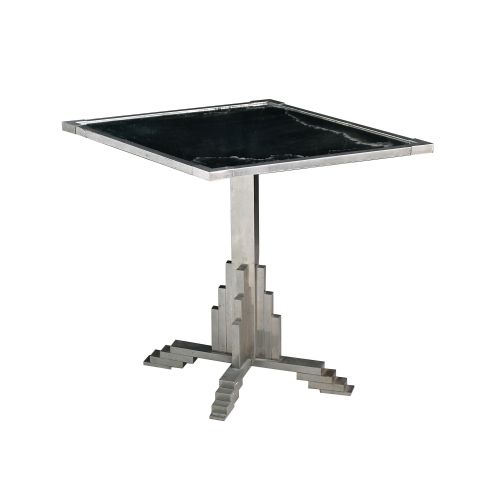
Surfaces combine clear glass, mirrored glass, walnut, and mahogany to create textural interplay. Artisans set glass panels into metal frames or layered wood veneers beneath gleaming metallic trims.
1930s Chrome Side Table Retail Price Guide 2026
Typical asking prices for 1930s chrome side table among the pieces listed under this phrase on Sellingantiques today, from the lower quarter to the upper quarter. They describe what is for sale here now, not the wider market.
Listings combine 1920s and 1930s dates with materials spanning chrome, mirrored glass, walnut, and tubular steel.
Judging quality and finish
Quality rests upon the precision of the metal bending and the integrity of the chrome plating over the underlying base metal. Superior examples display seamless joints and deep, unblemished reflectivity across every curved tube.
The choice of secondary materials separates standard production from high-end pieces. Finer tables incorporate figured walnut or thick bevelled glass that elevates a simple utilitarian frame into a sophisticated design object.
Oliver Percy Bernard·Michel Dufet
The 1930s Chrome Side Table Glossary
- Chrome plating
- An electrolytic coating of chromium applied over metal to provide a bright, corrosion-resistant finish. This process defined the gleaming aesthetic of interwar modernist design.
- Tubular steel
- Hollow steel piping that can be bent into continuous curves without losing structural strength. It revolutionised furniture design by allowing cantilevered and floating forms.
- Occasional table
- A small, versatile piece of furniture designed for a specific, intermittent use rather than central placement in a room. These tables are easily moved to serve beside a chair or sofa.
- Gueridon
- A small French occasional table, often round, supported by one or more columns or pedestals. In Art Deco design, these pieces frequently combined metal frames with mirrored or wooden tops.
- Art Deco
- A design style spanning the 1920s and 1930s characterised by streamlined shapes, geometric ornamentation, and modern industrial materials. It represented luxury and glamour through simplified forms.
1930s Chrome Side Table: Frequently Asked Questions
What is a 1930s chrome side table?
A 1930s chrome side table is a compact piece of furniture constructed from plated metal tubing and paired with glass or timber surfaces. These objects emerged from the Art Deco and Modernist movements to reflect a new industrial aesthetic.
They were designed for practical domestic use beside chairs or sofas, offering a lightweight alternative to traditional wooden furniture.
How do I identify Art Deco furniture?
Art Deco pieces are recognised by their geometric symmetry, clean lines, and use of modern manufactured materials like chrome and plate glass. Designers favored streamlined silhouettes over heavy carving.
Looking at the combination of tubular steel with exotic woods or mirrored glass helps confirm the period style.
Where were these tables made?
Production centres spanned England, France, and America, with prominent designers and manufacturers creating distinct regional interpretations of Modernism. French makers often produced luxurious gueridons, while English firms focused on utilitarian modernist forms.
Imported designs and domestic workshops both contributed to the variety of pieces seen today.
How do I care for chrome and glass?
Chrome surfaces require gentle cleaning with a soft cloth to maintain their reflectivity without scratching the plated finish. Glass and mirrored tops benefit from standard glass cleaner applied sparingly.
Keeping the metal dry prevents tarnishing and preserves the bright appearance characteristic of the period.