



Vintage Mirrored Side Table
These vintage mirrored side table pieces bring reflective light and period charm to a room, offering both surface utility and decorative presence.
Vintage Mirrored Side Table
A vintage mirrored side table brings reflective glass surfaces and compact proportions to interior spaces, functioning as a practical accent piece beside seating or beds. When you search for a vintage mirrored side table, you encounter an array of forms that span multiple decades and design traditions.
The selections on this page range from early twentieth-century Art Deco creations to nineteenth-century examples and earlier stylistic revivals. Alongside traditional side tables, the available forms include occasional tables, console tables, coffee tables, and washstands that incorporate mirrored or glass elements.
Art Deco interpretations from the nineteen-twenties and nineteen-thirties appear frequently alongside Edwardian, Georgian, and Regency-influenced pieces. Materials stretch from mahogany, walnut, and oak to marble, chrome, wrought iron, and clear or tinted glass.
Materials and construction methods
Construction relies on a combination of traditional cabinet-making timbers like mahogany, walnut, oak, and rosewood, paired with inset or overlay glass panels. Frames are built using standard joinery techniques appropriate to their period, whether the clean geometric lines of Art Deco or the carved ornamentation of nineteenth-century styles.
Mirrored glass is integrated into table tops or matched with wall mirrors, utilising silvering techniques that produce the reflective surface characteristic of these pieces. Metal components, including chrome and wrought iron, appear in twentieth-century designs to support glass surfaces and provide structural rigidity.
Materials documented across the collection include mahogany, marble, chrome, wrought iron, and silvered glass.
Distinctions in craftsmanship and condition
Quality in these pieces rests upon the integrity of the timber framing, the precision of the glass setting, and the preservation of the original reflective surfaces. Finer examples display careful joinery, select wood veneers, and heavy plate glass that sits flush within the surrounding frame.
The condition of the mirrored glass itself marks a primary distinction between items, as original silvering develops characteristic patination, foxing, or loss over time. The harmony between the base structure and the glass top, particularly in pieces combining older periods with mirrored surfaces, determines the overall cohesion of the object.
The Vintage Mirrored Side Table Glossary
- Art Deco
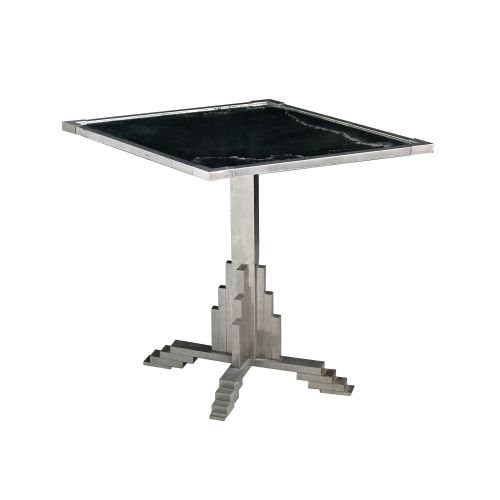
- A design style from the nineteen-twenties and nineteen-thirties characterised by geometric shapes, streamlined forms, and modern industrial materials. It often incorporates chrome, mirrored glass, and exotic wood veneers.
- Console table
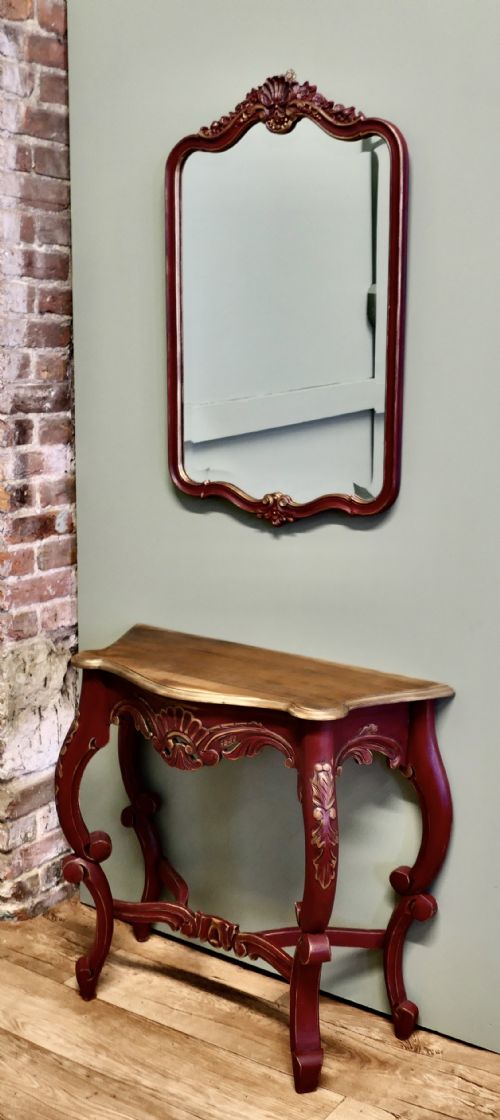
- A table designed to be placed flat against a wall, frequently paired with a matching wall mirror. These pieces often feature decorative legs and elaborate surface treatments.
- Washstand
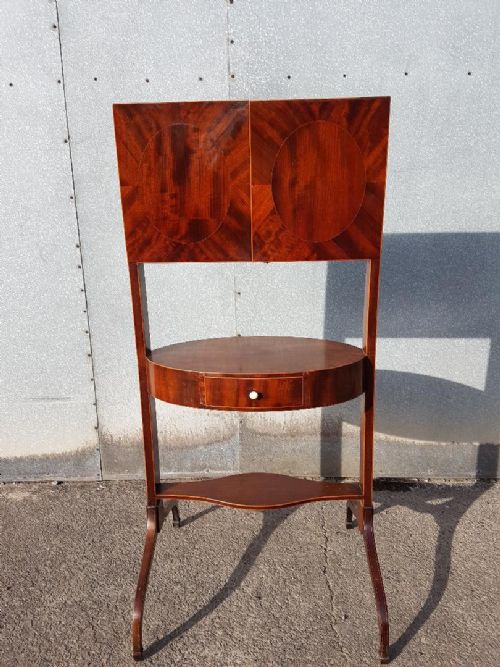
- A nineteenth or early twentieth-century piece of bedroom furniture designed for washing, often adapted over time with marble or mirrored tops. They typically provide a sturdy surface suitable for use as a small table.
- Foxing
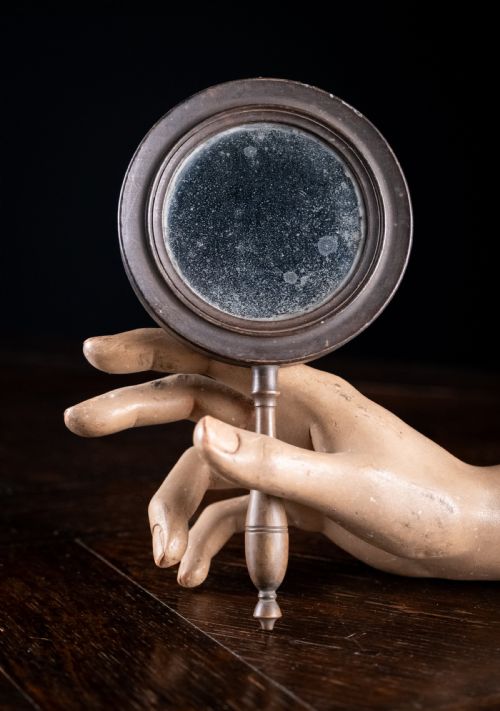
- Age-related spots and browning that occur on older mirrored glass as the silver backing degrades. Collectors often view this chemical oxidation as a sign of authenticity.
- Occasional table
- A small, movable table intended for intermittent use in a living space or bedroom. They appear in various shapes and materials depending on the period of manufacture.
Vintage Mirrored Side Table: Frequently Asked Questions
What periods do these tables come from?
The pieces span a broad chronological range, including Georgian, Regency, Edwardian, and Art Deco eras from the nineteenth and twentieth centuries.
Design styles shift from the ornate carvings of the nineteenth century to the streamlined geometric forms of nineteen-thirty Art Deco.
How do I care for antique mirrored glass?
Mirrored surfaces require gentle cleaning with soft cloths and mild, non-abrasive solutions to avoid damaging the aged silver backing.
Keep these tables away from excessive moisture and direct sunlight to preserve both the timber frame and the reflective glass panels.
Are all mirrored tables from the Art Deco period?
While the nineteen-twenties and nineteen-thirties produced many notable mirrored designs, mirrored glass was also integrated into earlier console tables and washstands.
Some nineteenth-century pieces combine traditional timber frames with inset mirrors or decorative glass tops.
What is a console table and mirror set?
A console table and mirror set consists of a wall-mounted or freestanding table accompanied by a matching hanging mirror designed to be displayed together.
This pairing creates a unified decorative display often placed in hallways or reception rooms.