

Mirrored Top Table
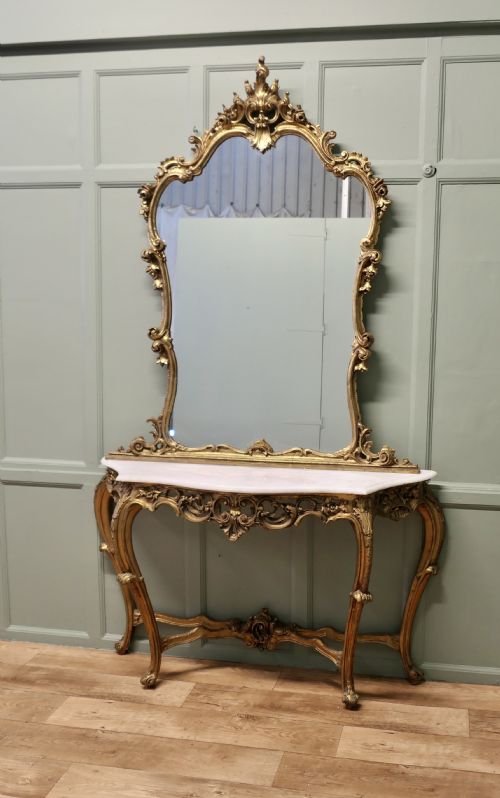
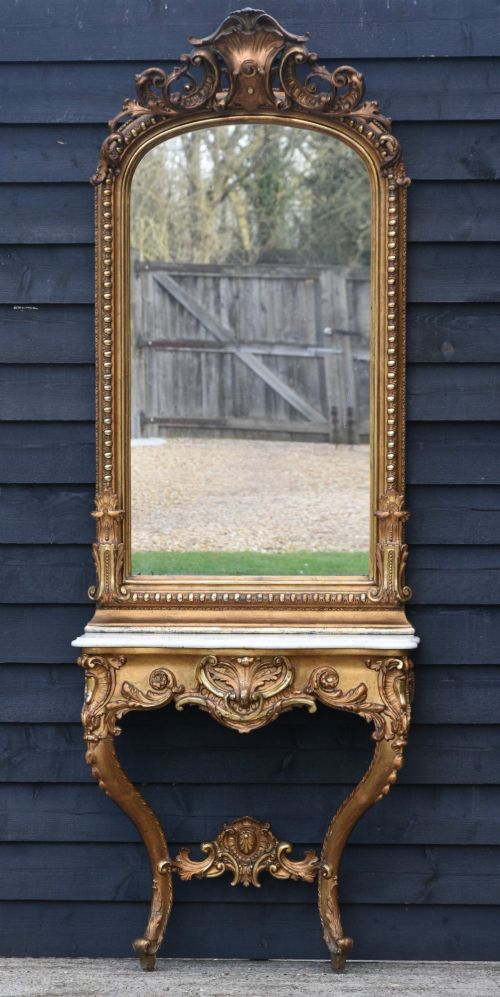
A mirrored top table brings reflected light and practical surface space into a room, spanning styles from Art Deco occasional pieces to French gilt consoles.
Mirrored Top Table
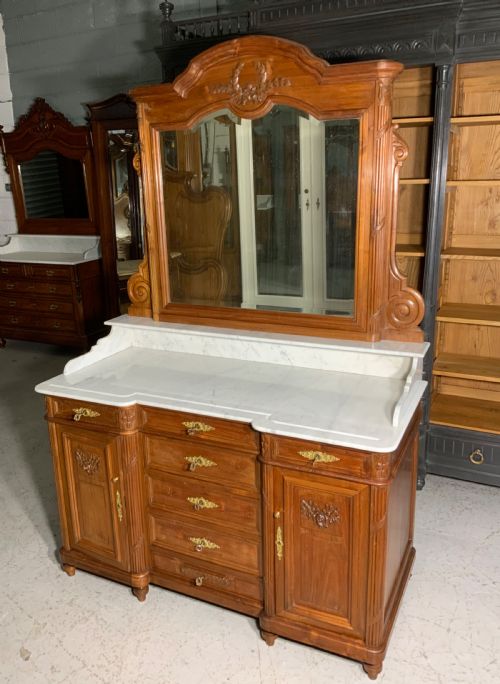
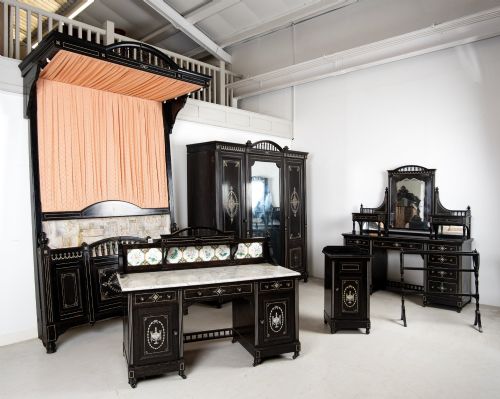
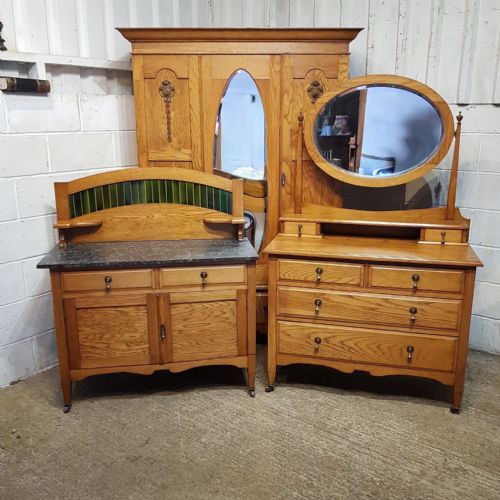
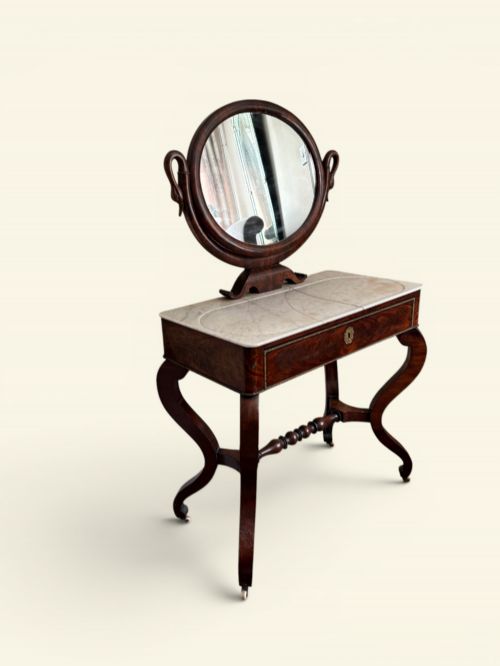
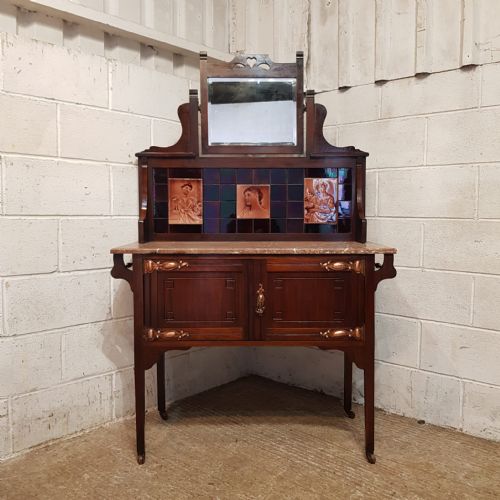
When searching for a mirrored top table, buyers encounter a variety of forms including side tables, coffee tables, and console tables with reflective surfaces. These pieces frequently appear alongside dressing tables and washstands featuring integrated mirrors from the 19th and 20th centuries.
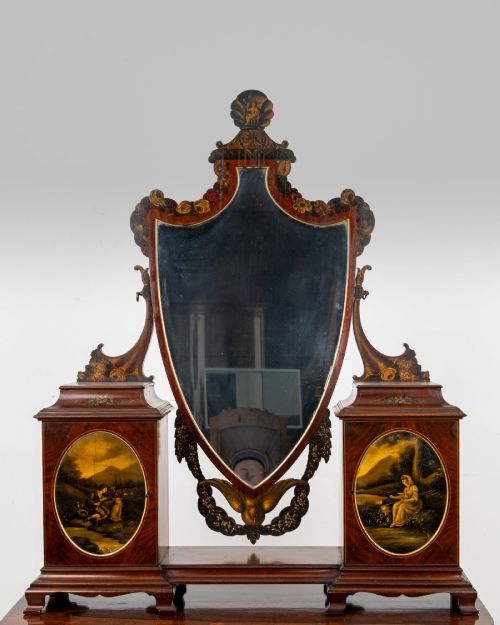
The selection on this page ranges from Georgian and Regency examples to Edwardian and Art Deco designs. Walnut, mahogany, and giltwood frames predominate, paired with inset glass panels or marble tops.
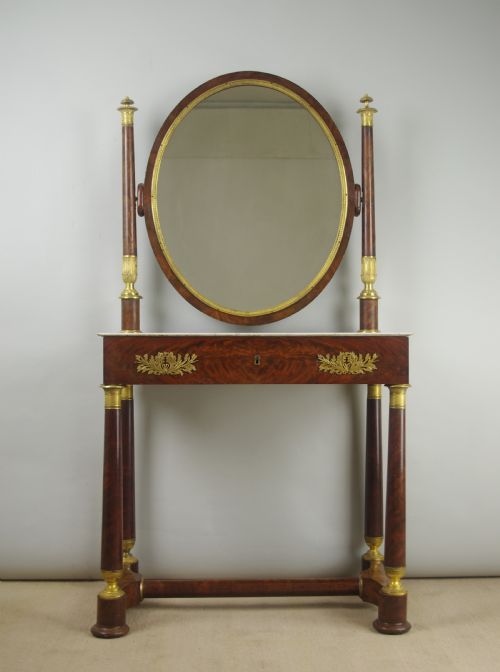
Origin points vary between English workshop furniture and French continental console tables, often incorporating decorative elements such as ormolu mounts or inlaid wood.
Materials and construction methods
Cabinet makers utilised hardwoods such as mahogany, walnut, and rosewood for structural frames, frequently applying intricate veneers or inlay. Giltwood and ormolu mounts appear on continental console tables and revival pieces.
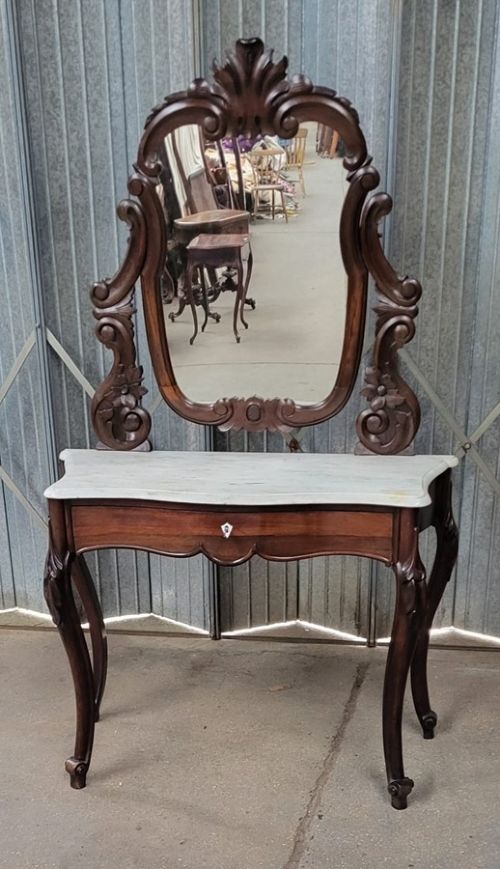
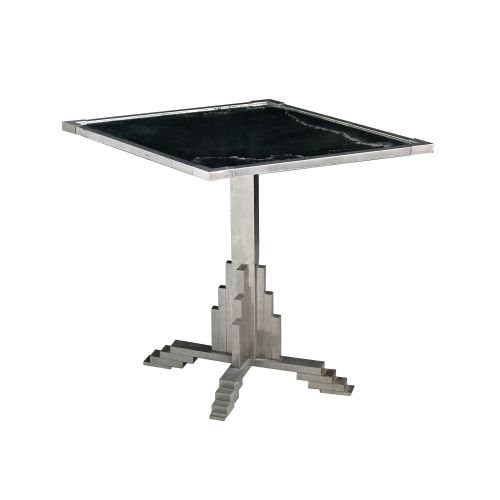
Table tops integrate bevelled glass mirror plates or polished marble slabs fitted precisely into wooden rebates. Supporting elements range from carved cabriole legs to geometric Art Deco chrome structures.
Listings feature items from the 18th Century through to the Art Deco period of the 1930s, constructed in mahogany, walnut, oak, and giltwood.
Determining quality in construction and finish
The distinction between tiers rests upon the precision of the joinery and the depth of the carving in wooden frames. Finer examples display hand-cut joints and crisp moulding details rather than cast resin ornaments.
The integrity of the mirrored glass itself indicates quality, where original silvering showing age differs from later replacement plates. Heavy marble inserts and solid brass or ormolu hardware elevate the weight and finish of a piece.
Maple & Co
The Mirrored Top Table Glossary
- Console table
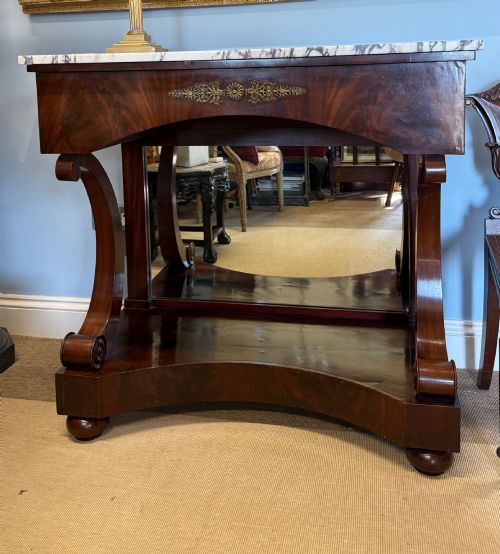
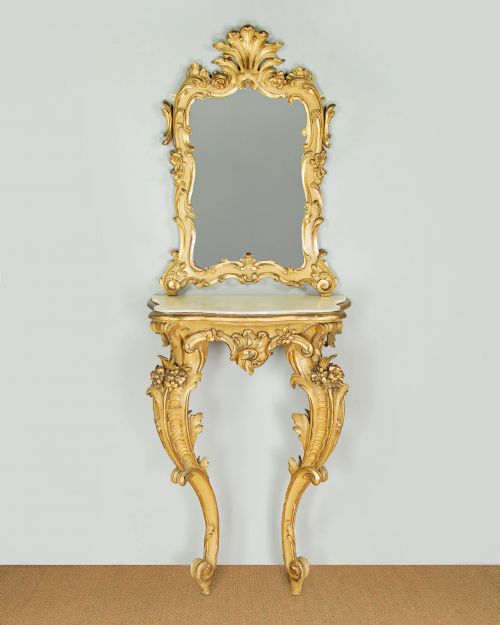
- A table designed to stand against a wall, frequently supported by wall brackets or console legs. These pieces often pair with matching wall mirrors or feature mirrored surfaces.
- Ormolu
- Gilded bronze mountings applied to furniture, popular in French Empire and revival designs. The technique involves mercury gilding on a bronze base.
- Trumeau
- A decorative wall mirror or panel set above a mantelpiece or console table. The style originates from 18th-century French interior decoration.
- Cheval mirror
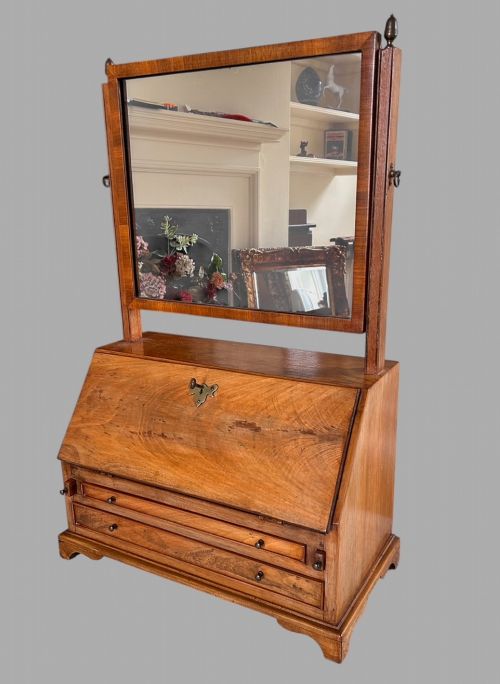
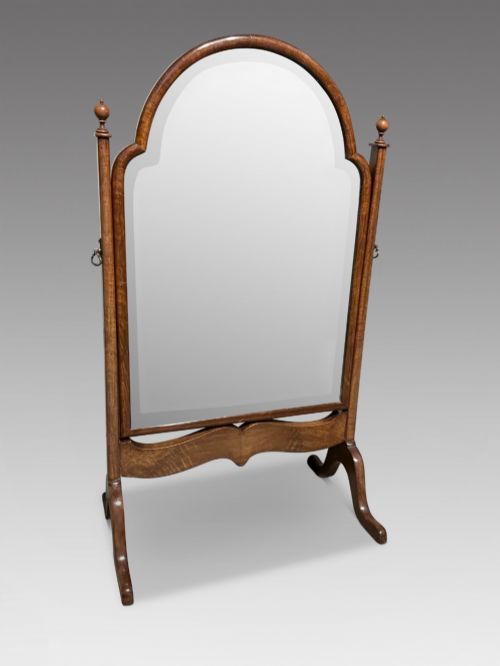
- A freestanding full-length mirror mounted on a swivel frame. Table-top versions provide the same pivoting function on a smaller scale for dressing surfaces.
- Inlay
- A technique where pieces of contrasting wood, metal, or shell are inserted into a recessed surface to form decorative patterns. Common on Edwardian and Victorian tables.
Mirrored Top Table: Frequently Asked Questions
What is a mirrored top table used for?
These tables function as decorative surface furniture in reception rooms, hallways, and bedrooms. The reflective glass surface serves to bounce light around the room while holding decorative objects or everyday items.
Historically, specific variants such as dressing tables and jeweller's display tables utilised glass and mirrors to showcase items effectively. Today, occasional tables with mirrored surfaces serve a similar decorative purpose in modern interiors.
How do I identify an Art Deco mirrored top table?
Art Deco pieces from the 1920s and 1930s typically feature clean geometric lines, streamlined forms, and modern materials such as chrome alongside traditional woods like walnut. The construction avoids ornate carving in favour of sleek, symmetrical surfaces.
These tables often utilise peach or tinted glass panels set flush into the wooden framework. The overall aesthetic emphasises industrial progress and geometric abstraction rather than historical revival styles.
Are French and English tables different?
French tables from periods like French Rococo Revival or Empire tend to feature elaborate giltwood, carved walnut, and prominent ormolu mounts. They often present dramatic curves and integrated trumeau mirrors designed for formal drawing rooms.
English equivalents from the Georgian, Victorian, and Edwardian eras generally favour rectilinear forms in mahogany and satinwood. Construction focuses on understated elegance, traditional cabinet making, and functional utility like drawers.
How should I care for a antique mirrored top?
Cleaning requires a soft, dry cloth to remove dust without scratching the glass or the surrounding wooden frame. Moisture should be kept away from the edges of the mirror plate to prevent the silver backing from degrading.
Harsh chemical cleaners can damage both antique mirror silvering and traditional French polish or wax finishes on the wood. Regular gentle dusting preserves the original patina of the materials.